

Guides et Articles
De Produits
Catégories d'aide
Personnel serviable
Sélection des produits et conseils sur les systèmes
Trouvez la bonne peinture pour sol
Recherchez par type de sol, utilisation ou exigence de performance pour accéder au guide produit approprié. De l'époxy au polyuréthane en passant par les systèmes antidérapants et à durcissement rapide, trouvez la bonne solution pour votre application.

- 0 commentaire
- par Sam Marriott
Timing du retrait du ruban adhésif : comment obtenir des lignes nettes sans abîmer vos bords

- 0 commentaire
- par Sam Marriott
Comprendre la durée de vie en pot : Les temps d'application des systèmes à 2 composants
No guides found matching your search.
Try a different keyword.
Par Surface, Utilisation et Performance
Sélection de la peinture de sol
Des guides pour vous aider à choisir le bon revêtement de sol en fonction de l'environnement, du niveau de circulation et des exigences de performance. Conçus pour adapter le bon système au bon projet.
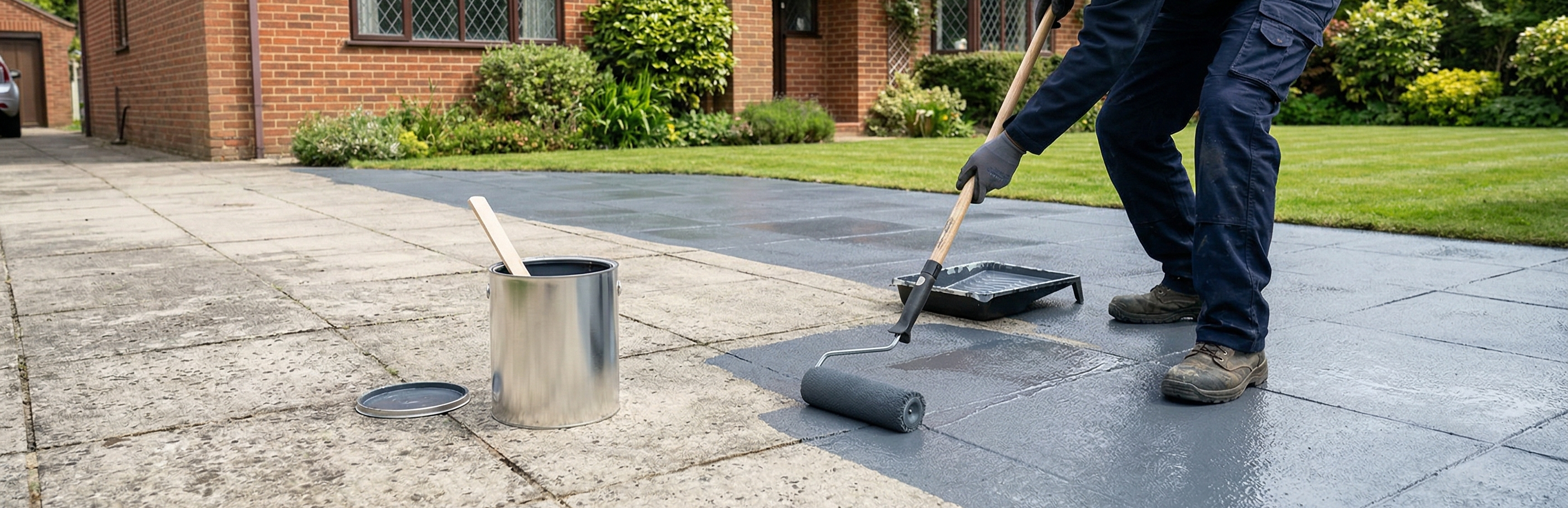
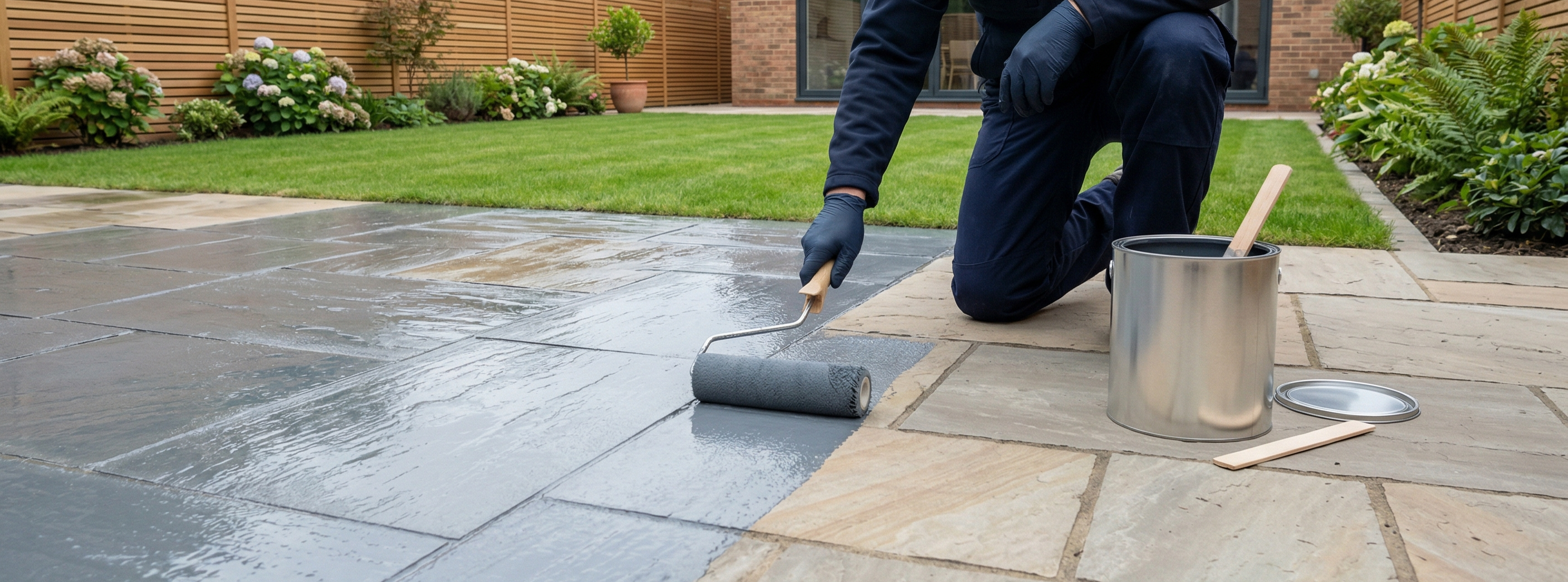
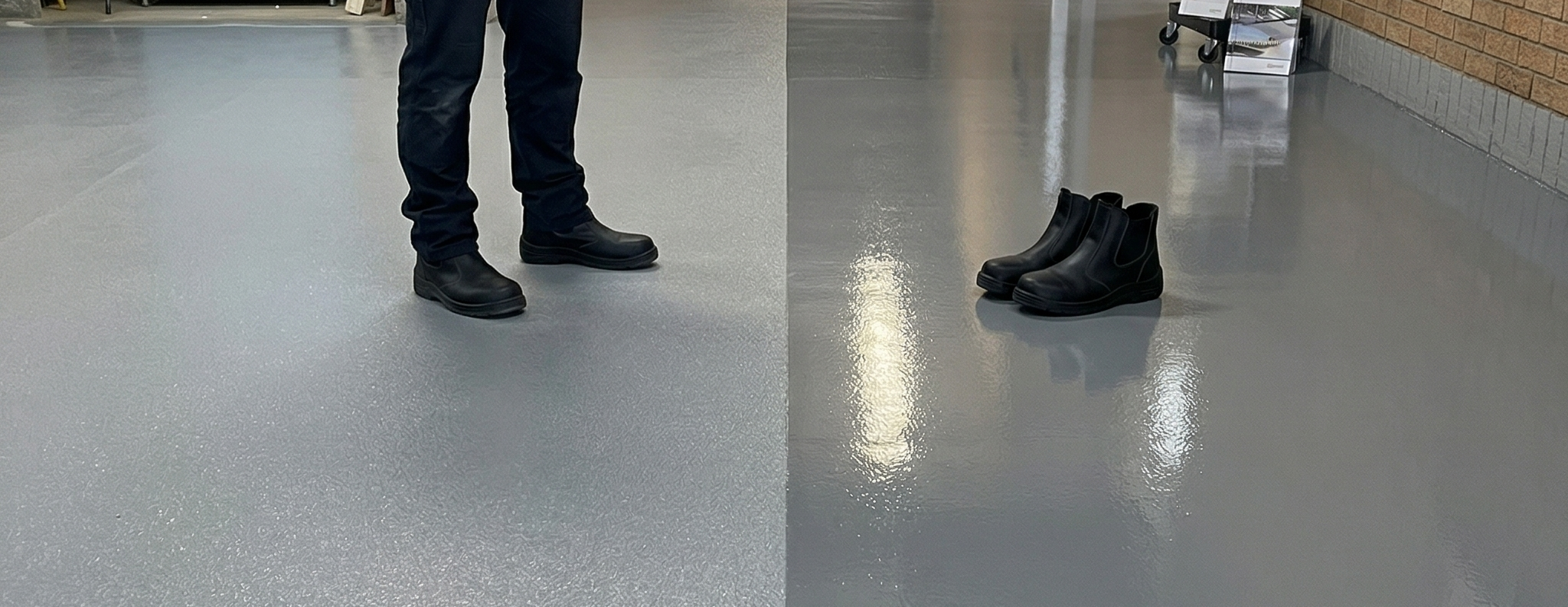
Avez-vous besoin d'une peinture antidérapante pour le sol ? Guide des grains fins, moyens et gros
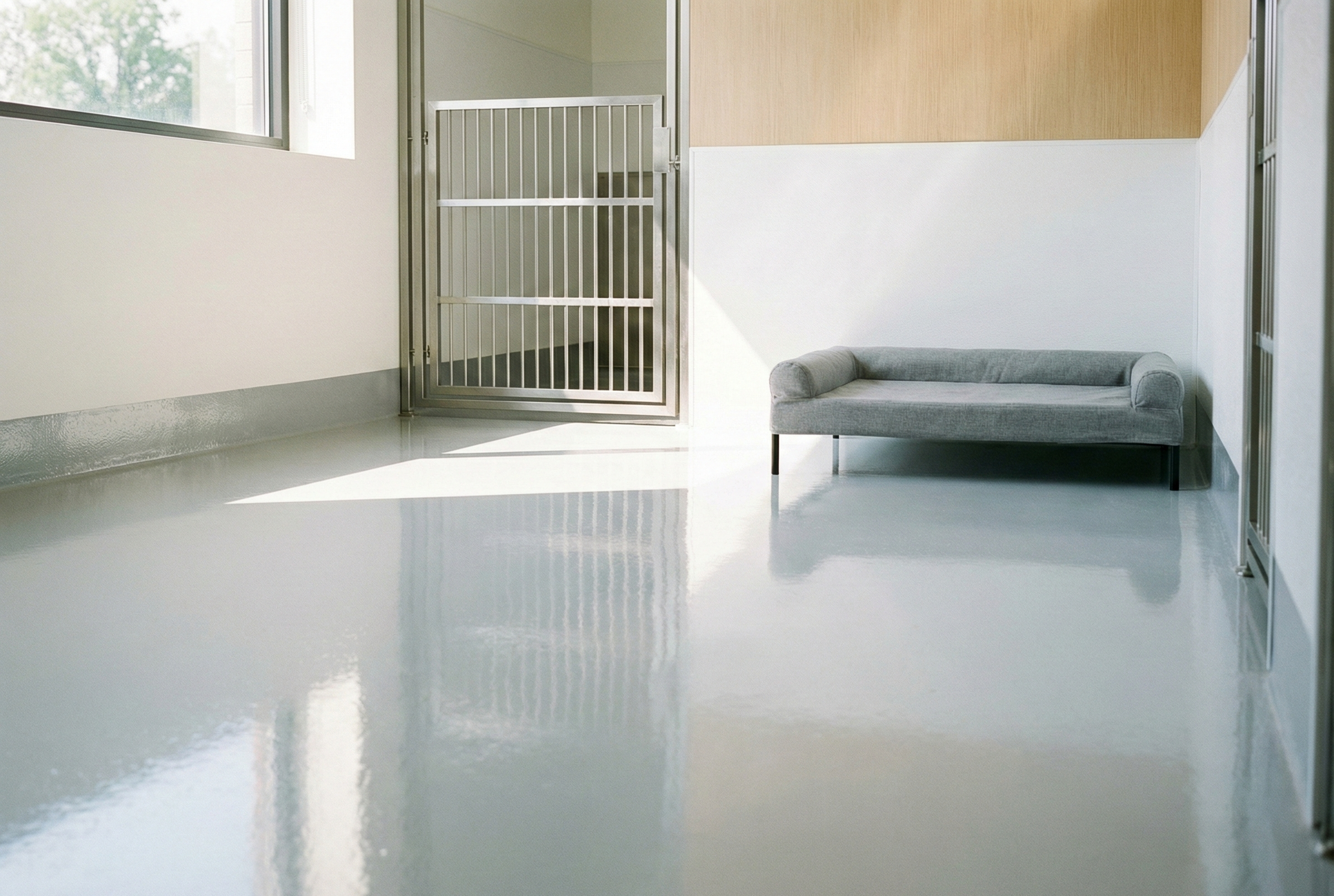
Meilleure peinture pour les niches ? Pourquoi vous avez besoin d'un époxy bi-composant spécialisé
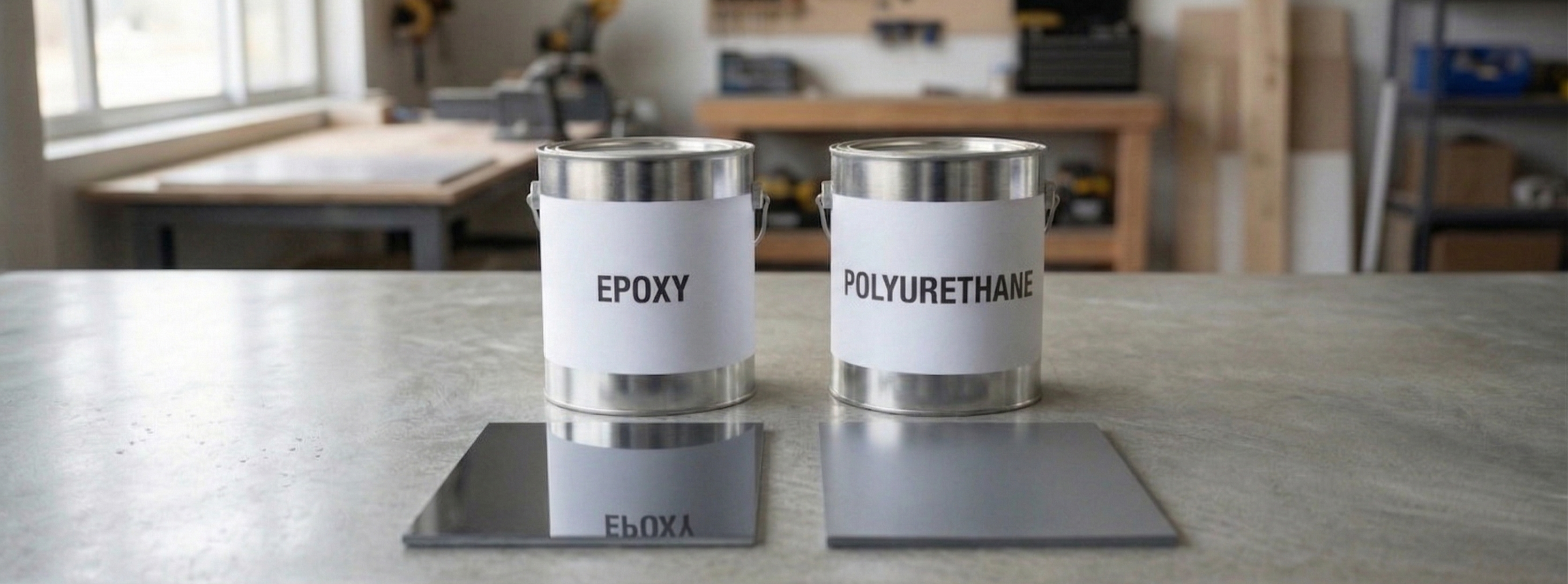
Quelle est la meilleure peinture pour un sol en béton intérieur ? Polyuréthane ou époxy ?
Pouvez-vous peindre par-dessus de la peinture de terrasse existante ?
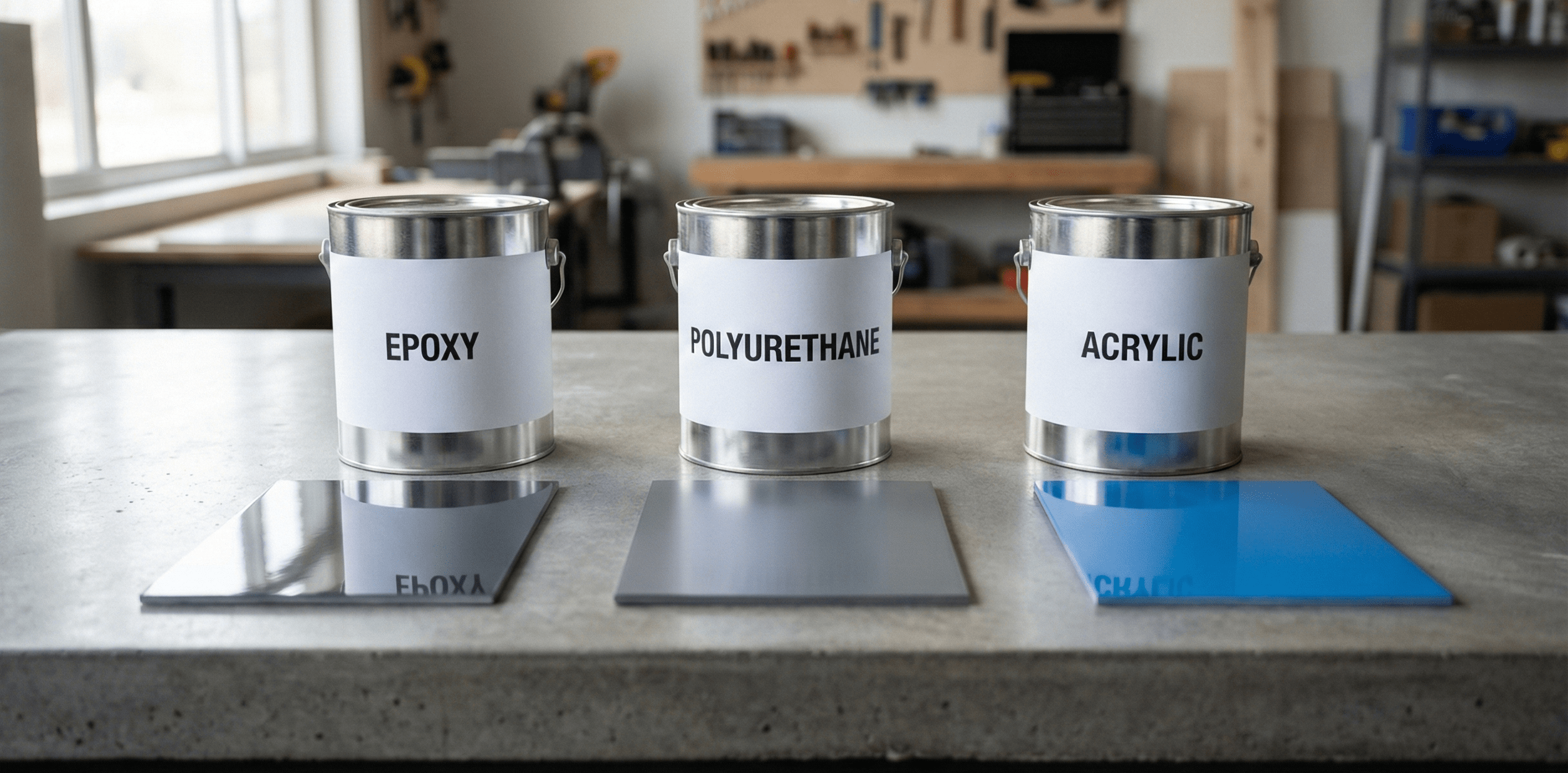
Époxy, polyuréthane ou acrylique : choisir la bonne peinture
Explication du choix de revêtement de sol
Peinture de sol : FAQ sur le choix
TYPE & ÉTAT DU PLANCHER
Le substrat et son état sont le point de départ pour sélectionner tout système de revêtement de sol. Une évaluation incorrecte conduit à une défaillance immédiate ou prématurée.
Quel type de sol ai-je et pourquoi est-ce important ?
Les supports les plus courants sont le béton, la chape de sable/ciment, l'asphalte et les sols précédemment recouverts. Chacun se comporte différemment en termes de porosité, de résistance et de flexibilité. Par exemple, le béton nécessite généralement une préparation mécanique et bénéficie des systèmes époxy, tandis que l'asphalte nécessite des revêtements plus flexibles pour s'adapter au mouvement. L'identification du bon support garantit la compatibilité du système de revêtement dès le départ.
Puis-je utiliser la même peinture de sol sur le béton et l'asphalte ?
Non. Le béton est rigide et poreux, tandis que l'asphalte est flexible et contient des huiles qui peuvent nuire à l'adhérence. L'utilisation d'un revêtement rigide comme l'époxy sur l'asphalte peut entraîner des fissures et une défaillance. Choisissez toujours un système conçu spécifiquement pour le substrat.
Comment savoir si mon sol est adapté à un revêtement ?
La surface doit être propre, sèche, structurellement saine et exempte de toute contamination. Toute laitance, poussière, huile ou anciens revêtements doit être enlevée ou stabilisée. Les substrats faibles ou endommagés doivent être réparés avant d'appliquer tout système de revêtement.
Dois-je tenir compte des revêtements précédents avant d'en choisir un nouveau ?
Oui. Les revêtements existants doivent être évalués pour leur adhérence et leur compatibilité. S'ils se dégradent ou sont incompatibles avec le nouveau système, ils doivent être retirés. L'application d'un nouveau revêtement sur une base inadaptée entraînera d'autres défaillances.
Quelle est la plus grande erreur lors de l'évaluation d'un sol ?
Supposer que tous les sols en béton ou existants se comportent de la même manière. Des différences de densité, de contamination et de traitements antérieurs peuvent affecter considérablement la performance du revêtement.
Les dalles de béton neuves et anciennes nécessitent-elles des produits différents ?
Oui. Le béton neuf peut contenir de l'humidité résiduelle et nécessiter un temps de séchage ou des systèmes résistants à l'humidité, tandis que le béton plus ancien peut nécessiter une préparation plus intensive en raison de la contamination ou de la dégradation de la surface.
EXIGENCES D'UTILISATION, DE TRAFIC ET DE PERFORMANCE
L'utilisation prévue du revêtement de sol détermine le niveau de durabilité, de résistance et de performance requis du système de revêtement.
Comment choisir une peinture pour sol en fonction de son usage ?
Commencez par déterminer l'utilisation du sol. Les zones à usage léger telles que les espaces domestiques peuvent utiliser des systèmes plus simples, tandis que les garages, les ateliers et les sols industriels nécessitent des revêtements robustes avec une résistance accrue à l'abrasion et aux produits chimiques.
Quelle est la meilleure peinture pour sol de garage ?
Les sols de garage nécessitent généralement des revêtements capables de supporter le passage des véhicules, le mouvement des pneus, ainsi que l'exposition à l'huile et au carburant. Des systèmes époxy ou polyuréthane bicomposants sont couramment utilisés à cette fin en raison de leur durabilité.
Ai-je besoin d'un revêtement robuste pour les sols commerciaux ou industriels ?
Oui. Les sols exposés aux chariots élévateurs, aux machines ou à un trafic piétonnier intense nécessitent des systèmes haute performance tels que des revêtements époxy ou polyaspartiques pour assurer une durabilité à long terme.
L'exposition aux produits chimiques a-t-elle un impact sur le choix de ma peinture ?
Absolument. Les environnements exposés aux huiles, carburants, solvants ou produits chimiques de nettoyage nécessitent des revêtements spécifiquement conçus pour résister aux attaques chimiques. Les revêtements standard se dégraderont rapidement dans ces conditions.
Que se passe-t-il si je choisis un revêtement qui n'est pas assez résistant ?
Le revêtement s'usera prématurément, perdra son adhérence ou cédera sous la charge. Cela entraîne souvent la nécessité de le retirer complètement et de le réappliquer.
Ai-je besoin d'une peinture antidérapante pour le sol ?
Si la zone est exposée à l'eau, à l'huile ou à un passage piétonnier fréquent, des revêtements antidérapants sont recommandés pour améliorer la sécurité et la conformité.
TYPE DE REVÊTEMENT ET SÉLECTION DU SYSTÈME
Le choix de la technologie de revêtement et de la composition du système est essentiel pour garantir des performances à long terme.
Quelle est la différence entre les peintures de sol époxy, polyuréthane et acryliques ?
Les revêtements époxy offrent une grande durabilité et une excellente résistance chimique, ce qui les rend idéaux pour les environnements industriels et les garages. Les revêtements en polyuréthane offrent souplesse et résistance aux UV, ce qui les rend adaptés aux zones exposées au soleil. Les systèmes acryliques sont généralement utilisés pour les applications plus légères où la facilité d'utilisation est une priorité.
Dois-je choisir une peinture de sol mono-composant (1K) ou bi-composant (2K) ?
Les revêtements monocouche sont plus faciles à appliquer et conviennent à un usage moins intensif. Les systèmes bicomposants offrent des performances nettement supérieures, notamment une durabilité, une résistance chimique et une durée de vie améliorées, ce qui en fait le choix privilégié pour les environnements exigeants.
Ai-je besoin d'un apprêt dans le cadre du système ?
Dans la plupart des cas, oui. Les primaires améliorent l'adhérence, régulent l'absorption et assurent une base homogène pour la couche de finition. Négliger cette étape peut réduire la performance et la longévité du système.
Qu'est-ce qu'un système de revêtement de sol et pourquoi est-ce important ?
Un système se compose de la préparation, de l'apprêt et des couches de finition qui fonctionnent ensemble. Chaque couche joue un rôle dans l'obtention de l'adhérence, de la durabilité et de la finition. Traiter les revêtements comme un produit unique plutôt que comme un système est une cause fréquente d'échec.
Comment choisir entre les différents niveaux de performance ?
Faites correspondre le revêtement aux exigences de l'environnement. Les systèmes plus performants coûtent plus cher initialement, mais offrent une durée de vie plus longue et une meilleure résistance à l'usure, réduisant ainsi l'entretien au fil du temps.
Quelle est l'erreur la plus courante lors du choix d'une peinture de sol ?
Faire un choix basé sur le prix ou la commodité plutôt que sur l'état du substrat et les exigences de performance. Cela entraîne souvent une défaillance prématurée et des coûts à long terme plus élevés.

Le centre d'aide et technique
Nos revêtements sont soutenus par bien plus que des performances — ils sont accompagnés d'une documentation claire, de guides pratiques et d'un support technique réel.
Le Centre d'aide et technique regroupe des guides de préparation, des conseils d'application, des FAQ, des téléchargements de FDS et Fiche Technique, ainsi que des recommandations de systèmes pour vous aider à choisir, appliquer et entretenir le bon revêtement en toute confiance.