
Guides et Articles
De produits
Catégories d'aide
Personnel serviable
Conseils techniques et solutions de surface
Trouvez la bonne Préparation ou Solution
Recherchez par surface ou par problème pour accéder au guide technique approprié. Des panneaux plastifiés et thermolaqués aux problèmes de corrosion et d'adhérence, suivez le système correct pour une performance à long terme.
- 0 commentaire
- par Sam Marriott
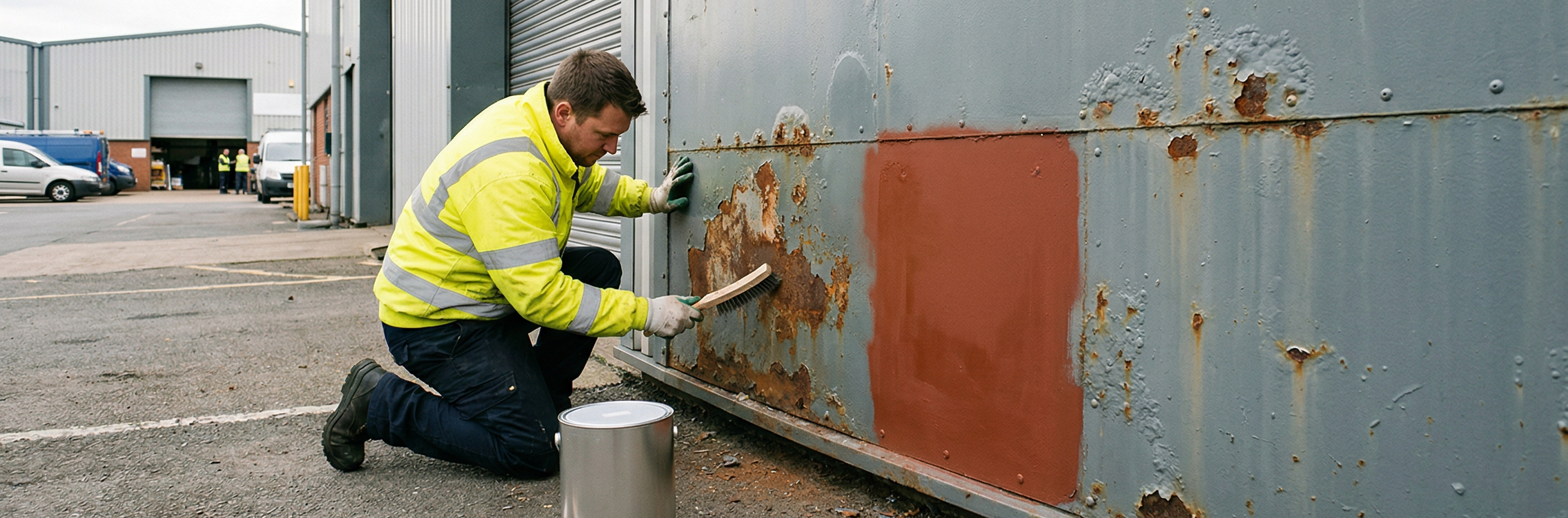
Rouille superficielle sur le bardage métallique : Pourquoi l'apprêt à l'oxyde est essentiel
- 0 commentaire
- par Sam Marriott
No guides found matching your search.
Try a different keyword.
Pour le bardage métallique et les panneaux revêtus
Dépannage de la peinture de bardage
Guides techniques pour diagnostiquer les défaillances de revêtement et les problèmes de surface sur les systèmes de bardage. Couvre les défaillances d'adhérence, la corrosion, la dégradation du revêtement et la compatibilité des surfaces.
Rouille superficielle sur le bardage métallique : Pourquoi l'apprêt à l'oxyde est essentiel
Problèmes courants de revêtements de bardage expliqués
Revêtements FAQ de dépannage
FAQ : Décollement et échec d’adhésion
Les surfaces de revêtement sont souvent lisses, enduites ou à faible énergie, ce qui fait de l'adhérence l'une des causes les plus courantes de défaillance du revêtement.
Pourquoi la peinture de mon bardage s'écaille-t-elle ?
Le décollement est généralement dû à une mauvaise adhérence au substrat. De nombreux systèmes de revêtement, tels que les panneaux en plastisol ou revêtus de poudre, ont des surfaces lisses et non poreuses qui empêchent les revêtements de bien adhérer. Sans une préparation ou un apprêt corrects, le revêtement se détériorera prématurément.
Puis-je peindre directement sur un bardage prélaqué ?
Pas sans préparation. Les revêtements existants doivent être soigneusement nettoyés, dégraissés et préparés mécaniquement pour assurer l'adhérence. Dans de nombreux cas, un primaire d'adhérence est nécessaire.
Faut-il poncer le bardage avant de le peindre ?
Oui, dans la plupart des cas. Une légère abrasion aide à créer un profil de surface qui améliore l'adhérence du revêtement, en particulier sur les panneaux brillants ou revêtus en usine.
Que se passe-t-il si je saute la préparation ?
Le revêtement n'adhérera pas correctement et risque de s'écailler, de se desquamer ou de se délaminer, souvent peu de temps après l'application.
Ai-je toujours besoin d'un apprêt sur le revêtement ?
Pour de meilleurs résultats, oui. Les primaires sont particulièrement importants sur des substrats difficiles tels que le plastisol, le métal thermolaqué ou les surfaces déjà revêtues.
CORROSION & ROUILLE SOUS LA PEINTURE – FOIRE AUX QUESTIONS
Les revêtements métalliques peuvent se corroder lorsque les revêtements de protection se dégradent, permettant à l'humidité d'atteindre le substrat.
Pourquoi de la rouille se forme-t-elle sous la peinture de mon bardage ?
La rouille se développe lorsque l'humidité pénètre le revêtement et atteint l'acier exposé. Cela arrive souvent lorsque les revêtements ont été endommagés, que les bords sont exposés ou que la préparation était insuffisante.
Comment empêcher la rouille de revenir ?
Éliminer la corrosion, préparer la surface et appliquer un apprêt anticorrosion approprié ou un système direct sur métal conçu pour une exposition externe.
Comment empêcher la rouille de revenir ?
Éliminer la corrosion, préparer la surface et appliquer un apprêt anticorrosion approprié ou un système direct sur métal conçu pour l'exposition externe.
Les panneaux de revêtement ont-ils besoin d'un apprêt ?
Oui, en particulier là où le métal est exposé ou là où la corrosion a été traitée. Les primaires offrent à la fois une adhérence et une résistance à la corrosion.
Quelles sont les causes de la défaillance du revêtement sur un bardage métallique ?
Les causes courantes incluent une mauvaise préparation, la pénétration d'humidité, des revêtements endommagés et un manque de protection anticorrosion adéquate.
Questions fréquentes sur le farinage, le décoloration et la dégradation du revêtement
L'exposition aux UV et aux intempéries dégrade progressivement les revêtements de bardage, entraînant une perte de couleur et d'intégrité de surface.
Pourquoi mon revêtement extérieur a-t-il l'air décoloré ou crayeux ?
L'exposition aux UV dégrade la surface du revêtement au fil du temps, entraînant une perte de pigment et un résidu crayeux.
Puis-je peindre un bardage farinant ?
Oui, mais la surface doit d'abord être soigneusement nettoyée pour éliminer tout le farinage. Si elle n'est pas traitée, cela empêchera une bonne adhérence des nouveaux revêtements.
Le soleil endommage-t-il la peinture de bardage ?
Oui. Une exposition prolongée aux UV dégrade les revêtements, entraînant leur décoloration, leur fragilité et, à terme, leur défaillance.
Comment restaurer un bardage décoloré ?
Après un nettoyage et une préparation, l'application d'un système de revêtement approprié peut raviver la couleur et offrir une protection renouvelée.
La nouvelle peinture arrêtera-t-elle la décoloration ?
Les revêtements de haute qualité avec résistance aux UV ralentiront considérablement la décoloration, mais tous les revêtements se dégraderont avec le temps.
FAQ : Nettoyage, contamination et préparation de surface
Les surfaces de revêtement sont exposées à la pollution, à la graisse et à la contamination environnementale qui doivent être éliminées avant l'application d'un revêtement.
Pourquoi la peinture n'adhère-t-elle pas à mon revêtement ?
Des contaminations telles que la saleté, la graisse ou les polluants atmosphériques peuvent empêcher les revêtements d'adhérer à la surface.
Comment nettoyer le revêtement avant de le peindre ?
Les surfaces doivent être lavées avec des produits de nettoyage appropriés pour éliminer la saleté, la graisse et les contaminants, puis rincées et séchées.
Le nettoyage haute pression est-il suffisant ?
Le nettoyage haute pression permet d'éliminer la saleté superficielle, mais il peut ne pas enlever complètement la graisse ou les contaminants incrustés. Un nettoyage chimique est souvent nécessaire.
Que se passe-t-il si je ne nettoie pas correctement ?
Un nettoyage inadéquat entraînera une défaillance de l'adhérence, ce qui entraînera l'écaillage ou le décollement du revêtement.
Dois-je dégraisser le bardage métallique ?
Oui, particulièrement dans les environnements industriels ou urbains où les surfaces sont exposées aux huiles et aux polluants.
FAQ sur la défaillance des JOINTS, BORDS et DÉTAILS
Les bords, les chevauchements et les fixations sont les zones les plus vulnérables des systèmes de bardage et sont des points de défaillance courants.
Pourquoi la peinture s'écaille-t-elle d'abord aux joints et aux bords ?
Ces zones sont plus exposées à l'humidité, aux mouvements et à l'usure mécanique, ce qui les rend plus sujettes à la dégradation du revêtement.
Comment faut-il traiter les joints et les recouvrements ?
Ils doivent être soigneusement nettoyés, préparés et recouverts avec soin afin d'assurer une couverture et une protection complètes.
L'eau peut-elle s'infiltrer derrière les revêtements de façade ?
Oui. Une mauvaise étanchéité ou une défaillance du revêtement au niveau des joints peut permettre à l'eau de s'infiltrer, entraînant de la corrosion et une dégradation du revêtement.
Les fixations nécessitent-elles une attention particulière ?
Oui. Les vis et les fixations peuvent se corroder et doivent être correctement préparées et revêtues dans le cadre du système.
Comment prévenir les défaillances des bords ?
Assurer une préparation minutieuse, une couverture de revêtement adéquate et l'utilisation de systèmes appropriés conçus pour une exposition extérieure.
Le Centre d'aide et technique
Nos revêtements ne sont pas seulement performants, ils sont également étayés par une documentation claire, des guides pratiques et un véritable support technique.
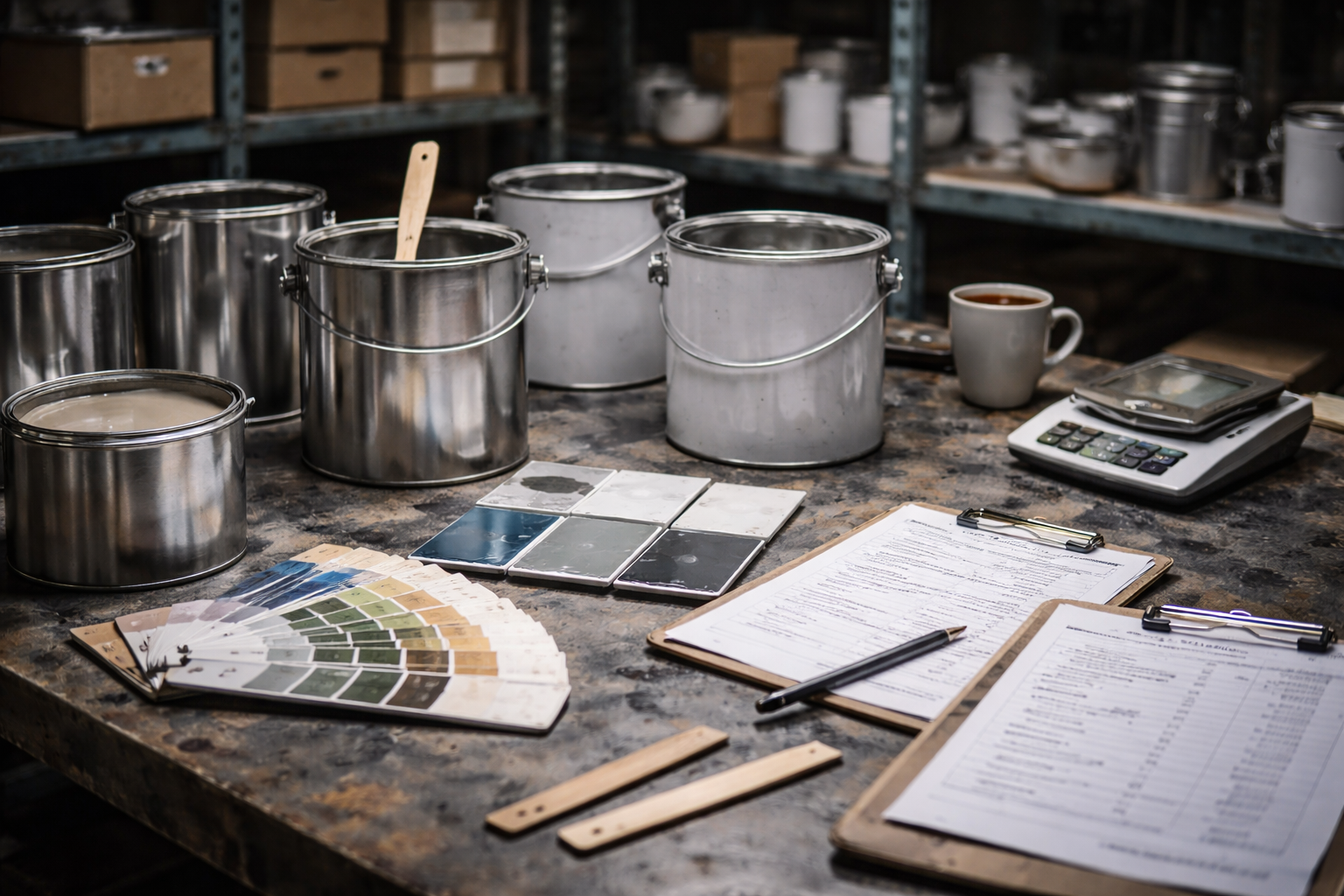
Le Centre d'aide et d'assistance technique regroupe des guides de préparation, des conseils d'application, des FAQ, des téléchargements de fiches de données de sécurité et de fiches techniques, ainsi que des recommandations de systèmes pour vous aider à choisir, appliquer et entretenir le bon revêtement en toute confiance.