Guides et publications
De produits
Catégories d'aide
Personnel serviable
Accès instantané aux méthodes expertes
Trouvez votre stratégie de nettoyage
Trouvez votre stratégie de nettoyage
La contamination de surface est la principale cause de défaillance des revêtements. Qu'il s'agisse de dégraisser un entrepôt à surface lisse, de stériliser un enduit extérieur ou d'éliminer des résidus d'adhésifs tenaces, la bonne préparation chimique est essentielle. Recherchez ci-dessous par substrat ou par contaminant pour trouver le protocole de nettoyage exact pour votre travail.
- 0 commentaire
- par Sam Marriott
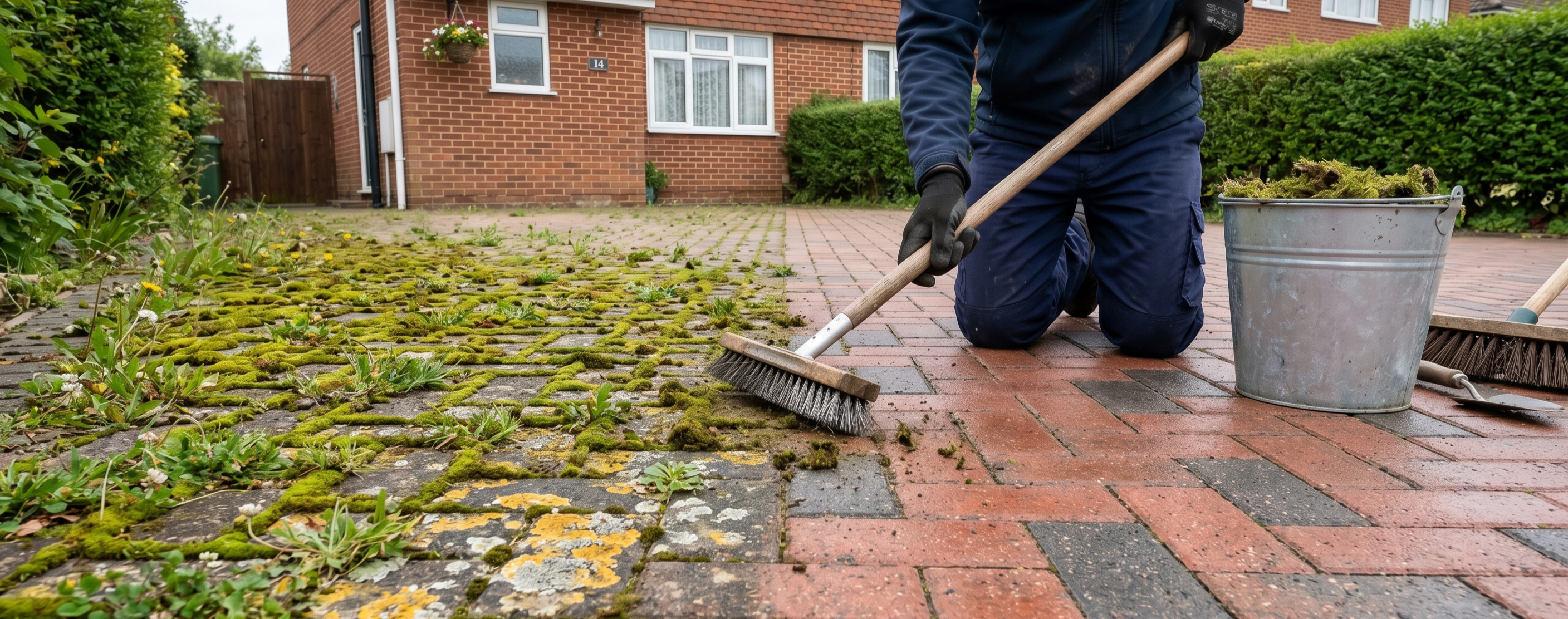
Restauration de pavés autobloquants : Élimination de la mousse, des mauvaises herbes et du lichen
- 0 commentaire
- par Sam Marriott
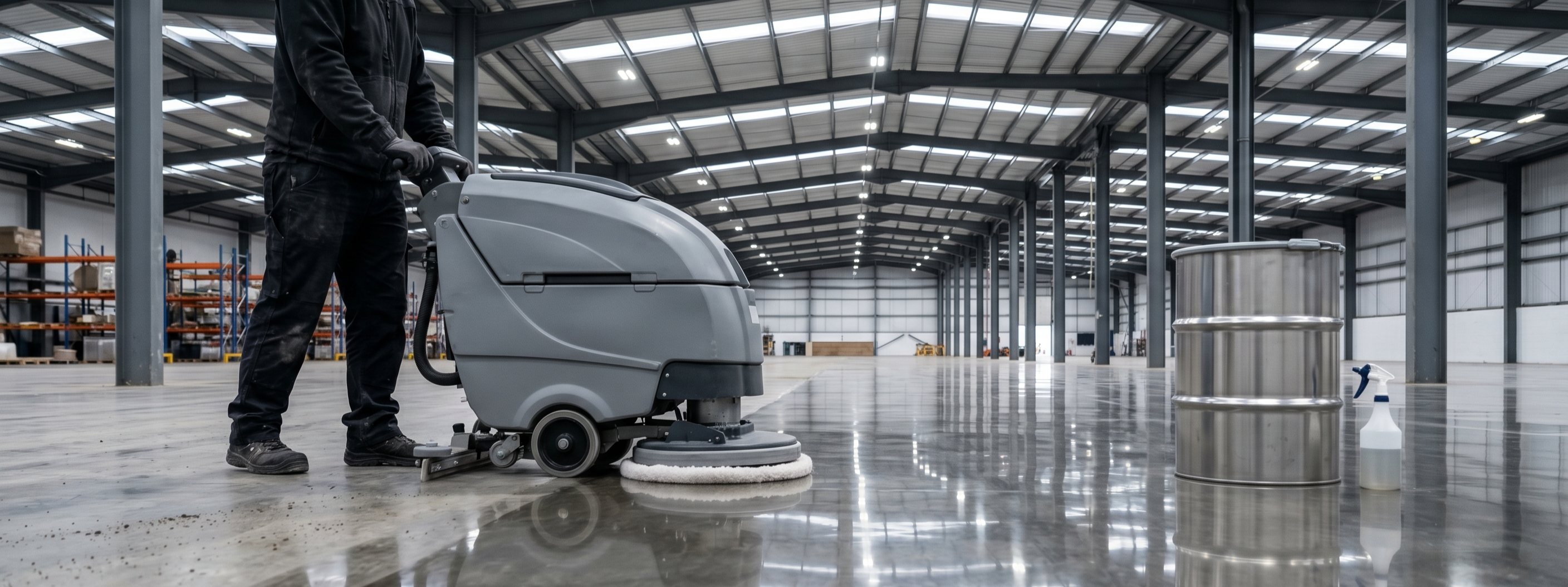
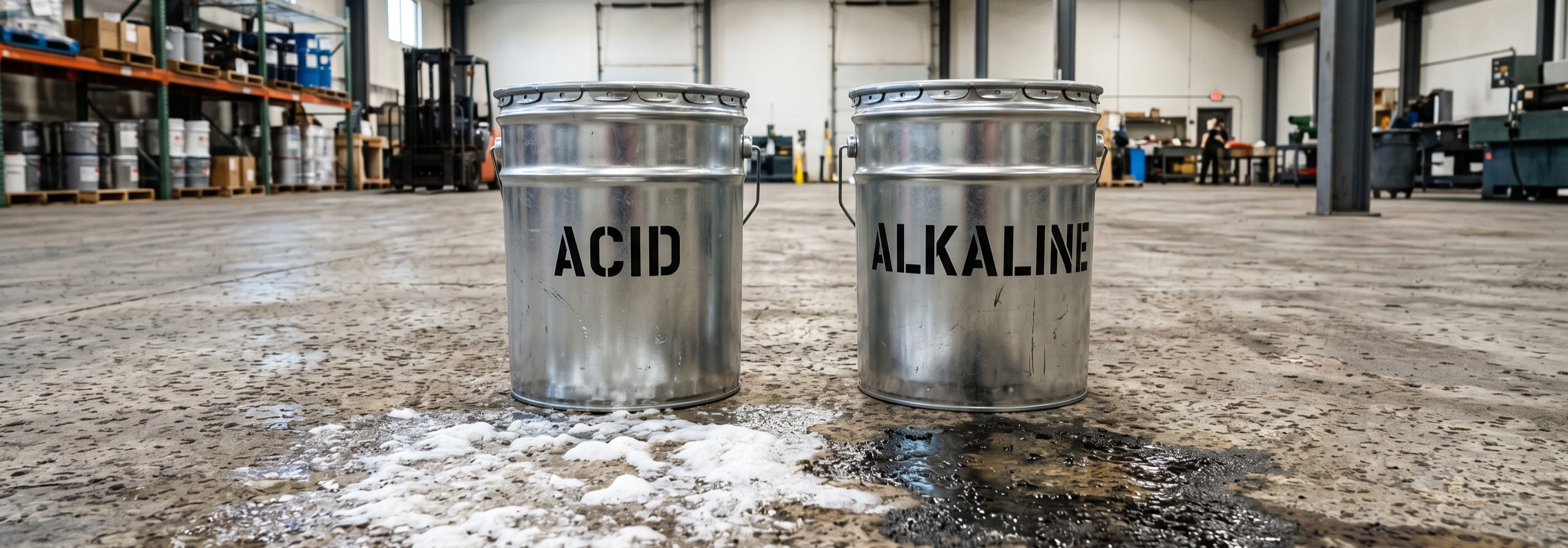
Nettoyer en profondeur le béton poli sans ternir sa brillance
- 0 commentaire
- par Sam Marriott
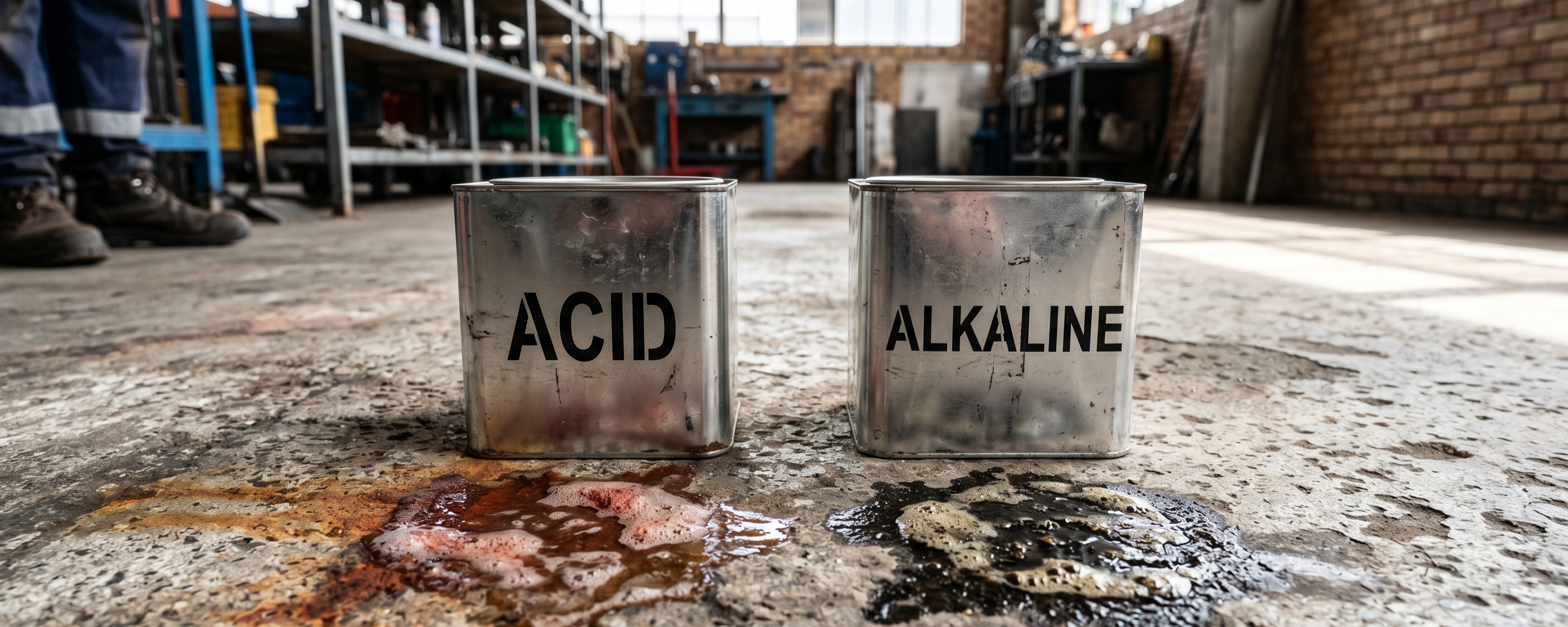
Nettoyants pour béton acides ou alcalins : Lequel est le meilleur pour votre sol ?
- 0 commentaire
- par Sam Marriott
Nettoyants pour béton acides ou alcalins : lesquels vous faut-il ?

- 0 commentaire
- par Sam Marriott
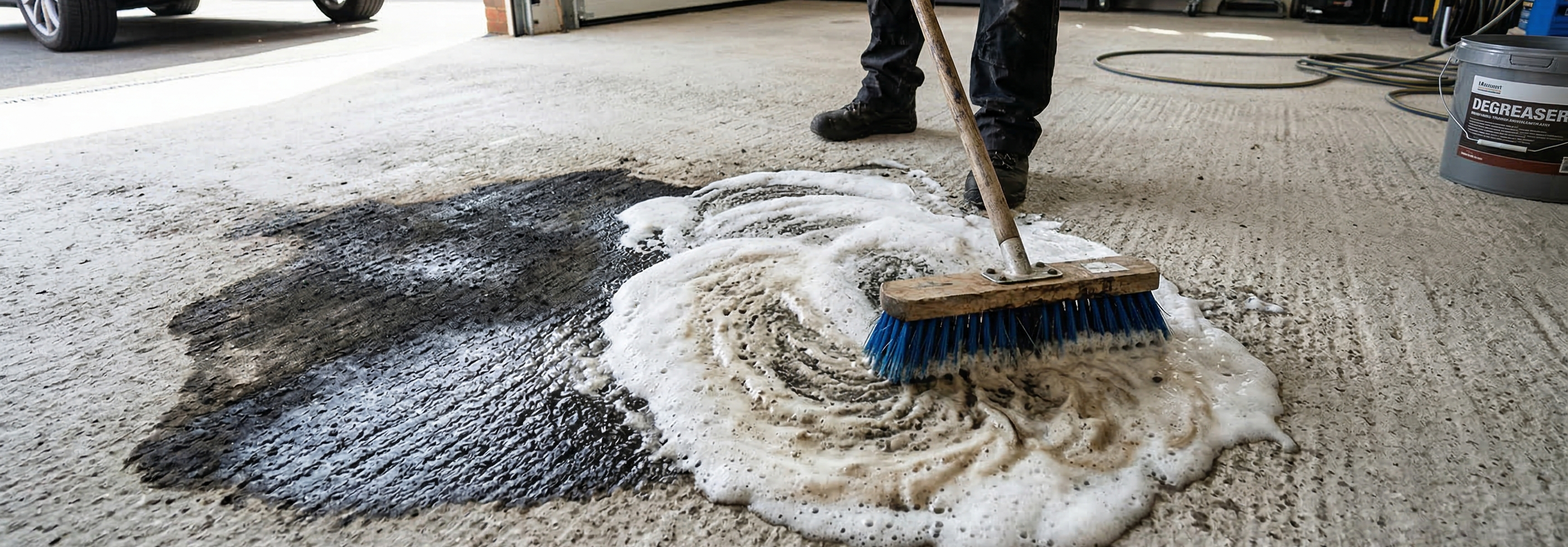
Nettoyage industriel des sols : Nettoyage manuel à la serpillière ou autolaveuses
- 0 commentaire
- par Sam Marriott
Dégraisser le béton : Comment enlever les taches d'huile avant de peindre
- 0 commentaire
- par Sam Marriott
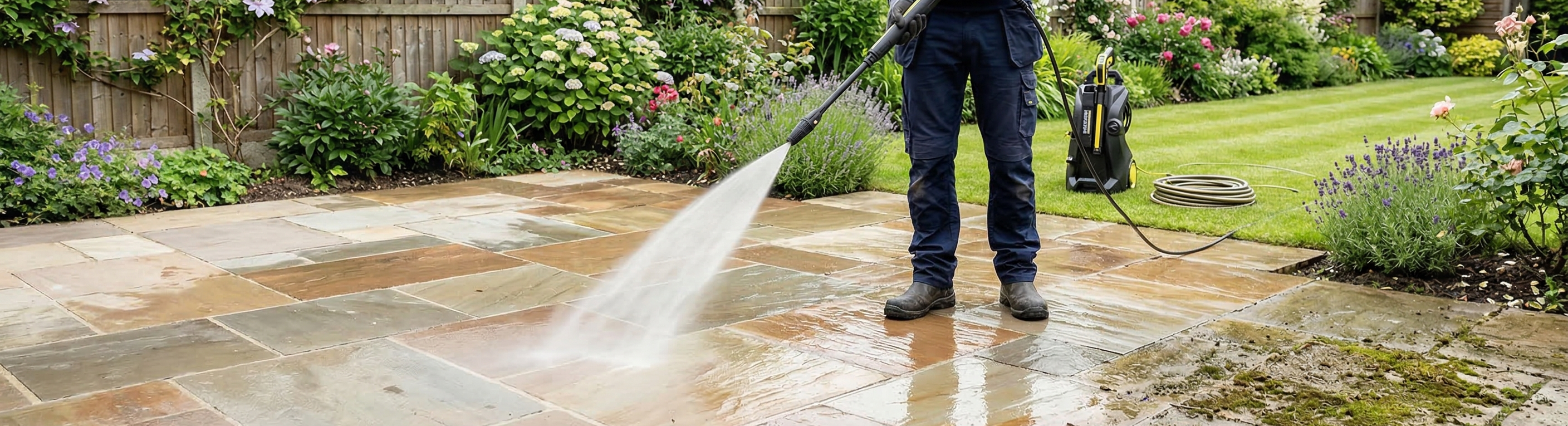
Lavage sous pression : choses à faire et à ne pas faire pour éviter d’endommager votre patio
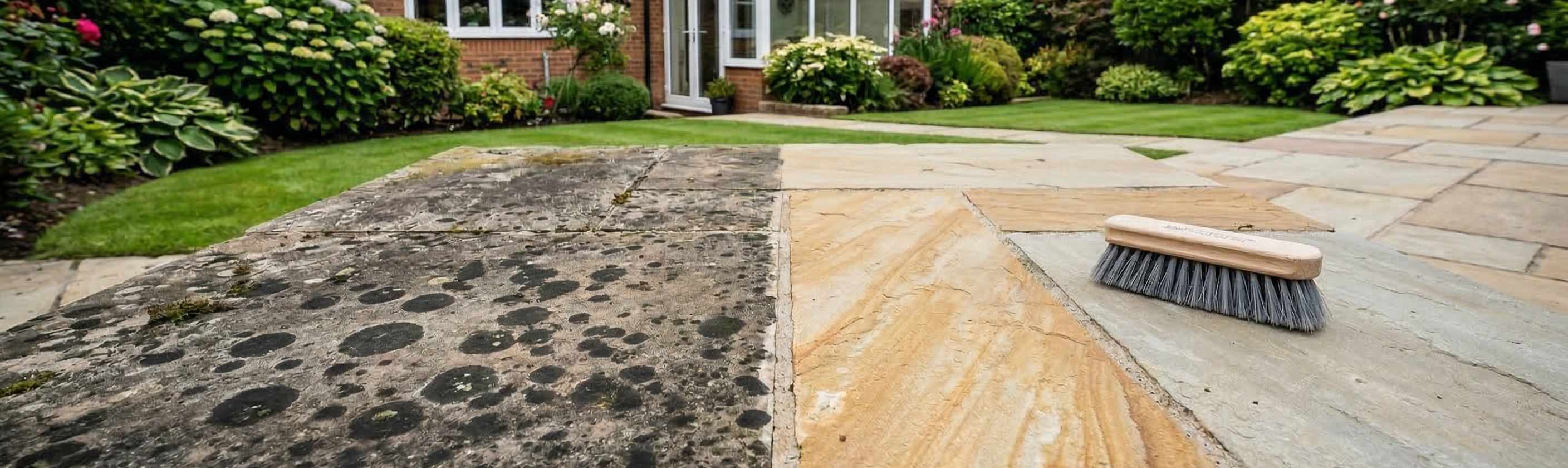
- 0 commentaire
- par Sam Marriott
Éliminer le lichen noir : pourquoi le lavage à pression ne suffit pas
- 0 commentaire
- par Sam Marriott
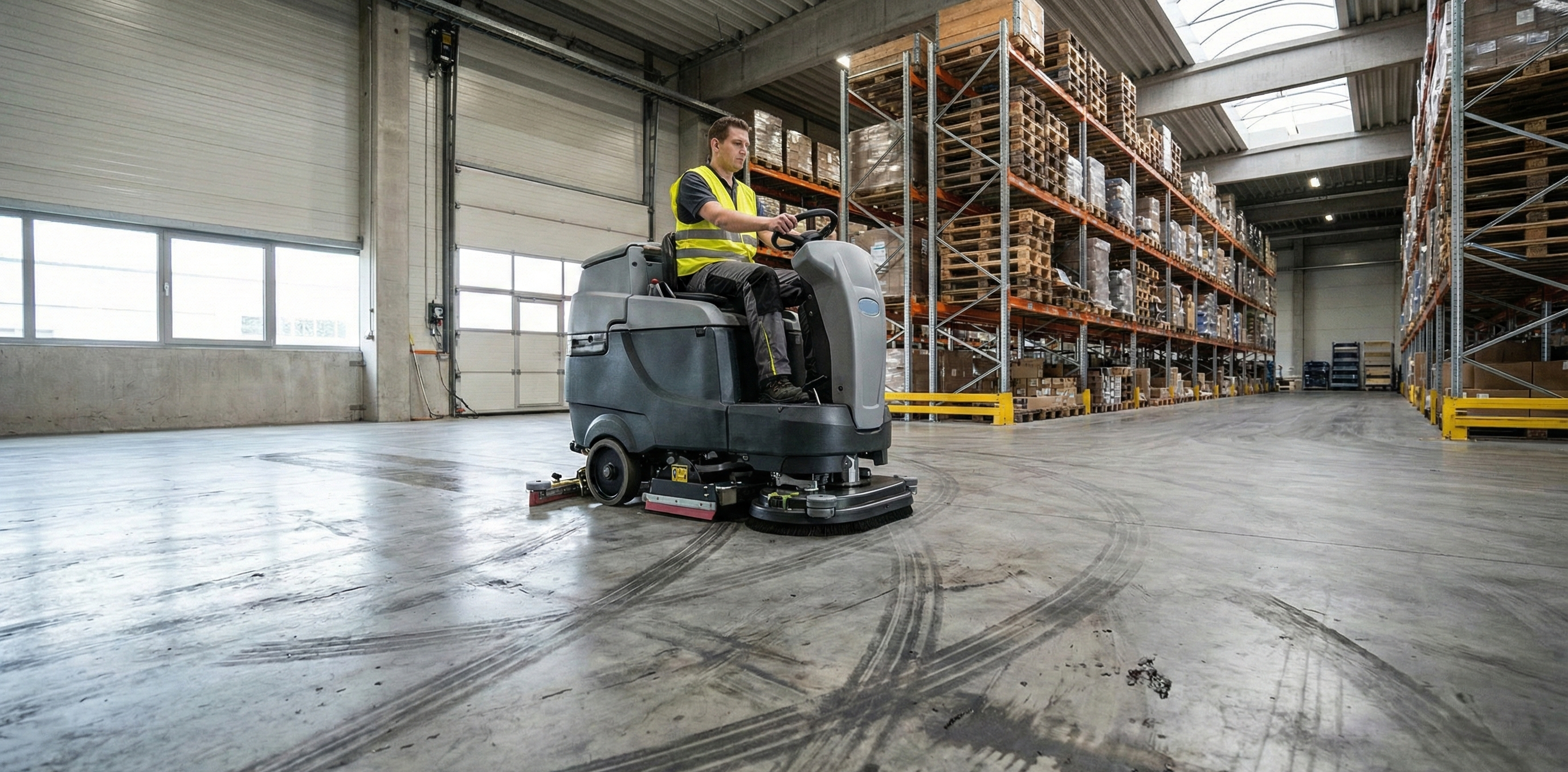
Éliminer la graisse tenace et les marques de pneus sur les sols d'entrepôts
No guides found matching your search.
Try a different keyword.
Dégraissage intensif
Nettoyage des sols intérieurs en béton
On ne peut pas peindre sur l'huile. Qu'il s'agisse d'un plancher d'usine ou d'un garage résidentiel, ces guides expliquent comment éliminer les taches tenaces et créer une surface chimiquement propre, prête à l'adhérence.
Restauration d'allées et de terrasses
Nettoyage d'allées, de terrasses et de pavés
N'endommagez pas votre revêtement avec un lavage à haute pression agressif. Apprenez à tuer en toute sécurité le lichen noir, à enlever les mauvaises herbes et à nettoyer l'asphalte sans dissoudre la surface.
Traiter les murs, les toits et les revêtements
Nettoyage des murs extérieurs et du toit
La croissance organique tue les revêtements. Découvrez comment utiliser des lavages fongicides pour éliminer les spores de mousse et d'algues sur l'enduit, la brique et les toitures avant d'appliquer une nouvelle couche.
Gardez votre sol impeccable
Entretien et soins post-traitement
Protégez votre investissement. Du choix du bon détergent pour autolaveuse aux techniques de nettoyage simples, voici comment nettoyer les sols en résine sans ternir leur éclat.
Aide rapide
Nettoyage et dégraissage – FAQ
Nettoyage général de dalles de béton
La majorité des défaillances de revêtement de sol, que ce soit dans un garage résidentiel ou un entrepôt industriel, sont dues à un nettoyage inadéquat. Le béton est poreux et se comporte comme une éponge, retenant des contaminants à base d'huile, de graisse et de silicone profondément incrustés qui agissent comme des « agents de rupture de liaison », empêchant les nouvelles résines d'adhérer. Cette section explique comment obtenir une surface chimiquement propre qui garantit le succès d'une adhérence à long terme, en allant au-delà de ce qui « semble propre » à l'œil nu.
Puis-je utiliser du liquide vaisselle (type Fairy) ou de l'eau de Javel pour dégraisser mon sol ?
Non, absolument pas. C'est l'une des principales causes d'échec de la peinture de sol. Les nettoyants ménagers contiennent des additifs comme de la lanoline, des parfums et des sels qui laissent une pellicule invisible et grasse sur le béton. Cette pellicule agit comme un « agent de rupture d'adhérence », empêchant votre nouveau revêtement de coller. Vous devez utiliser un dégraissant émulsifiant de qualité industrielle, conçu spécifiquement pour la préparation du béton.
Comment savoir si mon sol en béton est suffisamment propre pour être peint ?
Un sol peut paraître propre, mais être tout de même recouvert d'huile ou de silicone invisible. Vous devez effectuer le "Test de l'eau". Versez une petite quantité d'eau sur plusieurs zones du sol. Si l'eau perle et reste en surface (comme sur une voiture cirée), une contamination est toujours présente. Si l'eau s'étale immédiatement et assombrit le béton, la surface est chimiquement propre et prête pour la prochaine étape de préparation.
Comment puis-je enlever les taches d'huile profondes et anciennes qui ont imprégné le béton ?
Un rapide coup de brosse en surface ne suffira pas pour les taches incrustées. Vous devez utiliser la méthode du « temps de pause ». Appliquez généreusement un dégraissant industriel puissant sur la tache et laissez-le agir pendant 20 à 30 minutes – ne le laissez pas sécher. Continuez à le frotter avec une brosse rigide. Cela fait remonter l'huile incrustée en suspension, qui doit ensuite être aspirée à l'eau avant qu'elle ne sèche à nouveau et ne pénètre dans les pores. Les sols très contaminés peuvent nécessiter plusieurs traitements.
L'attaque à l'acide nettoie-t-elle le sol et dégraisse-t-elle ?
Non. La gravure à l'acide sert à enlever la « laitance » (pâte de ciment faible) et à créer une texture ; ce n'est pas un nettoyant. Si vous appliquez de l'acide sur un sol gras, vous emprisonnerez simplement la graisse dans le béton et neutraliserez l'acide avant qu'il ne puisse faire son travail. Vous devez toujours nettoyer et dégraisser soigneusement le sol avant toute gravure à l'acide.
Faut-il rincer le sol après avoir utilisé des nettoyants chimiques ?
Oui. Laisser des résidus de nettoyant séché sur le sol est tout aussi problématique que de laisser la saleté initiale. Les résidus peuvent réagir avec votre nouveau revêtement et provoquer un échec d'adhérence. Vous devez rincer le sol à l'eau claire jusqu'à ce que l'eau de ruissellement soit complètement claire et exempte de bulles de mousse. Un aspirateur eau et poussière est fortement recommandé pour éliminer efficacement l'eau de rinçage.
Murs extérieurs, bardages et toitures
Les surfaces extérieures sont soumises à des défis uniques, principalement liés à la croissance organique (mousses, algues et lichens) et aux intempéries. Un simple nettoyage de ces surfaces à haute pression est souvent insuffisant pour empêcher la repousse et peut endommager des substrats délicats comme l'enduit monocouche ou les tuiles. Une préparation extérieure efficace nécessite de stériliser la surface pour tuer les spores profondément enracinées et d'éliminer correctement les couches farineuses et oxydées des revêtements métalliques vieillis afin de garantir une bonne adhérence de votre nouvelle peinture de maçonnerie ou de votre nouveau revêtement protecteur.
Pourquoi les algues vertes et la mousse reviennent-elles si vite après avoir nettoyé mes murs au nettoyeur haute pression ?
Le nettoyage à pression élimine uniquement les salissures de surface visibles. Il laisse derrière lui des spores microscopiques profondément incrustées dans la texture de l'enduit ou de la maçonnerie. Si ces spores ne sont pas éliminées, la repousse sera rapide. Pour garantir des résultats à long terme, vous devez appliquer un nettoyant fongicide professionnel ou un traitement biocide après le nettoyage afin de stériliser la surface.
Comment préparer un vieux bardage métallique farinant (Plastisol) avant de le peindre ?
Les revêtements métalliques plus anciens subissent souvent une dégradation due aux UV, ce qui entraîne un « farinage »—un résidu blanc et poudreux à la surface. Si vous peignez par-dessus cette poudre, la peinture finira par s'écailler avec la poudre. Le revêtement doit être soigneusement frotté avec un détergent industriel ou un nettoyant pour revêtement jusqu'à ce qu'aucun résidu blanc ne s'enlève sur votre main lorsque vous le frottez à sec.
Est-il sûr d'utiliser des nettoyeurs haute pression sur des tuiles de toit ?
Nous déconseillons généralement le nettoyage à haute pression sur les toits en tuiles. Une pression élevée peut projeter de l'eau sous les tuiles, endommager le lit de mortier et enlever la surface granuleuse protectrice des tuiles en béton, réduisant ainsi leur durée de vie. La méthode la plus sûre consiste généralement à gratter manuellement la mousse épaisse, suivi d'un traitement biocide par « lavage doux ».
Comment nettoyer un enduit délicat (comme le K-Rend) sans endommager la finition ?
Le nettoyage agressif à haute pression peut endommager ou « décoller » la surface des enduits monocouches souples. Il est recommandé d'utiliser une technique de « nettoyage doux » (Soft Wash), qui consiste à appliquer des produits chimiques de nettoyage spécialisés à basse pression pour décomposer la saleté et la croissance organique, plutôt que de compter sur la force brute de la pression de l'eau.
Solvants, diluants et préparation chimique
Les solvants chimiques sont des outils de précision utilisés dans les dernières étapes de la préparation de surface, en particulier pour les substrats non poreux comme le métal, les plastiques rigides ou lors du recouvrement de systèmes existants. Ils sont essentiels pour un « essuyage au solvant » final afin d'éliminer les contaminants invisibles comme les huiles des doigts, l'humidité et la poussière immédiatement avant l'application. Cependant, l'utilisation d'un solvant incorrect peut être une erreur fatale ; les substituts huileux comme le White Spirit laissent des résidus qui empêchent activement les revêtements haute performance d'adhérer. Cette section couvre la sélection correcte et l'utilisation sûre des diluants industriels.
Qu'est-ce qu'un « chiffon imbibé de solvant » et pourquoi est-il nécessaire ?
Un nettoyage au solvant est la dernière étape de préparation immédiatement avant l'application d'un revêtement sur des surfaces non poreuses comme le métal, certains plastiques durs ou l'époxy existant. Cela implique d'essuyer la surface avec un chiffon propre et non pelucheux imbibé d'un solvant comme le xylène. Cela élimine l'humidité invisible, la poussière de surface et les huiles naturelles des empreintes digitales qui se déposent juste avant l'application, assurant une liaison chimique parfaite.
Puis-je utiliser du White Spirit comme lingette de préparation finale à la place du xylène ou des diluants ?
Non. Le White Spirit est un distillat de pétrole gras et à séchage lent. S'il est utilisé comme lingette finale, il laissera un résidu graisseux qui empêchera les revêtements haute performance à 2 composants de s'adhérer correctement. Utilisez toujours du xylène vierge ou des diluants cellulosiques standard, car ils s'évaporent complètement sans laisser de résidu.
Des solvants puissants comme le xylène endommageront-ils mes fenêtres ou gouttières en PVC ?
Oui. Les solvants industriels puissants peuvent attaquer, faire fondre ou ternir de nombreux types de plastiques, y compris le PVC non plastifié et le Perspex. Lorsque vous utilisez des solvants pour nettoyer le bardage ou les sols à proximité, vous devez soigneusement masquer et protéger tous les accessoires en plastique, les gouttières ou les cadres de fenêtre afin d'éviter des dommages irréversibles.
Puis-je utiliser du « Gun Wash » ou des diluants recyclés pour nettoyer le sol ?
Non. Le « diluant de nettoyage » (Gun Wash) bon marché est un solvant sale et recyclé, destiné uniquement au nettoyage des pistolets de pulvérisation et des outils après utilisation. Il contient souvent des contaminants, de l'huile et des résidus de peinture dissous provenant d'utilisations précédentes. L'utilisation de ce produit sur votre sol ou votre mur introduira de nouveaux contaminants et gâchera votre finition. N'utilisez que des solvants vierges (frais) pour la préparation de surface.
Le Centre d'aide et technique
Nos revêtements sont non seulement performants, mais ils sont également accompagnés d’une documentation claire, de guides pratiques et d’un véritable soutien technique.
Le Centre d’aide et technique regroupe des guides de préparation, des conseils d’application, une foire aux questions, des fiches de données de sécurité et des fiches techniques, ainsi que des recommandations sur les systèmes, afin de vous aider à choisir, à appliquer et à entretenir le bon revêtement en toute confiance.