
System Overview
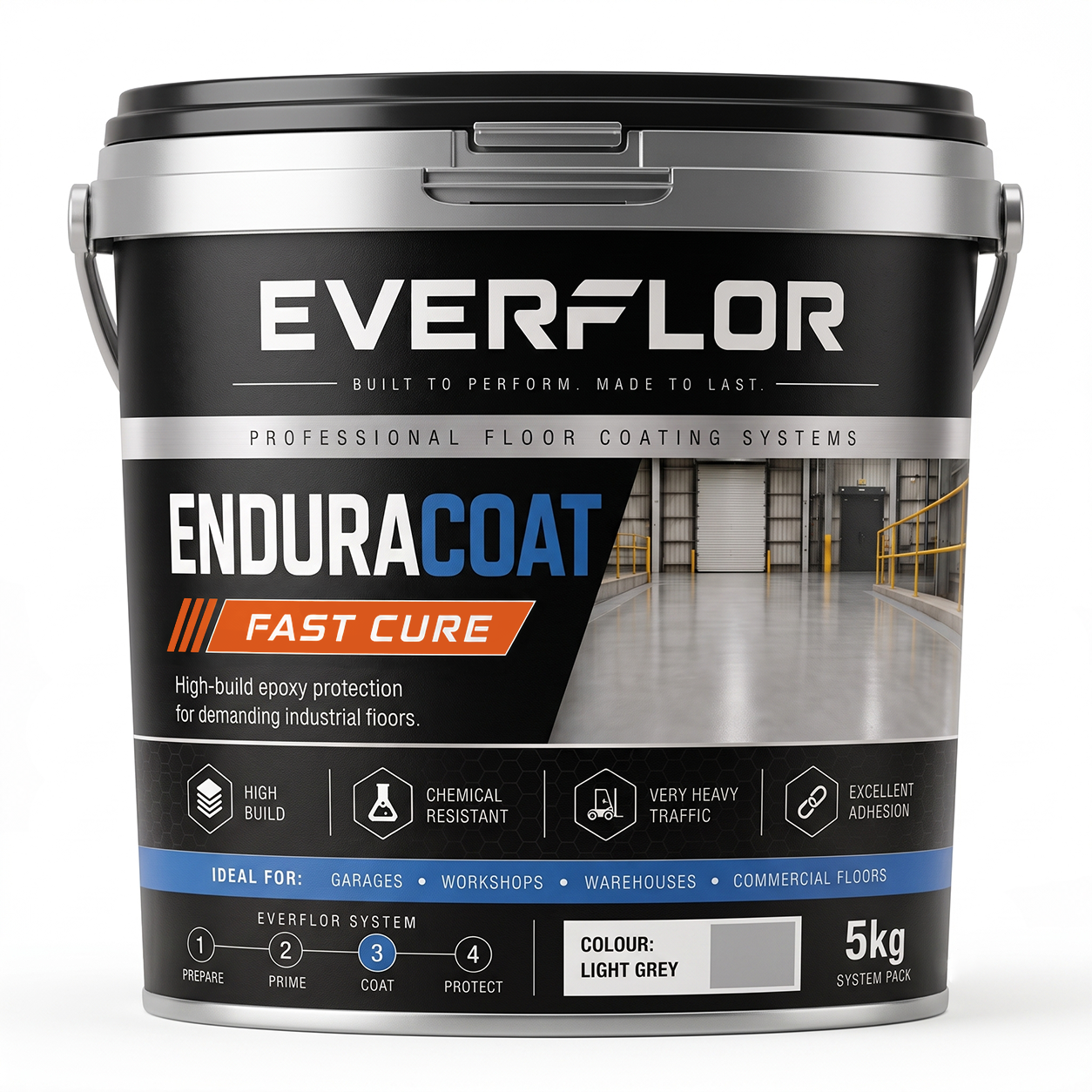
For concrete floors and sand and cement screeds requiring minimal downtime, rapid cure coatings must deliver early return-to-service without compromising durability. Fast drying floor paints for concrete floors are specified where refurbishment must take place within restricted shutdown windows or phased operational programmes.
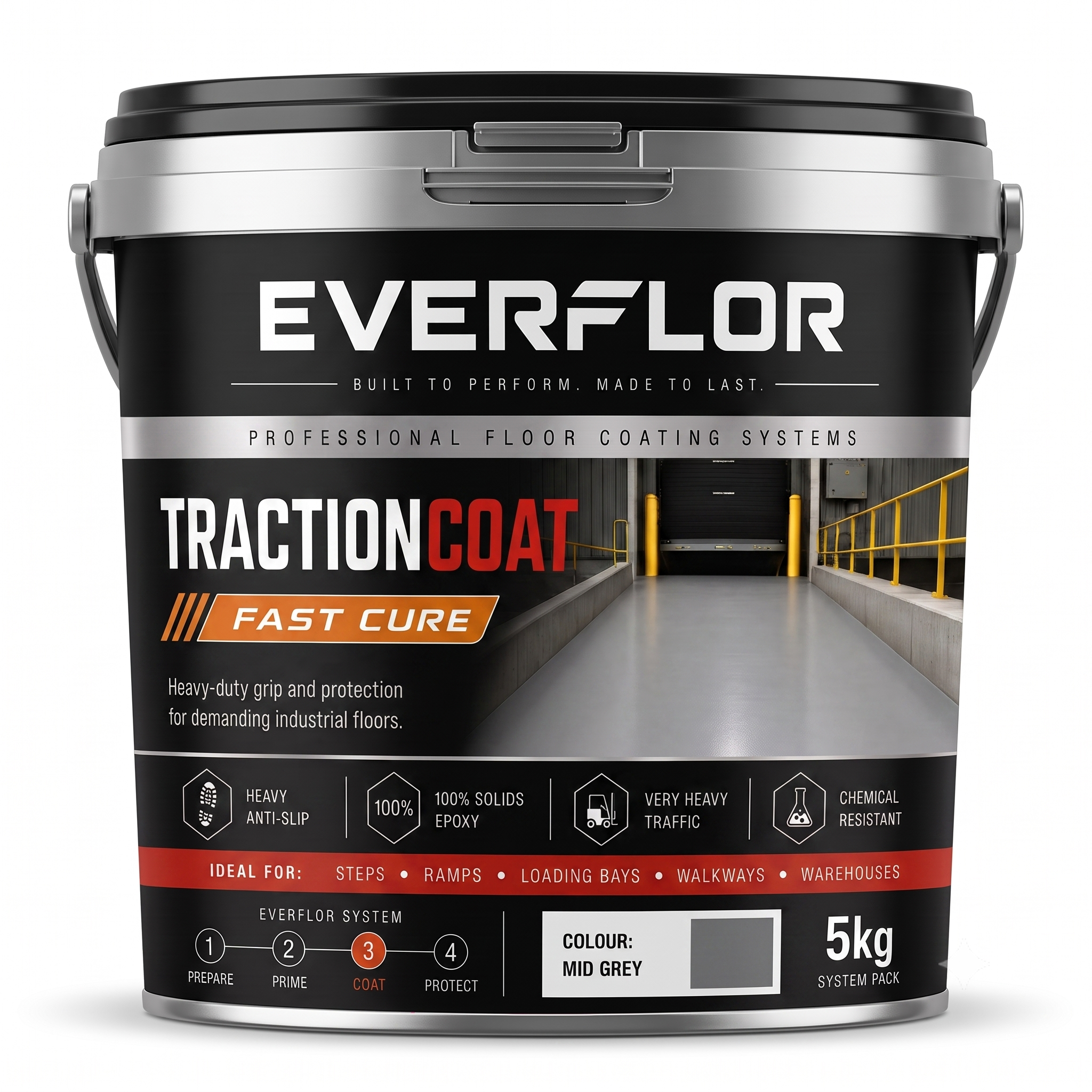
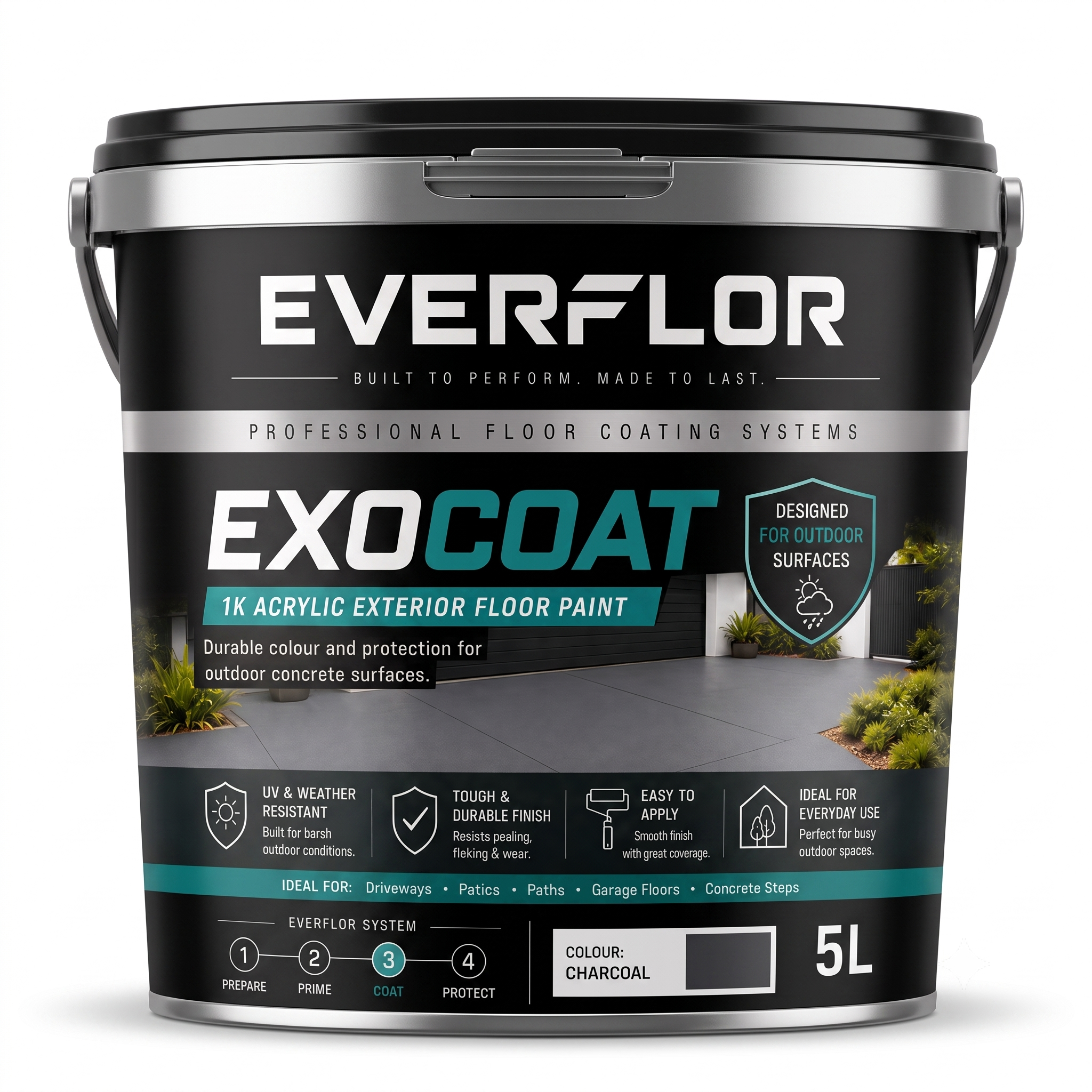
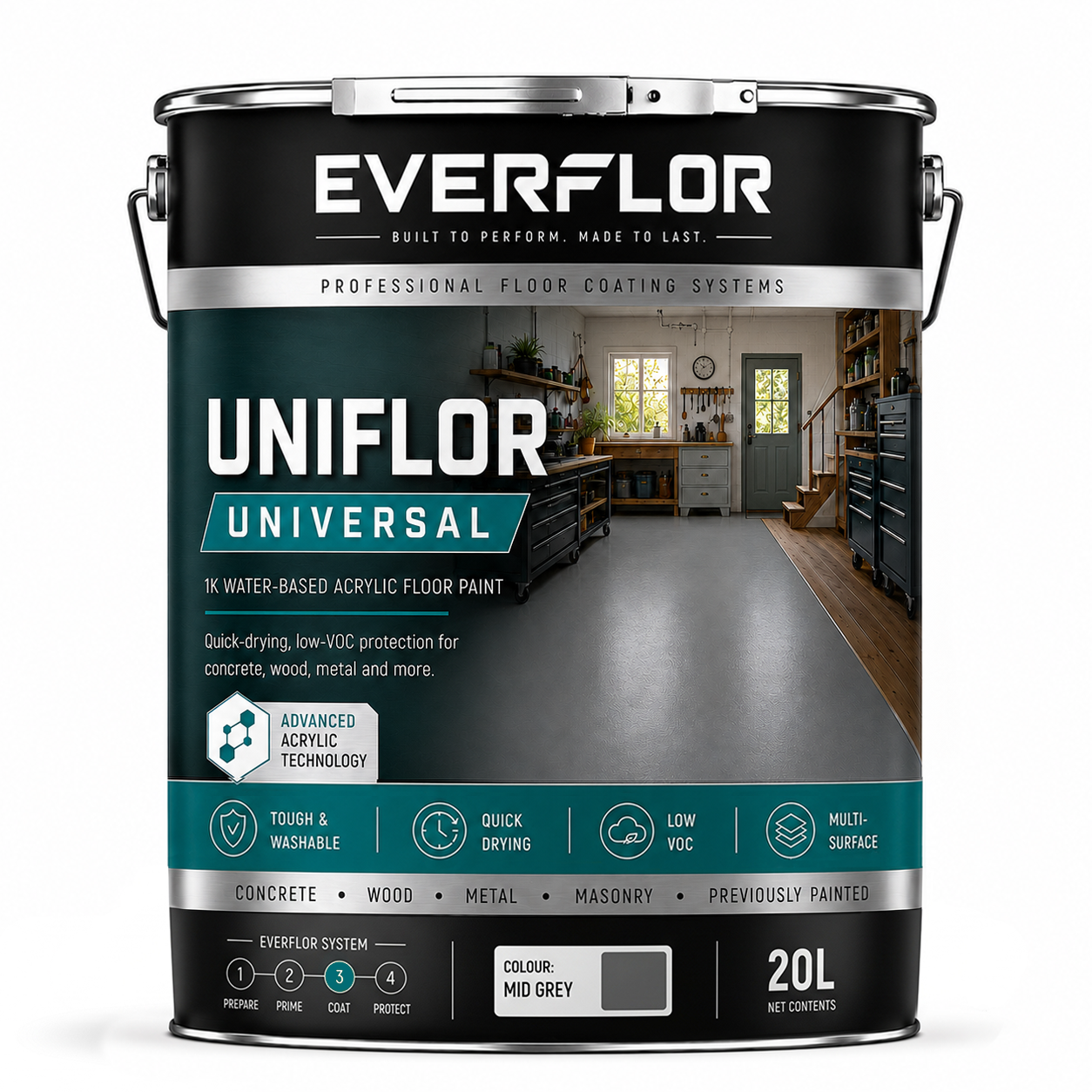
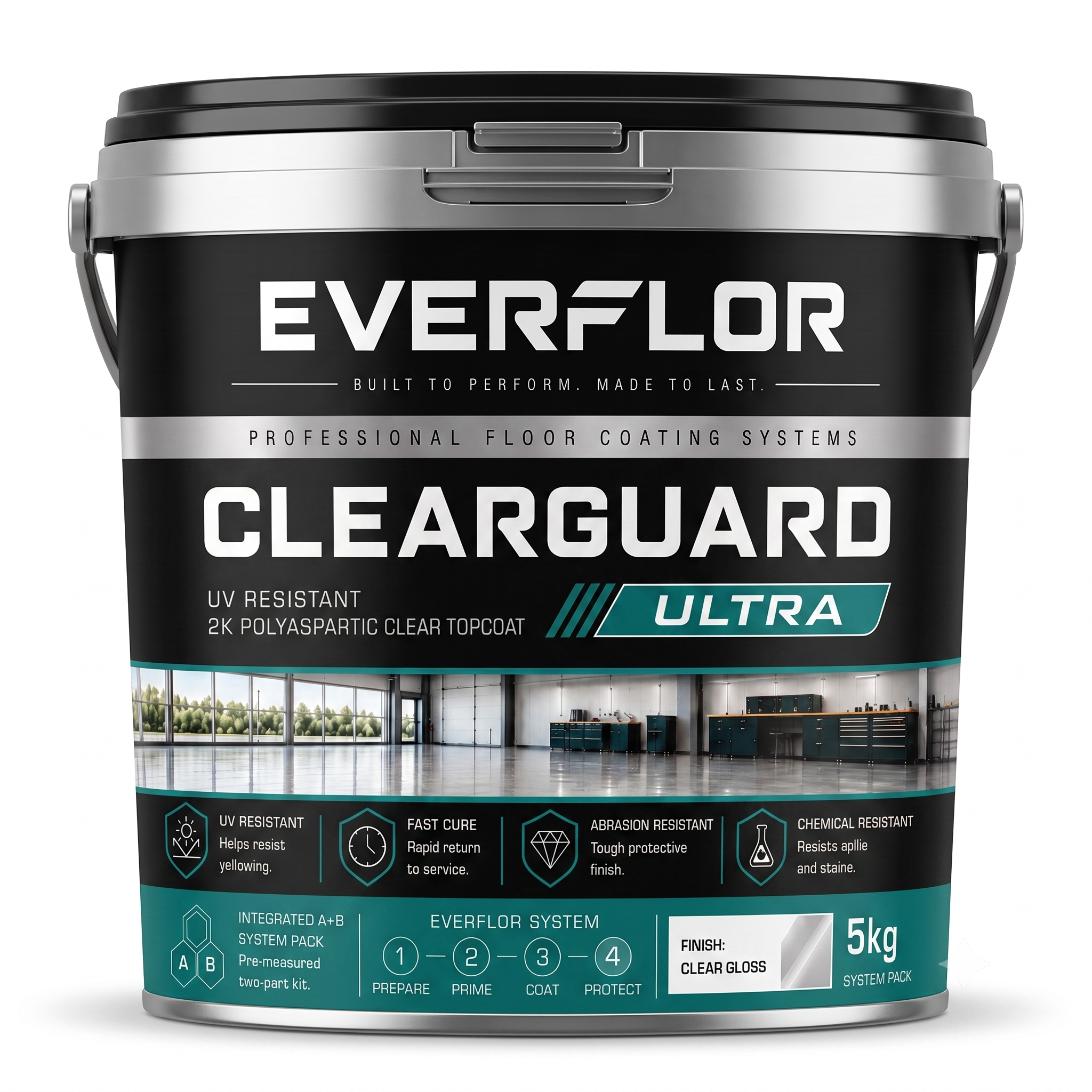
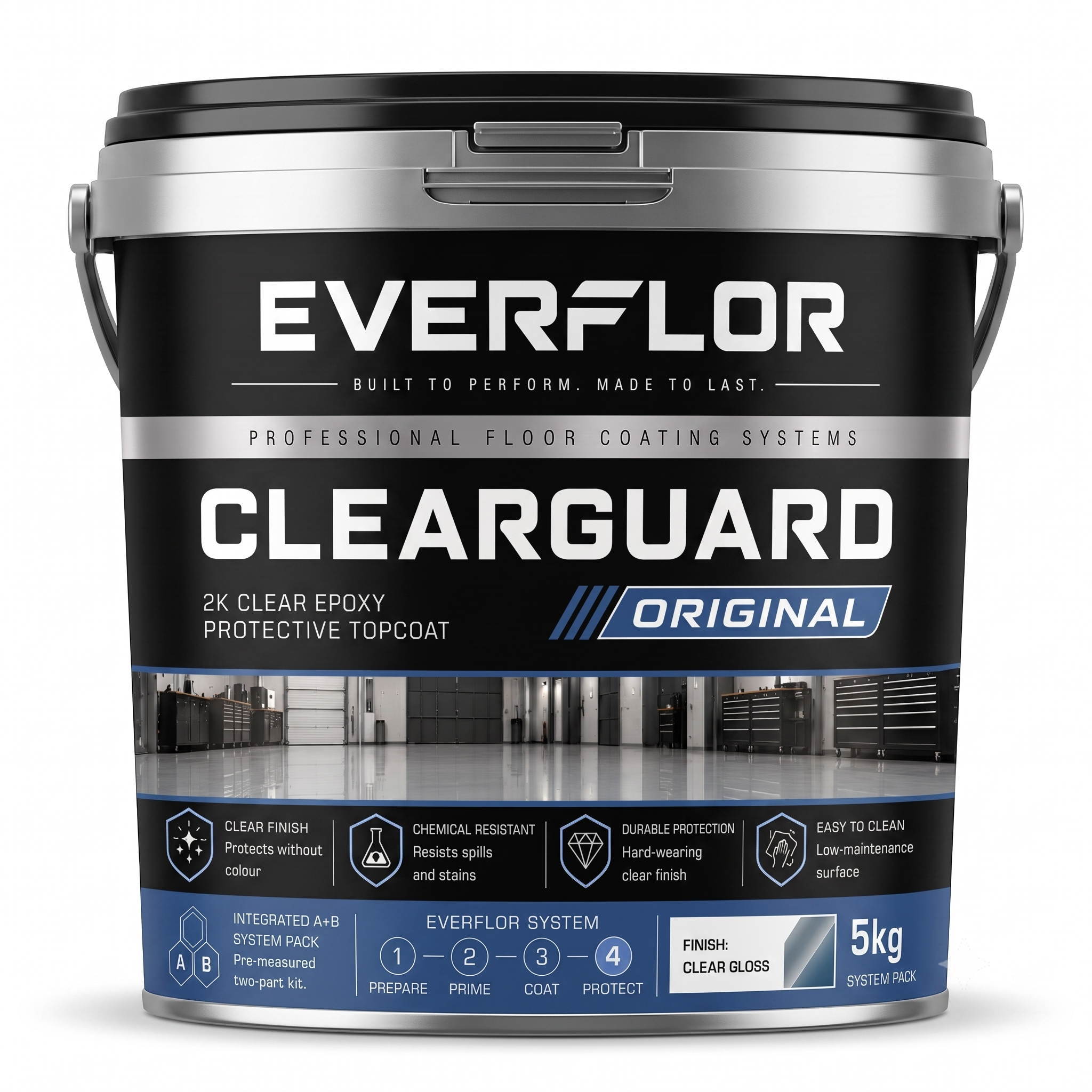
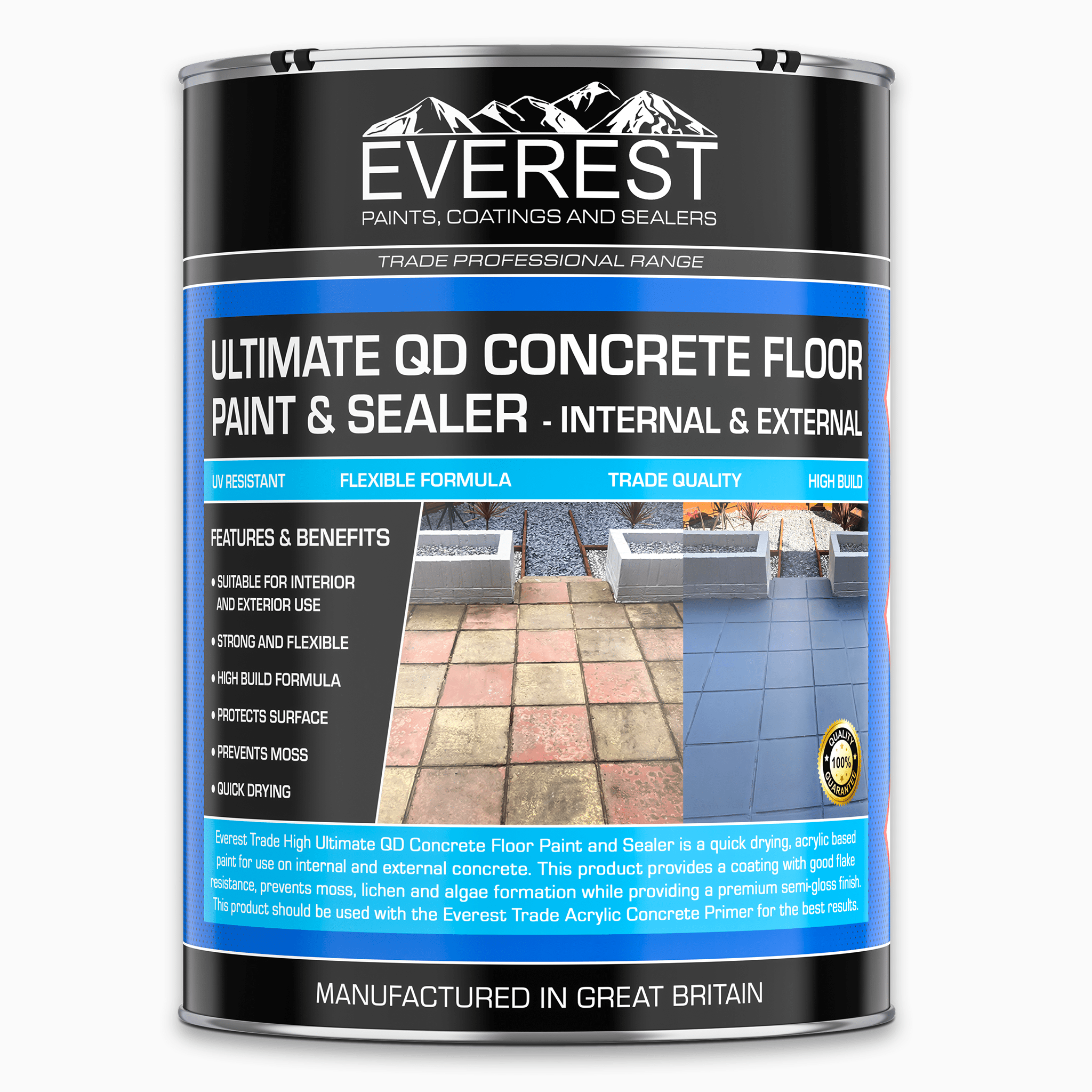
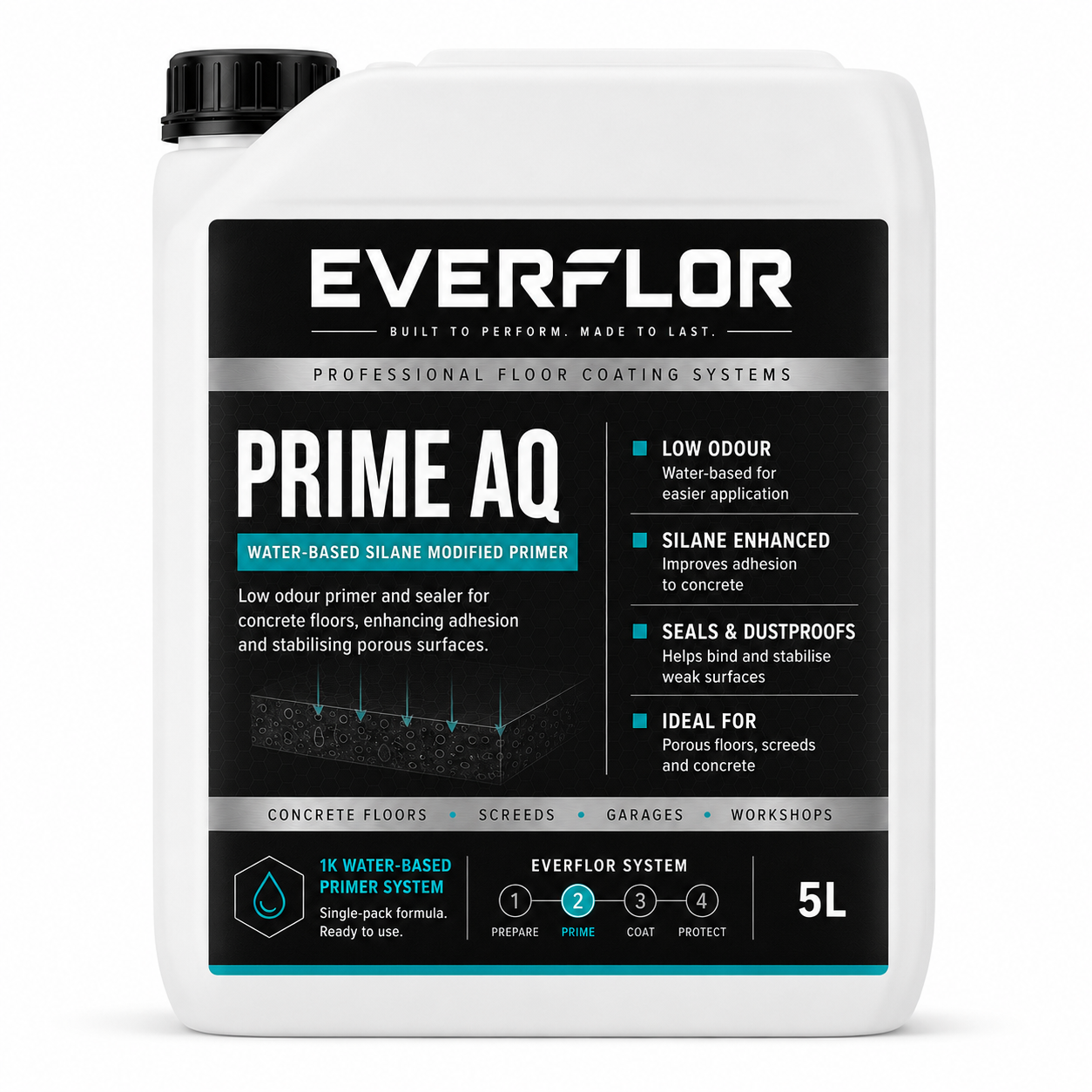
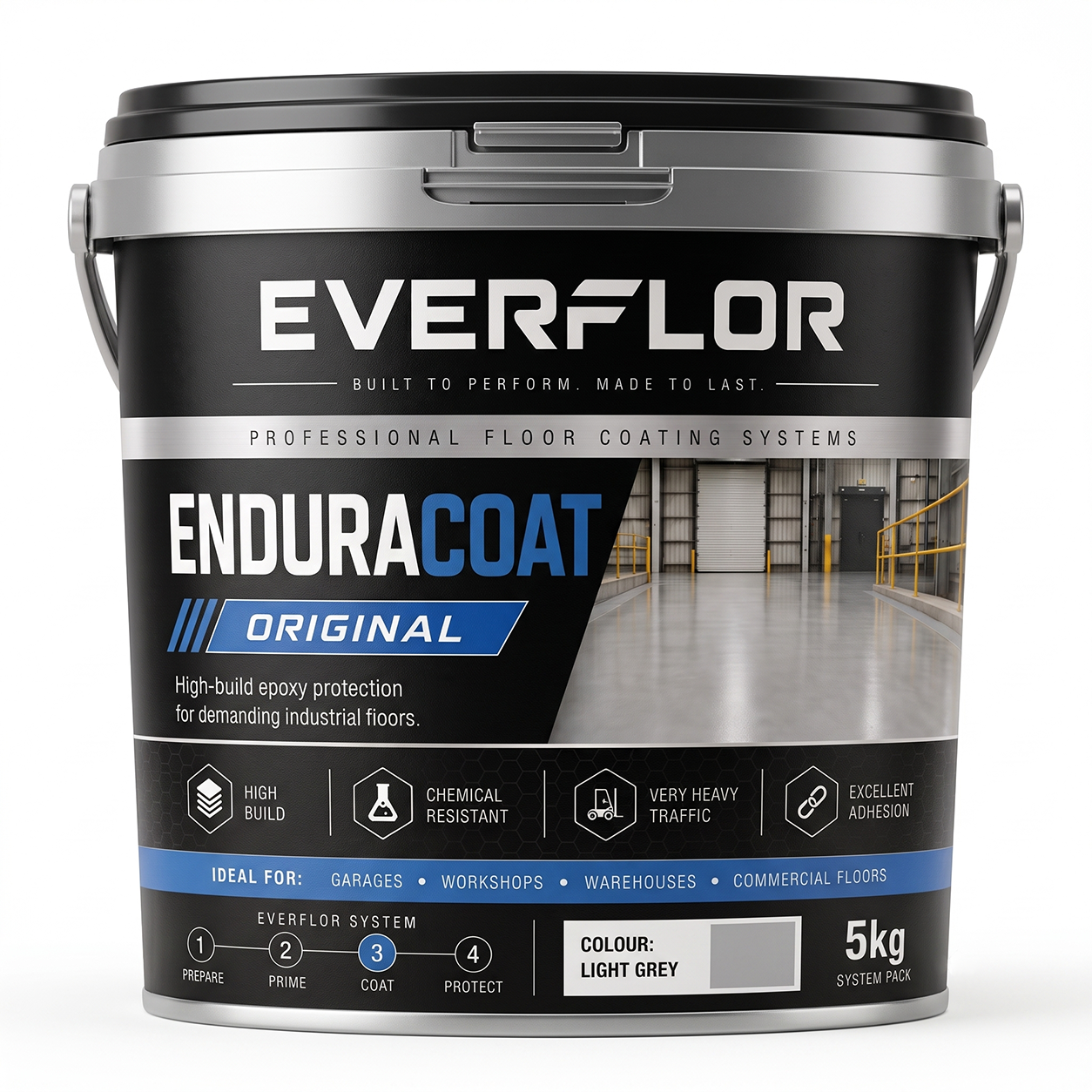
The EVEREST Everflor range in this collection includes epoxy, acrylic, polyaspartic and chlorinated rubber technologies formulated for accelerated drying and curing. These systems are used across warehouses, retail units, workshops and service yards where speed of installation is a primary project driver.
Acrylic and chlorinated rubber coatings provide quick surface drying and UV stable performance for lighter duty applications. Fast cure epoxy and polyaspartic systems offer enhanced abrasion and chemical resistance with significantly reduced cure times compared to conventional two pack materials.
Suitable Substrates & Surface Preparation
Concrete substrates must be structurally sound, dry and free from laitance, oil and surface contamination. Mechanical preparation such as grinding or shot blasting is recommended to ensure reliable adhesion, particularly for fast cure epoxy and polyaspartic systems which rely on strong mechanical bonding.
Moisture condition is critical. Rapid cure coatings are not tolerant of rising damp or saturated slabs without appropriate priming or damp proof membrane installation. Moisture testing should be conducted prior to specification of impermeable systems.
Sand and cement screeds must be fully cured and firmly bonded. Weak or friable screeds require repair before coating.
Previously painted floors may be overcoated where existing coatings are well adhered and compatible. Abrasion to create a mechanical key and thorough cleaning are essential. Failing coatings must be removed to avoid premature breakdown.
Because working times are often reduced with fast cure materials, preparation must be completed in advance to avoid delays once mixing begins.
Performance Characteristics & Limitations
Fast drying acrylic and chlorinated rubber systems provide rapid surface dry times suitable for foot traffic within short intervals. They are appropriate for light to medium duty environments and external areas where UV stability is required.
Fast cure epoxy systems deliver improved abrasion resistance and chemical tolerance compared with single pack alternatives, while offering reduced return-to-service periods. Accurate mixing ratios and adherence to pot life are essential to achieve full performance.
Polyaspartic coatings provide very rapid cure profiles and can achieve early trafficking under controlled conditions. They offer strong abrasion resistance and good chemical performance, making them suitable for heavier duty internal environments. However, rapid cure significantly reduces working time and demands controlled installation practices.
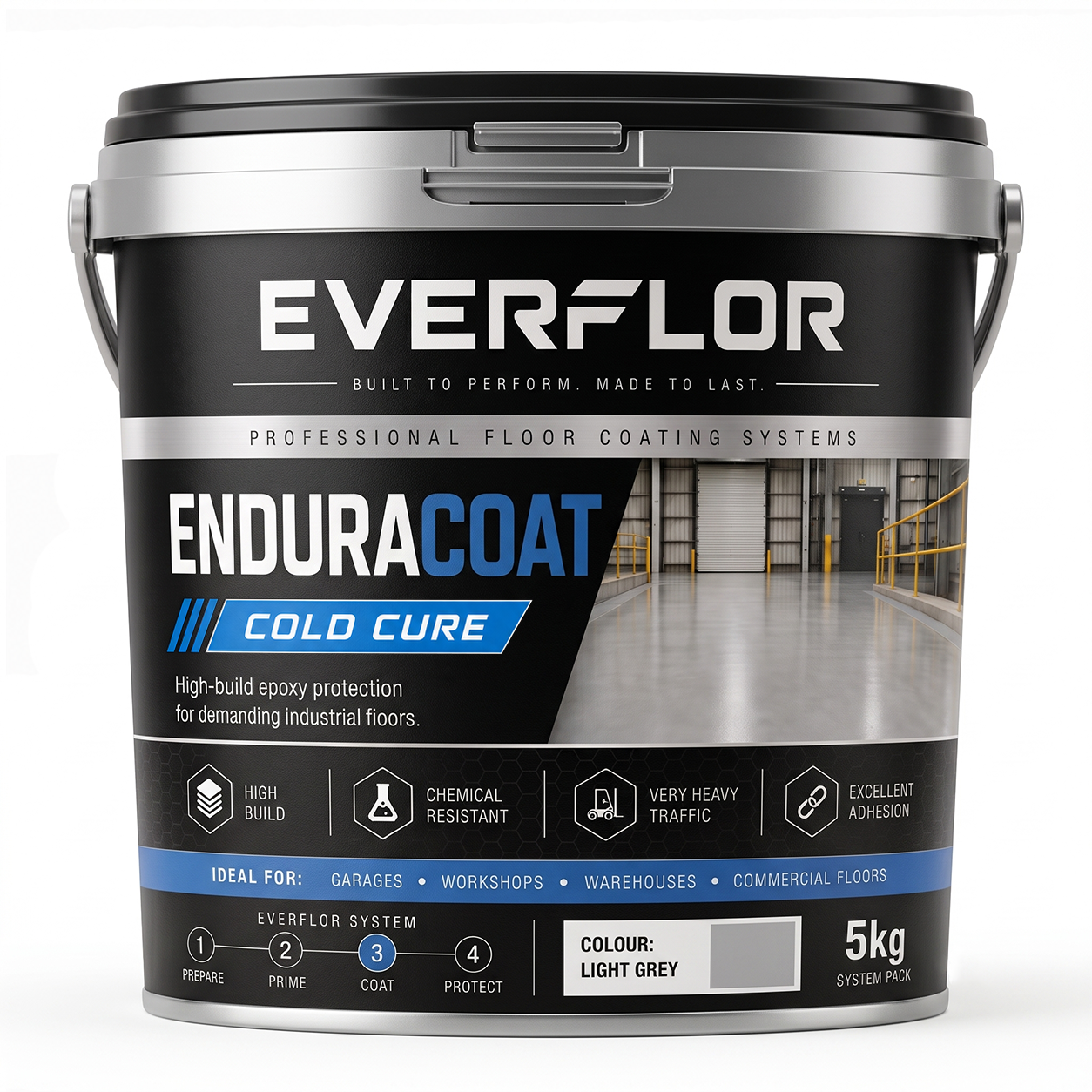
Accelerated cure times may increase sensitivity to substrate temperature and environmental conditions. Low temperatures can extend cure beyond expected windows, while high temperatures may further shorten working time.
These systems are not suitable for poorly prepared or moisture-affected substrates. Speed of cure does not compensate for inadequate preparation.
Internal vs External Considerations
Internally, rapid cure systems support phased works in operational facilities, allowing sections to be returned to service quickly. Ventilation and temperature control remain important, particularly for two pack epoxy and polyaspartic materials.
Externally, UV stability is a key consideration. Acrylic and chlorinated rubber systems are generally preferred for long-term colour retention outdoors. Polyaspartic systems may also be suitable externally where rapid installation is required, provided environmental conditions are stable during application.
Weather forecasting is important for external works, as rainfall during early cure stages can affect surface finish and performance.
Selection Guidance & When to Specify Alternatives
Fast cure floor paints in this collection are appropriate where downtime reduction is the primary specification driver across light to heavy duty environments.
For light duty refurbishment with rapid foot traffic return, acrylic or chlorinated rubber systems provide practical solutions. As traffic intensity and chemical exposure increase, fast cure epoxy systems offer improved durability.
In heavy traffic areas requiring accelerated installation and high abrasion resistance, polyaspartic systems provide a higher performance option within shortened programme timelines.
Where extended working time, thicker build or complex detailing is required, standard cure epoxy systems may offer greater installation control.
System selection should balance cure speed, traffic demand, substrate condition and environmental control to ensure performance is not compromised in pursuit of programme efficiency.