- Black (RAL 9005)
- Dark Grey (RAL 7016)
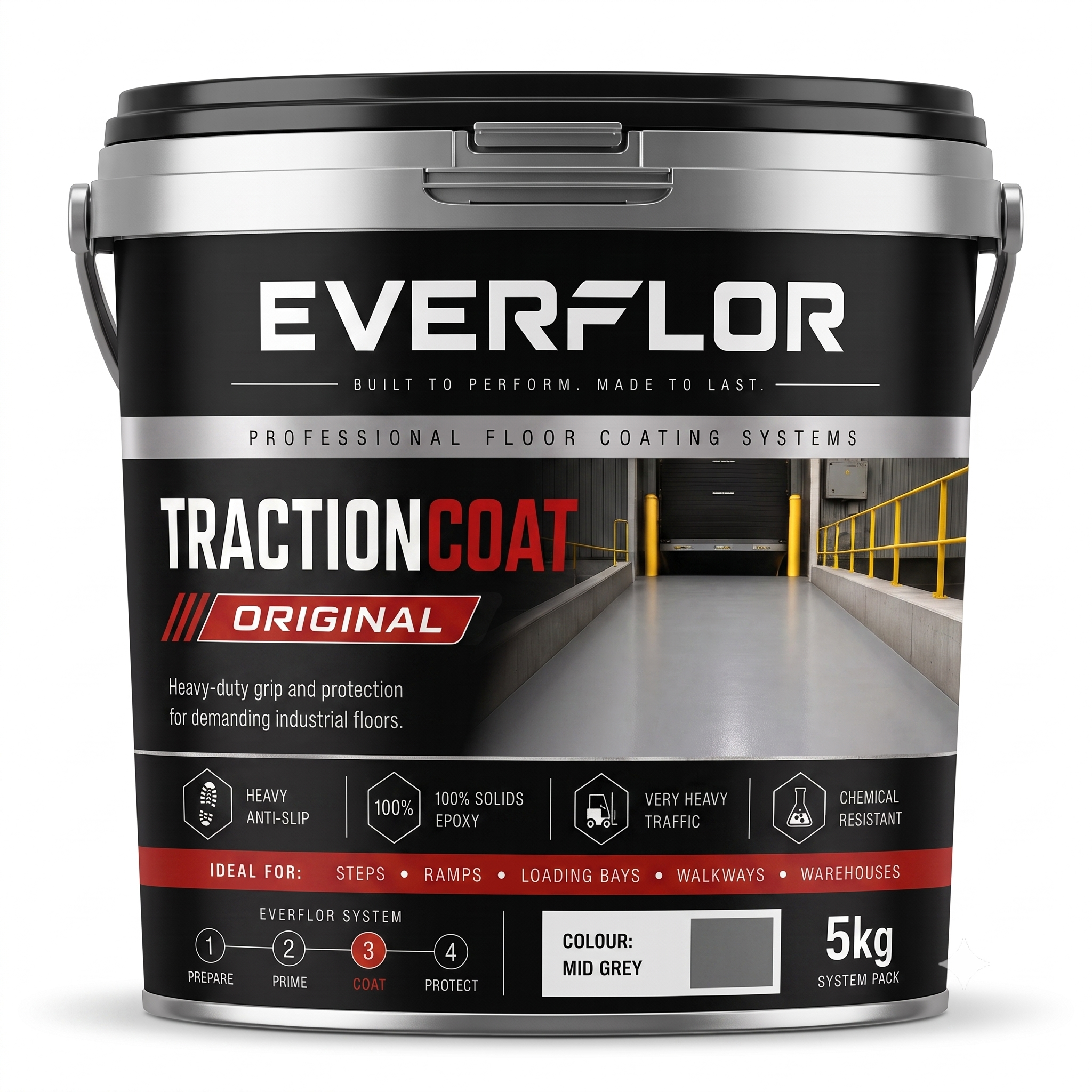
- Mid Grey (RAL 7001)
- Light Grey (RAL 7035)
- Signal White (RAL 9003)
Added Traction Grip

Solvent free, no shrinkage
220 Microns Per Coat

Indoor & Outdoor Use
Full Cure in 16 Hours
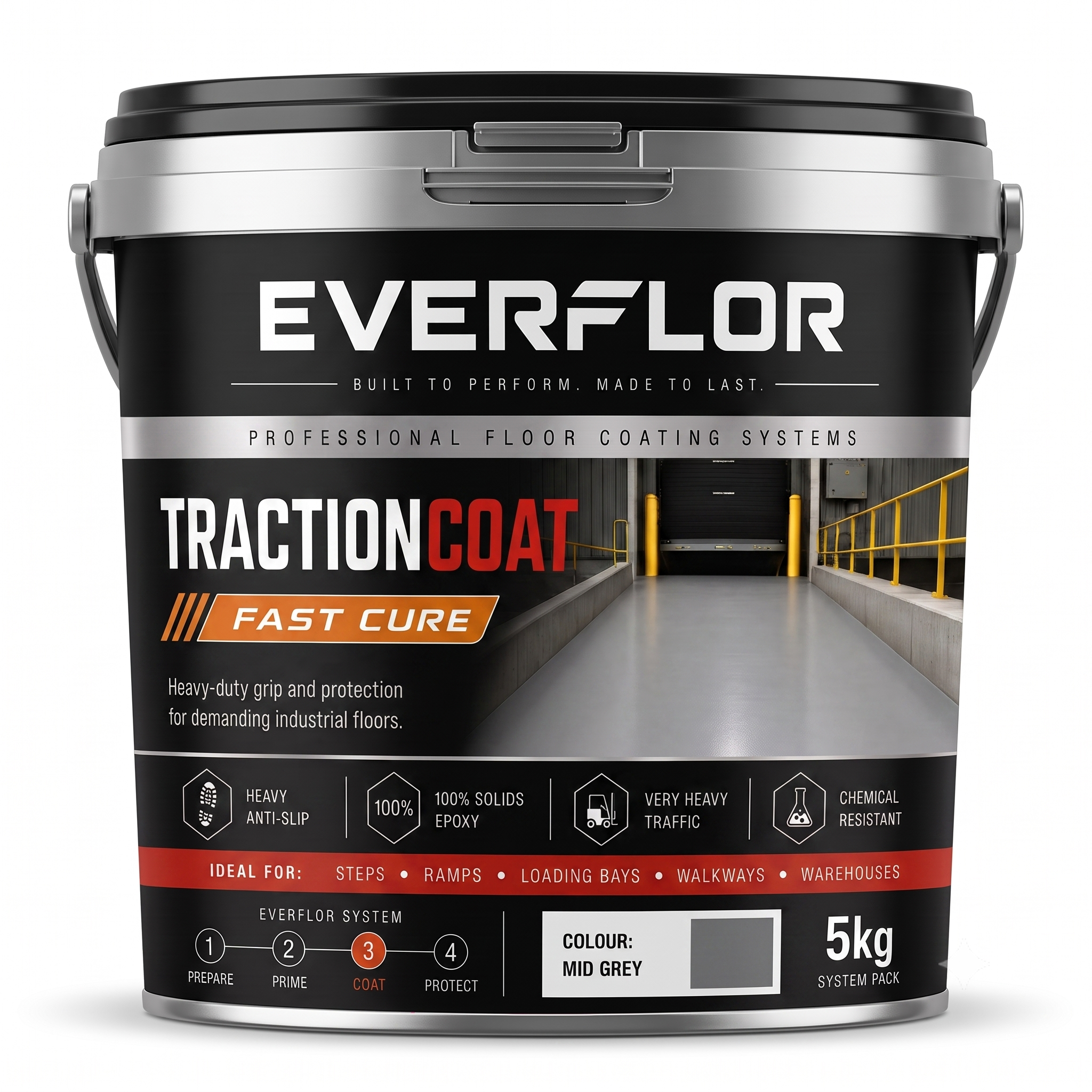
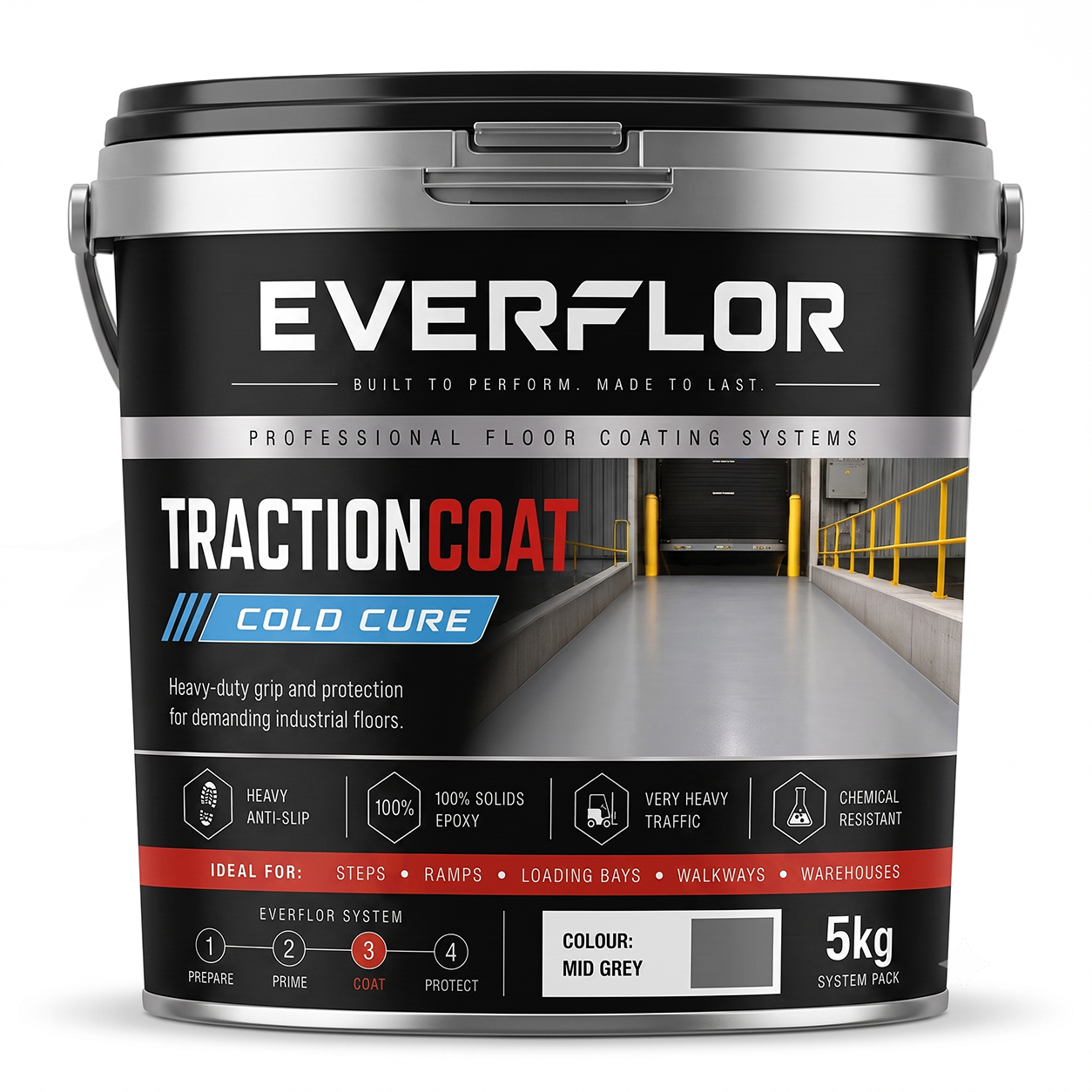
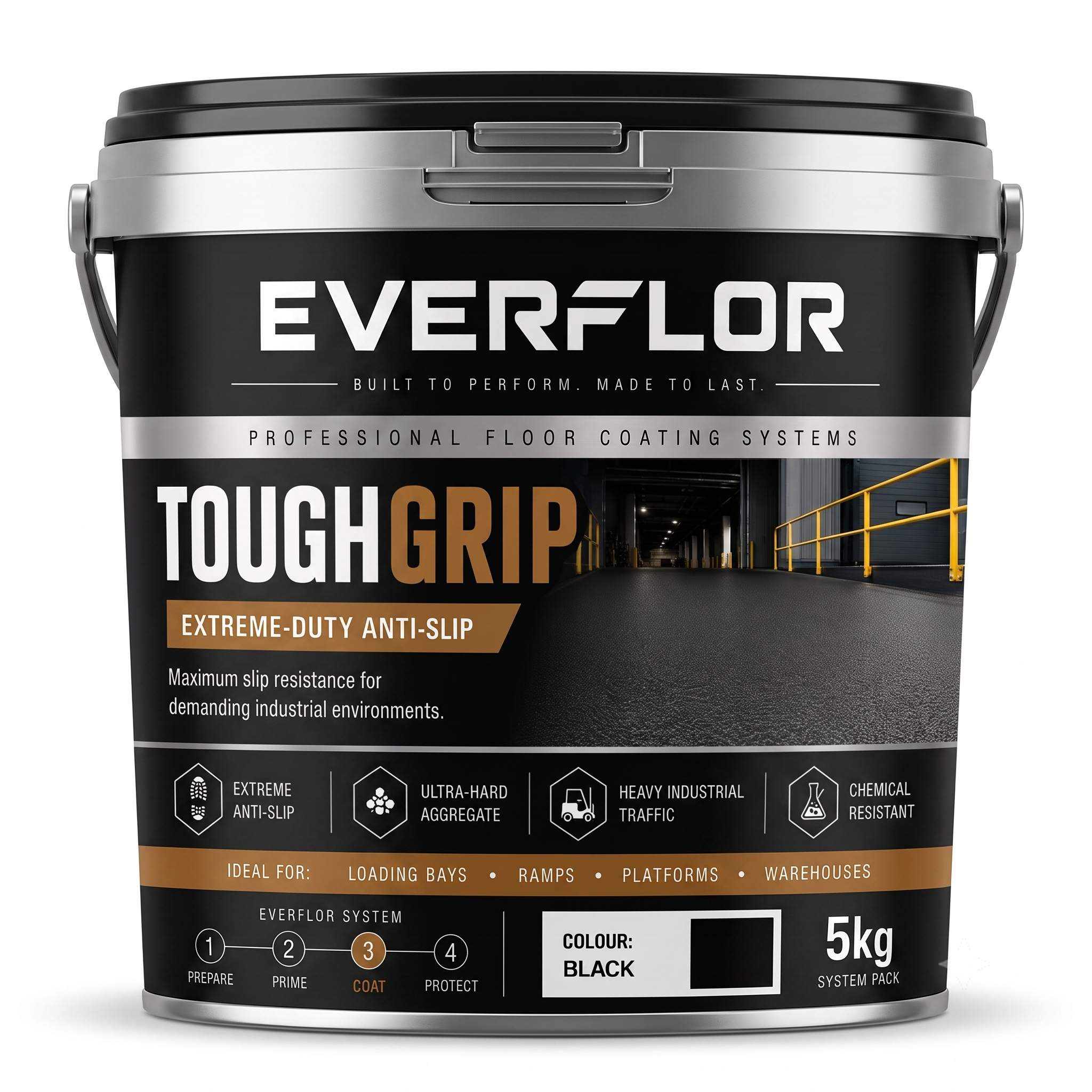
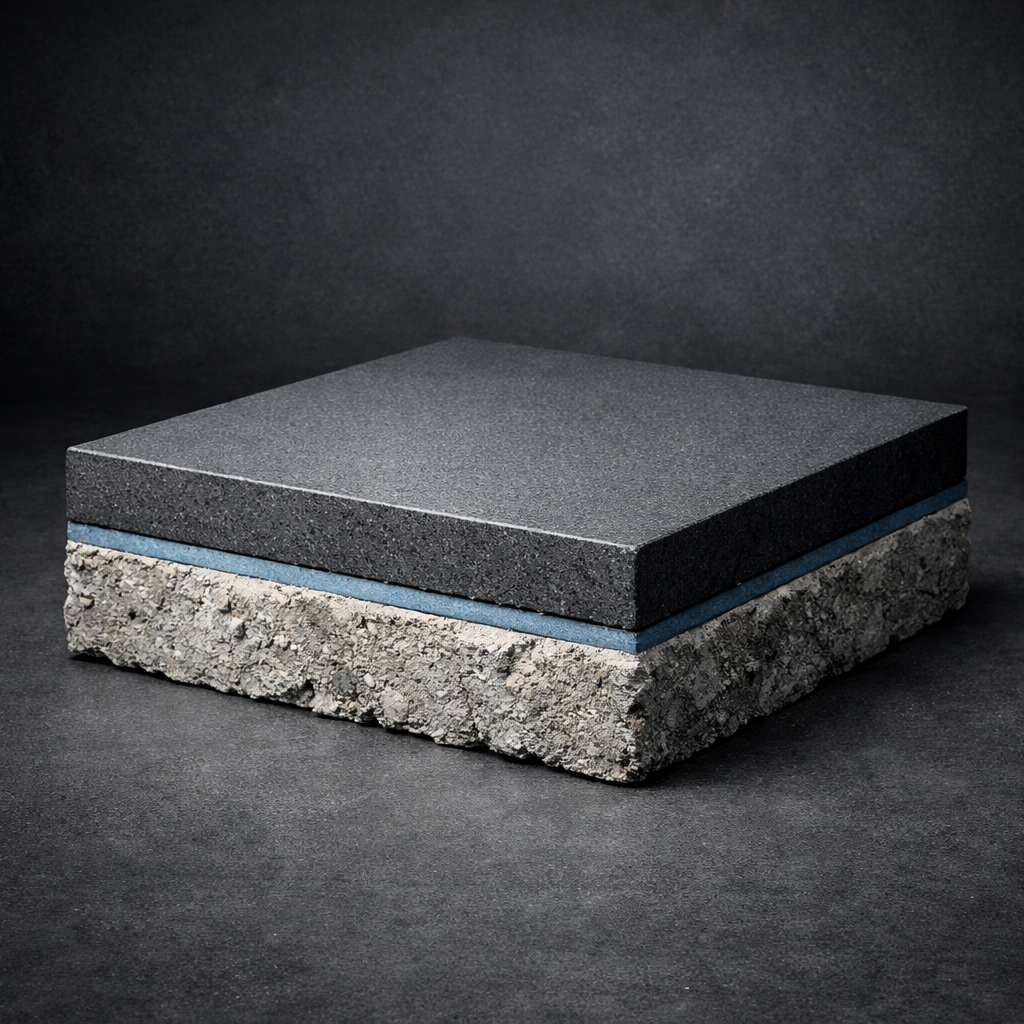
Forklift or Heavy Traffic?
Step Up to a 2K Resin Floor System
- Black (RAL 9005)
- Dark Grey (RAL 7016)
- Mid Grey (RAL 7001)
- Light Grey (RAL 7035)
- Signal White (RAL 9003)

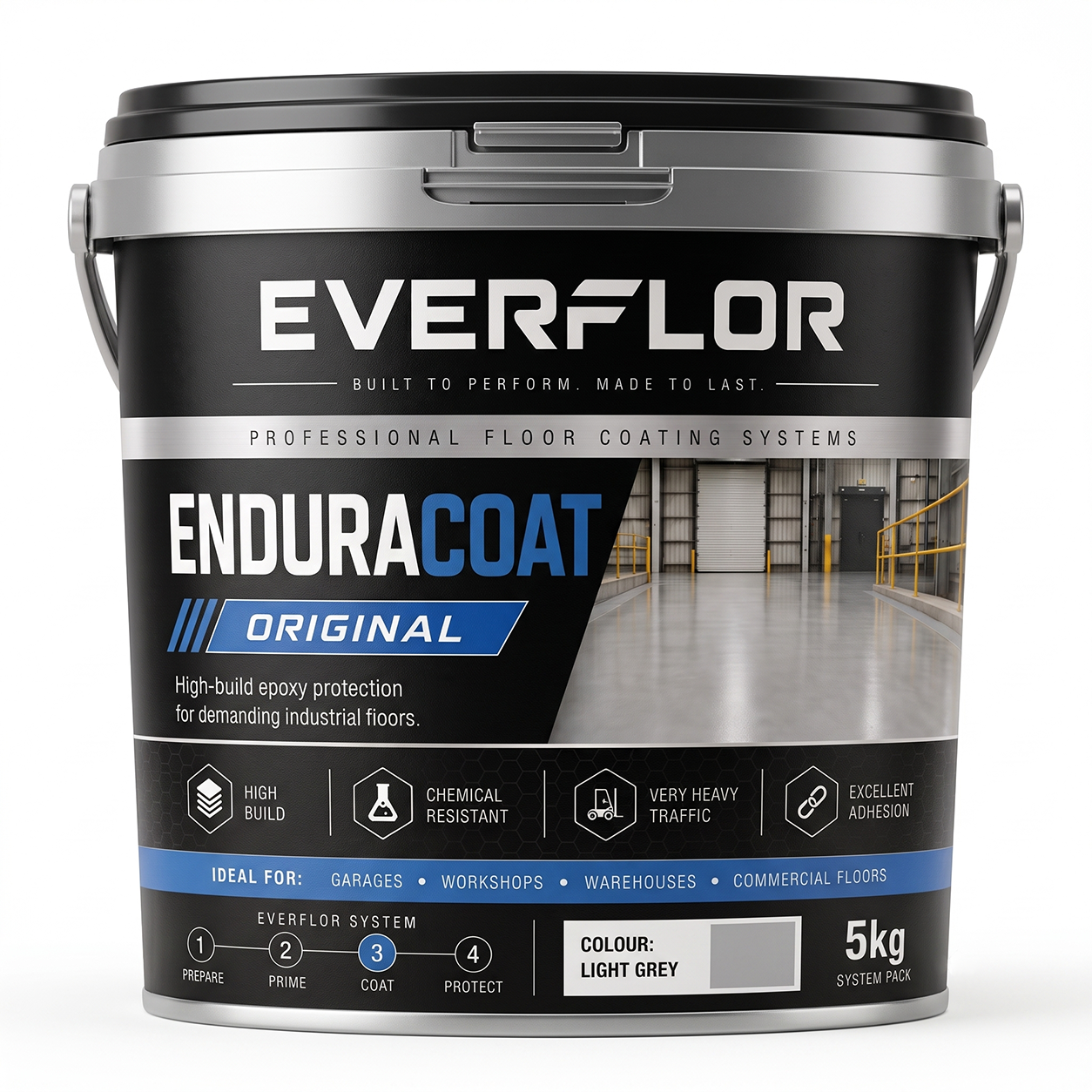
Industrial grade coating
Solvent free, no shrinkage

Up to 5x thicker

Withstands heavy forklift traffic

Resists oil, acids, alkalis

Easy-clean surface
- Black (RAL 9005)
- Dark Grey (RAL 7016)
- Mid Grey (RAL 7001)
- Light Grey (RAL 7035)
- Signal White (RAL 9003)
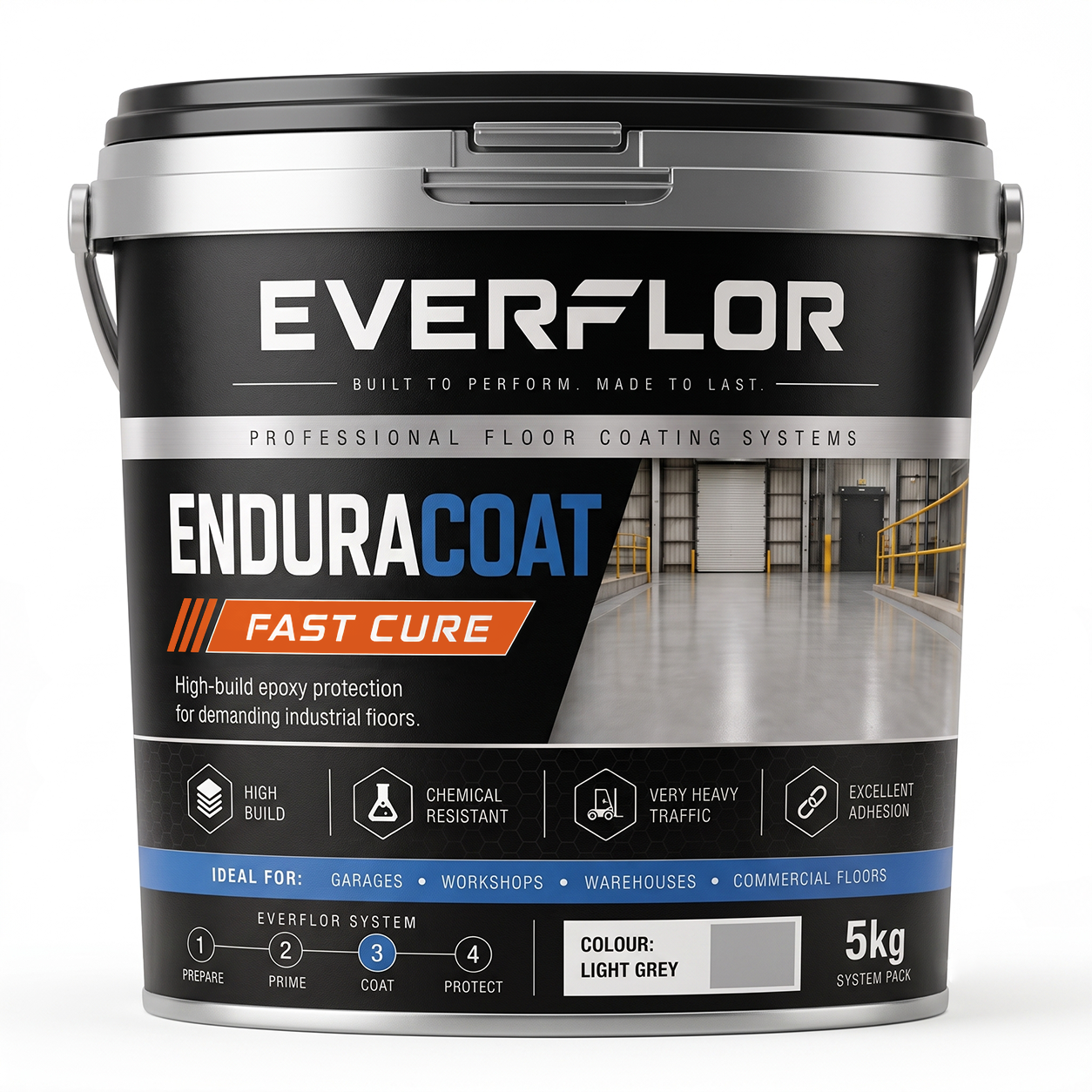
Industrial grade coating
Solvent free, no shrinkage
Up to 5x thicker
Withstands heavy forklift traffic
Resists oil, acids, alkalis
Easy-clean surface
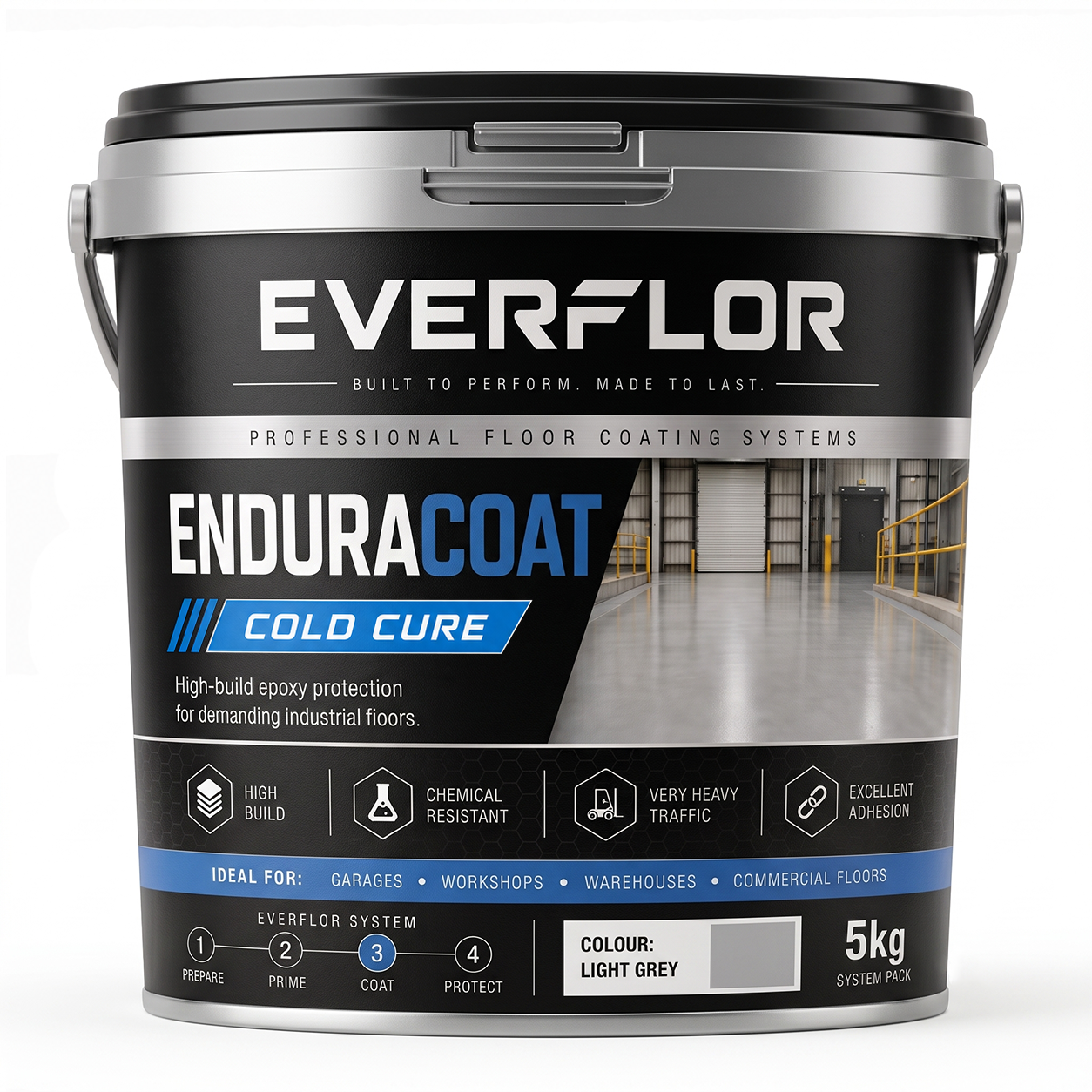
- Black (RAL 9005)
- Dark Grey (RAL 7016)
- Mid Grey (RAL 7001)
- Light Grey (RAL 7035)
- Signal White (RAL 9003)
Industrial grade coating
Solvent free, no shrinkage
Up to 5x thicker
Withstands heavy forklift traffic
Resists oil, acids, alkalis
Easy-clean surface
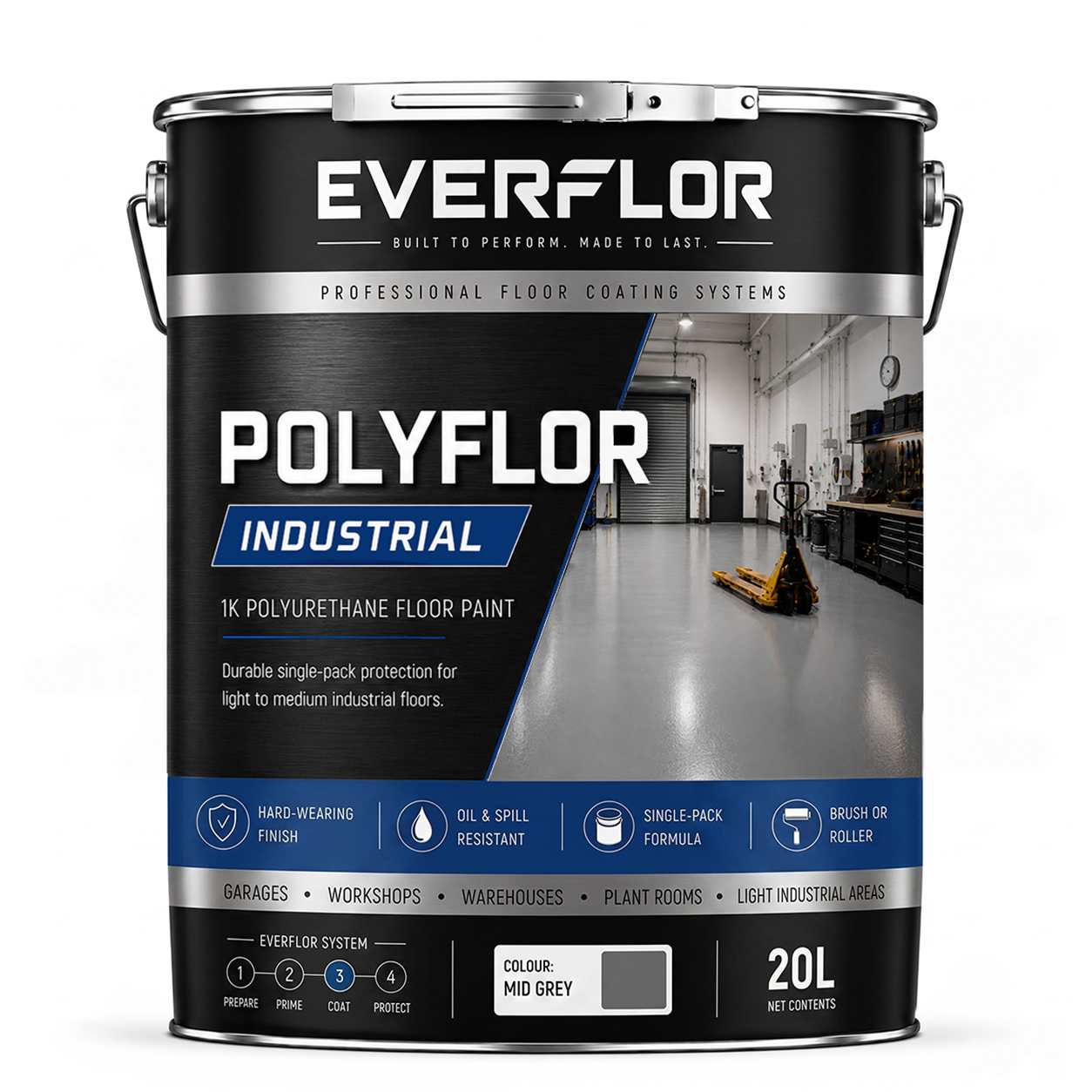
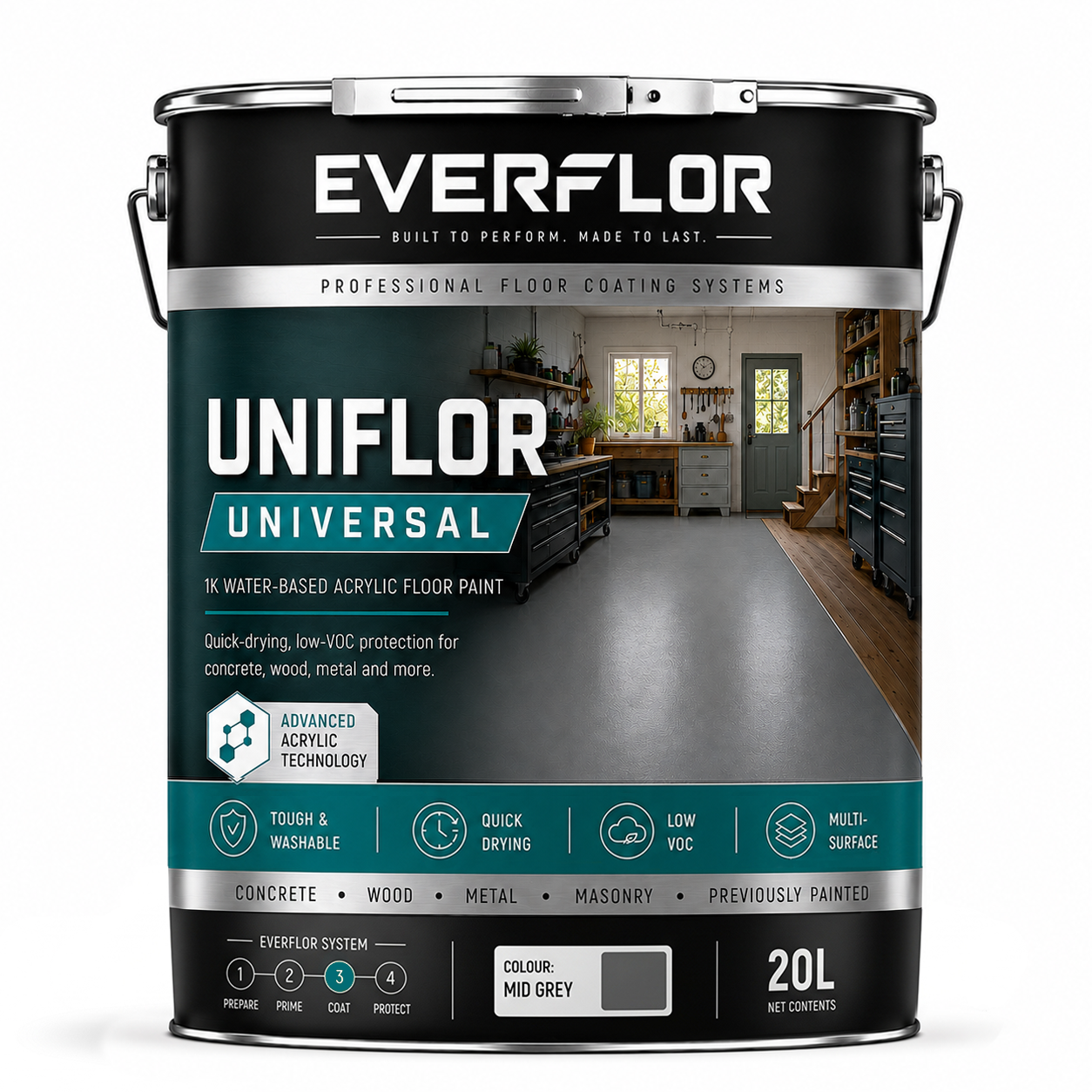
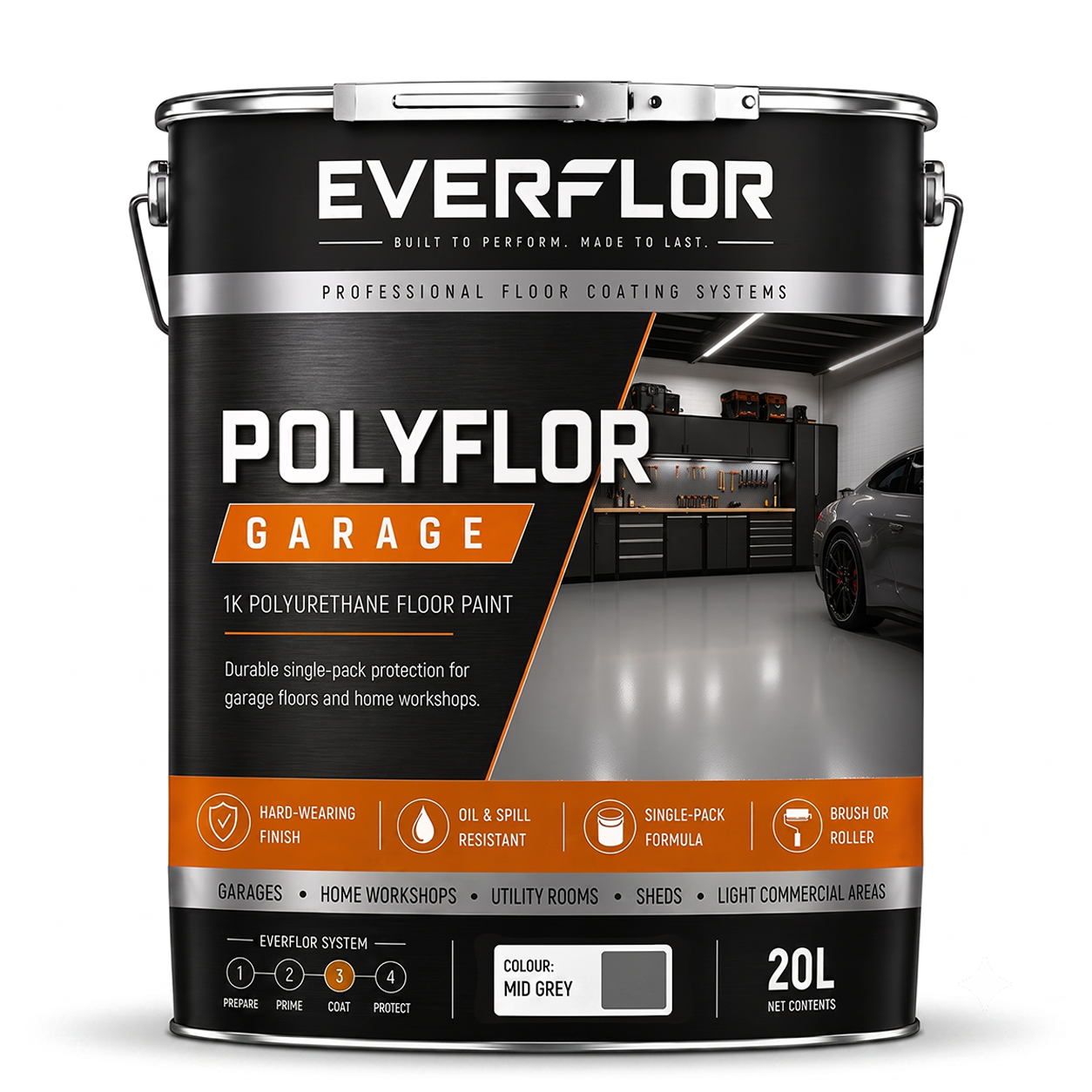
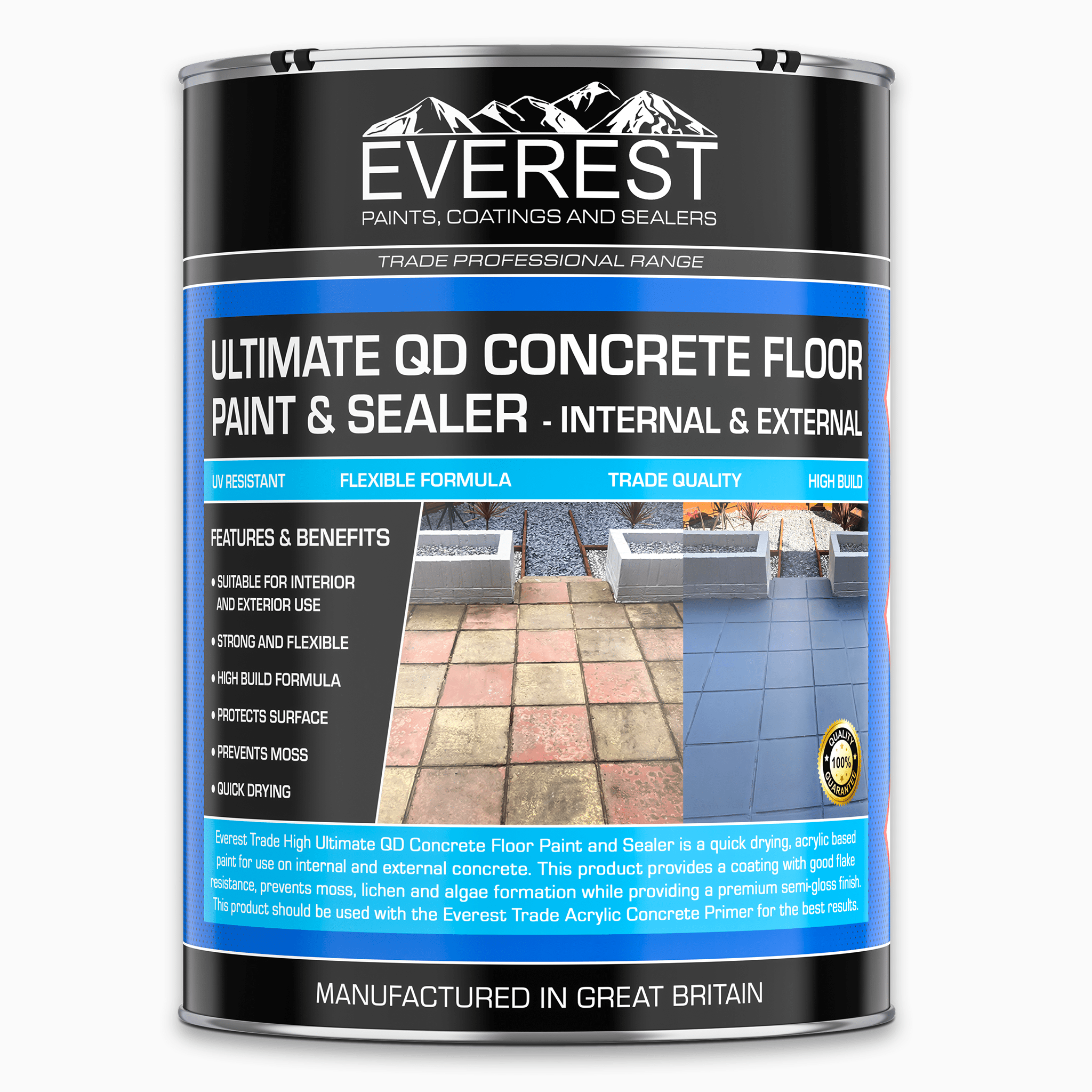
Touch Dry in 2-4 Hours
Indoor & Outdoor Use

Fade Resistant Coating
Resists Cracking & Peeling

Prevents Moss & Lichen
British manufacturing
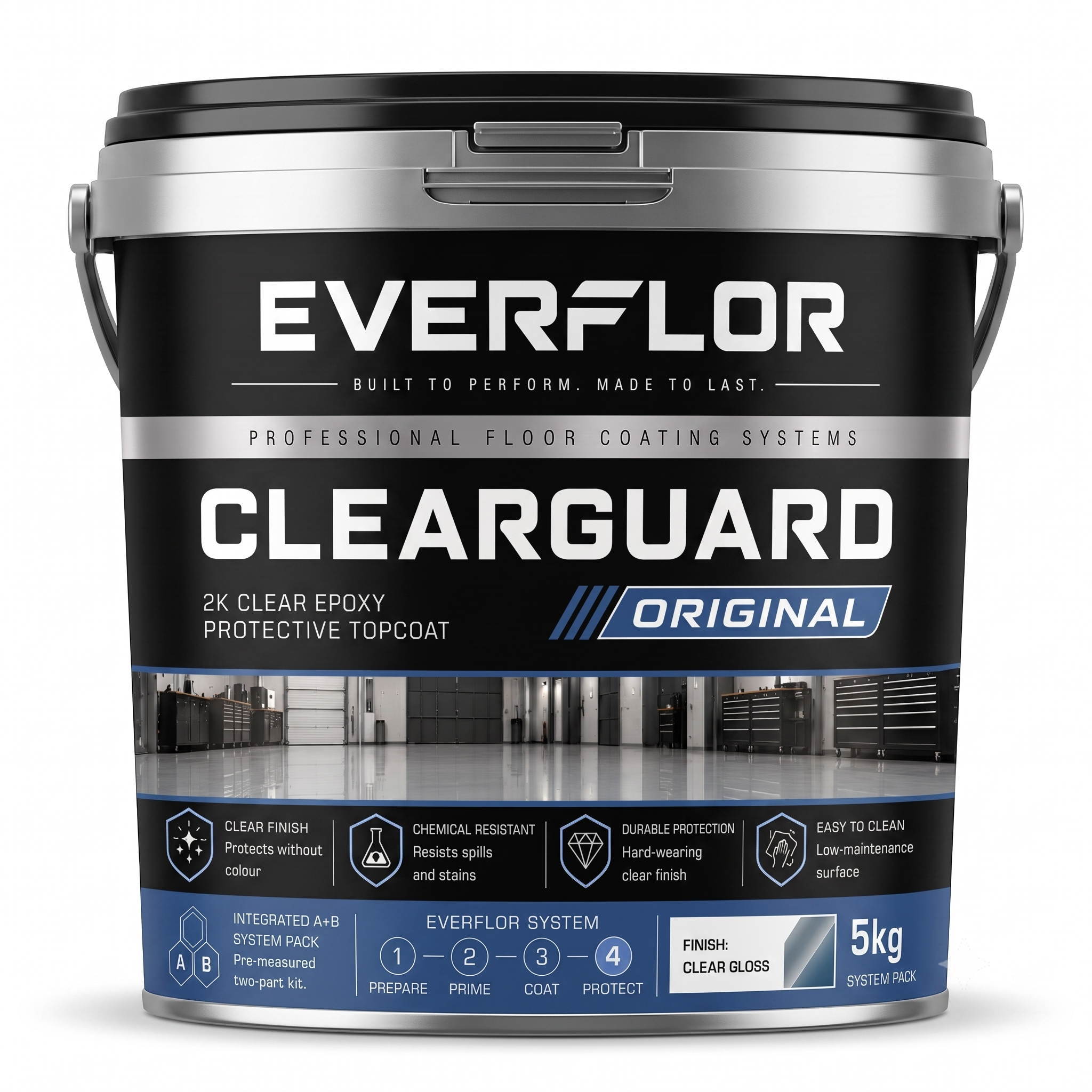

Seals Concrete Dust
Resists oil, acids, alkalis

Wipe Down Surface

Internal Floors Only
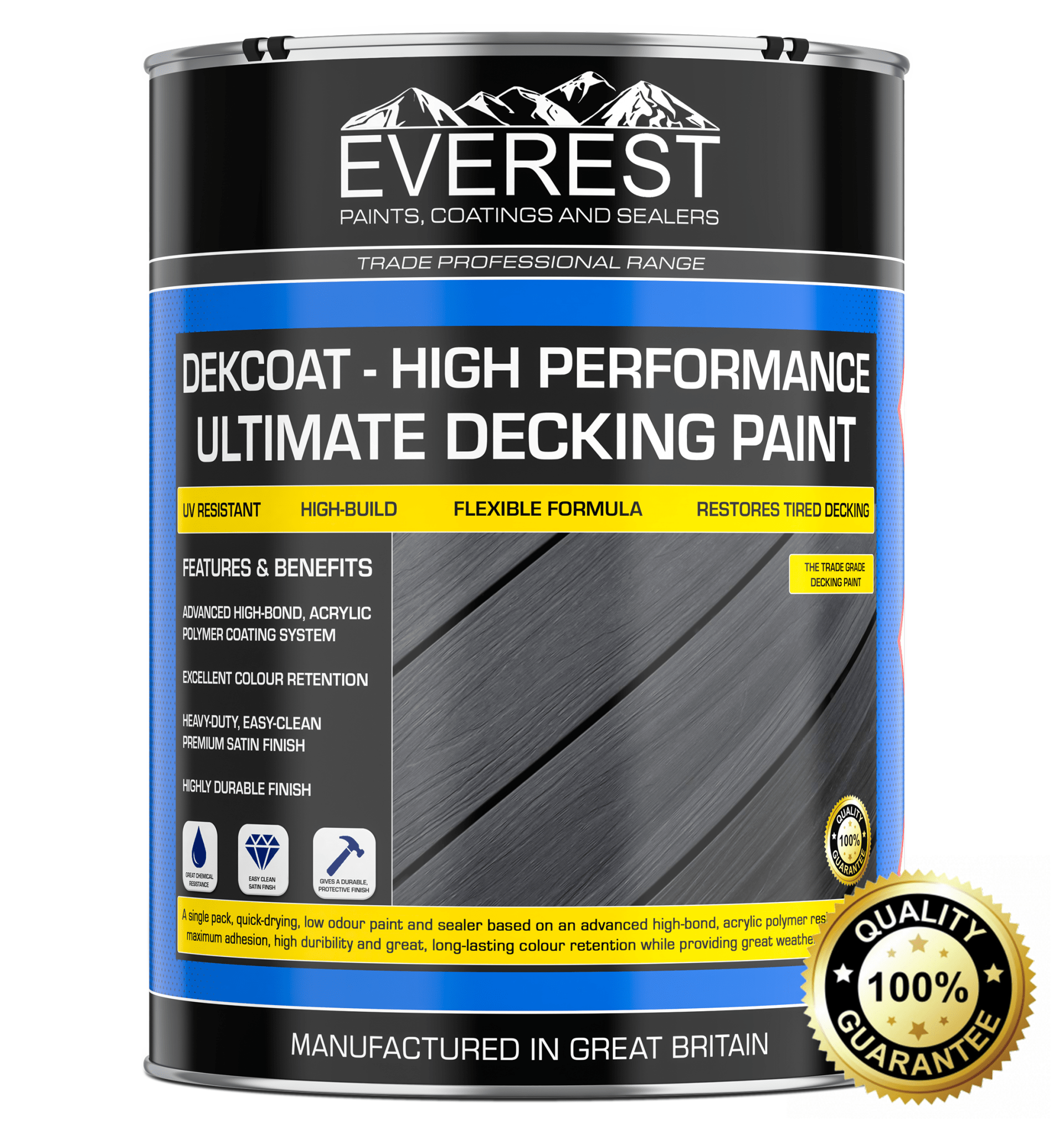

Similar Product Ranges
- Black (RAL 9005)
- Dark Grey (RAL 7016)
- Mid Grey (RAL 7001)
- Light Grey (RAL 7035)
- Signal White (RAL 9003)
100% Solids Technology
220 Microns Per Coat
Internal Floors Only

Easy Application
- Black (RAL 9005)
- Dark Grey (RAL 7016)
- Mid Grey (RAL 7001)
- Light Grey (RAL 7035)
- Signal White (RAL 9003)
Industrial grade coating
Solvent free, no shrinkage
Up to 5x thicker
Withstands heavy forklift traffic
Resists oil, acids, alkalis
Easy-clean surface
- Black (RAL 9005)
- Dark Grey (RAL 7016)
- Mid Grey (RAL 7001)
- Light Grey (RAL 7035)
- Signal White (RAL 9003)
Industrial grade coating
Solvent free, no shrinkage
Up to 5x thicker
Withstands heavy forklift traffic
Resists oil, acids, alkalis
Easy-clean surface
- Black (RAL 9005)
- Dark Grey (RAL 7016)
- Mid Grey (RAL 7001)
- Light Grey (RAL 7035)
- Signal White (RAL 9003)
Industrial grade coating
Solvent free, no shrinkage
Up to 5x thicker
Withstands heavy forklift traffic
Resists oil, acids, alkalis
Easy-clean surface
- Black (RAL 9005)
- Dark Grey (RAL 7016)
- Mid Grey (RAL 7001)
- Light Grey (RAL 7035)
- Signal White (RAL 9003)
Industrial grade coating
Solvent free, no shrinkage
Up to 5x thicker
Withstands heavy forklift traffic
Resists oil, acids, alkalis
Easy-clean surface
- Black (RAL 9005)
- Dark Grey (RAL 7016)
- Mid Grey (RAL 7001)
- Light Grey (RAL 7035)
- Signal White (RAL 9003)
Industrial grade coating
Solvent free, no shrinkage
Up to 5x thicker
Withstands heavy forklift traffic
Resists oil, acids, alkalis
Easy-clean surface
Anti-Slip Floor Paints FAQs
Technical Guidance & Application Advice
How do I assess whether an existing concrete floor is suitable for anti-slip floor paints for concrete floors?
Can anti-slip coatings be applied over previously painted floors in workshops or warehouses?
Which resin type should be specified for heavy traffic areas such as loading bays or forklift routes?
How does the addition of anti-slip aggregate affect performance and maintenance?
Are water-based epoxy anti-slip systems suitable for damp or newly laid concrete?
Can these coatings be used externally on ramps and service yards?
Expert Advice & Guides
A few of our most recent guides applicable to this product range.