
Made In Great Britain

Direct from our factory

Free Next Day Delivery

On orders over £750

Product Test Results

All test results published

Expert Technical Advice

Call or chat with our team

Transparent product cut-out
Click an icon to explore features Tap an icon to explore features
Transparent product cut-out

Flowable Single Pour

Add 25kg of powder to 5 litres of clean water and mix to a smooth, lump-free consistency. The material pours rather than packs: it self-levels into the repair and needs only light trowelling to close it off, at any depth from 5mm to 100mm in one application. Pot life is 5-10 minutes at 20°C, so mix only what you can pour immediately.

Rapid Strength Development

The fibre reinforced, polymer modified cement gains strength fast enough to return the floor to service the same shift. At 20°C the repair takes foot traffic in 30-60 minutes and forklift traffic in approximately 2 hours. Compressive strength passes 20N/mm² at one day and 45N/mm² at 28 days, tested to EN 13892-2.

Performance Profile

Single-Component Reinforced Cement Mortar. FlowFix Patch is a polymer-modified cement powder that you mix with water and pour. It develops strength quickly, so a repaired bay goes back into service within hours. Every time below depends on temperature, repair depth and site conditions, so allow longer on cold sites.

Download Data Sheet
Coverage 0.5m²per 25kg at 25mm
Pot Life 5-10 minutesat 20°C
Forklift Ready 2 hrsat 20°C
Finish Flowablepourable mortar

Essential Information

Product Details

Description

EverFlor FlowFix Patch is a concrete floor repair mortar for holes, spalls and localised damage in working floors. It is a reinforced, polymer-modified cement powder. Add clean water, mix and pour it straight into the prepared repair. There is no resin or hardener to weigh, and no primer to apply first.

The mixed material is a flowable mortar rather than a stiff, hand-packed one. It runs into irregular holes and broken edges under its own weight, so finishing is limited to a steel float or trowel where placement needs help. Place it at any depth from 5mm to 100mm in a single application.

FlowFix Patch is the standard repair product in the EverFlor FlowFix range. Use it for general holes and damaged concrete. For deeper or larger-volume repairs, use FlowFix Deep Patch, which is formulated for deeper sections.

Recommended areas of use

  • Damaged concrete floors
  • Warehouse and factory floors
  • Loading bays and distribution centres
  • Workshops and industrial premises
  • Internal and external concrete surfaces
  • Holes and voids filled prior to resurfacing

Features

  • Single component: the powder needs only clean water, so there are no resin parts to measure or mismatch
  • Flowable consistency fills irregular holes without packing, which cuts trowelling time
  • Reinforced, polymer-modified cement gives a hard repair under foot and forklift traffic
  • Rapid strength gain: above 20N/mm² at 1 day, above 35N/mm² at 7 days and above 45N/mm² at 28 days
  • No primer required on prepared, sound concrete
  • Interior and exterior use, with an operating range of -20°C to 70°C once cured
  • Tools clean in warm soapy water before the mortar sets

Good to know

The working time is short. Mix beside the repair, and mix only what you can pour straight away. Do not add water beyond the stated ratio, and do not re-mix mortar that has started to stiffen.

Preparation decides the repair. The concrete must be sound, clean and free from loose material, oil and grease. Cut the edges of the repair square rather than feathering out, so the mortar sits at a working thickness right to its edge. Remove any standing water before you pour.

A flowable mortar finds its own level, so FlowFix Patch is not suited to repairs on sloping surfaces. Apply between 5°C and 30°C and protect the fresh repair from frost. Return-to-service times depend on temperature, repair depth and site conditions; cold sites and deep fills take longer.

Application

SURFACE PREPARATION

The concrete must be structurally sound and clean. Remove all loose and friable material by mechanical preparation. Wire brush sound concrete to remove dust and laitance. Remove oil, grease and any other contamination that would stop the mortar bonding.

Cut the edges of the repair square to depth. Do not feather the mortar out to nothing in trafficked areas; a thin edge breaks away under wheels. Remove any standing water before you pour. No primer is required.

MIXING

Mix 25kg of FlowFix Patch with 8 litres of clean water. Mix 10kg FlowFix Patch with 3.3l of clean water. Put the water in the vessel first. Add the powder gradually while mixing with a slow-speed drill and paddle. Mix until the mortar is smooth, lump-free and pourable.

Pot life is 5-10 minutes at 20°C, and shorter in warm conditions. Mix beside the repair. Mix only what you can place at once. Do not add extra water to extend working time.

APPLICATION

Apply between 5°C and 30°C. Pour the mixed mortar straight into the prepared repair and let it flow into the hole. Use a steel float or trowel to level the surface where needed. Do not use FlowFix Patch on sloping surfaces; it will run to the low side.

CURING AND RETURN TO SERVICE

At 20°C the repair takes foot traffic after 30 minutes. Full cure takes 24 hours. Lower temperatures, deeper repairs and damp site conditions all extend these times. Protect the fresh repair from frost until it has cured. Clean tools in warm soapy water before the mortar sets.

Technical Data
Finish Flowable mortar
Coverage Approximately 0.5m² at 25mm thick per 25kg
Full cure 24 Hours
Suitable substrates Damaged concrete floors • Warehouse and factory floors • Loading bays • Distribution centres • Workshops • Industrial premises • Internal and external concrete surfaces • Holes and voids prior to resurfacing
Shelf life 12 months
Mixing ratio 25kg of FlowFix to 8l Water, 10kg of FlowFix Patch to 3.3l Water
Cleaning tools Warm soapy water
Number of components 1 (mix with water)
Minimum application temperature 5°C
Foot traffic 30 Minutes at 20°C
Cure Time 2 hours @ 15°C
Composition Reinforced cement & polymer powder
Primer required No primer required
Depth 5mm - 100mm
Forklift Ready 2 Hours at 20°C
Operating Temperature -20°C - 70°C
Compressive Strength 45N/mm² after 28 days
Test Results

Most paint brands tell you what their product should do. We tell you what it does.

Unlike competitors who hide behind vague marketing terms like 'heavy duty,' we validate our claims with standardized testing. Compare our abrasion rates and adhesion scores—you will see the difference between a standard paint and a professional architectural finish.

Compressive strength

Result: 1 day >20 N/mm², 7 days >35 N/mm², 28 days >45 N/mm²

Not sure what these standards mean? We have compiled a comprehensive guide to help you decode the industry jargon. Click here to explore our testing methodology and learn exactly how to interpret these performance metrics for your project.

The Knowledge Hub

Everything You Need to Know

Browse our collection of in-depth articles and how-to guides designed to help you get the most out of this product. whether you need help with surface preparation or application advice, we have you covered.
View Technical Hub

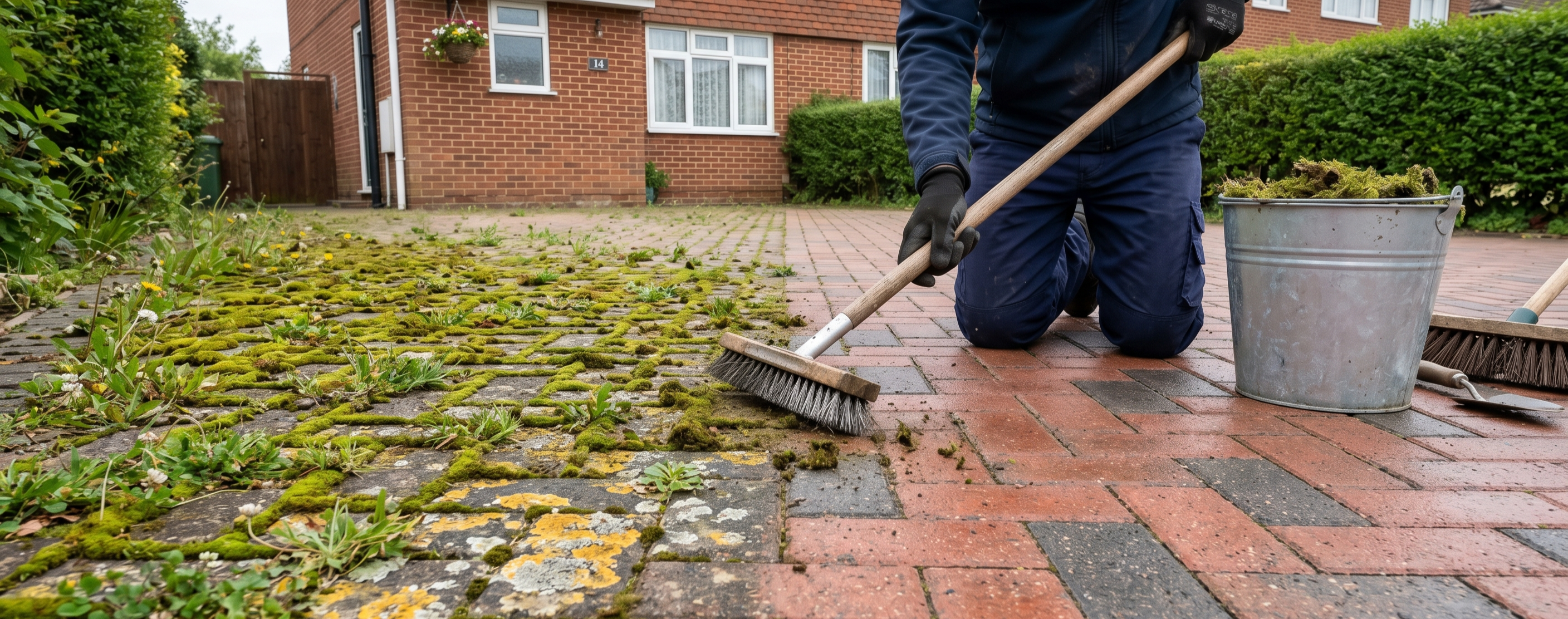
A visual comparison of a mossy, weed-infested block paving driveway next to a freshly cleaned section in the UK.
  • by Sam Marriott

Restoring Block Paving: Removing Moss, Weeds, and Lichen

Block paving is the most popular driveway choice in the UK, but it has a major design flaw: Joints. Those thousands of gaps between the bricks are the perfect nursery for weeds, moss, and the dreaded "black spot" lichen. Every...

Read more

An unbranded industrial floor scrubber being used to maintain the high-gloss shine on a polished concrete warehouse floor.
  • by Sam Marriott

Deep Cleaning Polished Concrete Without Damaging the Shine
Polished concrete is often sold as the "maintenance-free" flooring option. That is a lie. Yes, it is incredibly durable. It won't peel or flake like paint. But if you ignore it, or worse - if you clean it with the...

Read more

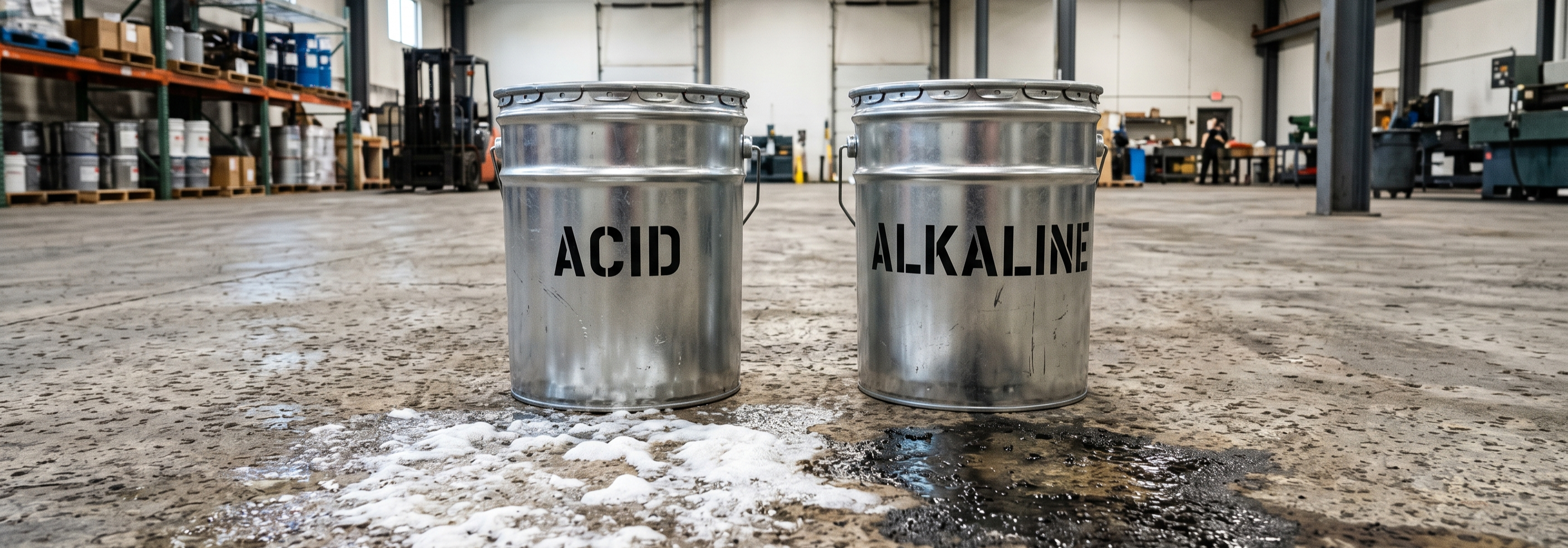
Two unbranded silver tins labeled Acid and Alkaline on an industrial concrete warehouse floor.
  • by Sam Marriott

Acid vs. Alkaline Concrete Cleaners: Which is Best for Your Floor?

If you walk into a hardware store and ask for "concrete cleaner," you'll probably end up with a few different options in-front of you. Most people grab the bottle with the most aggressive warning label, thinking "stronger is better." But...

Read more

How to Sand a Painted Concrete Floor for Recoating
  • by Sam Marriott

How to Sand a Painted Concrete Floor for Recoating

In our Sanding vs. Grinding: Preparing Previously Painted Concrete guide, we established that if your floor passes the Cross-Hatch Adhesion Test, then the next step for recoating will be sanding. Choosing to sand rather than grind saves you hundreds of pounds in equipment rental and diamond consumables....

Read more

FAQs

Please read our FAQs page to find out more.

Does the concrete need priming before the repair?
No. FlowFix Patch needs no primer. Make sure the substrate is structurally sound, clean and free from dust, oil, grease, paint and curing compounds, remove loose material by mechanical preparation, then pour the mixed mortar straight into the prepared area. Cut the repair edges square where possible for a secure bond.
Can it be used on damp concrete?
Yes. The substrate may be damp, but it must not contain standing water. Remove any free water from the repair before pouring. Do not apply when the substrate or air temperature is below the 5°C minimum, and protect the fresh repair from freezing until it is fully cured.
How deep can a single pour be?
Between 5mm and 100mm in one application. Thin feather edges are only acceptable in lightly trafficked areas; where medium or heavy traffic is expected, cut the edges of the repair square to depth rather than feathering out. The product is not suitable for repairs on sloping surfaces.
How long before the floor can be used again?
At approximately 20°C, allow 30 to 60 minutes before light foot traffic and around 2 hours before heavy traffic including forklifts. Setting time is 24 hours. Lower temperatures slow this down: at around 5°C, allow up to 24 hours before putting the area back into service.
Can the repair be painted afterwards?
Yes. Allow approximately 24 hours, then overcoat with a suitable floor coating. Left uncoated the repair cures to a concrete grey finish and resists oils and grease. It is also suitable for filling holes and voids before a floor is resurfaced.

Didn’t find your answer?

Don't hestitate to contact us