Made In Great Britain

Direct from our factory

Free Next Day Delivery

On orders over £750

Product Test Results

All product test results published

Expert Technical Advice

Call or chat with our team

View Coatings

By Floor Paint Use

View our products sorted by use case, specifying a product for industrial through to domestic garages? check it out below.

View Coatings

By Resin Technology

View our products sorted by resin technology. We manufacture a wide range of floor coatings made from different types of resins, from epoxy to polyaspartics.

View All Essential

Specialist Floor Paints

We also manufacture a range of specific, specialised coating from low downtime formulations to cold curing products.

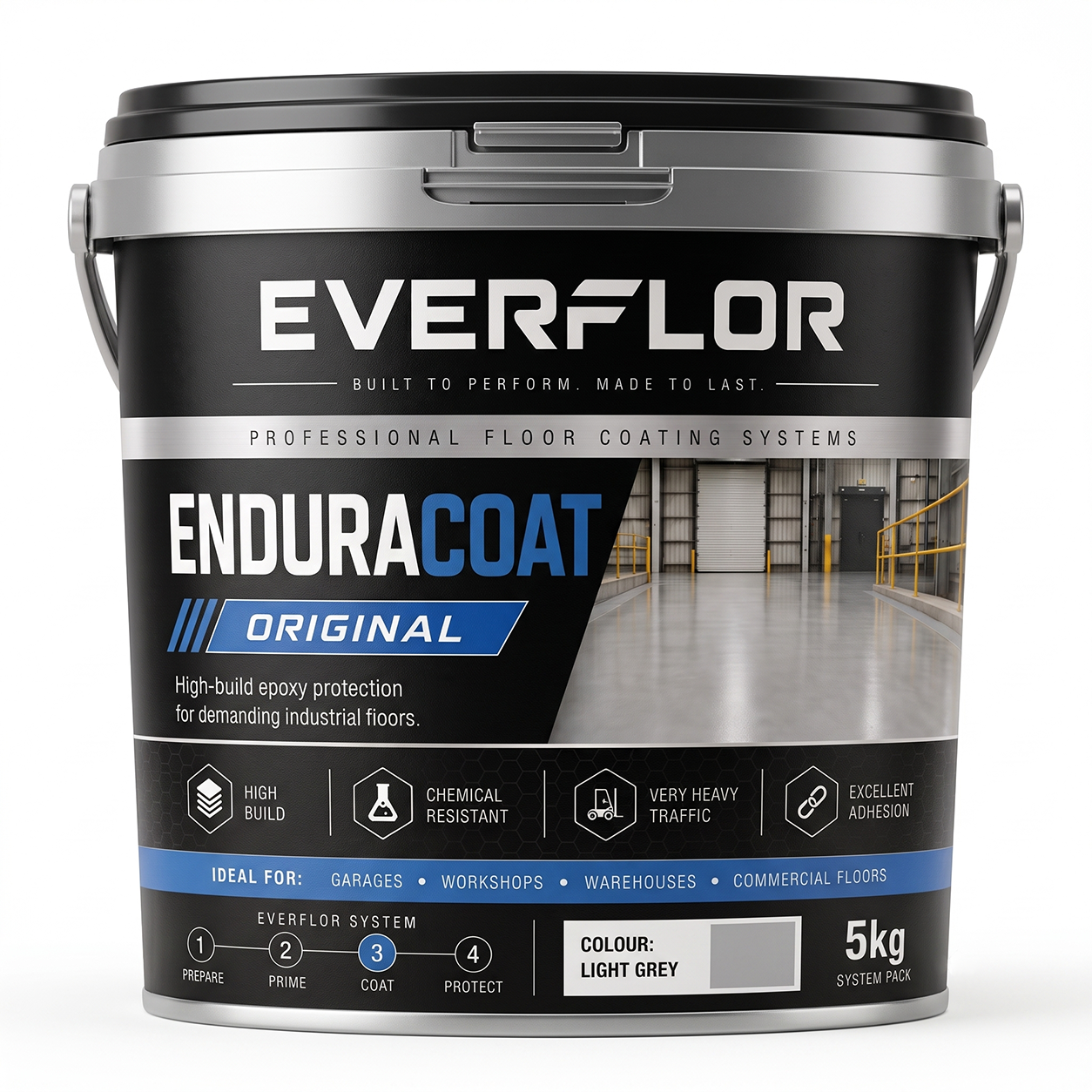
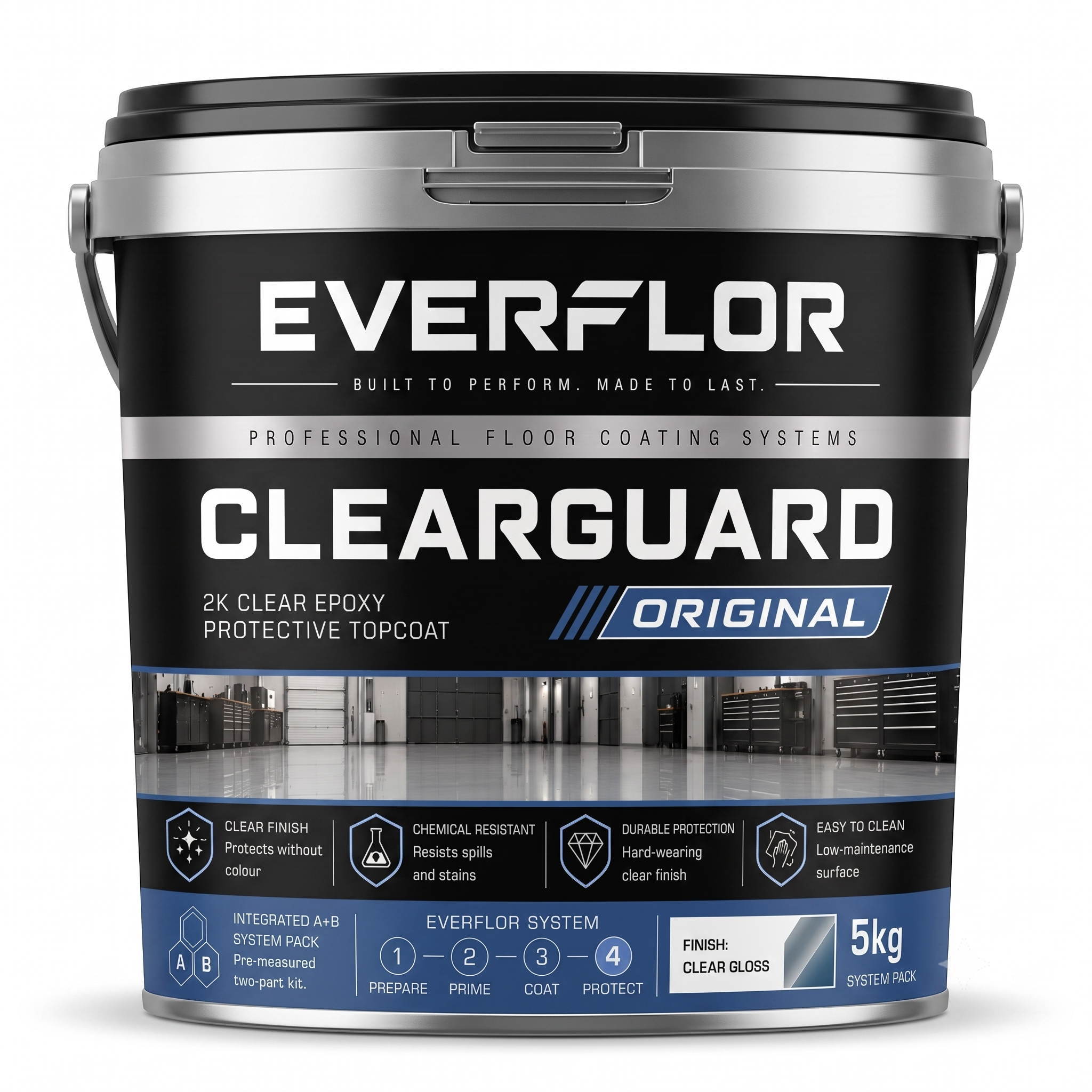
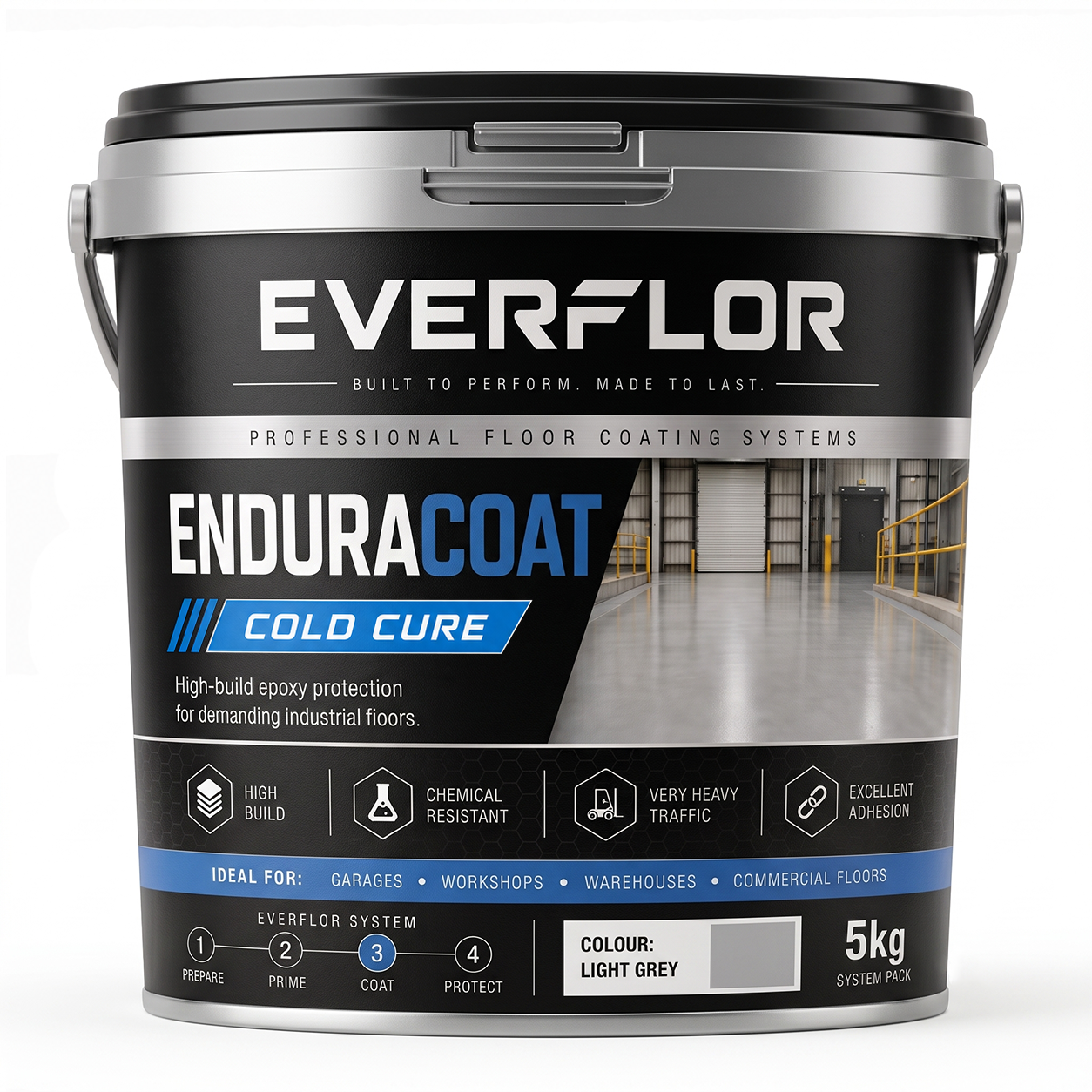
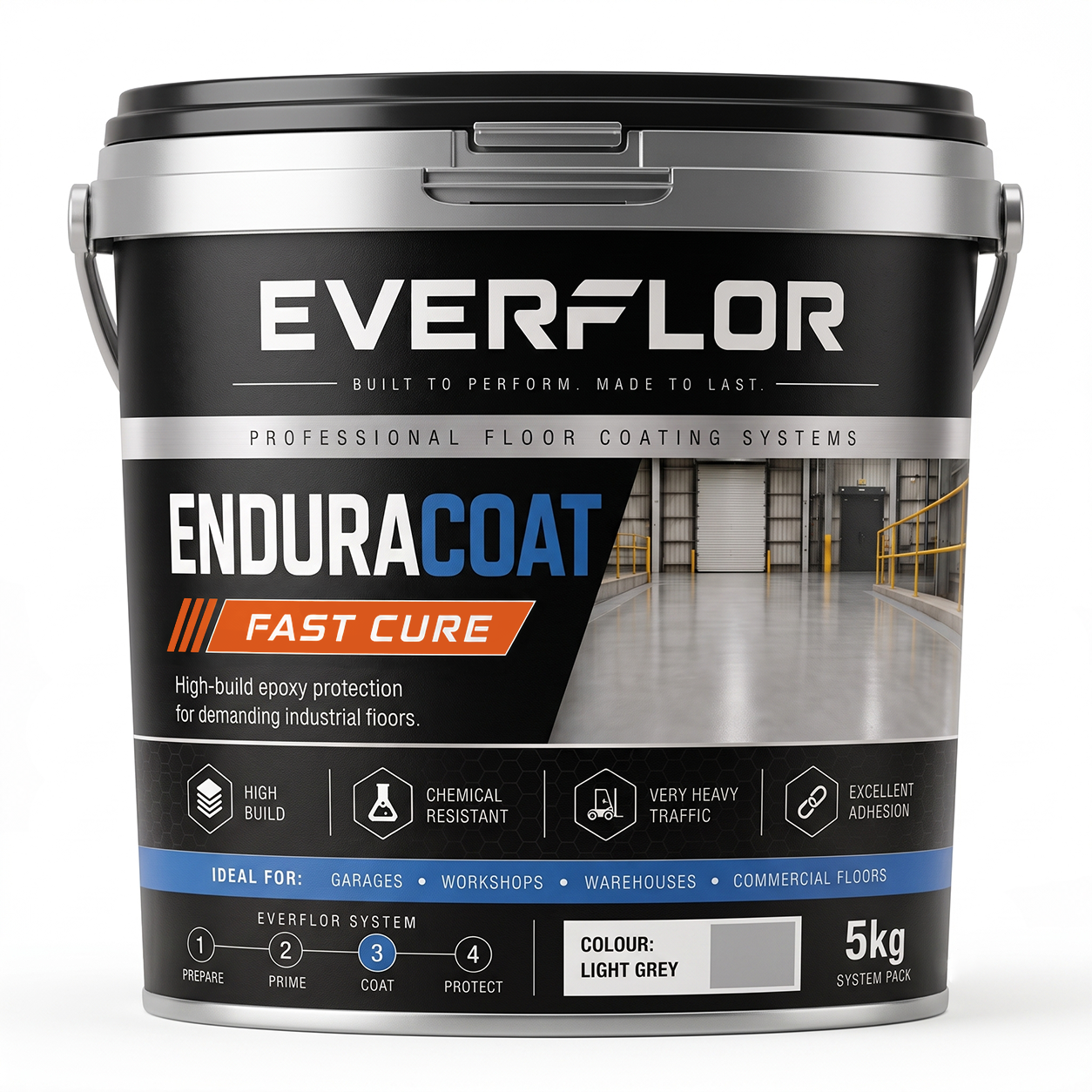
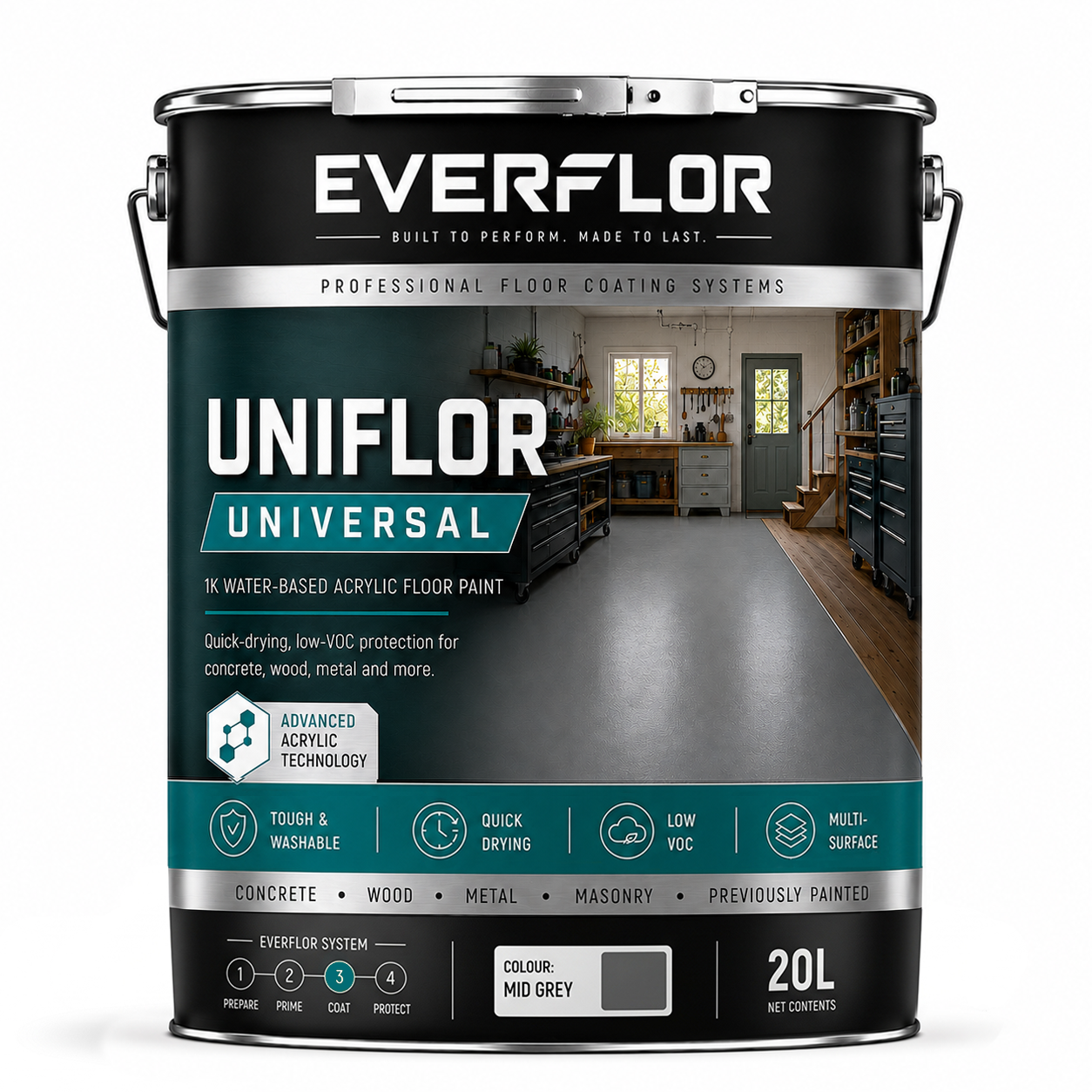
EverFlor - EnduraCoat HB - Everest Paints
Brand:EverFlor
  • Black (RAL 9005)
  • Dark Grey (RAL 7016)
  • Mid Grey (RAL 7001)
  • Light Grey (RAL 7035)
  • Signal White (RAL 9003)
Two-Pack Epoxy

Industrial grade coating

100% Solids

Solvent free, no shrinkage

High Build Formula

Up to 5x thicker

Extreme Durability

Withstands heavy forklift traffic

Chemical Resistant

Resists oil, acids, alkalis

Gloss Finish

Easy-clean surface

EverFlor - UniSeal - Concrete Sealer - Wetlook - Everest Paints
Brand:EverFlor
  • Black (RAL 9005)
  • Dark Grey (RAL 7016)
  • Mid Grey (RAL 7001)
  • Light Grey (RAL 7035)
  • Signal White (RAL 9003)
Two-Pack Epoxy

Industrial grade coating

100% Solids

Solvent free, no shrinkage

High Build Formula

Up to 5x thicker

Extreme Durability

Withstands heavy forklift traffic

Chemical Resistant

Resists oil, acids, alkalis

Gloss Finish

Easy-clean surface

4.9
TRADE RATED
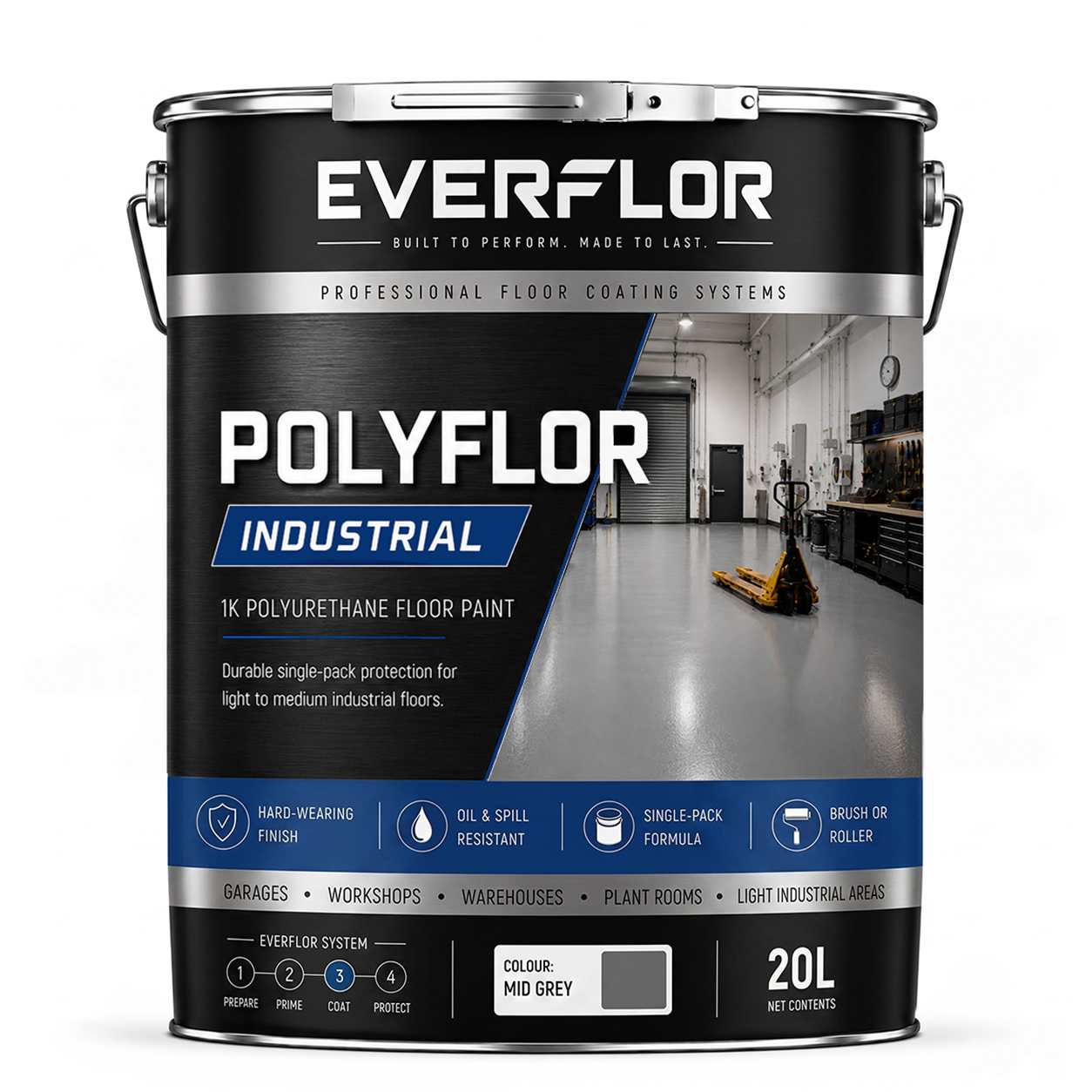
EverFlor - PolyFlor Industrial Floor Paint - Everest Paints
Brand:EverFlor
  • Black (RAL 9005)
  • Dark Grey (RAL 7016)
  • Mid Grey (RAL 7001)
  • Light Grey (RAL 7035)
  • Signal White (RAL 9003)
Polished concrete floor in a warehouse setting

Heavy Traffic or High Slip Risk?

Specify an Integrated Anti-Slip Coating System
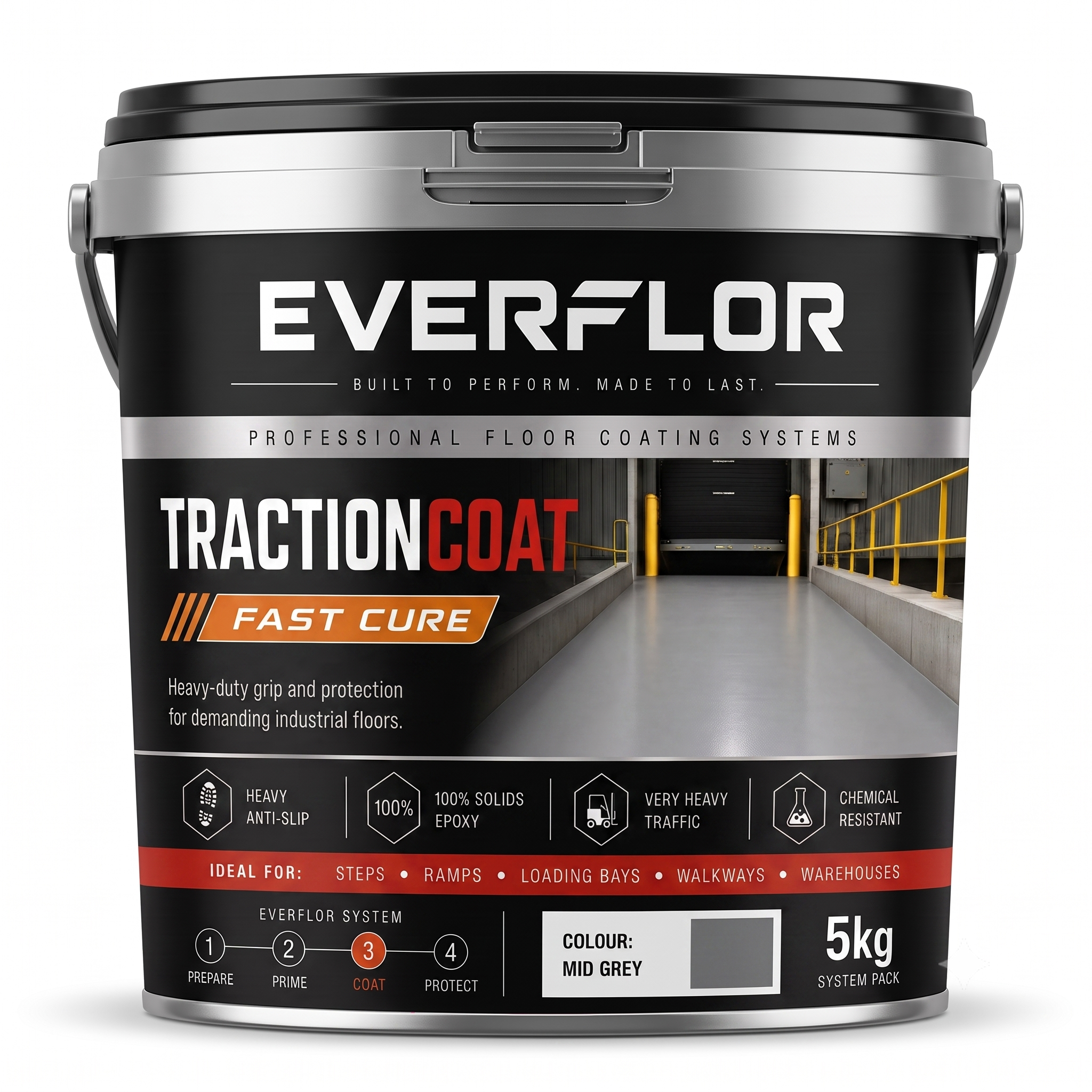
Aggregate additives rely on correct loading and binder compatibility for performance. For high-traffic or industrial areas, specify TractionCoat as a fully integrated anti-slip system to achieve controlled texture and consistent slip resistance.

View Anti-Slip Floor Systems
4.9
EverFlor - PolyFlor Industrial Floor Paint - Anti - Slip - Everest Paints
Brand:EverFlor
  • Black (RAL 9005)
  • Dark Grey (RAL 7016)
  • Mid Grey (RAL 7001)
  • Light Grey (RAL 7035)
  • Signal White (RAL 9003)
4.8
TRADE RATED
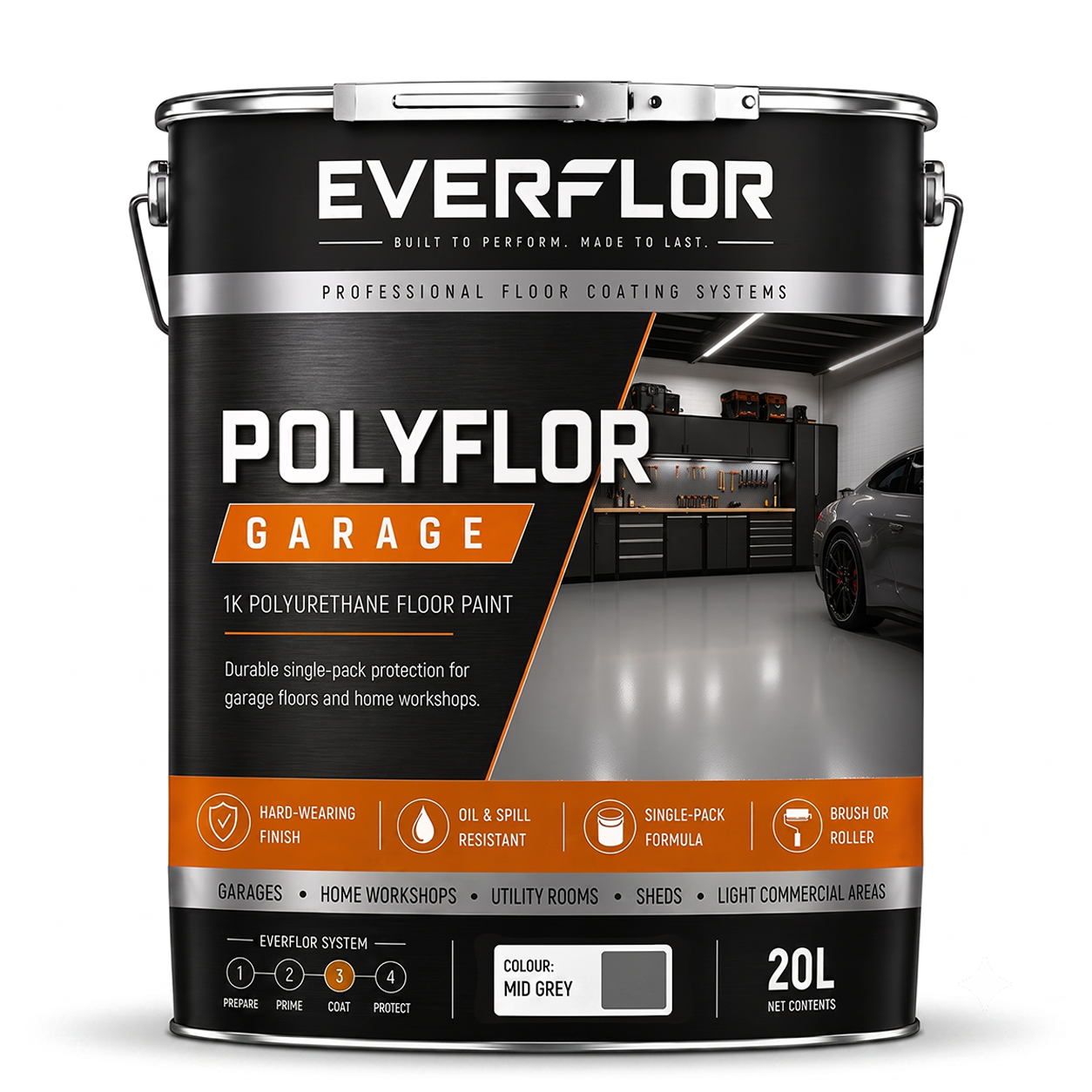
EverFlor - PolyFlor Garage Floor Paint - Anti - Slip - Everest Paints
Brand:EverFlor
  • Black (RAL 9005)
  • Dark Grey (RAL 7016)
  • Mid Grey (RAL 7001)
  • Light Grey (RAL 7035)
  • Signal White (RAL 9003)
TRADE RATED
EverFlor - PolyFlor Garage Floor Paint - Anti - Slip - Everest Paints
Brand:EverFlor
  • Black (RAL 9005)
  • Dark Grey (RAL 7016)
  • Mid Grey (RAL 7001)
  • Light Grey (RAL 7035)
  • Signal White (RAL 9003)
Featured
EverFlor - PolyFlor Timber - Floor Paint - Everest Paints
Brand:EverFlor
  • Black (RAL 9005)
  • Dark Grey (RAL 7016)
  • Mid Grey (RAL 7001)
  • Light Grey (RAL 7035)
  • Signal White (RAL 9003)
4.9
EverFlor - UniFlor - Floor Paint - Everest Paints
Brand:EverFlor
  • Black (RAL 9005)
  • Dark Grey (RAL 7016)
  • Mid Grey (RAL 7001)
  • Light Grey (RAL 7035)
  • Signal White (RAL 9003)
EverFlor - UniSeal - Concrete Sealer - Wetlook - Everest Paints
Brand:EverFlor
  • Black (RAL 9005)
  • Dark Grey (RAL 7016)
  • Mid Grey (RAL 7001)
  • Light Grey (RAL 7035)
  • Signal White (RAL 9003)
Sold Out
EverFlor - UniSeal - Concrete Sealer - Wetlook - Everest Paints
Brand:EverFlor
  • Black (RAL 9005)
  • Dark Grey (RAL 7016)
  • Mid Grey (RAL 7001)
  • Light Grey (RAL 7035)
  • Signal White (RAL 9003)
Two-Pack Epoxy

Industrial grade coating

100% Solids

Solvent free, no shrinkage

High Build Formula

Up to 5x thicker

Extreme Durability

Withstands heavy forklift traffic

Chemical Resistant

Resists oil, acids, alkalis

Gloss Finish

Easy-clean surface

Sold Out
EverFlor - UniSeal - Concrete Sealer - Wetlook - Everest Paints
Brand:EverFlor

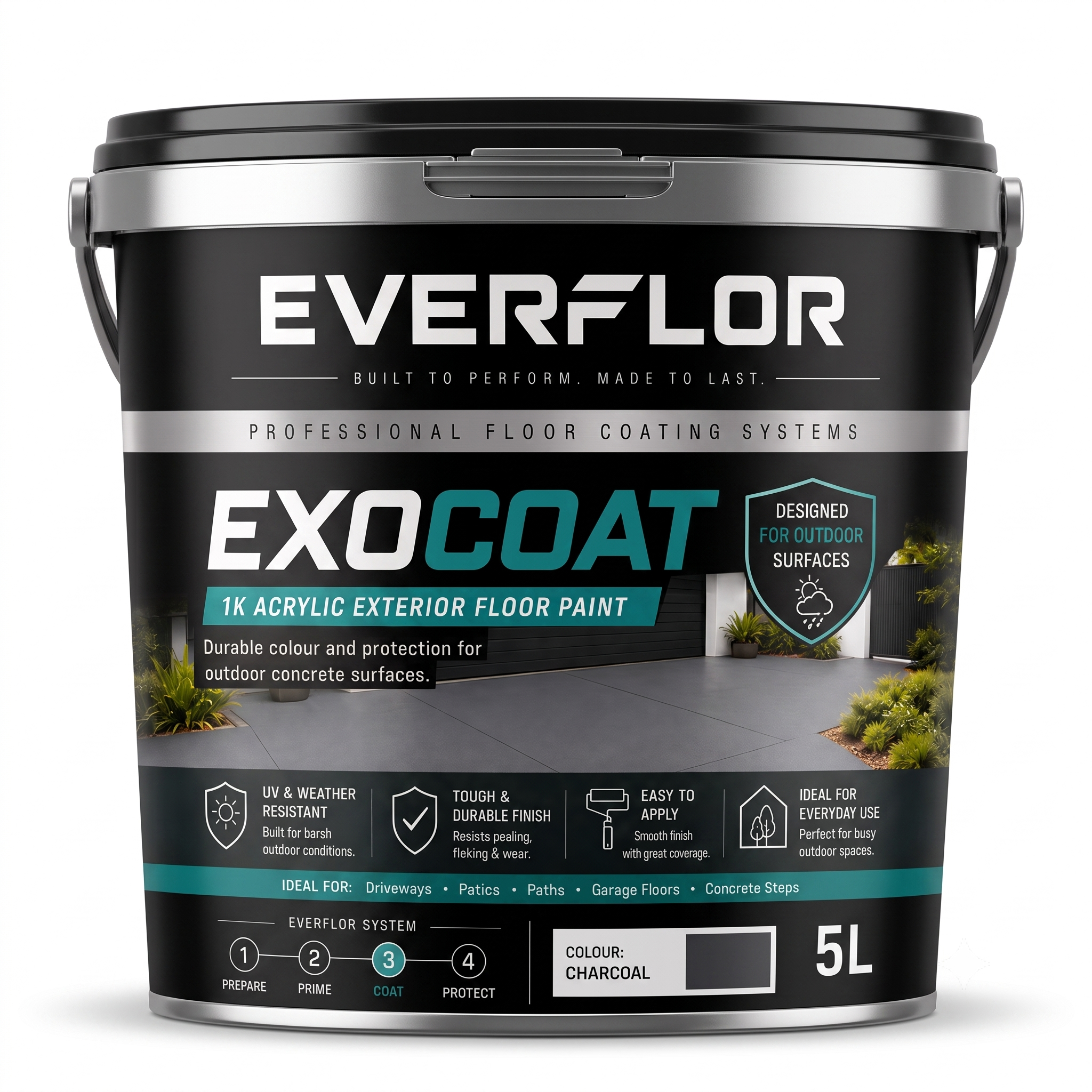
EverFlor - ExoCoat

From £52.66
  • Black (RAL 9005)
  • Anthracite Grey (RAL 7016)
  • Dark Grey (RAL 7015)
  • Mid Grey (RAL 7042)
  • Light Grey (RAL 7038)
Sold Out
EverFlor - UniSeal - Concrete Sealer - Wetlook - Everest Paints
Brand:EverFlor
  • Black (RAL 9005)
  • Anthracite Grey (RAL 7016)
  • Dark Grey (RAL 7015)
  • Mid Grey (RAL 7042)
  • Light Grey (RAL 7038)
Sold Out
EverFlor - UniSeal - Concrete Sealer - Wetlook - Everest Paints
Brand:EverFlor
  • Black (RAL 9005)
  • Dark Grey (RAL 7016)
  • Mid Grey (RAL 7001)
  • Light Grey (RAL 7035)
  • Signal White (RAL 9003)
Sold Out
EverFlor - UniSeal - Concrete Sealer - Wetlook - Everest Paints
Brand:EverFlor
  • Black (RAL 9005)
  • Dark Grey (RAL 7016)
  • Mid Grey (RAL 7001)
  • Light Grey (RAL 7035)
  • Signal White (RAL 9003)
Sold Out
EverFlor - UniSeal - Concrete Sealer - Wetlook - Everest Paints
Brand:EverFlor
  • Black (RAL 9005)
  • Dark Grey (RAL 7016)
  • Mid Grey (RAL 7001)
  • Light Grey (RAL 7035)
  • Signal White (RAL 9003)
5.0
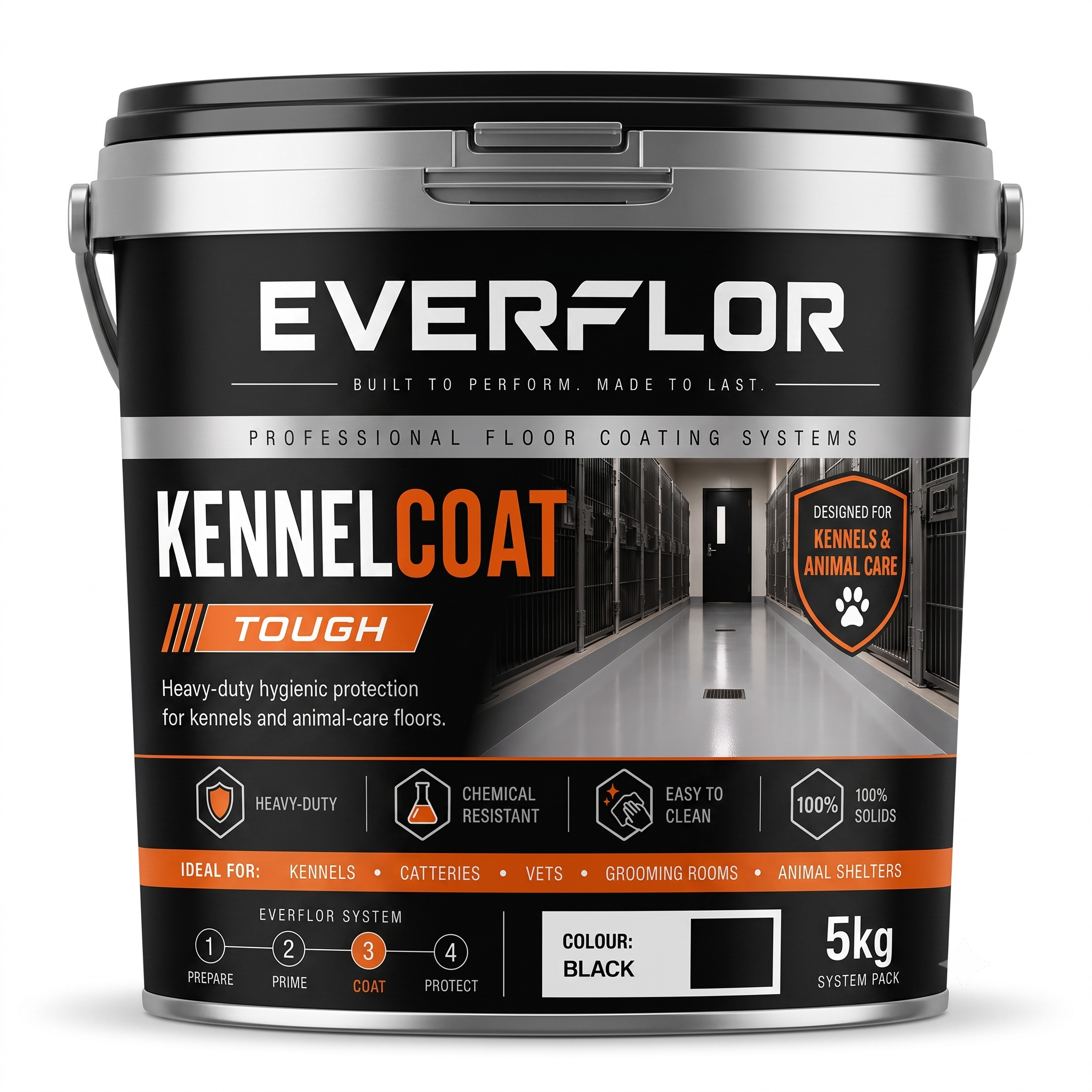
EverFlor - KennelCoat Tough - Everest Paints
Brand:EverFlor
  • Black (RAL 9005)
  • Dark Grey (RAL 7016)
  • Mid Grey (RAL 7001)
  • Light Grey (RAL 7035)
  • Signal White (RAL 9003)
4.9
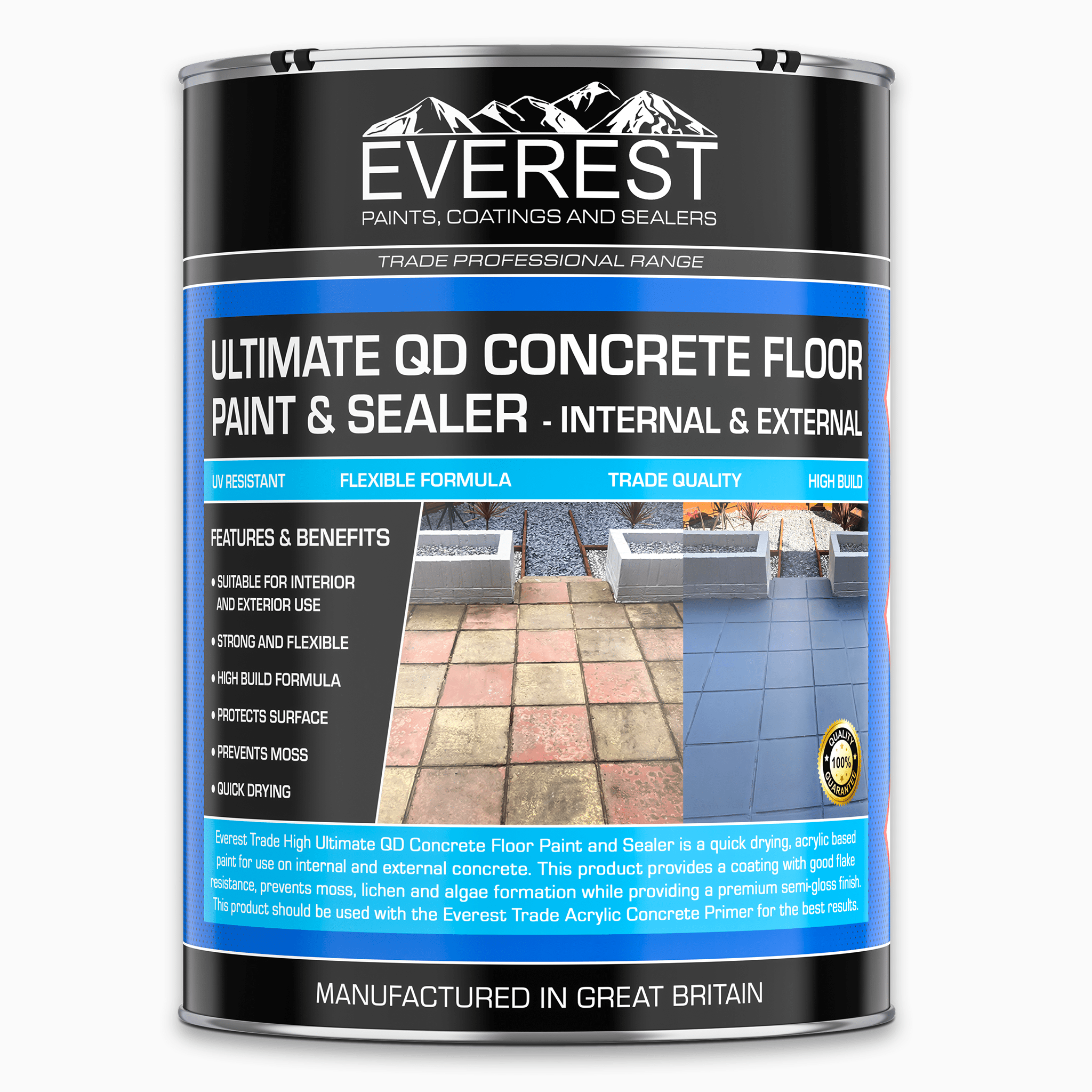
Everest - Ultimate QD Concrete Floor Paint and Sealer - Anti - Slip - Everest Paints
  • Black
  • Anthracite Grey
  • Dark Grey (Slate Grey)
  • Mid Grey (Traffic Grey A)
  • Light Grey (Agate Grey)
Quick Drying

Touch Dry in 2-4 Hours

Internal & External

Indoor & Outdoor Use

UV Stable

Fade Resistant Coating

Flexible Coating

Resists Cracking & Peeling

Algae Resistant

Prevents Moss & Lichen

Made in England

British manufacturing

Everest - Ultimate QD Concrete Floor Paint and Sealer - Anti - Slip - Everest Paints
  • Black
  • Anthracite Grey
  • Dark Grey (Slate Grey)
  • Mid Grey (Traffic Grey A)
  • Light Grey (Agate Grey)
Quick Drying

Touch Dry in 2-4 Hours

Internal & External

Indoor & Outdoor Use

UV Stable

Fade Resistant Coating

Flexible Coating

Resists Cracking & Peeling

Algae Resistant

Prevents Moss & Lichen

Made in England

British manufacturing

Sold Out
EverFlor - UniSeal - Concrete Sealer - Wetlook - Everest Paints
Brand:EverFlor

EverFlor - AsphaltCoat

From £47.87
  • Black (RAL 9005)
  • Red Tarmac (RAL 3009)
  • Mid Green (RAL 6002)
  • White (RAL 9003)
  • Safety Blue (RAL 5015)
Sold Out
EverFlor - UniSeal - Concrete Sealer - Wetlook - Everest Paints
Brand:EverFlor
  • Black (RAL 9005)
  • Red Tarmac (RAL 3009)
  • Mid Green (RAL 6002)
  • White (RAL 9003)
  • Safety Blue (RAL 5015)
Sold Out
EverFlor - UniSeal - Concrete Sealer - Wetlook - Everest Paints
Brand:EverFlor
  • Black (RAL 9005)
  • Dark Grey (RAL 7016)
  • Mid Grey (RAL 7001)
  • Light Grey (RAL 7035)
  • Signal White (RAL 9003)
Two-Pack Epoxy

Industrial grade coating

100% Solids

Solvent free, no shrinkage

High Build Formula

Up to 5x thicker

Extreme Durability

Withstands heavy forklift traffic

Chemical Resistant

Resists oil, acids, alkalis

Gloss Finish

Easy-clean surface

Sold Out
EverFlor - UniSeal - Concrete Sealer - Wetlook - Everest Paints
Brand:EverFlor
  • Black (RAL 9005)
  • Dark Grey (RAL 7016)
  • Mid Grey (RAL 7001)
  • Light Grey (RAL 7035)
  • Signal White (RAL 9003)
Two-Pack Epoxy

Industrial grade coating

100% Solids

Solvent free, no shrinkage

High Build Formula

Up to 5x thicker

Extreme Durability

Withstands heavy forklift traffic

Chemical Resistant

Resists oil, acids, alkalis

Gloss Finish

Easy-clean surface

Sold Out
EverFlor - UniSeal - Concrete Sealer - Wetlook - Everest Paints
Brand:EverFlor
  • Black (RAL 9005)
  • Dark Grey (RAL 7016)
  • Mid Grey (RAL 7001)
  • Light Grey (RAL 7035)
  • Signal White (RAL 9003)
Two-Pack Epoxy

Industrial grade coating

100% Solids

Solvent free, no shrinkage

High Build Formula

Up to 5x thicker

Extreme Durability

Withstands heavy forklift traffic

Chemical Resistant

Resists oil, acids, alkalis

Gloss Finish

Easy-clean surface

Sold Out
EverFlor - UniSeal - Concrete Sealer - Wetlook - Everest Paints
Brand:EverFlor
  • Black (RAL 9005)
  • Dark Grey (RAL 7016)
  • Mid Grey (RAL 7001)
  • Light Grey (RAL 7035)
  • Signal White (RAL 9003)
Two-Pack Epoxy

Industrial grade coating

100% Solids

Solvent free, no shrinkage

High Build Formula

Up to 5x thicker

Extreme Durability

Withstands heavy forklift traffic

Chemical Resistant

Resists oil, acids, alkalis

Gloss Finish

Easy-clean surface

Sold Out
EverFlor - UniSeal - Concrete Sealer - Wetlook - Everest Paints
Brand:EverFlor
  • Black (RAL 9005)
  • Dark Grey (RAL 7016)
  • Mid Grey (RAL 7001)
  • Light Grey (RAL 7035)
  • Signal White (RAL 9003)
Sold Out
EverFlor - UniSeal - Concrete Sealer - Wetlook - Everest Paints
Brand:EverFlor
  • Safety Yellow (RAL 1023)
  • Signal White (RAL 9003)
Sold Out
EverFlor - UniSeal - Concrete Sealer - Wetlook - Everest Paints
Sold Out
EverFlor - UniSeal - Concrete Sealer - Wetlook - Everest Paints
Sold Out
EverFlor - UniSeal - Concrete Sealer - Wetlook - Everest Paints
Sold Out
EverFlor - UniSeal - Concrete Sealer - Wetlook - Everest Paints

Floor Paints, Primers and Sealers for Concrete Surfaces

Duty classification:
Light to Heavy Duty
Suitable substrates:
Concrete Cement screed previously painted floors asphalt

System Overview

For concrete, cement screed and other mineral-based floors, protective paint, primer and sealer systems are used to consolidate the substrate, reduce dusting and provide a durable working surface suitable for domestic, commercial and industrial environments.

Floor coatings within this category include penetrating sealers, surface primers and protective floor paints formulated using technologies such as water-based acrylics, solvent-based or solvent-free epoxies, polyaspartic coatings and single-pack polyurethane finishes. These systems are commonly used as standalone protective coatings or as part of a multi-layer floor coating build-up designed to improve durability and service life.

Typical applications include garages, warehouses, workshops, service corridors, plant rooms and commercial floors where concrete requires sealing against dust generation, oil contamination, tyre traffic or light chemical exposure. Primers and sealers are often specified as the first stage of a complete resin floor coating system, improving adhesion and stabilising porous substrates prior to the application of higher build epoxy, polyurethane or polyaspartic finishes.

The choice of technology influences performance characteristics such as abrasion resistance, cure time, chemical resistance and suitability for external environments.

Suitable Substrates & Surface Preparation

Concrete and cementitious screeds must be structurally sound, clean and free from contaminants prior to coating. Surface laitance, curing compounds, grease, oil and existing weak coatings can significantly reduce adhesion if not removed during preparation.

Mechanical preparation methods such as diamond grinding or shot blasting are typically preferred for industrial floors, as they remove surface contamination while opening the concrete profile to improve coating penetration and mechanical key. For lighter-duty environments, chemical cleaning and acid etching may be used where appropriate to remove surface residues and improve adhesion.

Previously painted floors should be assessed for coating integrity before overcoating. Any loose or poorly bonded material must be removed and sound coatings abraded to create a stable surface for reapplication.

Asphalt and bituminous substrates require compatible coating systems designed to tolerate substrate movement and plasticiser migration. Rigid high-build coatings may not be appropriate for flexible asphalt surfaces.

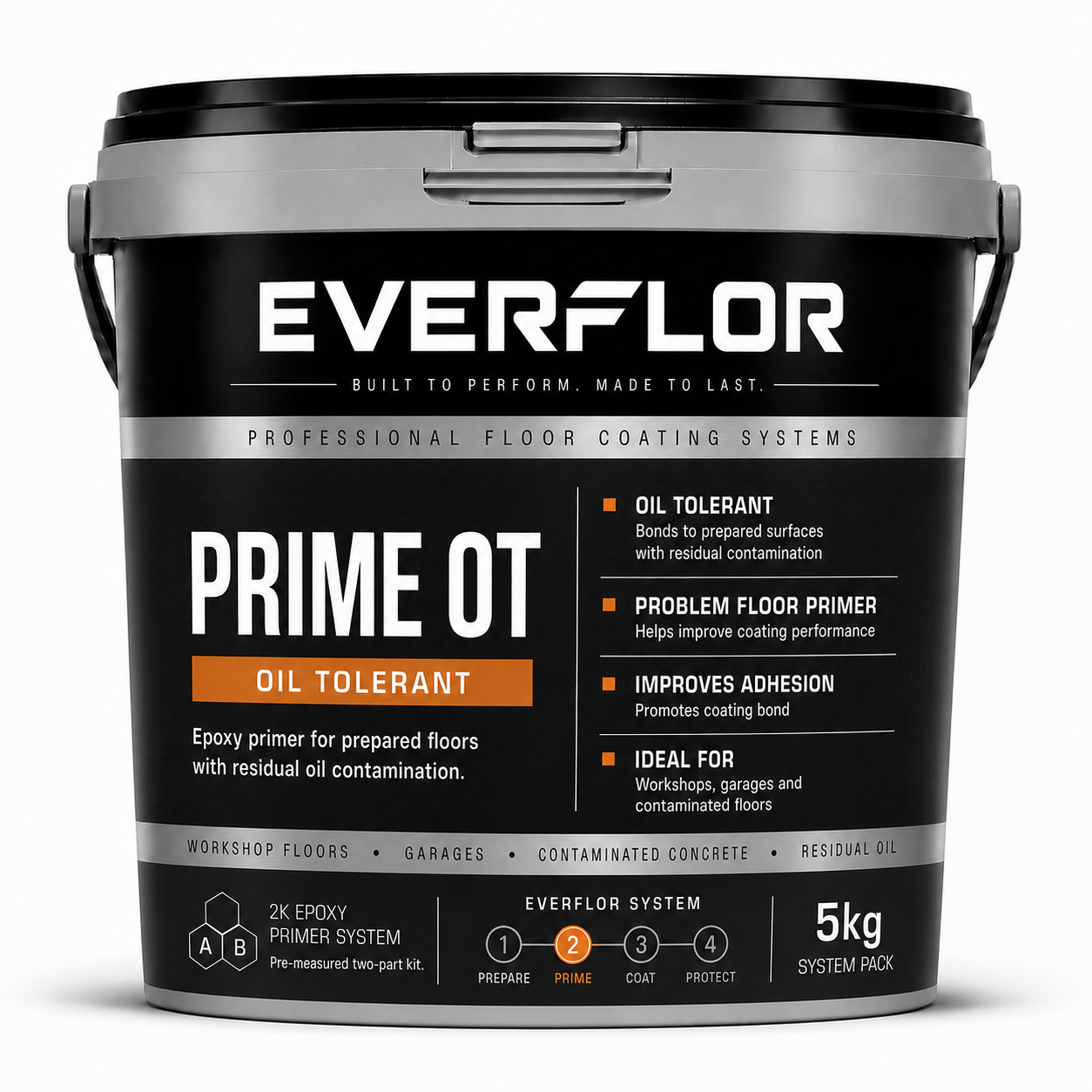
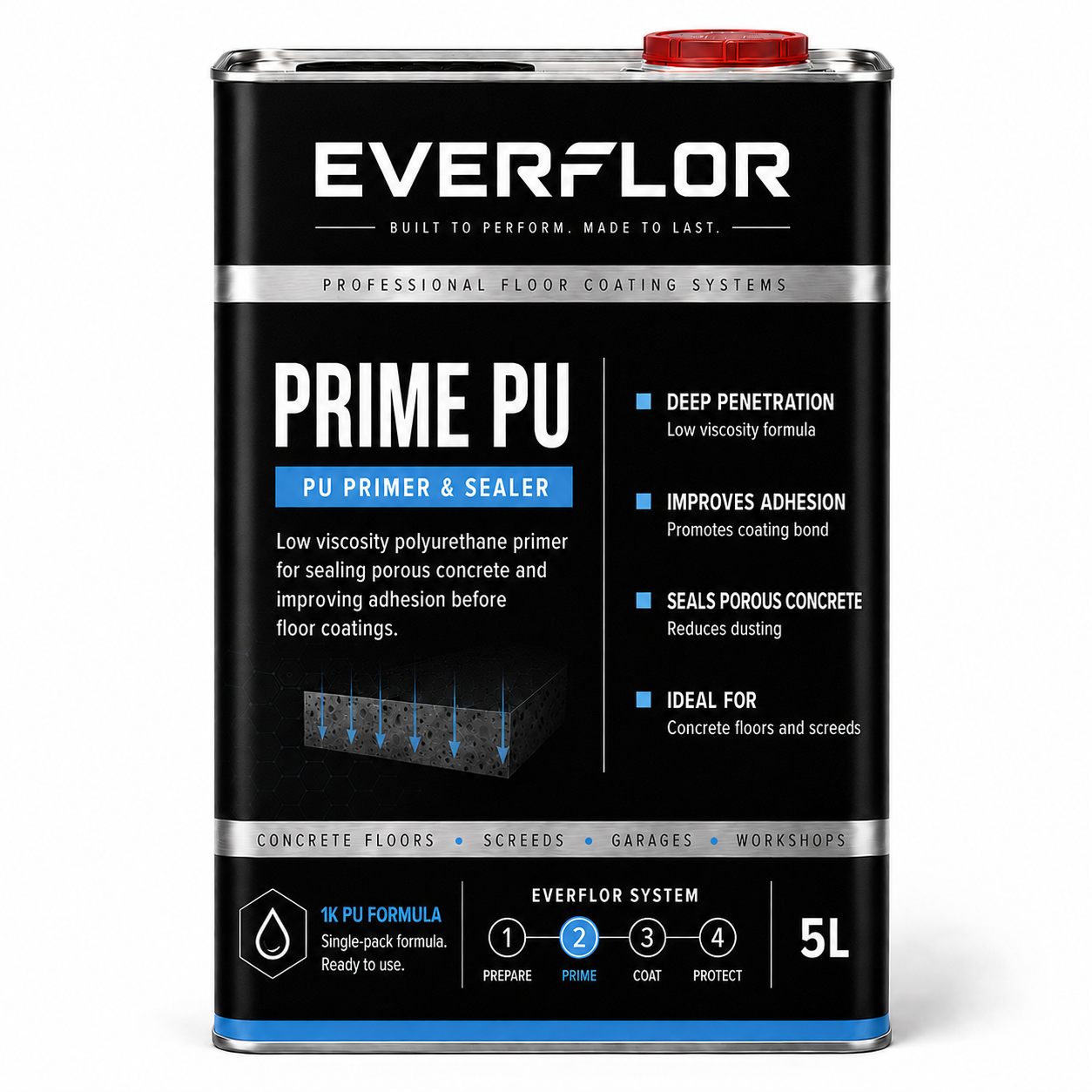
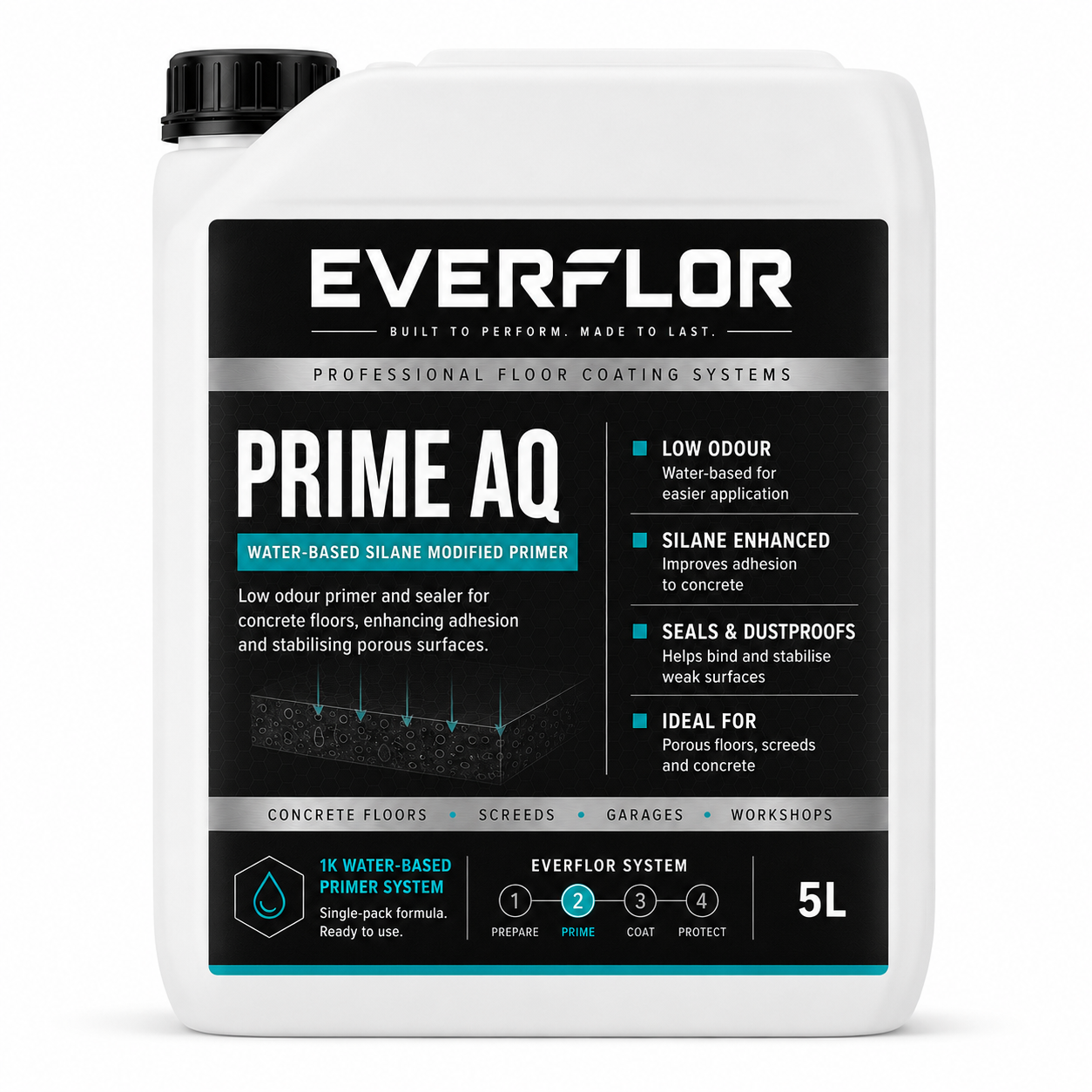
Primers and penetrating sealers are commonly applied to stabilise porous concrete, improve adhesion and reduce pinholing in subsequent coating layers.

Performance Characteristics & Limitations

Floor paints and sealers provide a protective film or penetrating barrier that improves surface durability and reduces dust generation from untreated concrete. Abrasion resistance varies depending on coating chemistry, film build and traffic exposure.

Epoxy-based systems are widely used where chemical resistance, oil tolerance and mechanical durability are required. These systems are commonly specified for workshops, industrial floors and areas exposed to vehicle traffic or cleaning chemicals.

Acrylic and single-pack polyurethane floor paints are generally easier to apply and suitable for lighter duty applications, including domestic garages, storage areas and utility spaces. These coatings provide surface protection but typically offer lower resistance to heavy traffic, aggressive chemicals or sustained abrasion compared with two-pack resin systems.

Polyaspartic and advanced polyurethane coatings may be used where rapid curing, improved flexibility or enhanced UV stability is required.

Performance and longevity are highly dependent on correct surface preparation, appropriate primer selection and the suitability of the coating system for the expected service conditions.

Internal vs External Considerations

Internal floors typically prioritise abrasion resistance, chemical tolerance and resistance to oil or grease contamination. Epoxy coatings are frequently used for internal environments where UV exposure is minimal and maximum durability is required.

External concrete floors are exposed to sunlight, moisture and temperature variation, which can influence coating selection. Some epoxy systems may discolour or chalk under sustained UV exposure, making UV-stable technologies such as acrylics or polyurethane coatings more appropriate for outdoor areas.

External environments also introduce additional factors such as freeze–thaw cycles, standing water and thermal movement within the substrate. Flexible or breathable coating systems may be beneficial where these conditions are present.

Slip resistance can also be adjusted through the incorporation of anti-slip aggregates where pedestrian or vehicle safety is a concern.

Selection Guidance & When to Specify Alternatives

Selection should be based on substrate condition, environmental exposure and expected traffic levels rather than coating type alone. Light-duty areas with occasional foot traffic may be adequately protected using acrylic or single-pack polyurethane floor paints, particularly where ease of application and rapid recoat intervals are required.

Where floors are exposed to forklift traffic, pallet movement, oil contamination or regular cleaning chemicals, higher performance two-pack epoxy systems are typically more appropriate due to their superior mechanical and chemical resistance.

For projects requiring rapid return to service or installation in cooler temperatures, fast-curing technologies such as polyaspartic coatings may be considered.

Primers and penetrating sealers should be specified when substrates are highly porous, dusty or previously untreated, as these materials improve adhesion and stabilise the surface prior to applying protective floor coatings.

Where significantly higher durability or chemical resistance is required, dedicated high-build epoxy floor coating systems should be specified as part of a complete multi-layer resin flooring system.

Compare Epoxy Floor Systems

Floor Paints, Primers and Sealers FAQs

View All FAQ's

Technical Guidance & Application Advice

Concrete floor coatings rely heavily on correct substrate preparation, moisture control and the appropriate choice of resin technology for the service environment. Primers, sealers and finishing coats must be selected as part of a compatible system based on traffic levels, chemical exposure and internal or external conditions. Epoxy, acrylic, polyurethane and polyaspartic technologies each behave differently in terms of curing, adhesion and durability, so specification should reflect the substrate condition and operational demands.

How should concrete floors be prepared before applying floor paints, primers or sealers?

Preparation is the most critical factor influencing coating adhesion and long-term durability. Concrete floors should be clean, dry and structurally sound, with all laitance, grease, oils and previous weak coatings removed. Mechanical preparation methods such as diamond grinding or shot blasting are generally preferred to create a suitable surface profile. Smooth or power-floated concrete may require additional abrasion. Moisture levels should be assessed before applying epoxy systems, particularly where ground-bearing slabs are involved. Poor preparation often leads to premature coating failure regardless of the resin technology used.

When should a primer or sealer be used before applying a floor paint or coating?

Primers and sealers are typically required where concrete is porous, dusty or unevenly absorbent. They stabilise the substrate, improve adhesion and reduce the risk of pinholing in subsequent coatings. Epoxy primers are commonly used beneath high-build epoxy systems, particularly on industrial floors subject to traffic or chemical exposure. Penetrating sealers can also consolidate weak surfaces before overcoating. On previously painted floors, the need for a primer depends on the condition and compatibility of the existing coating. Patch testing is advisable where substrate history is uncertain.

What factors determine whether a single-pack floor paint or a two-pack epoxy system should be specified?

The choice depends primarily on expected traffic levels, mechanical wear and exposure to chemicals or oils. Single-pack acrylic or polyurethane floor paints are generally suitable for light to moderate duty environments such as domestic garages or storage areas. Two-pack epoxy systems provide higher film build, improved abrasion resistance and greater chemical tolerance, making them more appropriate for warehouses, workshops and industrial floors. While single-pack coatings are easier to apply, they typically offer lower long-term durability in demanding environments.

Can floor paints or epoxy coatings be applied to previously painted concrete floors?

Overcoating previously painted floors is possible provided the existing coating is well bonded and compatible with the new system. Any loose, flaking or poorly adhered material must be removed before application. Surfaces should be thoroughly cleaned and mechanically abraded to promote adhesion. In some cases a compatible primer may be required to ensure proper bonding between the existing coating and the new system. If the type of previous paint is unknown, a small adhesion test area is recommended before full application.

How does moisture in concrete affect epoxy floor coatings?

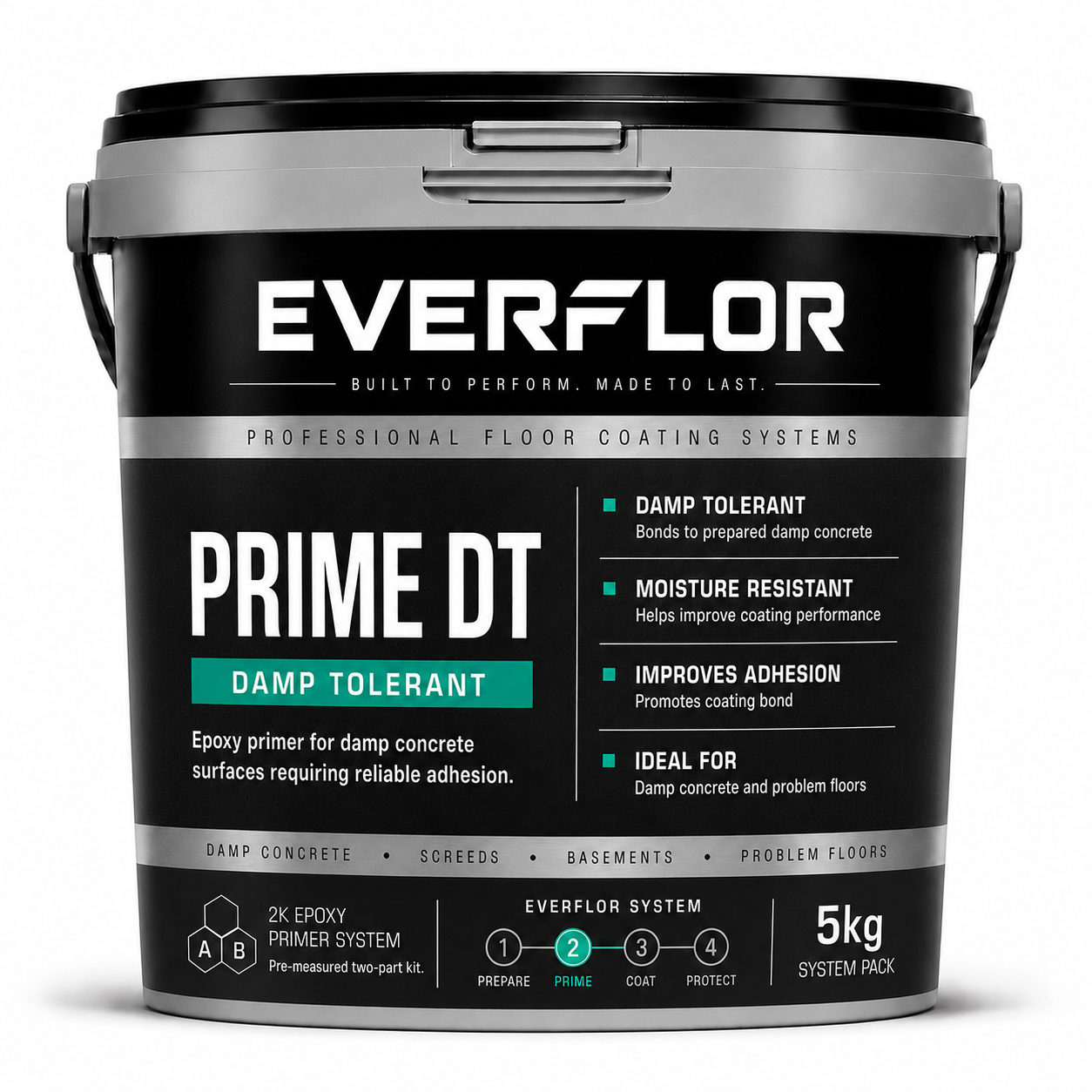
Moisture within concrete can significantly affect the performance of solvent-free and water-based epoxy systems. Excess moisture vapour transmission may lead to blistering, loss of adhesion or osmotic defects after installation. Newly laid concrete should normally be allowed sufficient curing time before coating, and moisture testing is advisable for ground-bearing slabs or areas without an effective damp proof membrane. Where elevated moisture levels are present, a moisture-tolerant epoxy primer or damp proof membrane system may be required before applying the final floor coating.

Which floor coating technologies are suitable for external concrete floors or yards?

External environments introduce additional considerations such as UV exposure, temperature variation and weathering. Traditional epoxy coatings can chalk or discolour when exposed to direct sunlight, although this usually affects appearance rather than basic protection. For areas exposed to sunlight, water-based acrylic coatings or polyurethane systems are often preferred due to their improved UV stability. Polyaspartic coatings may also be used where rapid curing and return-to-service are required. The chosen system should still be matched to expected traffic loads and substrate condition.

Didn’t find your answer?

Don't hestitate to contact us

Expert Advice & Guides

A few of our most recent guides applicable to this product range.

View Technical Hub

This section doesn’t currently include any content. Add content to this section using the sidebar.