System Overview
This department covers coatings for timber and metal, from garden fences and decking to gates, railings and farm steelwork. It is arranged as three lists. Each list sorts the same coatings in a different way.
By Material sorts by the surface: Wood Surfaces, Metal Surfaces, Galvanised Steel and Primers & Preparation. By Use sorts by the structure being painted. By Coating Type sorts by the role the coating plays within a system.
Water-based acrylic, oil-based gloss, alkyd and polyurethane technologies all appear across these ranges. A product can sit in several ranges at once. Acrylic Barn Paint, for example, is listed under both Wood Surfaces and Metal Surfaces.
The department page also lists products directly. They include decking, fence and barn paints, metal primers and a hoarding paint. Each of them also sits in one or more of the ranges below.
Suitable Substrates & Surface Preparation
Timber and metal behave differently under a coating, so they are prepared differently. Timber is porous and moves in service. Ferrous metal corrodes where it is left unprotected.
Wood Surfaces covers bare timber and previously painted wood. Metal Surfaces is formulated for steel and previously painted metal. Galvanised Steel has its own range, because conventional coatings often struggle to bond to it.
Some ranges reach beyond timber and steel. Farm & Agricultural Structure Paints is designed for galvanised steel, timber, fibre cement and masonry surfaces.
As general practice, a surface should be clean, dry and sound before any coating goes on. Loose paint, rust and dirt come off first. A sound existing coating is lightly abraded so the new coat can key.
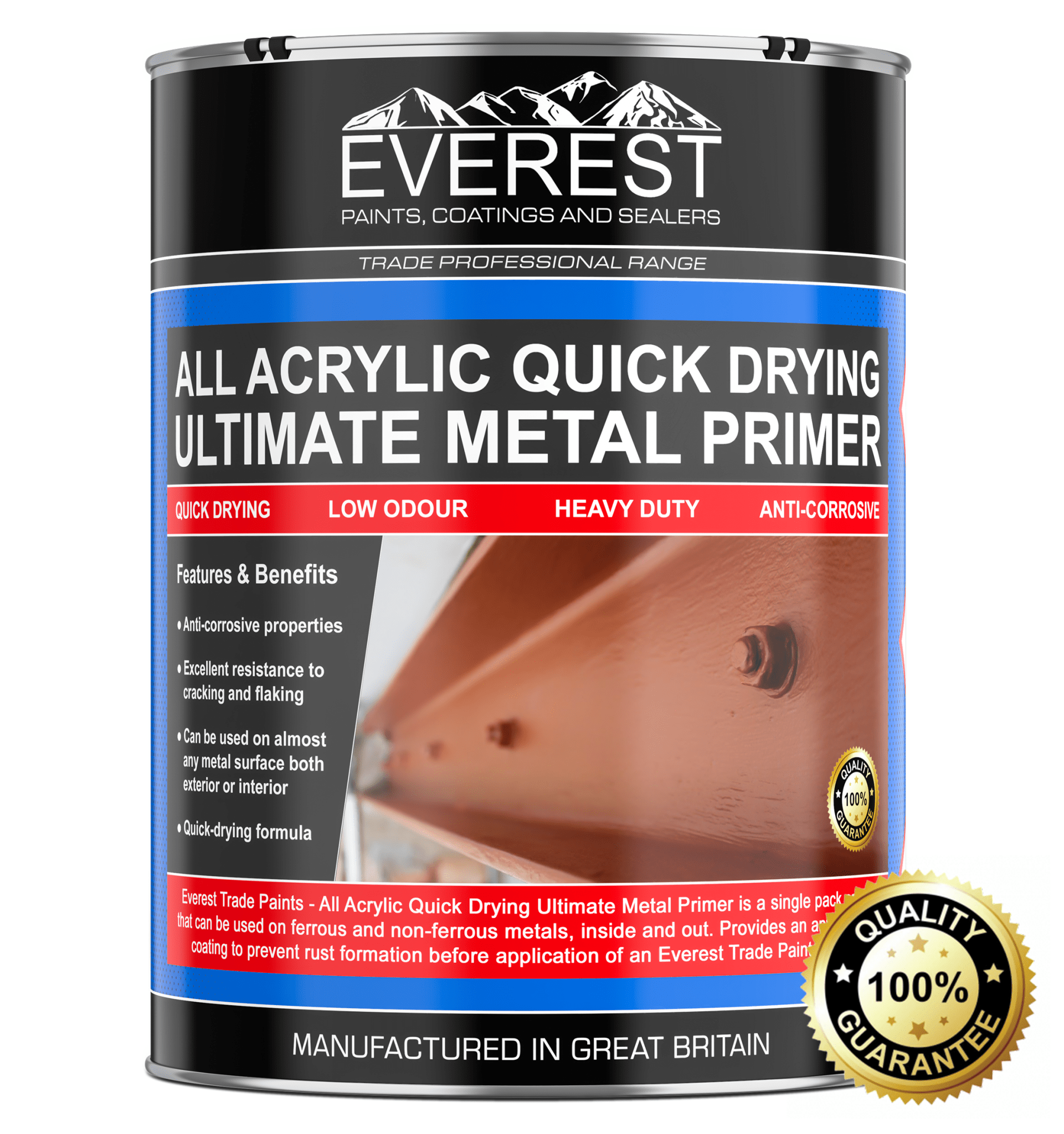
Primers & Preparation holds the base layer for these systems. Its primers seal porous timber, protect ferrous metal against corrosion and help topcoats adhere.
Performance Characteristics & Limitations
Performance depends on the range, not on the department as a whole. Coatings in Wood Surfaces form a flexible film that accommodates timber movement. They provide moisture resistance and weather protection.
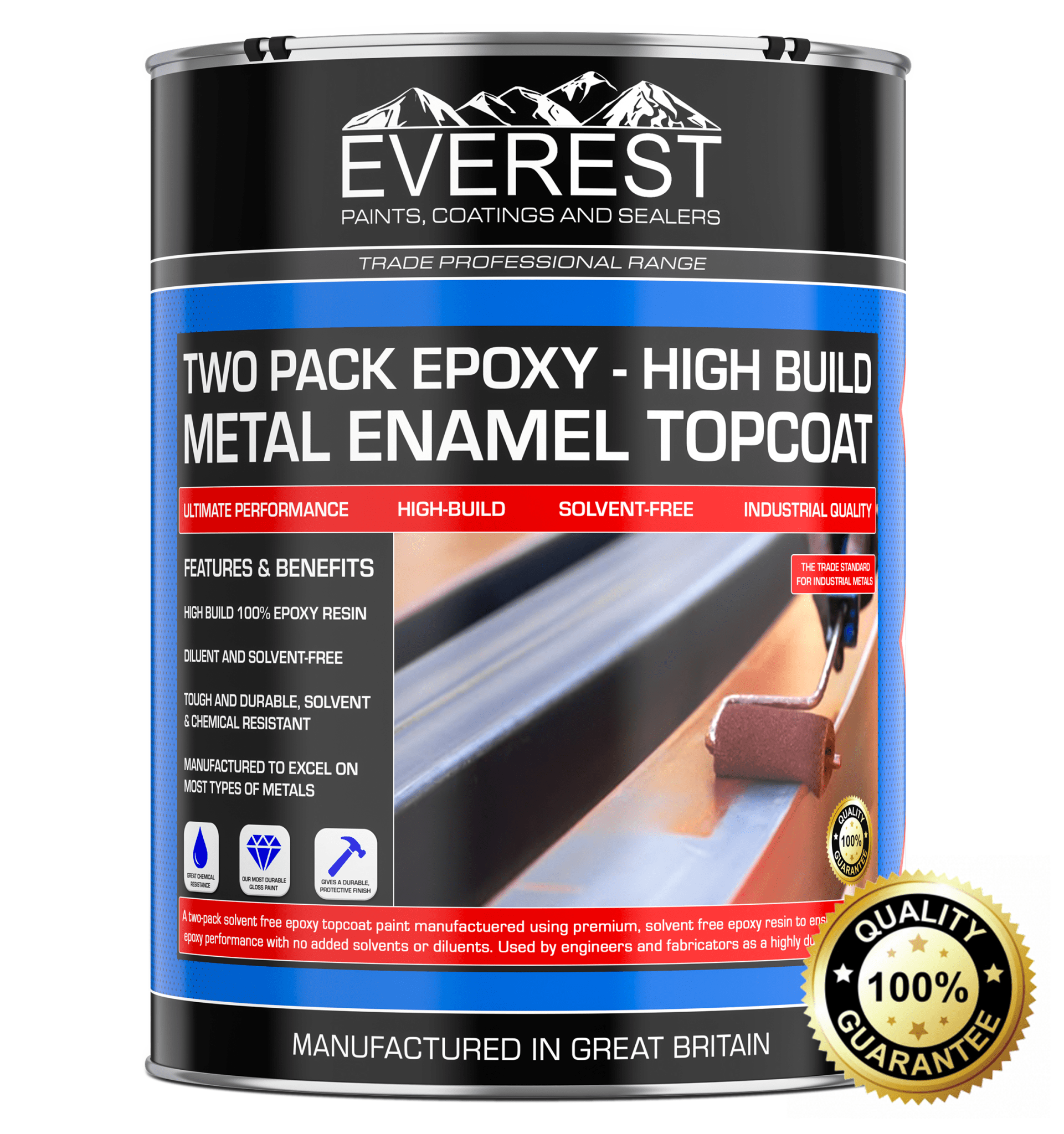
Coatings in Metal Surfaces form films that resist weathering and surface corrosion. Anti-Corrosion Coatings go further, with primer and topcoat systems for structural steel in industrial environments. That range supports medium to heavy duty maintenance.
Direct-to-Metal (DTM) Paints simplify specification for light to medium duty work. Where specified, the system provides both primer and topcoat functions.
Duty is stated for some ranges only. The fence and shed range is light to medium duty. The farm range spans light to heavy agricultural duty.
The department has clear limits. Concrete floors belong to Flooring. Masonry walls and roofs belong to Walls, Cladding & Roof Paints. Line marking belongs to Safety & Line Marking Paints.
Internal vs External Considerations
Several ranges are described for both internal and external use. Metal Surfaces, Galvanised Steel and Gates, Railings & Metalwork Paints all state it. Wood Surfaces and Wood Paints & Stains cover interior and exterior timber.
Other ranges are written around outdoor exposure. Fences & Shed Paints and Decking & Outdoor Wood Paints are for exterior wood exposed to weathering. Both are water-based acrylic with UV resistant colour protection.
Outdoors, a film has to cope with rain, sunlight and movement in the surface beneath it. Indoors, wear and appearance tend to decide the choice. Read the range description before assuming a coating suits both.
Decking adds foot traffic to weathering. The decking range lists its decking paint in a standard and an anti-slip version.
Selection Guidance & When to Specify Alternatives
Choose the list that matches what is already known about the job. If the surface is known, use By Material. If the structure is known, use By Use. If the specification names a coating type, use By Coating Type.
For domestic timber, the fence, shed and decking ranges are the direct route. For gates, railings and metal doors, use Gates, Railings & Metalwork Paints. For barns, livestock housing and steel-framed buildings, use Farm & Agricultural Structure Paints.
Step up when the exposure is heavier than a range describes. Structural steel in an industrial environment points to Anti-Corrosion Coatings, not a general metal finish. Bare timber or bare ferrous metal points to a primer before any topcoat.
Where two ranges seem to fit, compare their descriptions for substrate, exposure and duty. The narrower range is normally the safer starting point.
A range title is a guide, not a specification. Confirm the substrate, the preparation and the exposure against the product information before ordering.