



Everest Trade - Sellador para Pavimentos de Bloques - Alto Rendimiento - Sellador de Poliuretano Premium
El sellador de alto rendimiento para adoquines de Everest Trade es un sellador y estabilizador de arena de juntas a base de resina de poliuretano premium, disuelto en solvente, con una efectividad excepcional. Proporciona un recubrimiento transparente, duradero y de alta resistencia con un acabado satinado / aspecto húmedo.
Su penetración se produce por la evaporación del solvente, penetrando en los bloques y uniendo las partículas de arena para formar una junta elastomérica y proteger la superficie del adoquín de la infiltración de aceite y agua.
El sellador previene la formación de musgo y maleza cuando se aplica correctamente; las juntas deben ser rearenadas para obtener resultados óptimos.
100% resistente a la decoloración por luz UV, resistente a los tirones de neumáticos y resiste manchas de aceite y daños por agua.
Adecuado para - locales comerciales, públicos o industriales con tráfico pesado a extremadamente pesado, este producto también es perfecto para su uso en entradas residenciales para clientes que desean un producto extra duradero.
Mantiene la vida útil del pavimento. Proporciona ahorros significativos en los costos de vida útil y reduce el mantenimiento intermedio.USOS Y COMPATIBILIDAD DE SUPERFICIES
Adecuado para su uso en adoquines de concreto, ladrillos y concreto. No apto para adoquines de arcilla.
PRODUCTOS COMPATIBLES
Limpiador de Entradas - Everest Trade Limpiador de Entradas
Removedor de Manchas de Aceite - Everest Trade Removedor de Manchas de Aceite
Removedor de Eflorescencias - Everest Trade Removedor de Eflorescencias y SalesPROPIEDADES ESPECIALES
Se limpia fácilmente y soporta lavados regulares. También es resistente a la mayoría de los aceites.
RENDIMIENTO
- Primera capa: Aproximadamente 4 metros cuadrados por litro.
- Segunda capa: Aproximadamente 6 metros cuadrados por litro.
Esta es una estimación aproximada y varía según la condición de la entrada y la cantidad aplicada con cada capa.
Se puede aplicar una tercera capa para dar un acabado más húmedo si es necesario.
TIEMPO DE SECADO
En condiciones normales, está seco al tacto en aproximadamente 3-4 horas.
No conduzca sobre la superficie durante 24 horas después de la última capa.
APLICACIÓN
Brocha, Rodillo o Pulverizador.
Los pulverizadores proporcionarán los mejores resultados debido a que hay menos posibilidad de interferir con las juntas arenadas.
Los rodillos y las brochas son adecuados para la aplicación, tenga cuidado al pasar por encima de las juntas para obtener los mejores resultados.Tenemos herramientas de aplicación compatibles en nuestro sitio web.
Asegúrese de que la superficie esté 100% seca y libre de humedad o contaminantes antes de la aplicación. No aplique si hay alguna posibilidad de lluvia.PRECAUCIONES DE ALMACENAMIENTO
Almacene lejos del calor y las llamas. Asegure la tapa entre usos para evitar que el sellador se endurezca. Almacene lejos de las heladas.
DILUYENTES
No se requieren diluyentes con este producto, use disolvente universal o un limpiador de brochas propietario para la limpieza.
PREPARACIÓN DE LA SUPERFICIE
Asegúrese de que todas las superficies a sellar estén limpias, secas y libres de aceite y grasa y que haya un par de días de buen clima para que no haya posibilidad de lluvia durante la aplicación.
Delivery & Technical Support
Same Day Dispatch (Order by 11am)
Buy Direct From The Manufacturer
We Deliver To Mainland Europe
Technical Support From Coating Specialists
Our technical team can assist with product selection, surface preparation and application guidance.
Contact Technical SupportIf you have any questions, you are always welcome to contact us. We'll get back to you as soon as possible, within 24 hours on weekdays.
-
Delivery Information
Items dispatched the same working day if ordered before 11am, click here to read delivery policy
-
Customer Support
Looking for answers? Visit our Technical Hub for comprehensive advice on products, preparation, and troubleshooting, or simply call us on the number below.
-
FAQ’s
We get asked a lot of question, from preparation, product suitability to delivery information and returns. You can read through our most commonly asked questions Here
-
Contact Us
Need help, Call us on 0800 043 8220 from 8am to 4pm Monday to Friday and we will do our best to help.
Essential Information
Product Details
Description
Files & Data Sheets
The Knowledge Hub
Everything You Need to Know
Browse our collection of in-depth articles and how-to guides designed to help you get the most out of this product. whether you need help with surface preparation or application advice, we have you covered.
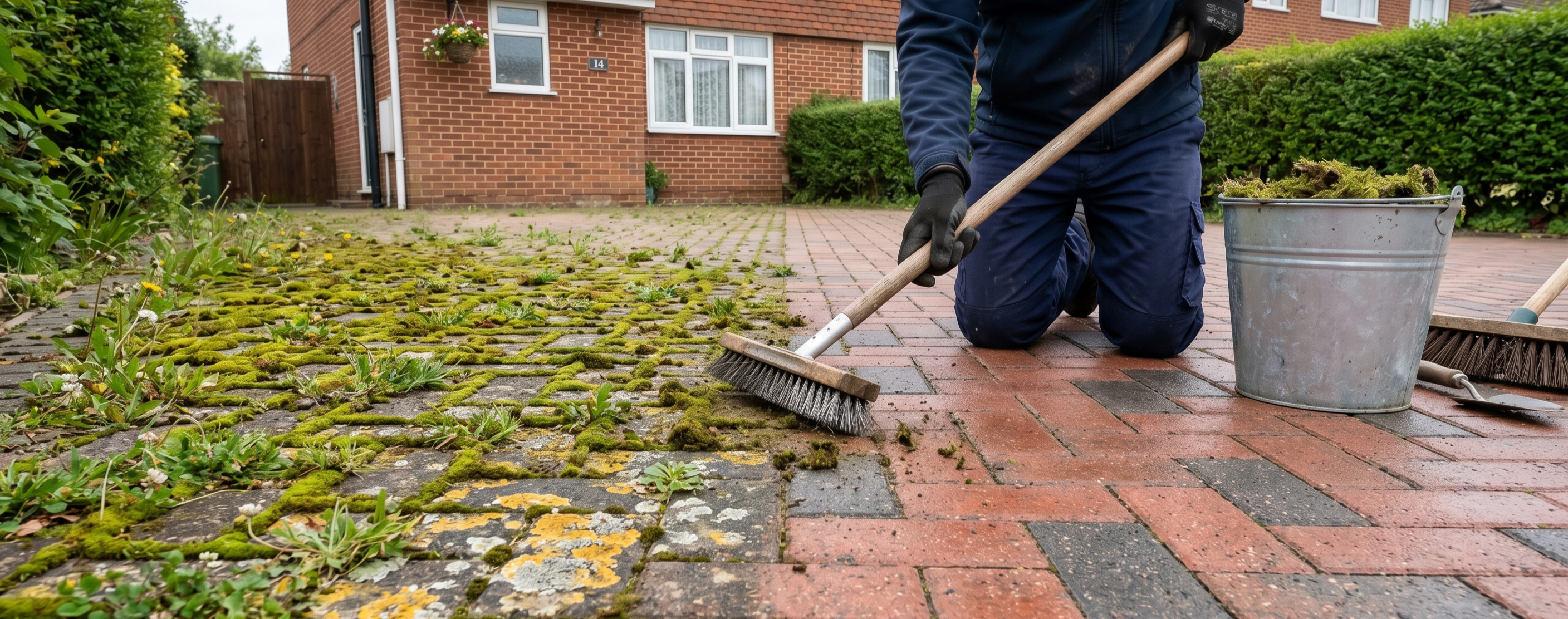
- por Sam Marriott
Restoring Block Paving: Removing Moss, Weeds, and Lichen
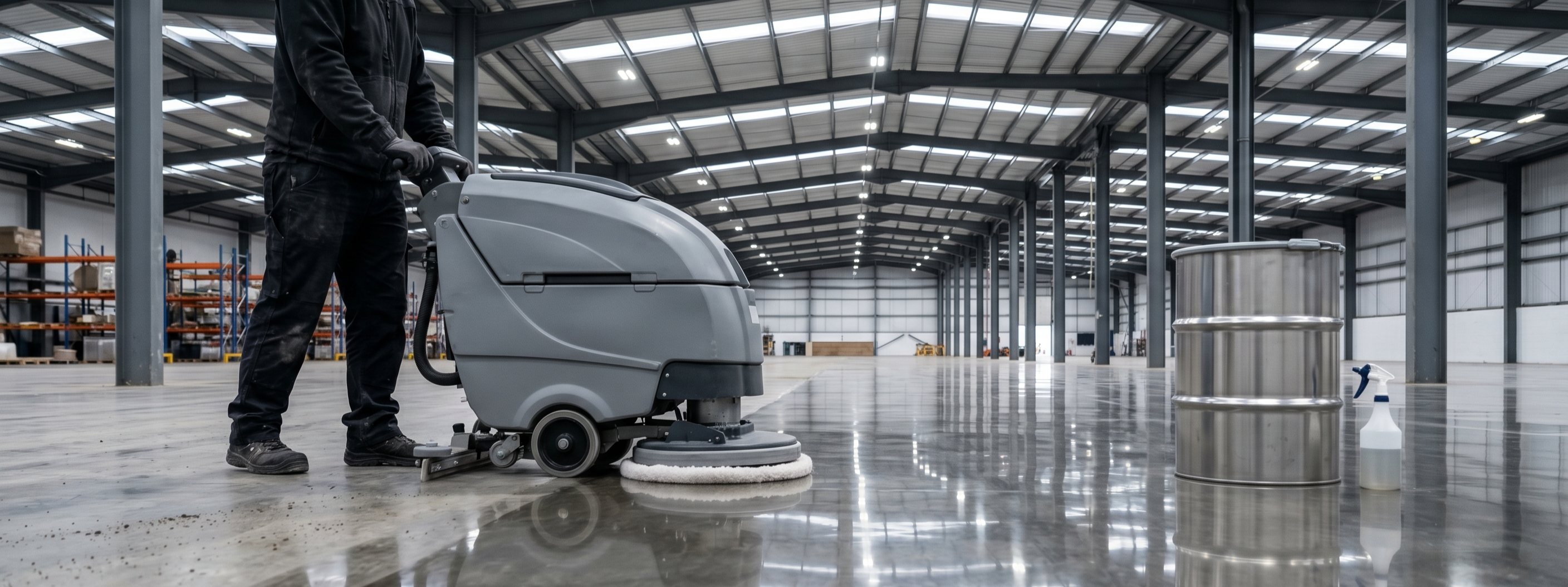
- por Sam Marriott
Deep Cleaning Polished Concrete Without Damaging the Shine
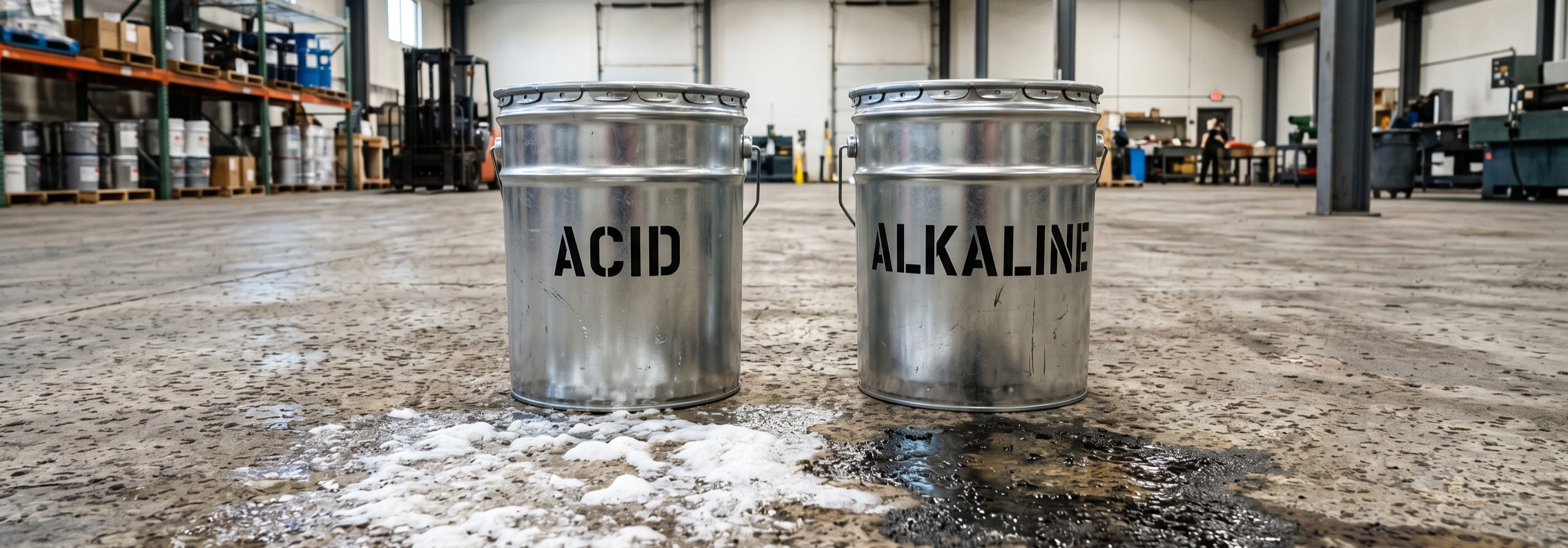
- por Sam Marriott
Acid vs. Alkaline Concrete Cleaners: Which is Best for Your Floor?

- por Sam Marriott
How to Sand a Painted Concrete Floor for Recoating