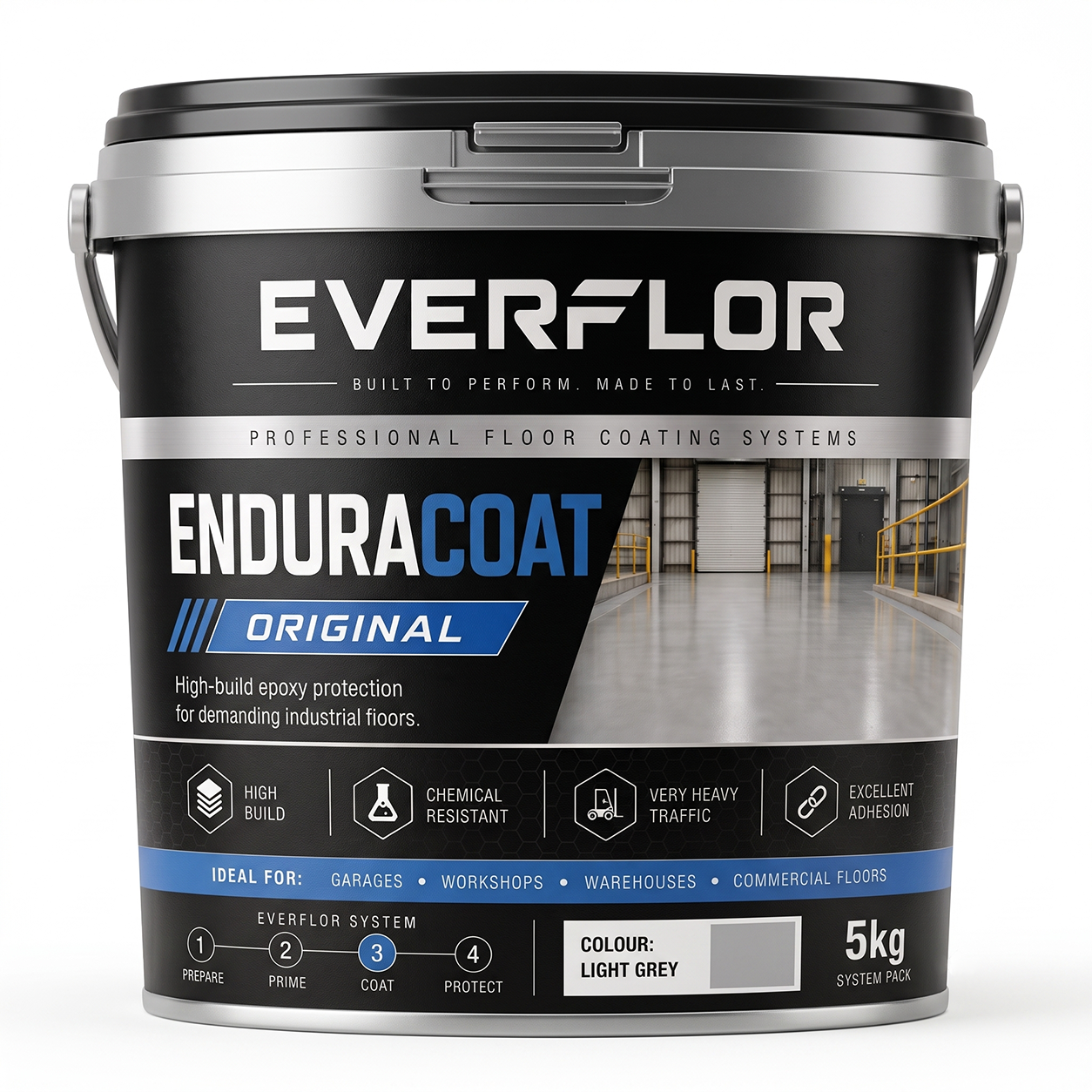
- Black (RAL 9005)
- Dark Grey (RAL 7016)
- Mid Grey (RAL 7001)
- Light Grey (RAL 7035)
- Signal White (RAL 9003)
100% Solids Technology
220 Microns Per Coat

Internal Floors Only

Easy Application
- Black (RAL 9005)
- Dark Grey (RAL 7016)
- Mid Grey (RAL 7001)
- Light Grey (RAL 7035)
- Signal White (RAL 9003)

Industrial grade coating

Solvent free, no shrinkage

Up to 5x thicker

Withstands heavy forklift traffic

Resists oil, acids, alkalis

Easy-clean surface
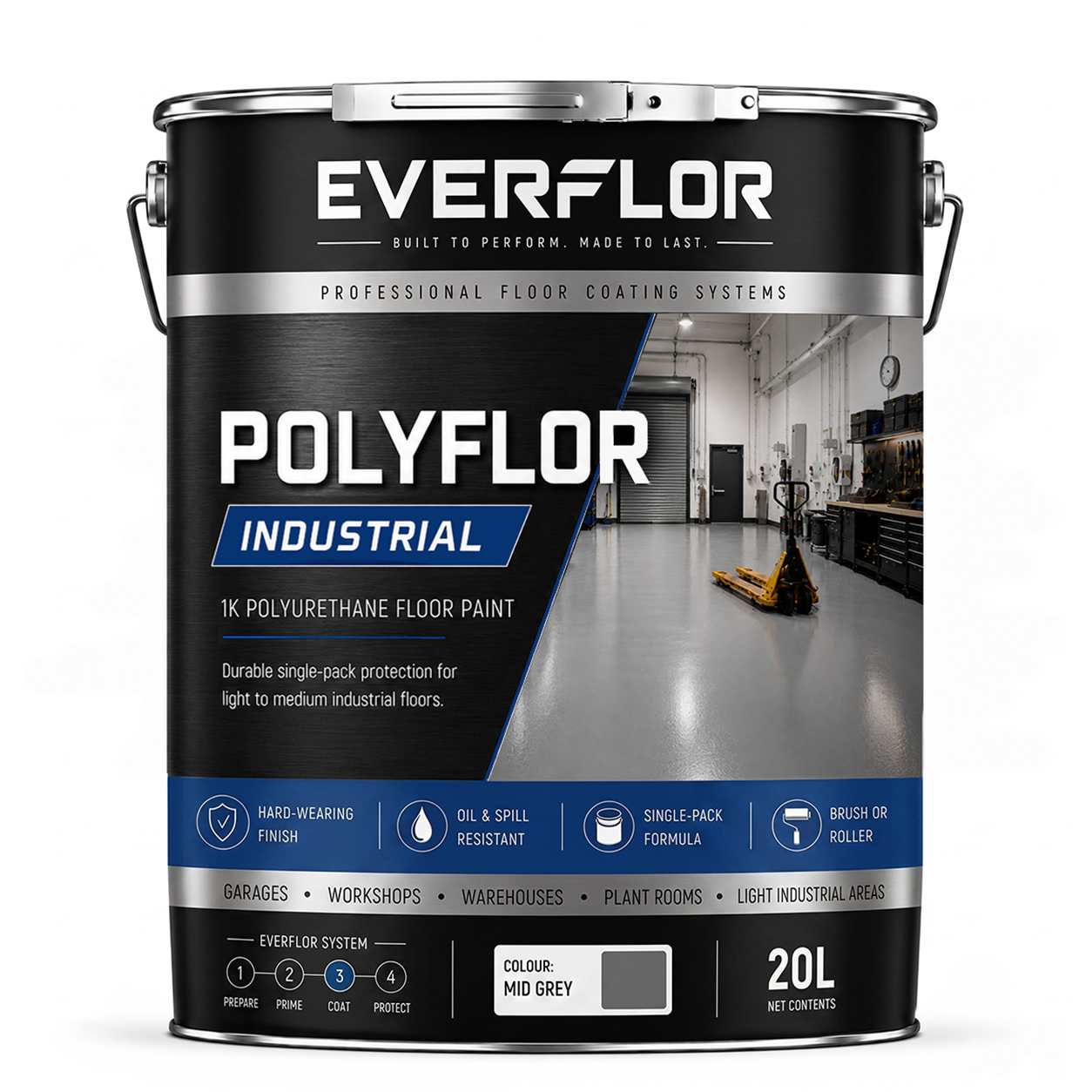
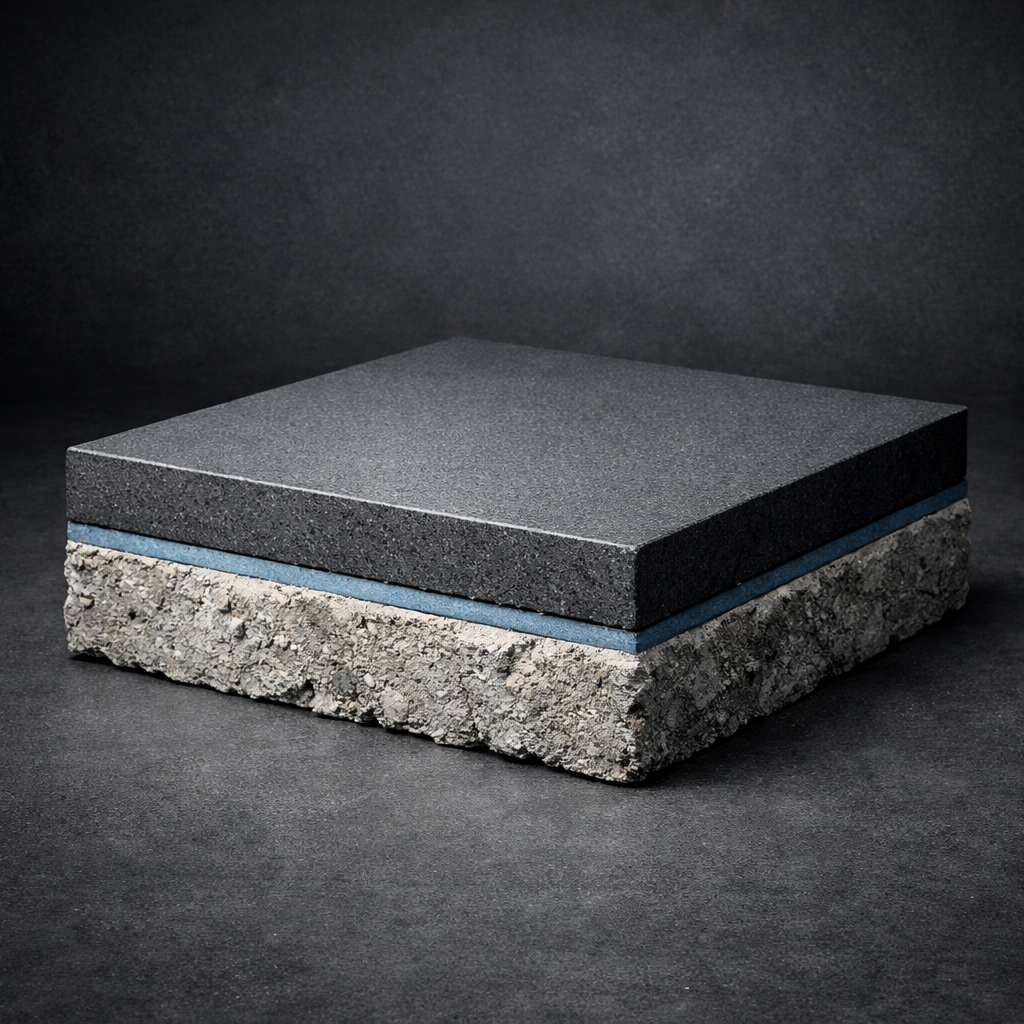
Forklift or Heavy Traffic?
Step Up to a 2K Resin Floor System
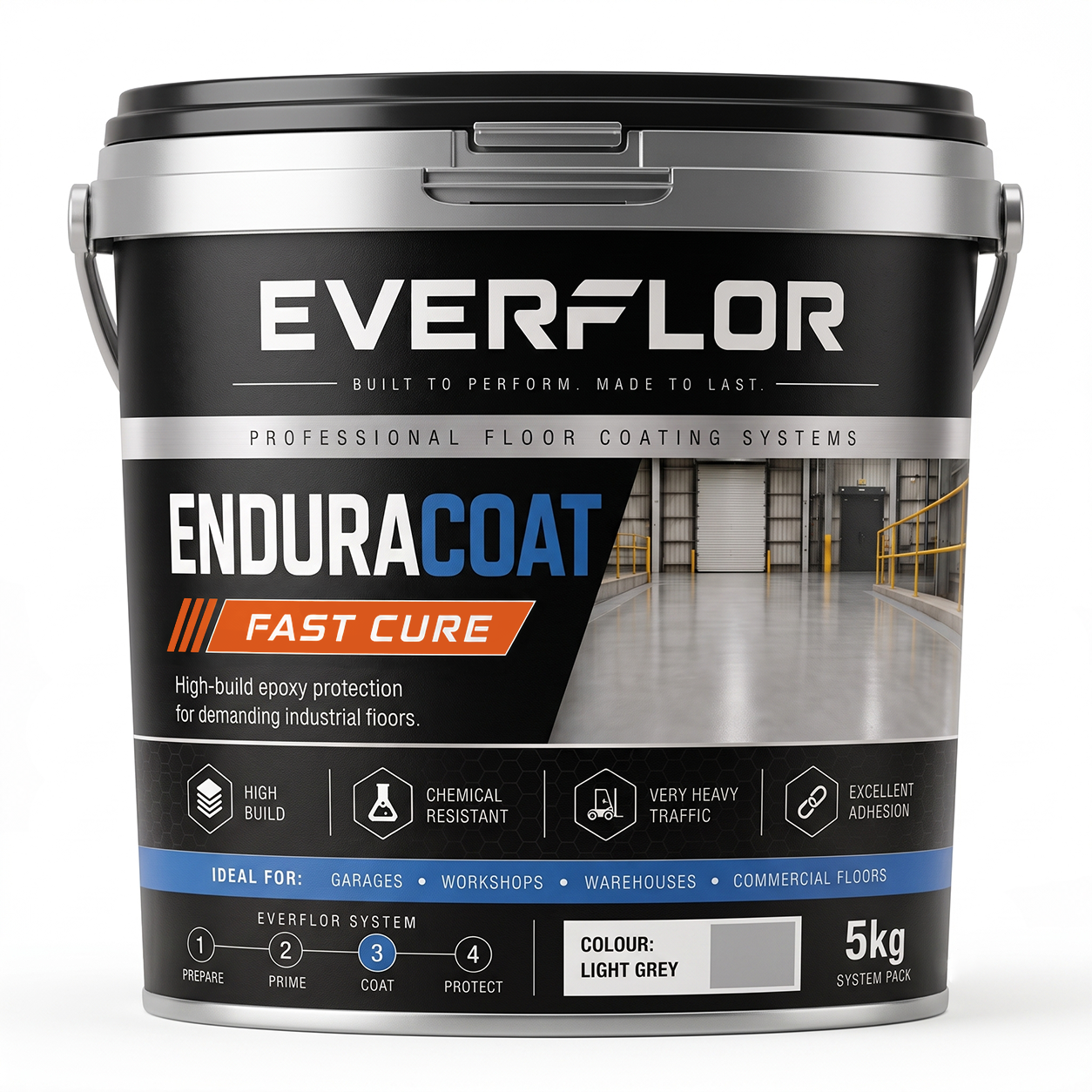
- Black (RAL 9005)
- Dark Grey (RAL 7016)
- Mid Grey (RAL 7001)
- Light Grey (RAL 7035)
- Signal White (RAL 9003)
Industrial grade coating
Solvent free, no shrinkage
Up to 5x thicker
Withstands heavy forklift traffic
Resists oil, acids, alkalis
Easy-clean surface
- Black (RAL 9005)
- Dark Grey (RAL 7016)
- Mid Grey (RAL 7001)
- Light Grey (RAL 7035)
- Signal White (RAL 9003)
Industrial grade coating
Solvent free, no shrinkage
Up to 5x thicker
Withstands heavy forklift traffic
Resists oil, acids, alkalis
Easy-clean surface
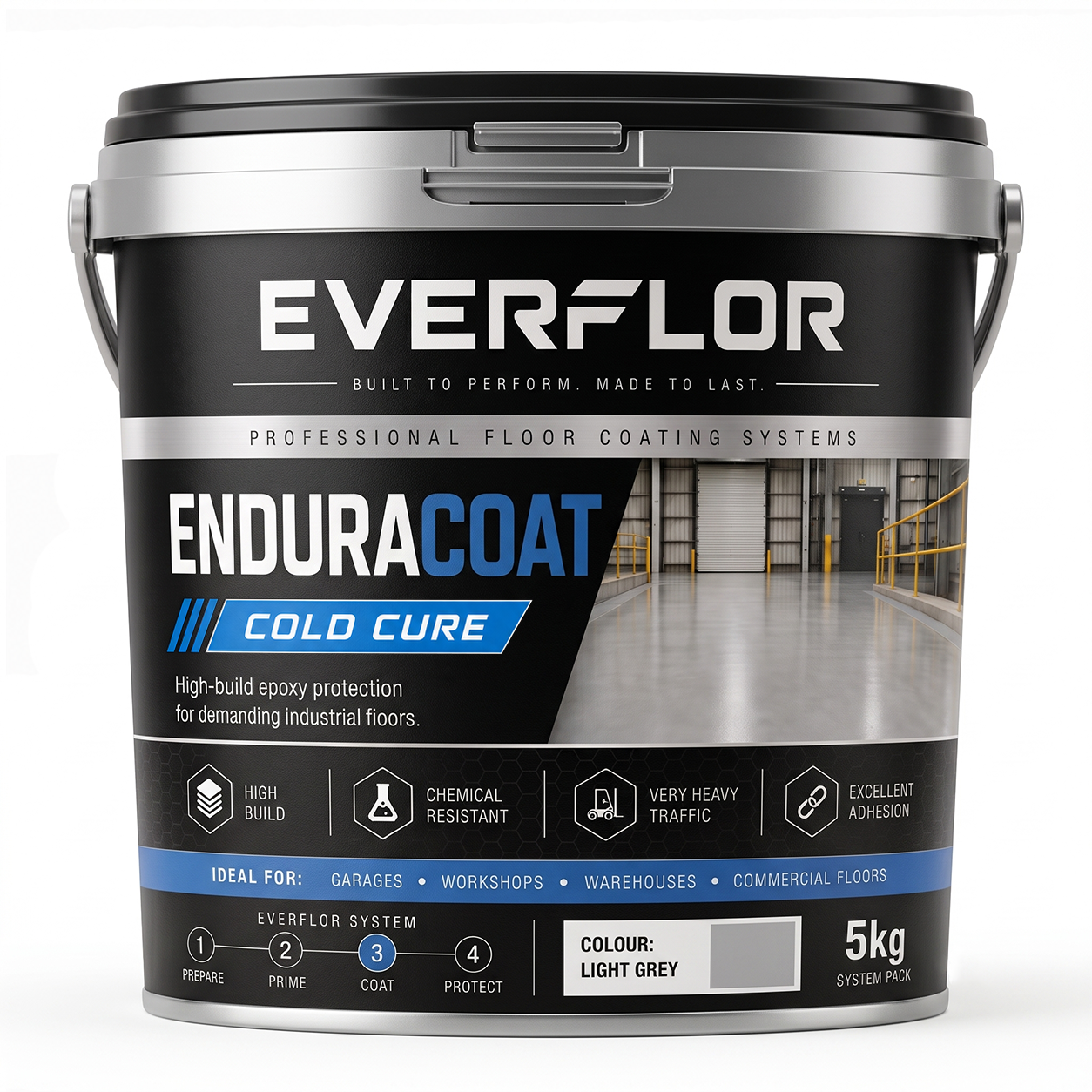
- Black (RAL 9005)
- Dark Grey (RAL 7016)
- Mid Grey (RAL 7001)
- Light Grey (RAL 7035)
- Signal White (RAL 9003)
Industrial grade coating
Solvent free, no shrinkage
Up to 5x thicker
Withstands heavy forklift traffic
Resists oil, acids, alkalis
Easy-clean surface
- Black (RAL 9005)
- Dark Grey (RAL 7016)
- Mid Grey (RAL 7001)
- Light Grey (RAL 7035)
- Signal White (RAL 9003)
Industrial grade coating
Solvent free, no shrinkage
Up to 5x thicker
Withstands heavy forklift traffic
Resists oil, acids, alkalis
Easy-clean surface
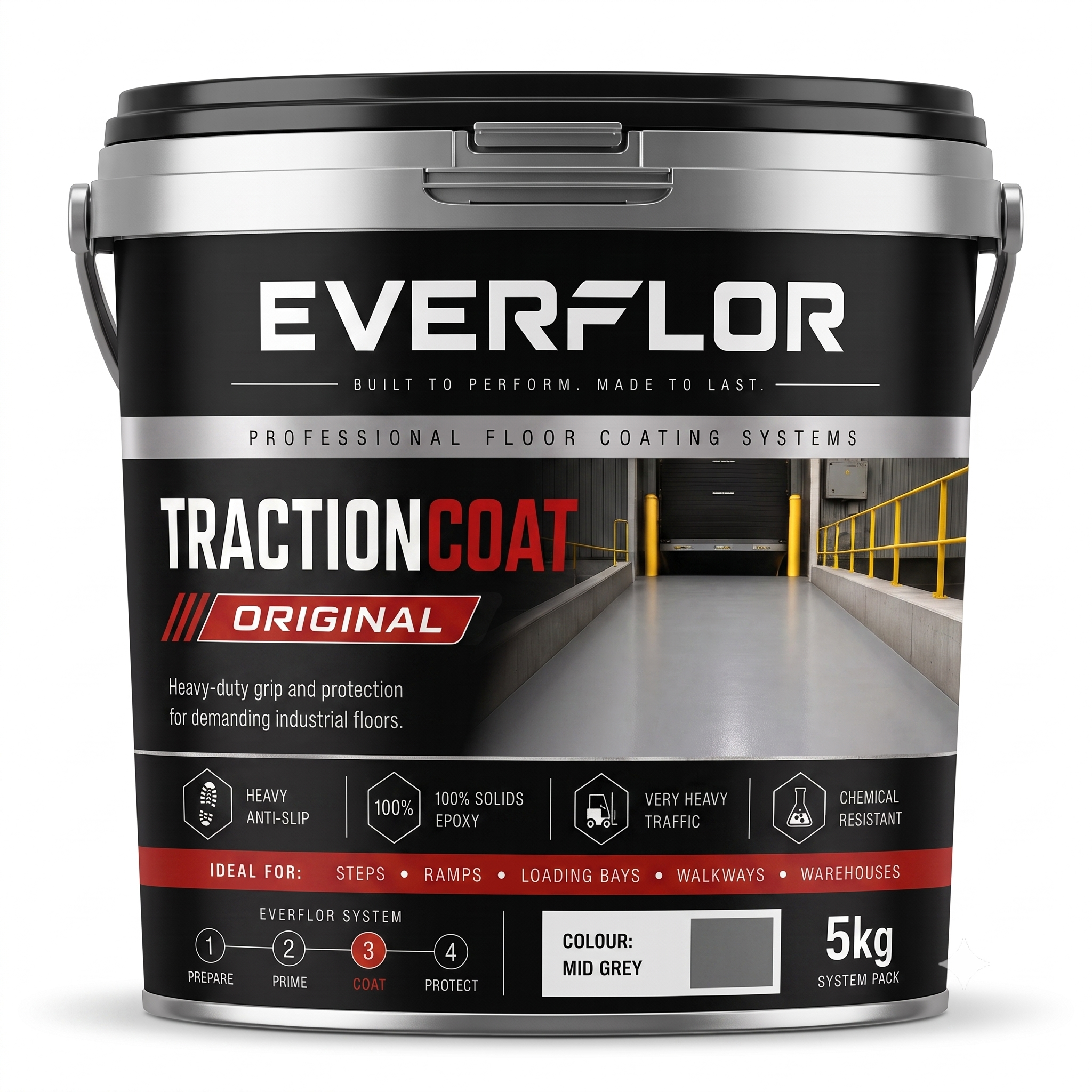
- Black (RAL 9005)
- Dark Grey (RAL 7016)
- Mid Grey (RAL 7001)
- Light Grey (RAL 7035)
- Signal White (RAL 9003)
Added Traction Grip
Solvent free, no shrinkage
220 Microns Per Coat

Indoor & Outdoor Use
Full Cure in 16 Hours

Flexible for Tarmac

Fade Resistant Coating

Low Odour Formula
Touch Dry in 2-4 Hours
Apply to Damp Surfaces
Lets Trapped Moisture Escape
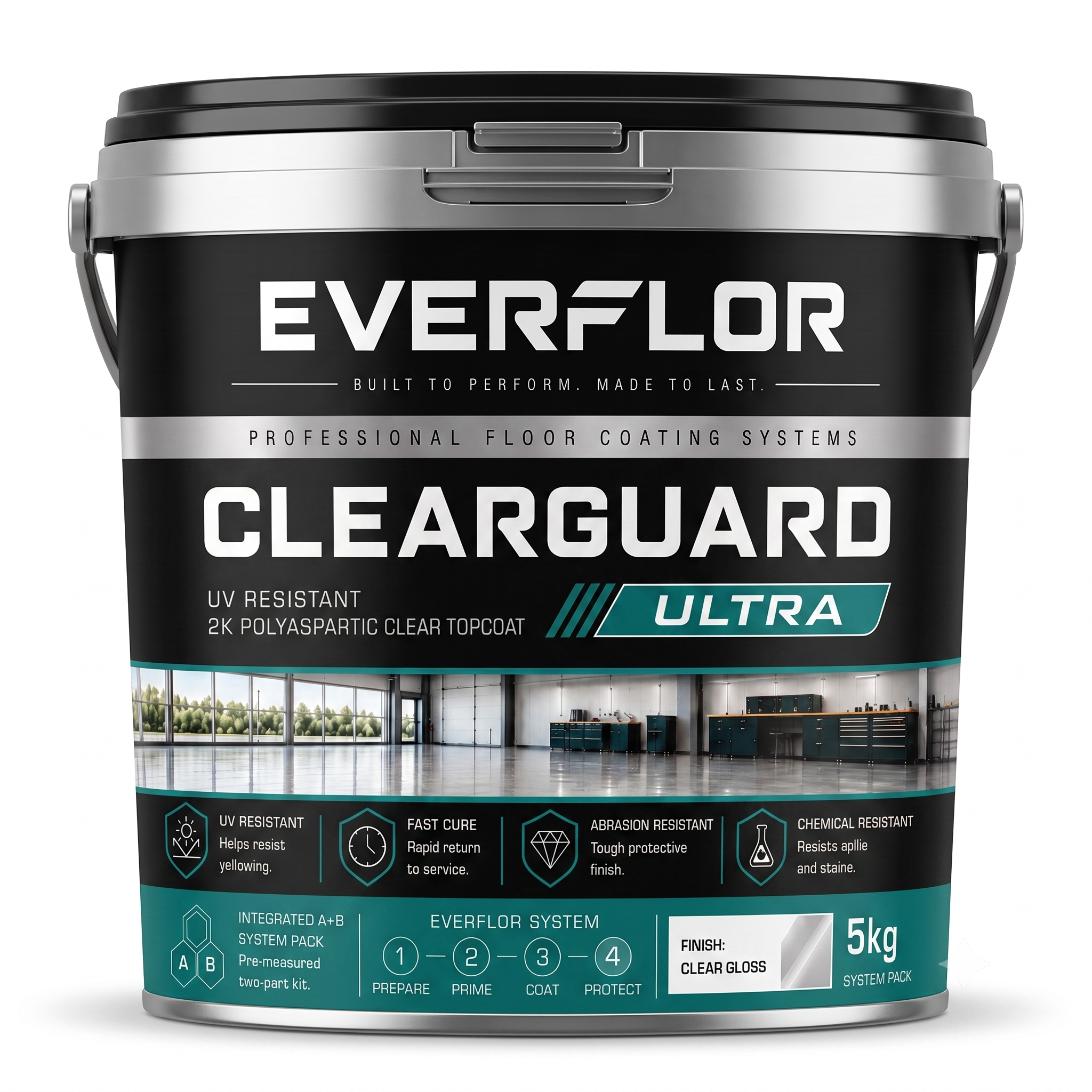
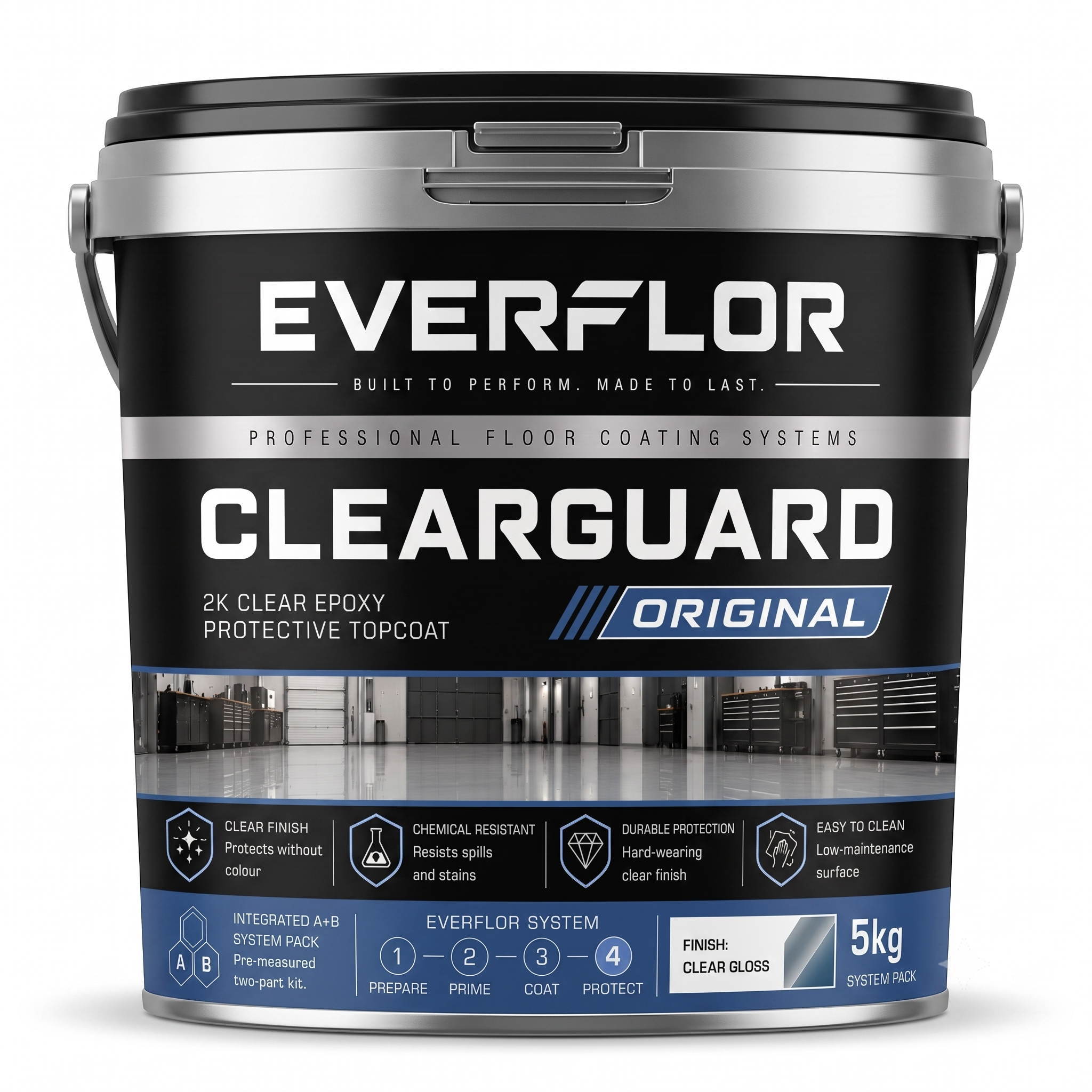

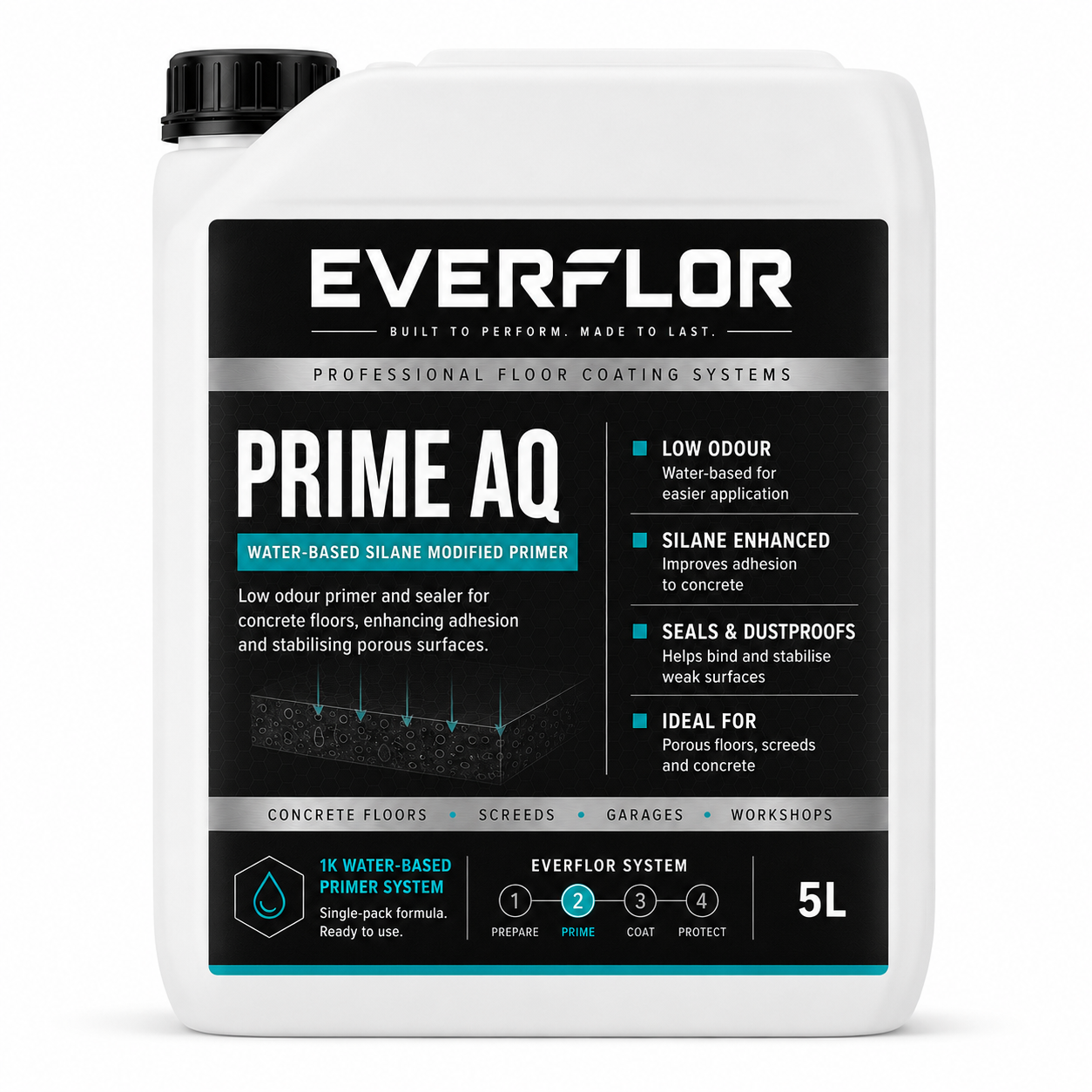
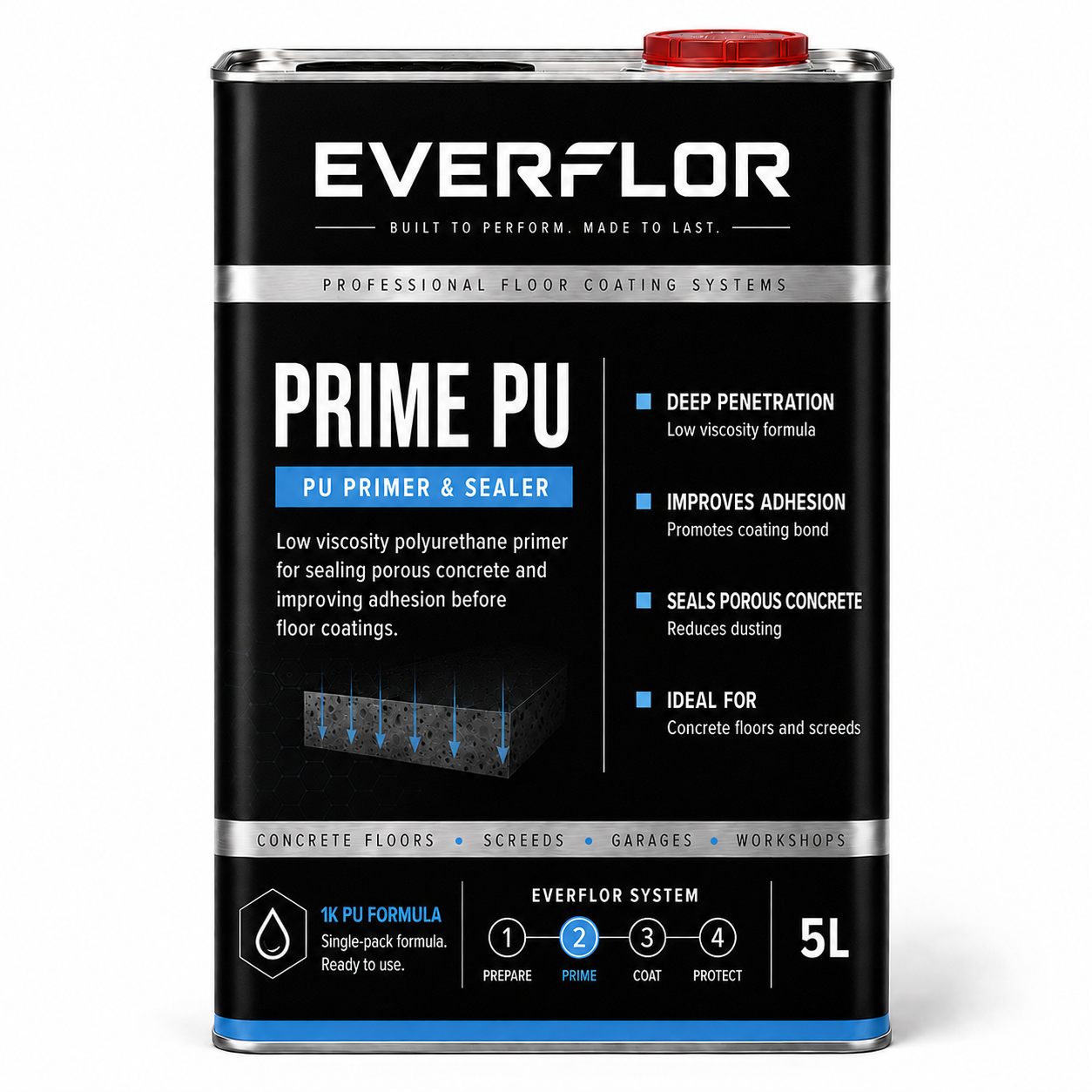
Seals Concrete Dust
Resists oil, acids, alkalis

Wipe Down Surface
Internal Floors Only
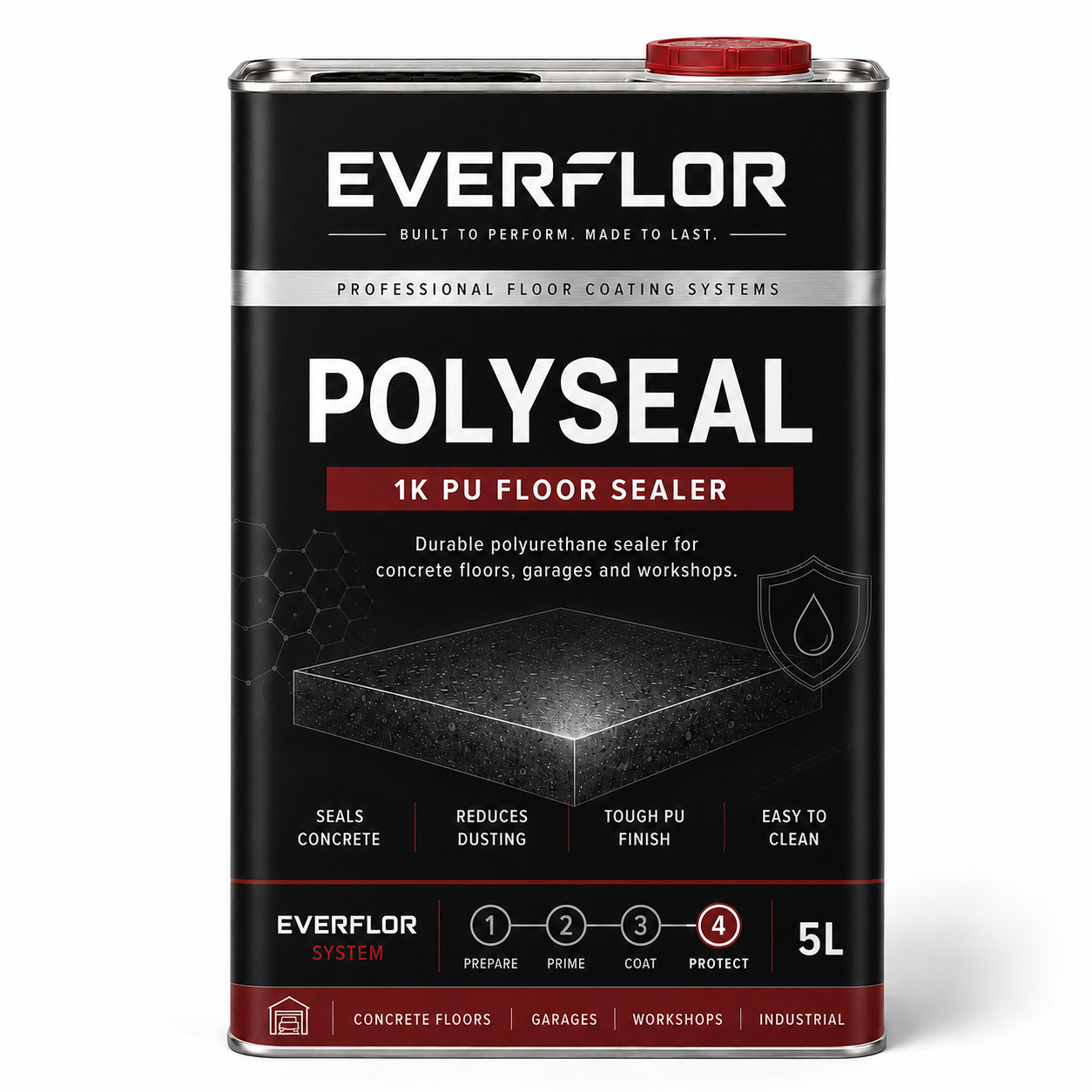
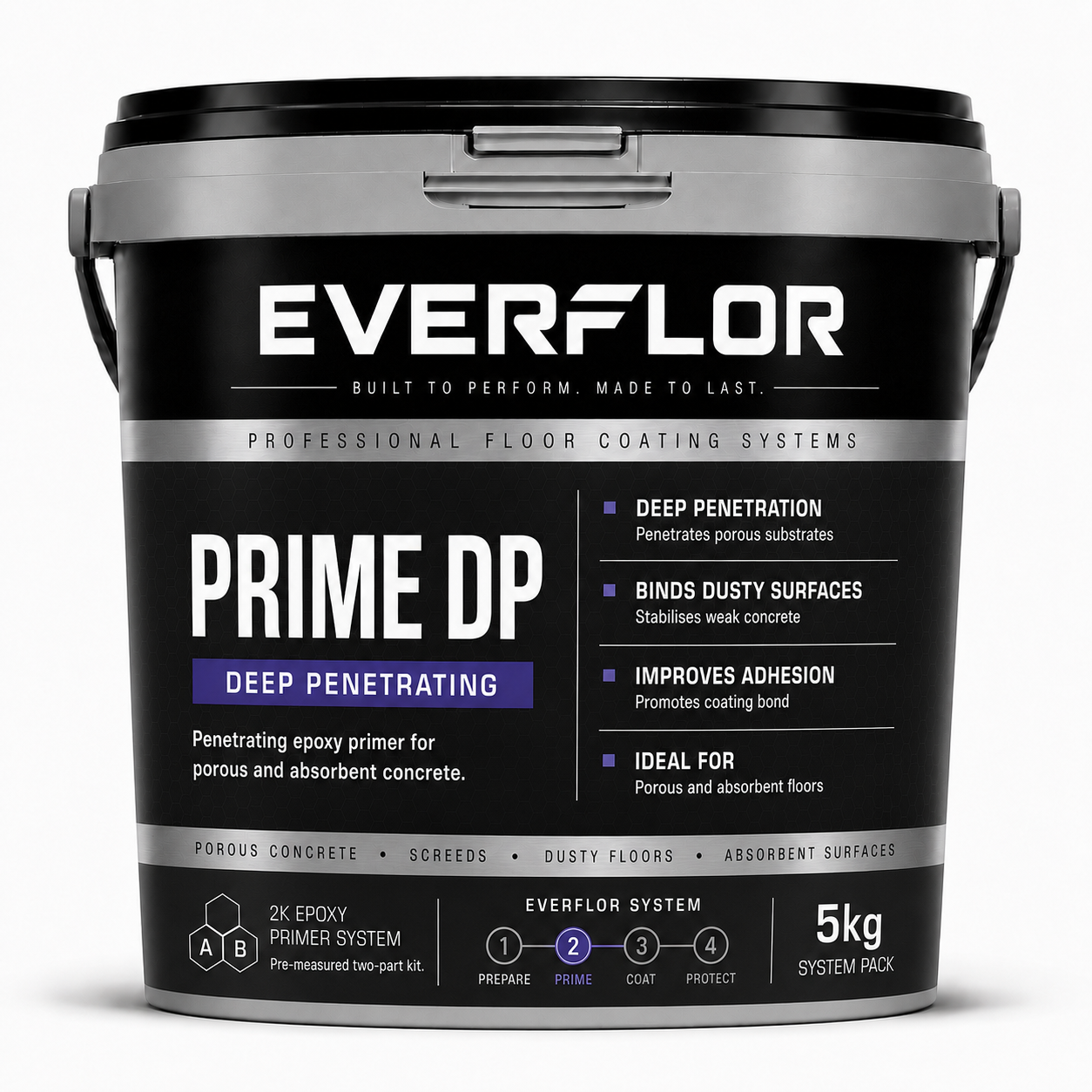

Seals Porous Floors Before Coating
Solvent free, no shrinkage

Topcoat Within 48 Hours
Indoor & Outdoor Use
Walk On After 8 Hours
Apply Straight From The Tin
Indoor & Outdoor Use

Walk on in 4 Hours

Simple 1-Pack System
Easy Application
Seals Porous Floors Before Coating
Topcoat Within 48 Hours
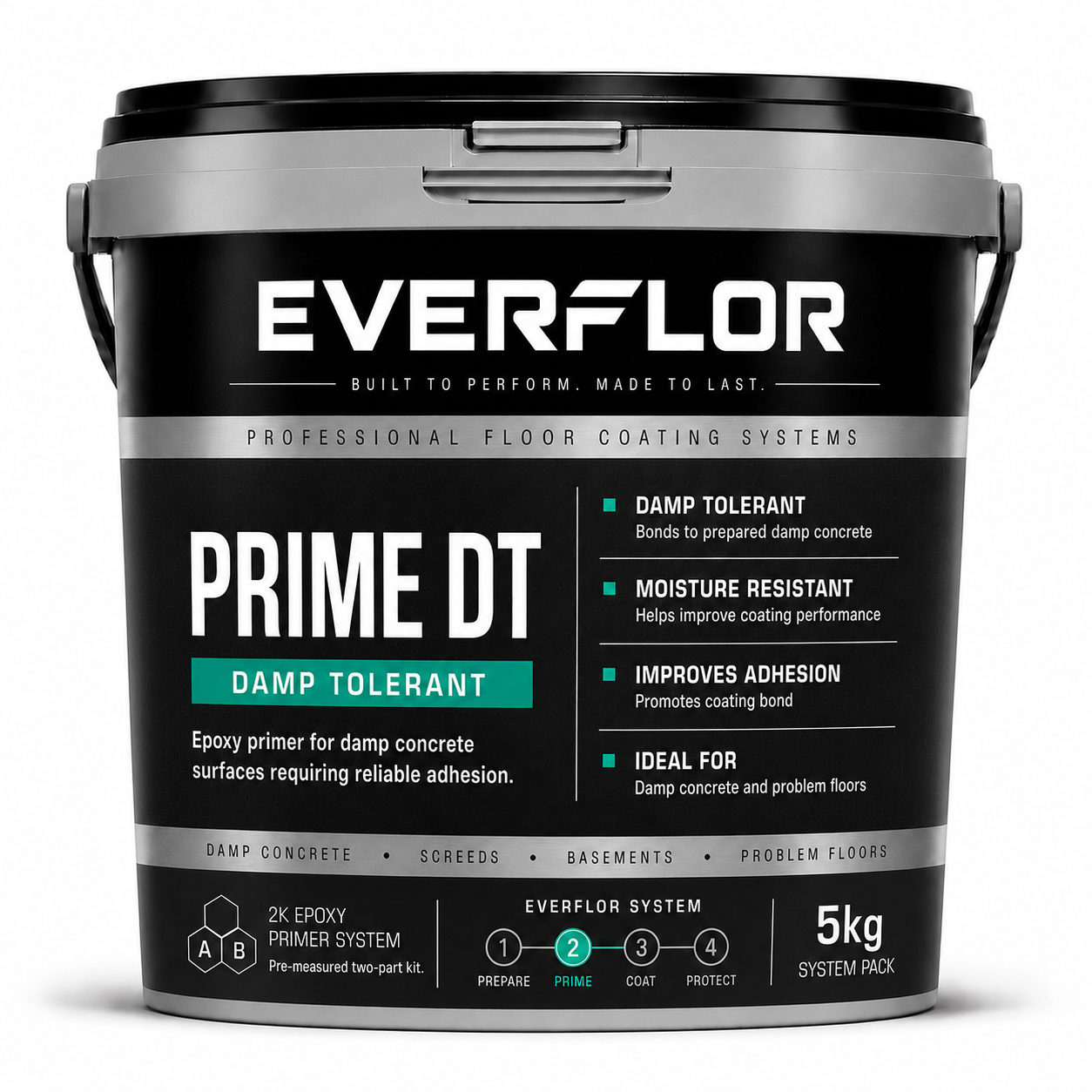
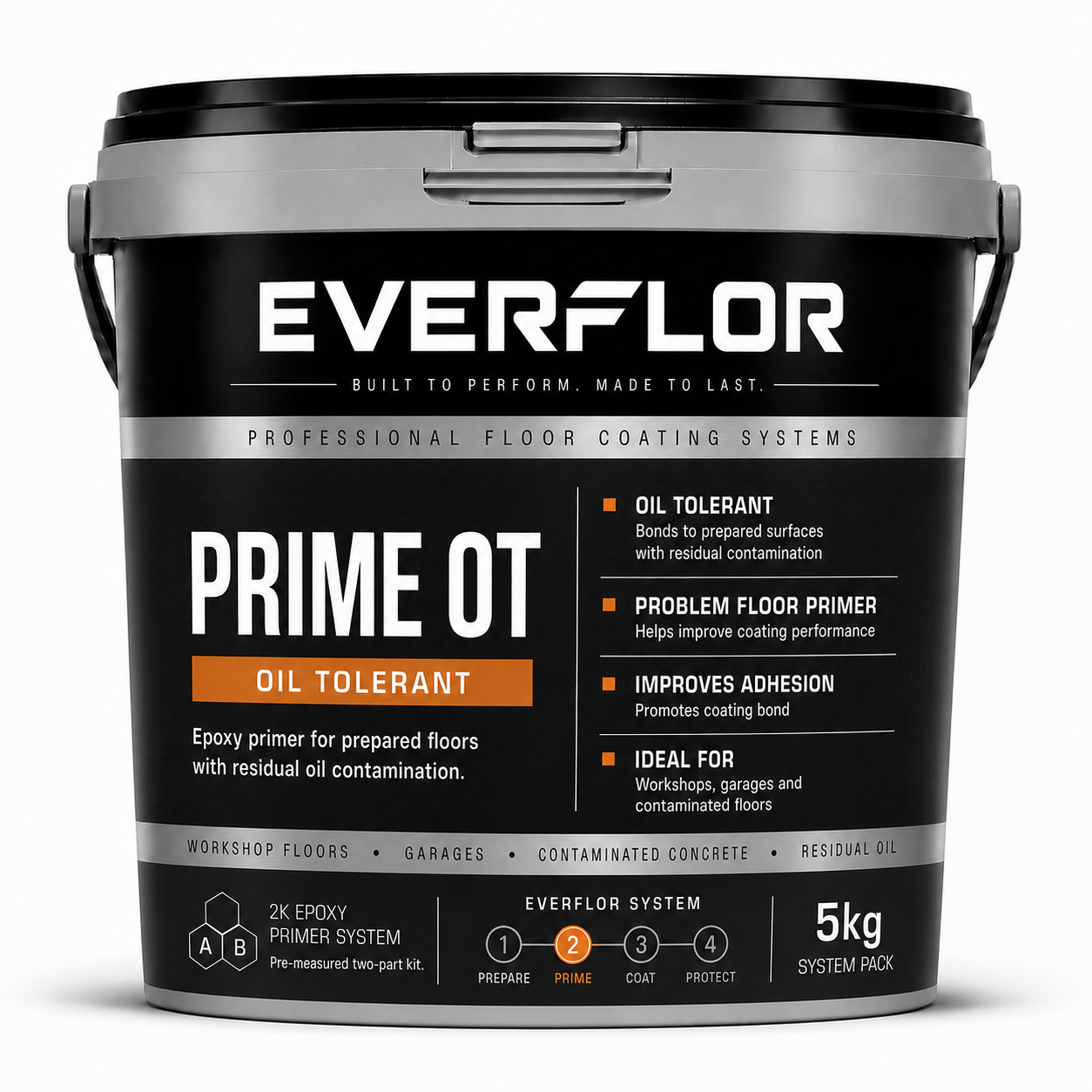

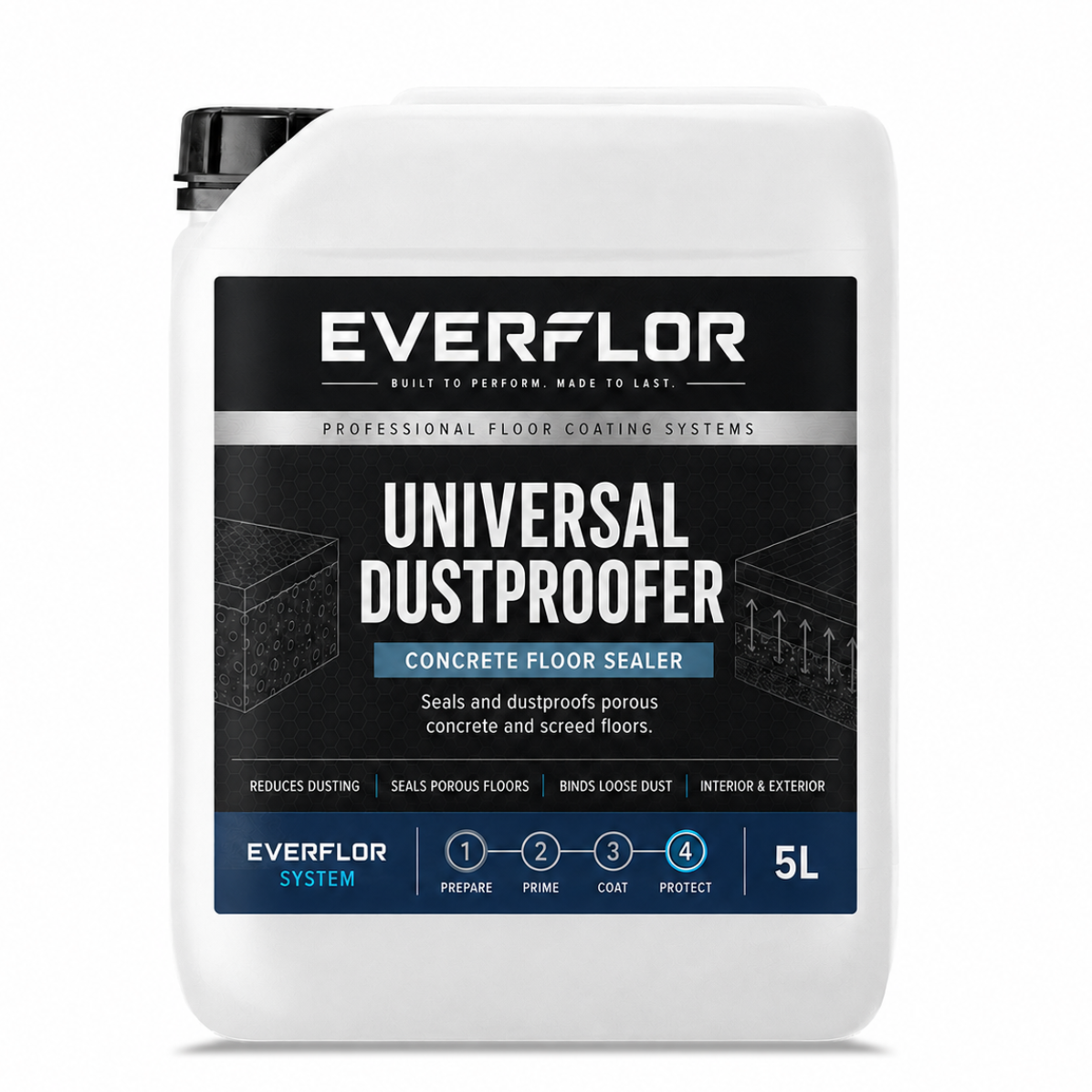
Seals Concrete Dust

Binds Weak Concrete

Allows Walls to Breathe
Low Odour Formula
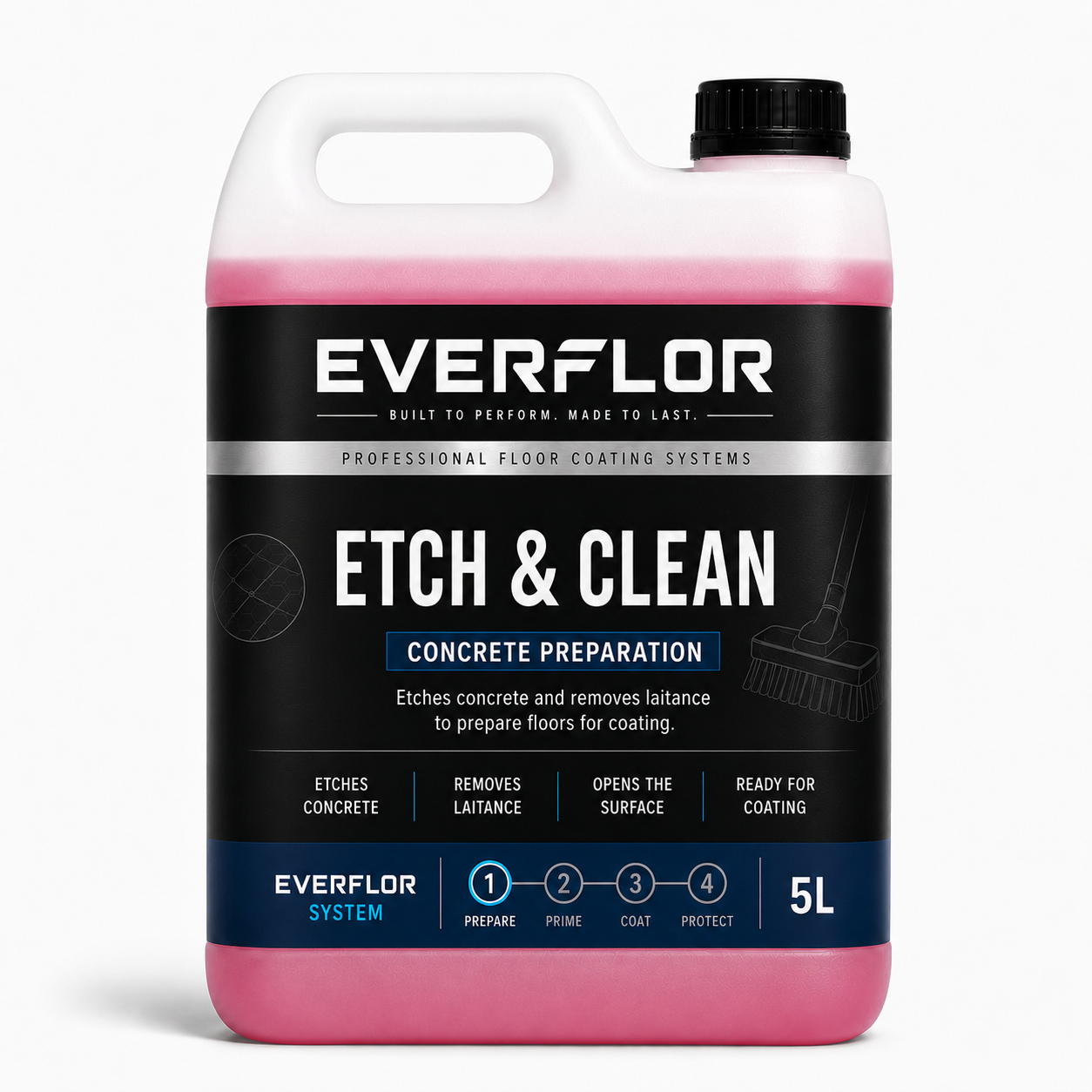
Opens Concrete Pores
Strips The Weak Surface Layer
Keys Floors Before Priming
Prep Where Machines Cannot Go
Balances New Concrete Slabs

Strip Existing Coatings First
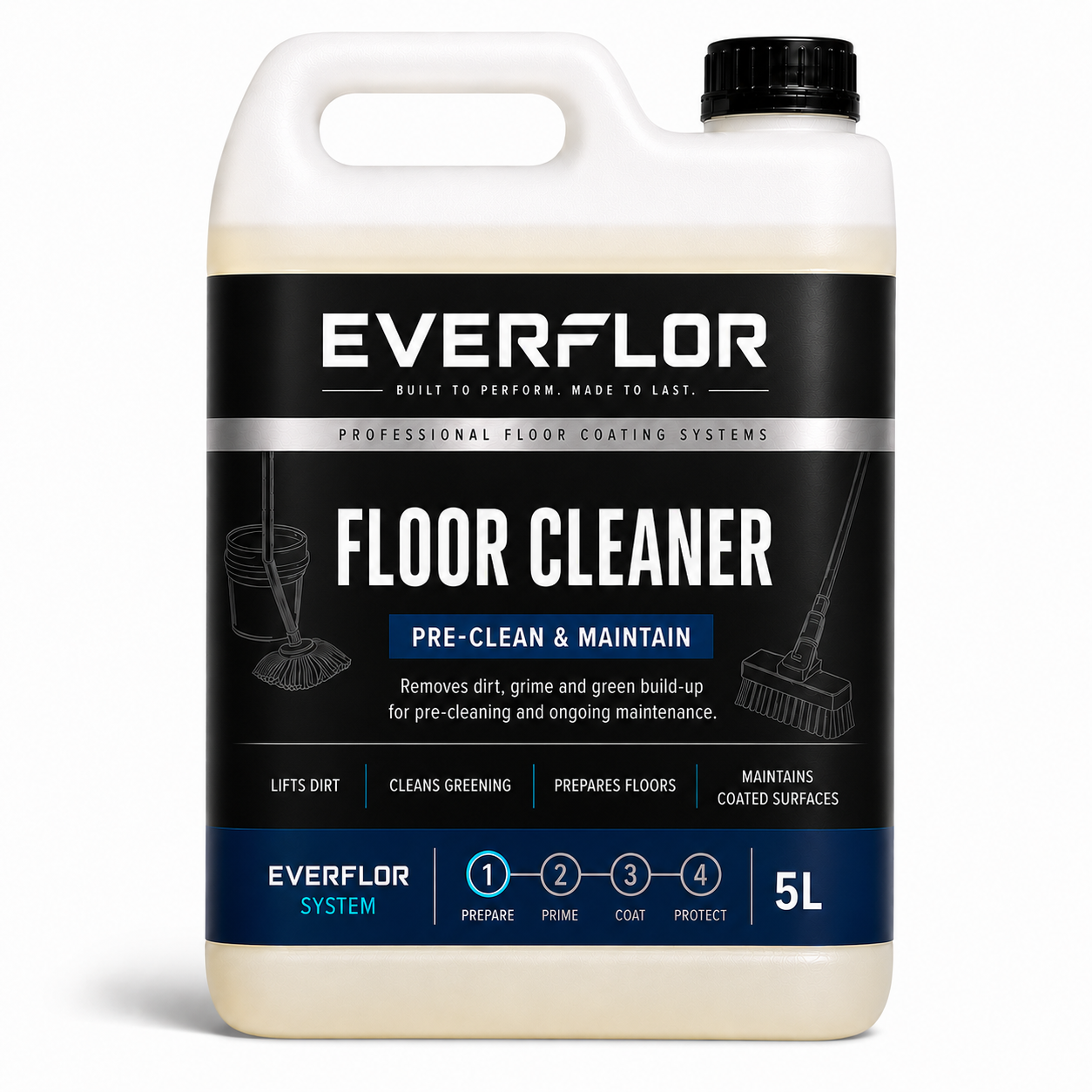
Wash Off With Clean Water

Lifts Contamination From Floors
Indoor & Outdoor Use

Professional Formula

Adjust Strength For The Job
Cleans Floors Before Priming
Similar Product Ranges
- Black (RAL 9005)
- Dark Grey (RAL 7016)
- Mid Grey (RAL 7001)
- Light Grey (RAL 7035)
- Signal White (RAL 9003)
100% Solids Technology
220 Microns Per Coat
Internal Floors Only
Easy Application
- Black (RAL 9005)
- Dark Grey (RAL 7016)
- Mid Grey (RAL 7001)
- Light Grey (RAL 7035)
- Signal White (RAL 9003)
Industrial grade coating
Solvent free, no shrinkage
Up to 5x thicker
Withstands heavy forklift traffic
Resists oil, acids, alkalis
Easy-clean surface
- Black (RAL 9005)
- Dark Grey (RAL 7016)
- Mid Grey (RAL 7001)
- Light Grey (RAL 7035)
- Signal White (RAL 9003)
Industrial grade coating
Solvent free, no shrinkage
Up to 5x thicker
Withstands heavy forklift traffic
Resists oil, acids, alkalis
Easy-clean surface
- Black (RAL 9005)
- Dark Grey (RAL 7016)
- Mid Grey (RAL 7001)
- Light Grey (RAL 7035)
- Signal White (RAL 9003)
Industrial grade coating
Solvent free, no shrinkage
Up to 5x thicker
Withstands heavy forklift traffic
Resists oil, acids, alkalis
Easy-clean surface
- Black (RAL 9005)
- Dark Grey (RAL 7016)
- Mid Grey (RAL 7001)
- Light Grey (RAL 7035)
- Signal White (RAL 9003)
Industrial grade coating
Solvent free, no shrinkage
Up to 5x thicker
Withstands heavy forklift traffic
Resists oil, acids, alkalis
Easy-clean surface
- Black (RAL 9005)
- Dark Grey (RAL 7016)
- Mid Grey (RAL 7001)
- Light Grey (RAL 7035)
- Signal White (RAL 9003)
Industrial grade coating
Solvent free, no shrinkage
Up to 5x thicker
Withstands heavy forklift traffic
Resists oil, acids, alkalis
Easy-clean surface
Industrial Floor Paints FAQs
Technical Guidance & Application Advice
How should concrete floors be prepared before applying industrial floor paint?
Is moisture testing necessary before applying epoxy industrial floor coatings?
What types of resin systems are used in industrial floor paints?
Can industrial floor coatings be applied over previously painted floors?
How do polyaspartic floor coatings differ from traditional epoxy systems?
Are industrial floor paints resistant to oils and chemicals?
Expert Advice & Guides
A few of our most recent guides applicable to this product range.