
Short Answer
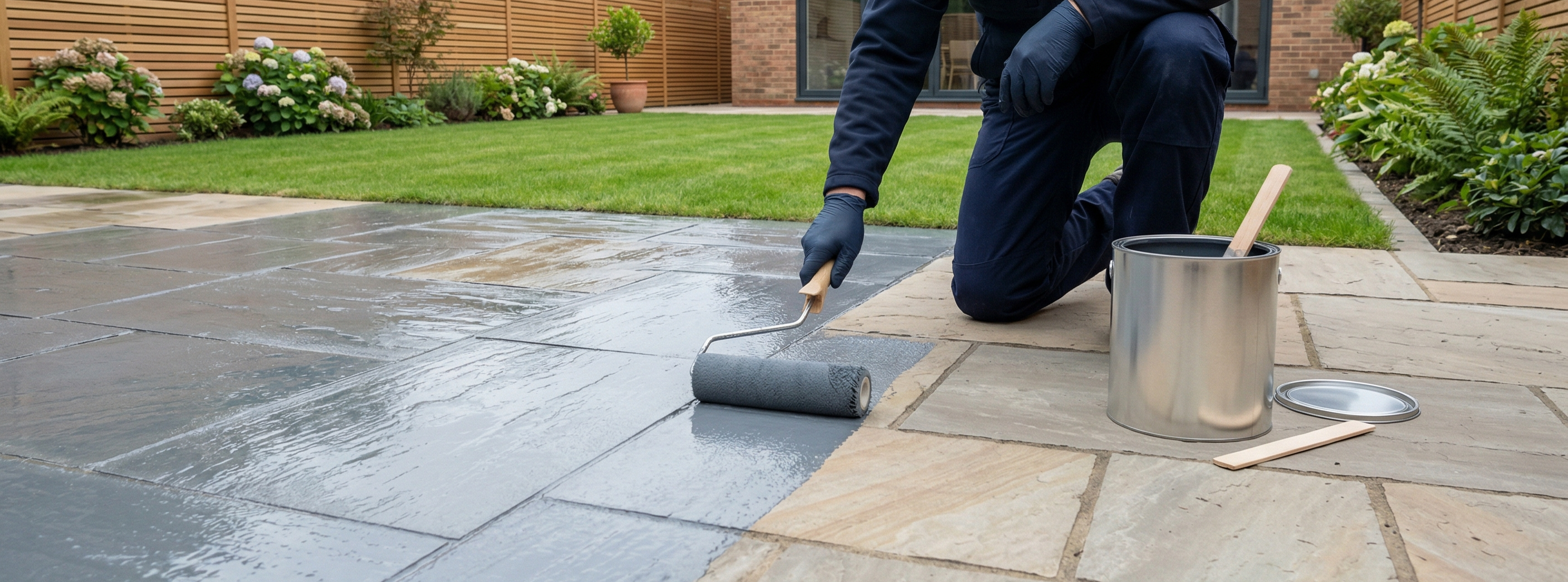
The best paint for natural stone tiles is a high-quality water-based acrylic, like our Everest - Ultimate QD Concrete Floor Paint and Sealer.
Explanation:
Natural stone tiles, such as sandstone, limestone, or slate, are beautiful but notoriously difficult to coat. Unlike a controlled indoor environment, outdoor stone faces a relentless assault from the British climate. It must withstand searing UV rays, sub-zero frosts, and the constant pressure of ground moisture.
If you apply a rigid, non-breathable coating to natural stone, you are inviting a failure. Stone is a natural, porous material that needs to breathe and move. Using a hard, solvent-based resin or a standard indoor paint will result in a finish that clouds, cracks, and peels within months. For outdoor stone, you need a resin that is engineered to be as resilient as the substrate it covers. You need Water-Based Acrylic.
Here is why Water-Based Acrylic is the undisputed king of natural stone coatings.
1. The "Sunblock" Effect
Natural stone is often chosen for its aesthetic appeal, but the sun is a constant threat to that look.
-
The Problem: Many heavy-duty industrial paints are Aromatic. When exposed to UV light, they undergo a chemical breakdown, becoming brittle and losing their pigment. This leads to the dreaded chalking effect where the colour fades and the paint begins to flake off.
-
The Acrylic Solution: Acrylic resin is naturally Aliphatic, meaning it is inherently UV stable. It acts as a permanent shield against sunlight. Whether you are coating your stone in a vibrant color or a clear seal, it will not yellow, fade, or become brittle, even after years of direct sun exposure.
2. It Moves With the Season
Natural stone is dynamic. It is full of microscopic pores and fissures that cause it to expand and contract significantly as temperatures change.
-
The Problem: Rigid resins, such as Epoxies, create a brittle film. When the stone underneath expands in the summer heat, the paint cannot stretch with it and snaps. These microscopic cracks allow water to enter, which then freezes in winter and prying the paint off the surface.
-
The Acrylic Solution: Acrylic is Thermoplastic. It maintains a permanent degree of flexibility even after it has fully cured. It behaves like a high-tech "skin" that stretches and retracts alongside the stone. This flexibility is what prevents cracking during the brutal thermal expansion and contraction cycles of the UK seasons.
3. The "Gore-Tex" Effect
Natural stone is incredibly thirsty. It pulls moisture up from the earth through its internal network of capillaries in a process known as rising damp.
-
The Problem: If you "suffocate" natural stone with an impermeable plastic coating, you trap that rising moisture. As the sun warms the stone, the trapped water turns into vapor, creating immense pressure. This pressure will eventually blow the paint off the surface in large, unsightly blisters.
-
The Acrylic Solution: Water-based acrylics are Microporous. They function like a one-way valve; they prevent liquid rain from soaking down into the stone, but they allow moisture vapor to pass through the film and escape into the air. This breathability is the single most important factor in preventing adhesion failure on natural stone.
4. The User-Friendly Factor
Professional results shouldn't require industrial-grade hazards in your garden.
-
Eco-Friendly: Ultimate QD is low odor and low VOC. It is safe to use around planters, pets, and family without the lingering smell of harsh chemicals.
-
Fast Drying: You can typically touch-dry in an hour and recoat in 2-4 hours. This allow you to complete a full two-coat transformation in a single afternoon window.
-
Easy Cleanup: No specialist thinners are required. Your brushes and rollers can be cleaned easily with warm, soapy water.
The Limitations
While Water-Based Acrylic is the superior choice for stone tiles, it has specific environmental requirements.
-
Standing Water: Acrylics are designed to shed water, not be submerged in it. If your stone patio has low spots where deep puddles sit for several days, the paint may eventually soften and lift in those specific areas.
-
Porosity Check: Natural stone must be clean and porous. If the stone has been previously treated with a "beading" sealer or a wax-based product, the acrylic will not be able to bond. Always perform a water-drop test to ensure the stone is "thirsty" before application.
Conclusion
Natural stone requires a coating that respects its organic nature. Hard, indoor paints are designed to be static; outdoor stone paints must be active and resilient. For a finish that preserves the integrity of your stone while providing long-lasting colour and protection, there is no substitute for water-based acrylic.
-
UV Stable
-
Flexible
-
Breathable
Ready to protect and enhance your stone tiles?
→ Shop our Everest - Ultimate QD Concrete Floor Paint and Sealer
Share:
Do I Need Anti-Slip Floor Paint? A Guide to Fine, Medium & Coarse Grades
Best Paint for Exterior Concrete Tiles? Why Water-Based Acrylic is the Only Choice