System Overview
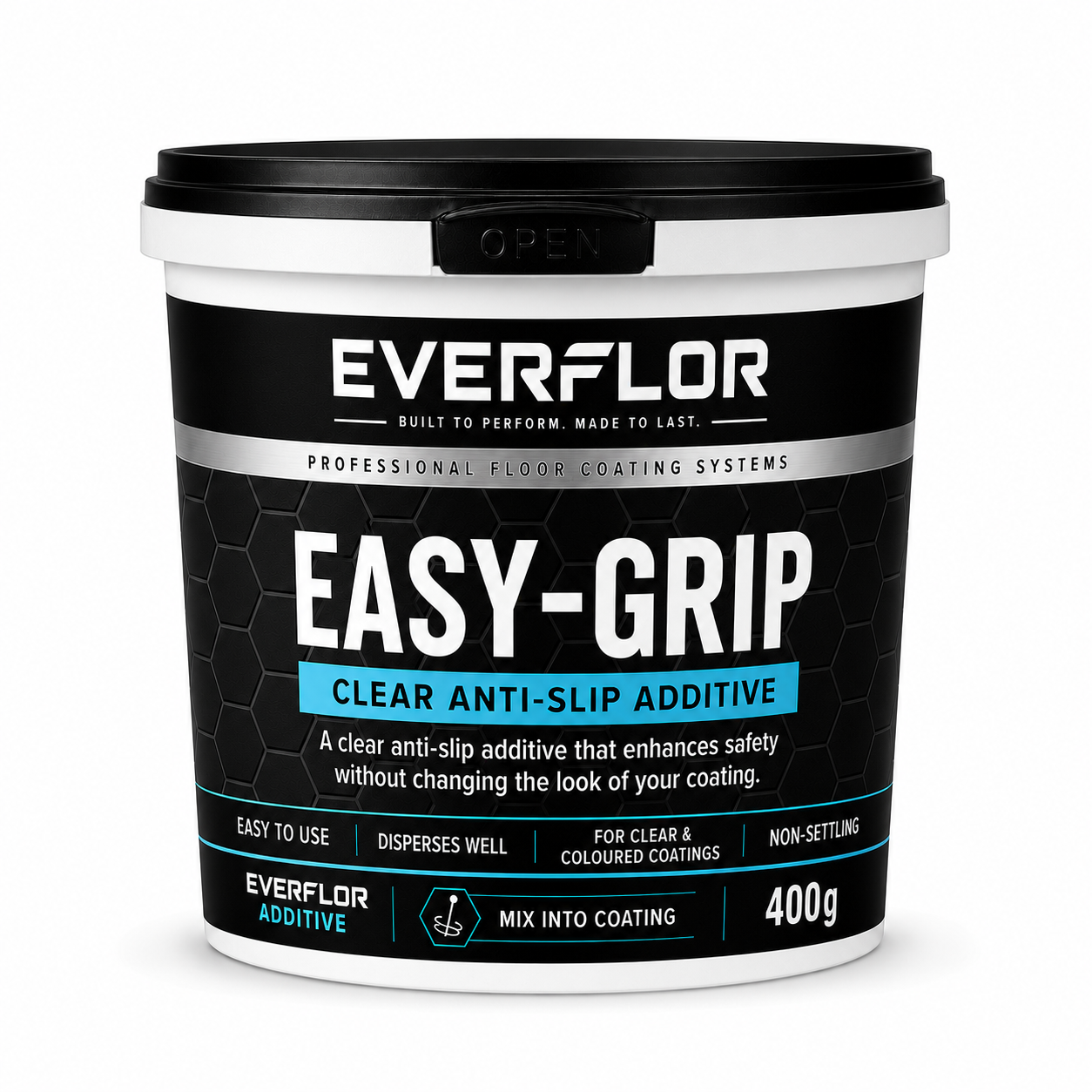
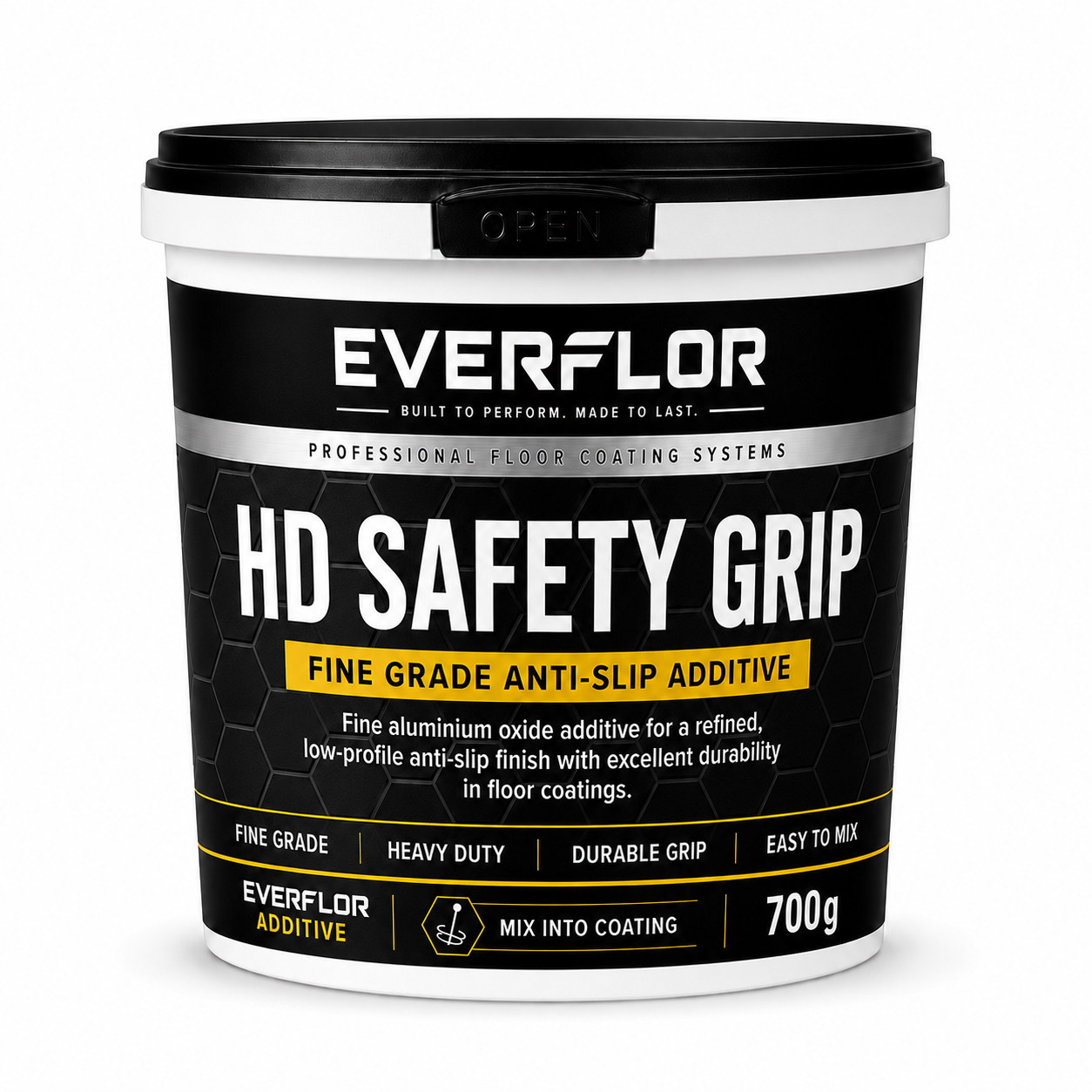
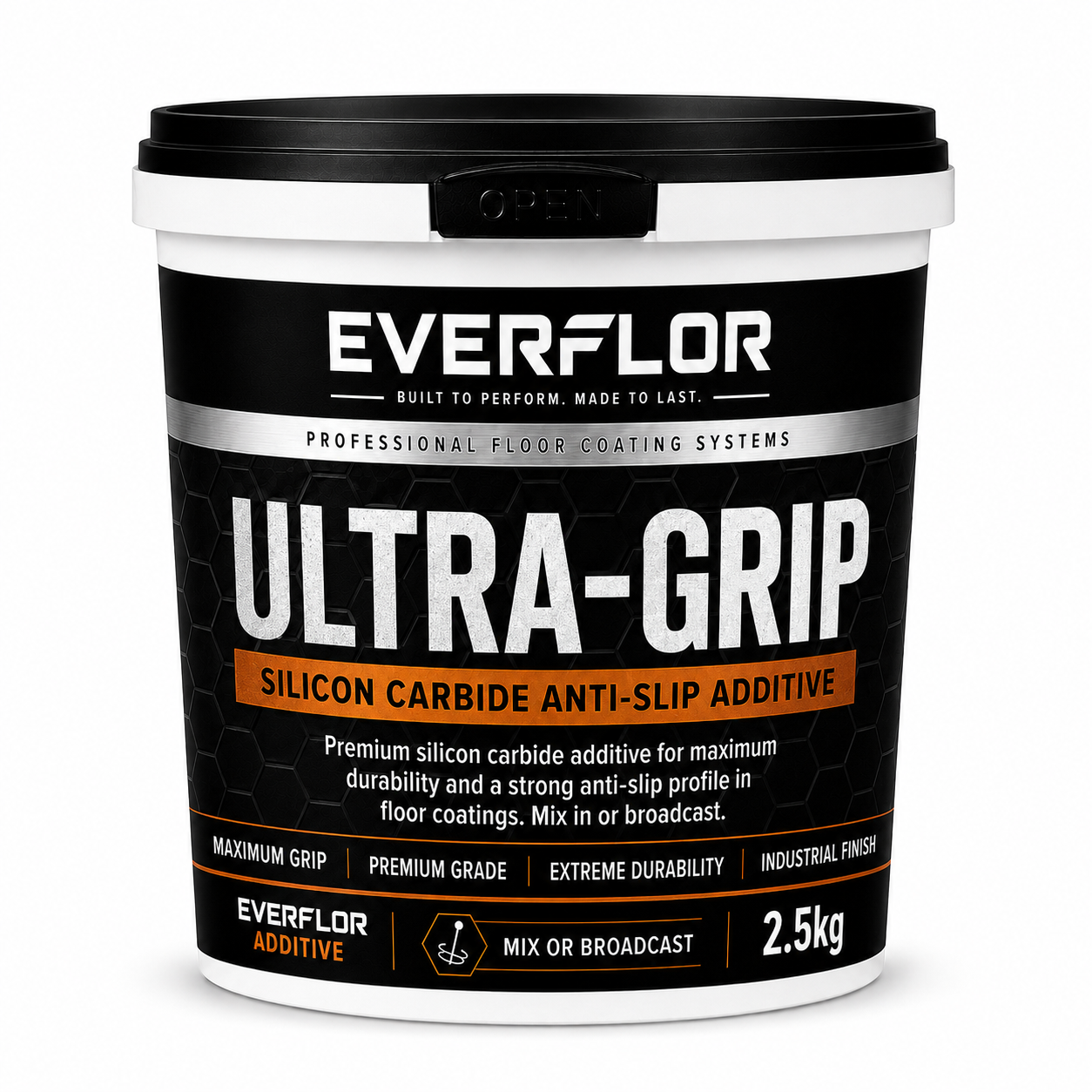
For concrete floors, steel stair treads, ramps, walkways, driveways and patios where slip risk must be reduced, anti-skid additives provide a method of increasing surface texture within a compatible coating system. These graded aggregates are incorporated into floor paints and resin coatings to enhance underfoot grip in wet, oily or contaminated conditions.
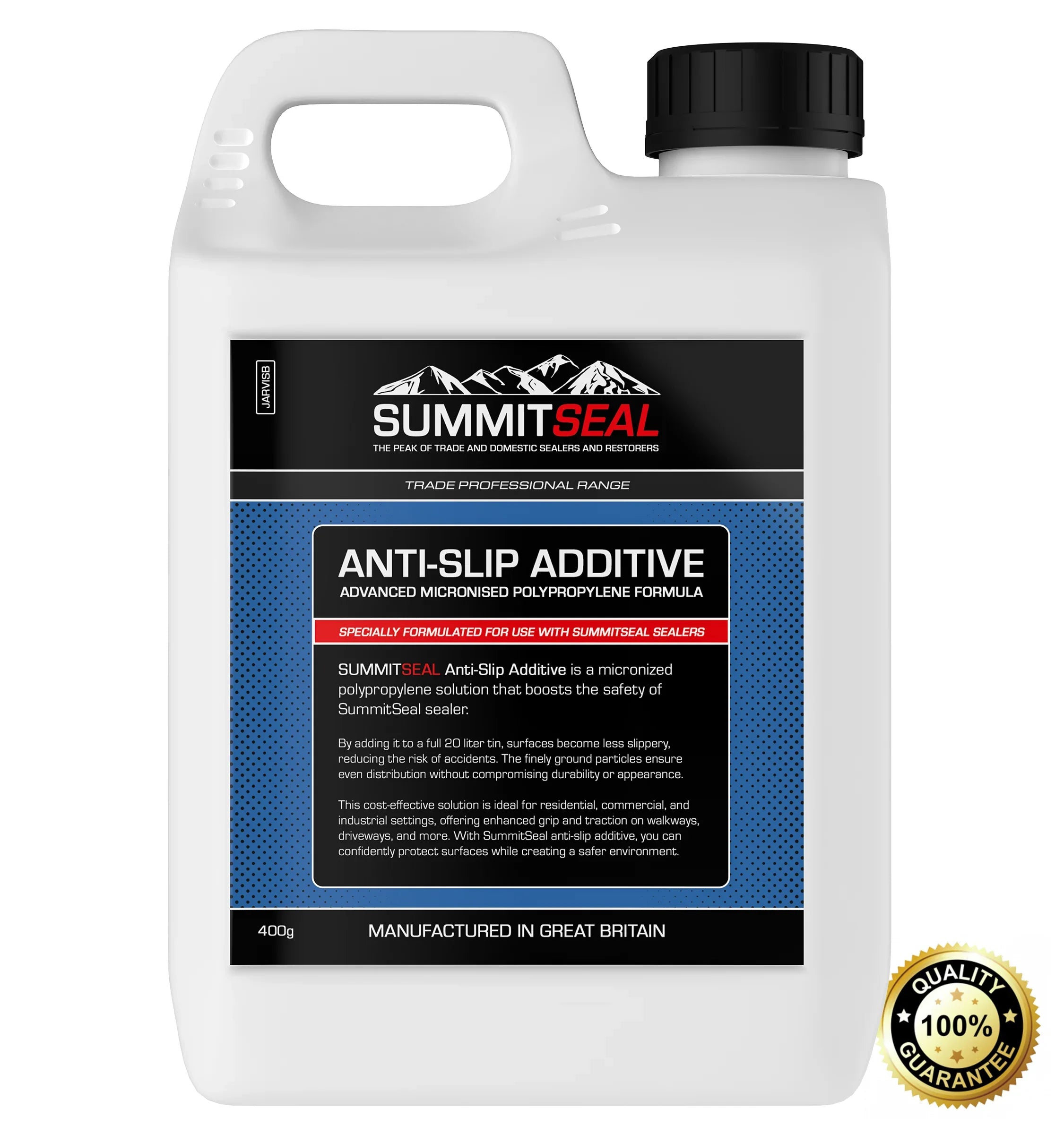
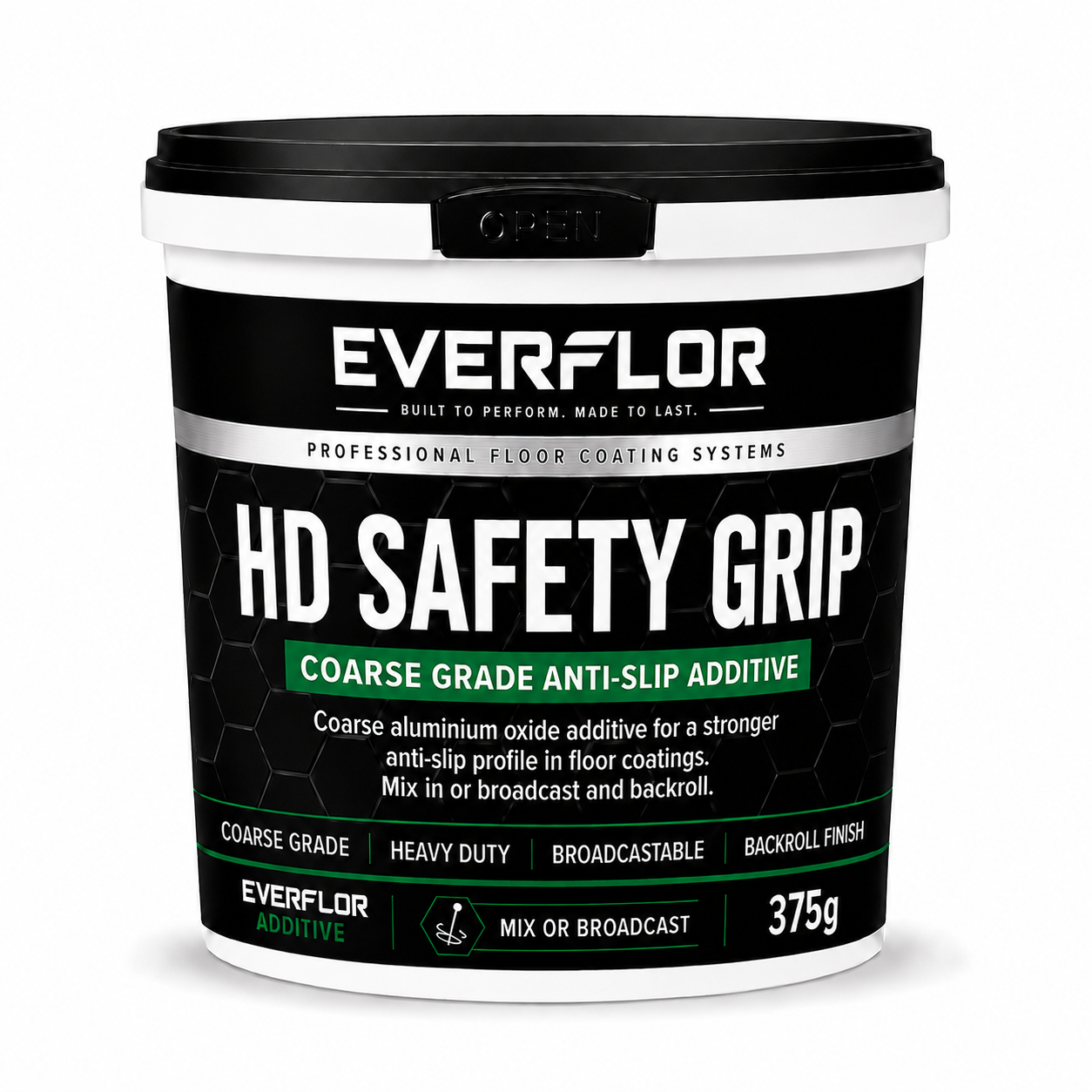
EVEREST Everflor and SummitSeal anti-skid additives are designed for use within epoxy, polyurethane, acrylic and alkyd binder systems. They function as a system component rather than a standalone coating, modifying the surface profile of the cured film to achieve the required slip resistance level.
Particle size and loading rate determine the final surface texture. Selection should be aligned with the duty level, cleaning regime and the type of traffic expected, whether pedestrian-only access or mixed foot and light vehicular use.
Suitable Substrates & Surface Preparation
Anti-skid additives are suitable for use over correctly prepared concrete floors, steel stair treads and external hard surfaces such as ramps, driveways and patios, provided a compatible coating binder is specified.
Concrete substrates should be mechanically prepared or otherwise suitably profiled to ensure coating adhesion prior to incorporating aggregate. Contaminants such as oil, grease, curing compounds and dust must be removed. On steel stair treads, corrosion should be addressed and an appropriate anti-corrosion primer applied before the build coat and aggregate layer.
On external paths and patios, surfaces must be sound and dry before application. Existing coatings should be assessed for adhesion and compatibility. The performance of the anti-slip finish depends on both the integrity of the substrate and the bond strength of the underlying coating system.
Performance Characteristics & Limitations
Anti-skid additives for concrete floors increase slip resistance by creating a textured surface profile within the cured coating film. Depending on application method, aggregates can be mixed directly into the coating or broadcast onto a wet film before sealing with a further coat.
Graded particle sizes allow the specifier to adjust surface aggressiveness. Finer grades are typically selected where ease of cleaning and pedestrian comfort are priorities, while coarser grades are more suitable for ramps, loading areas and environments exposed to water or contamination.
However, increased texture will generally reduce cleanability compared to smooth floor finishes. Aggressive profiles may trap dirt or debris, requiring more frequent maintenance. Final slip resistance is dependent on correct application rate, even distribution and full encapsulation where required.
These additives do not compensate for poor substrate preparation or coating failure. They are not a substitute for a properly specified anti-slip floor coating system in heavy industrial or high-risk environments.
Internal vs External Considerations
Internally, anti-skid additives are commonly used in warehouses, industrial walkways and staircases where slip reduction is required without changing the core coating technology. Care should be taken to balance slip resistance with hygiene and cleanability in commercial or food-related areas.
Externally, aggregates are beneficial on ramps, access routes and driveways exposed to rainfall and seasonal contamination. UV exposure and temperature variation should be considered in conjunction with the selected binder system, as the additive performance is linked to the durability of the host coating.
In both settings, edge detailing and consistent broadcast technique are critical to avoid uneven texture or isolated smooth patches.
Selection Guidance & When to Specify Alternatives
Anti-skid additives are appropriate where an existing or planned epoxy, polyurethane, acrylic or alkyd floor coating requires enhanced slip resistance without changing the core resin system. They are suited to specification-led safety upgrades across industrial floors, stair treads and external access routes.
For heavy industrial facilities, high-traffic logistics zones or areas with sustained contamination, a fully integrated anti-slip floor coating system may provide more consistent long-term performance. These systems are engineered with built-in texture and controlled film build to deliver predictable durability under demanding service conditions.
Specification should consider substrate type, traffic pattern, cleaning regime and required slip resistance profile. Proper integration of aggregate within a compatible coating system ensures reliable performance and improved safety across both internal and external surfaces.