
Made In Great Britain

Direct from our factory

Free Next Day Delivery

On orders over £750

Product Test Results

All test results published

Expert Technical Advice

Call or chat with our team

A coating is only as sound as the floor beneath it

Oil and grease left in a floor stop paint reaching the substrate. Degreasing first removes the contamination so the coating bonds to the floor, not to what is sitting on it.

Performance Profile

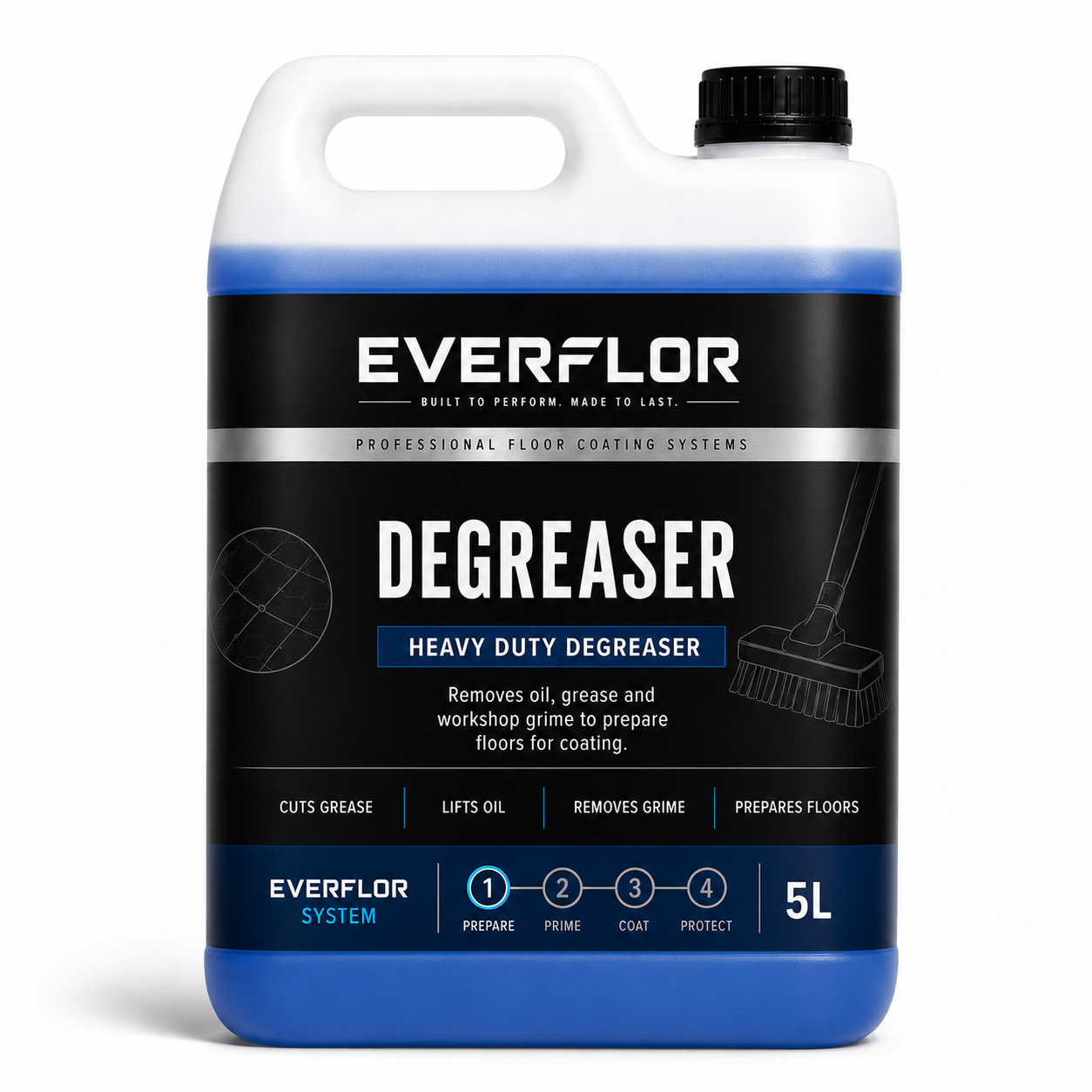
Trade Floor Preparation Degreaser. A clear liquid cleaner used ahead of floor coatings to remove oil and grease from the substrate. Supplied in 5 litre and 20 litre containers.

Download Data Sheet
General Cleaning 50:1Dilution with water
Heavy Cleaning 20:1Dilution with water
Colour ClearLeaves no colour on the floor
Pack Sizes 5L & 20LSmall areas to full floors

Essential Information

Product Details

Description

EverFlor Degreaser is a clear liquid cleaner concentrate for floor preparation. It is used to lift oil, grease and general soiling out of a floor before a coating is applied, and as a cleaner on floors that have picked up contamination in service.

Most floor coating failures start with preparation. A film applied over oil or grease bonds to the contamination, not the substrate, and releases under traffic. Working the degreaser into the surface breaks down the deposits so they can be scrubbed loose and rinsed away, leaving a clean, sound floor to coat onto.

Use it as the first stage of an EverFlor floor coating specification, ahead of any primer or paint. Supplied in 5 litre and 20 litre containers.

Recommended areas of use

  • Preparation of floors prior to painting or coating
  • Removal of oil and grease deposits from floors
  • General cleaning of contaminated floor areas
  • Cleaning down before repair work is carried out

Features

  • Clear liquid, so it leaves no colour behind on the floor
  • Supplied as a concentrate, so one container makes up a large volume of wash solution
  • Lifts oil and grease out of the surface rather than spreading it around
  • Prepares the substrate so the following coat bonds to the floor itself
  • Applied with ordinary site kit — stiff broom, brush or mechanical scrubber
  • Rinses off with clean water
  • Available in 5 litre and 20 litre packs for small areas and full floors

Dilution

The degreaser is supplied as a concentrate. Dilute it with water before use.

Mix 50:1 with water for general cleaning. Mix 20:1 with water for heavy cleaning.

Make up only as much as you can use across the section you are working on.

Good to know

Heavily contaminated floors may need a second pass. Check the surface after rinsing and repeat where staining or a greasy feel remains.

Allow the floor to dry before coating. Trapped moisture in the substrate will affect the coating that follows.

Do not allow washings containing oil and grease to enter surface water drains. Collect and dispose of them in line with local requirements.

Application

SURFACE PREPARATION

Sweep or vacuum the floor to remove loose dirt and debris. Cover or move anything nearby that must not get wet. Split larger floors into sections you can wash and rinse before the degreaser dries on the surface.

DILUTION

The degreaser is supplied as a concentrate. Dilute it with water before use. Mix 50:1 with water for general cleaning. Mix 20:1 with water for heavy cleaning. Make up only as much as you can use across the section you are working on.

APPLICATION

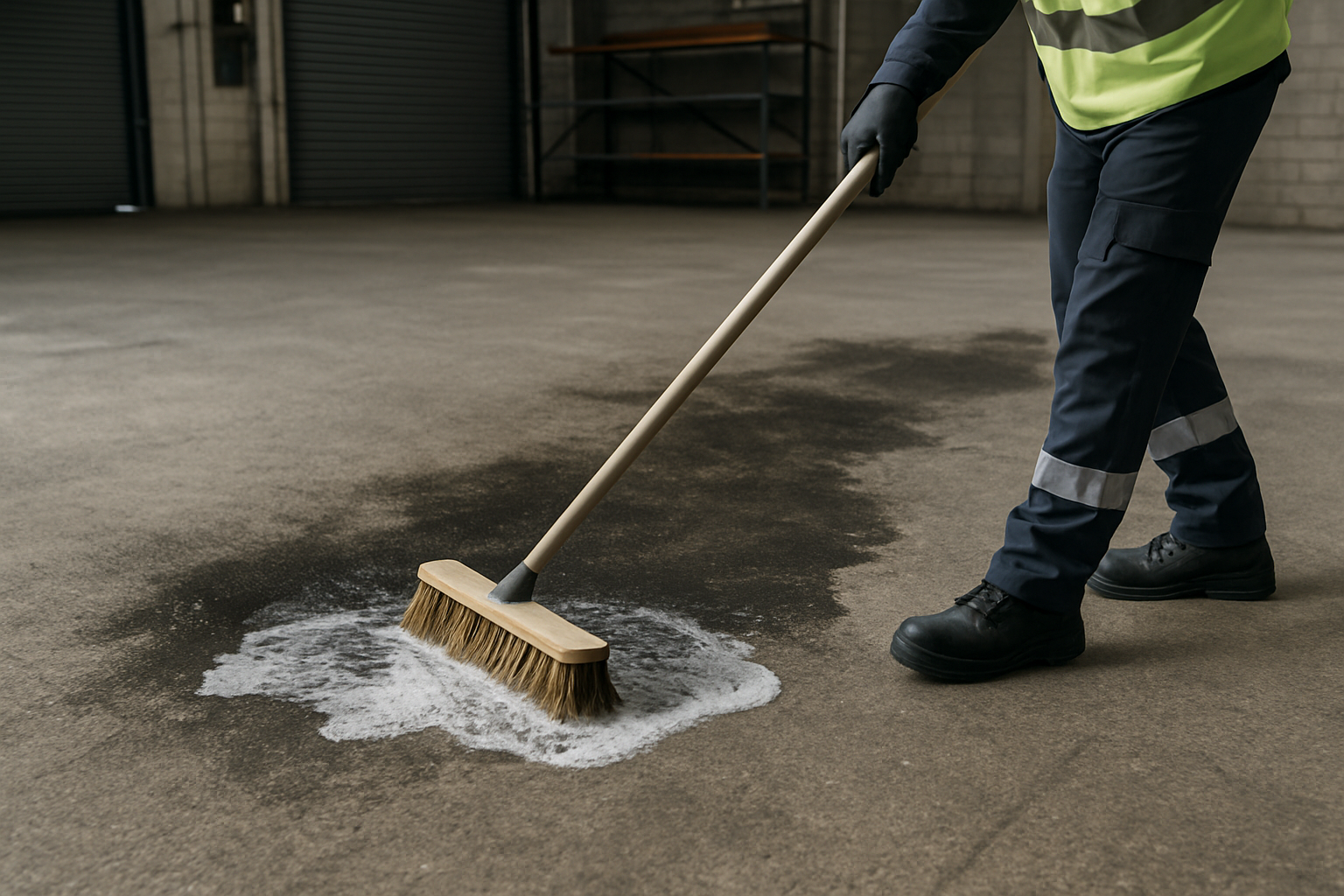
Shake the container before use. Spread the diluted degreaser onto the floor with a stiff broom or brush and work it into the contaminated area. Leave it to dwell so it can penetrate the oil and grease. Scrub the area with a stiff broom or a mechanical scrubber to lift the deposits out of the surface.

RINSING AND DRYING

Rinse with clean water, scrubbing while you rinse. Lift the washings with a wet vacuum where they cannot be flushed away. Inspect the floor once rinsed and repeat the process on any area that is still stained or greasy to the touch. Let the floor dry before any primer or coating is applied.

CLEAN UP AND DISPOSAL

Wash equipment with clean water after use. Do not let washings containing oil and grease enter rainwater drains or watercourses. Collect the residue and dispose of it in accordance with local regulations.

The Knowledge Hub

Everything You Need to Know

Browse our collection of in-depth articles and how-to guides designed to help you get the most out of this product. whether you need help with surface preparation or application advice, we have you covered.
View Technical Hub

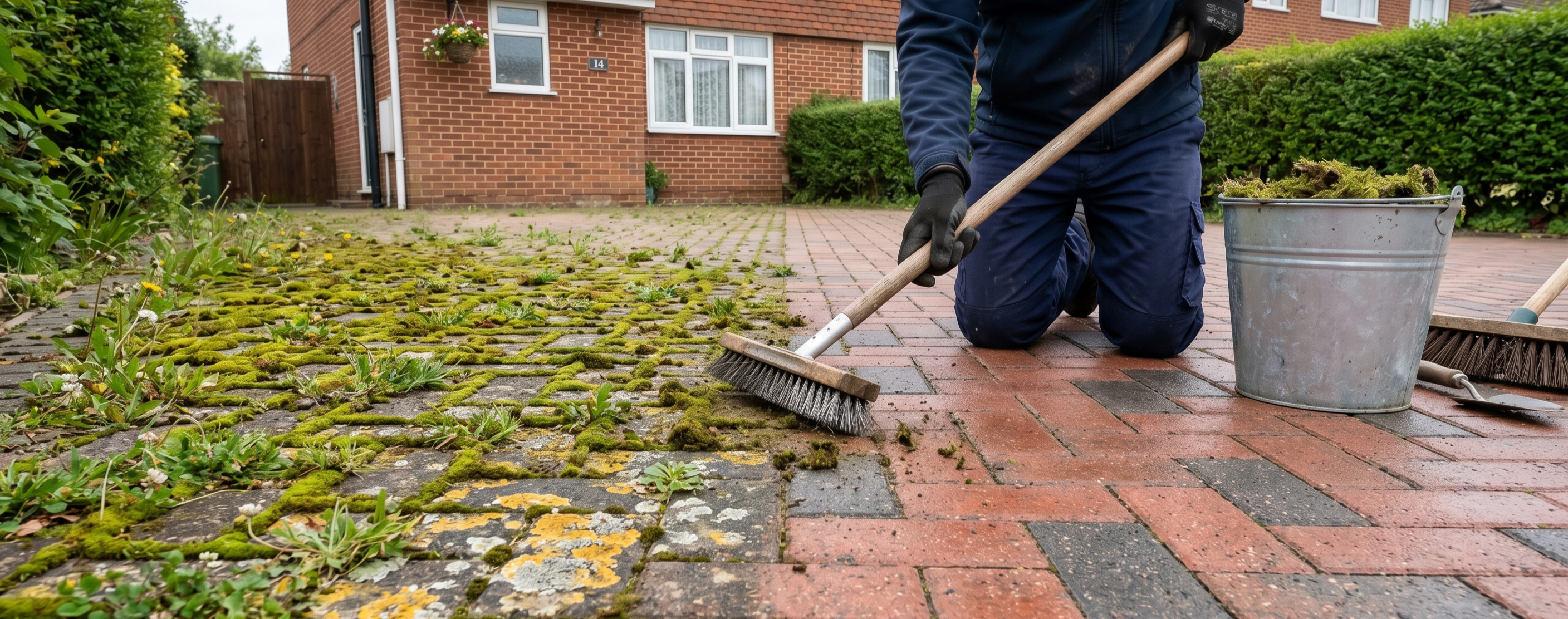
A visual comparison of a mossy, weed-infested block paving driveway next to a freshly cleaned section in the UK.
  • scritto da Sam Marriott

Restoring Block Paving: Removing Moss, Weeds, and Lichen
Block paving is the most popular driveway choice in the UK, but it has a major design flaw: Joints. Those thousands of gaps between the bricks are the perfect nursery for weeds, moss, and the dreaded "black spot" lichen. Every...

Continua a leggere

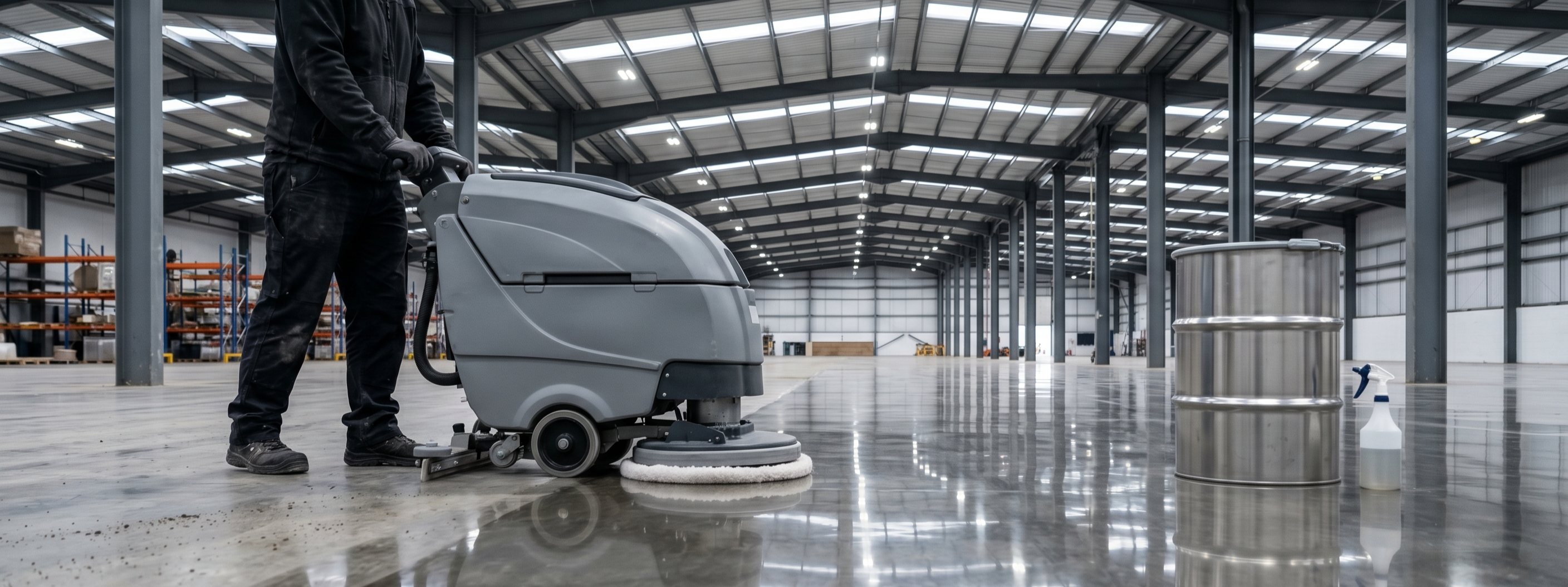
An unbranded industrial floor scrubber being used to maintain the high-gloss shine on a polished concrete warehouse floor.
  • scritto da Sam Marriott

Deep Cleaning Polished Concrete Without Damaging the Shine
Polished concrete is often sold as the "maintenance-free" flooring option. That is a lie. Yes, it is incredibly durable. It won't peel or flake like paint. But if you ignore it, or worse - if you clean it with the...

Continua a leggere

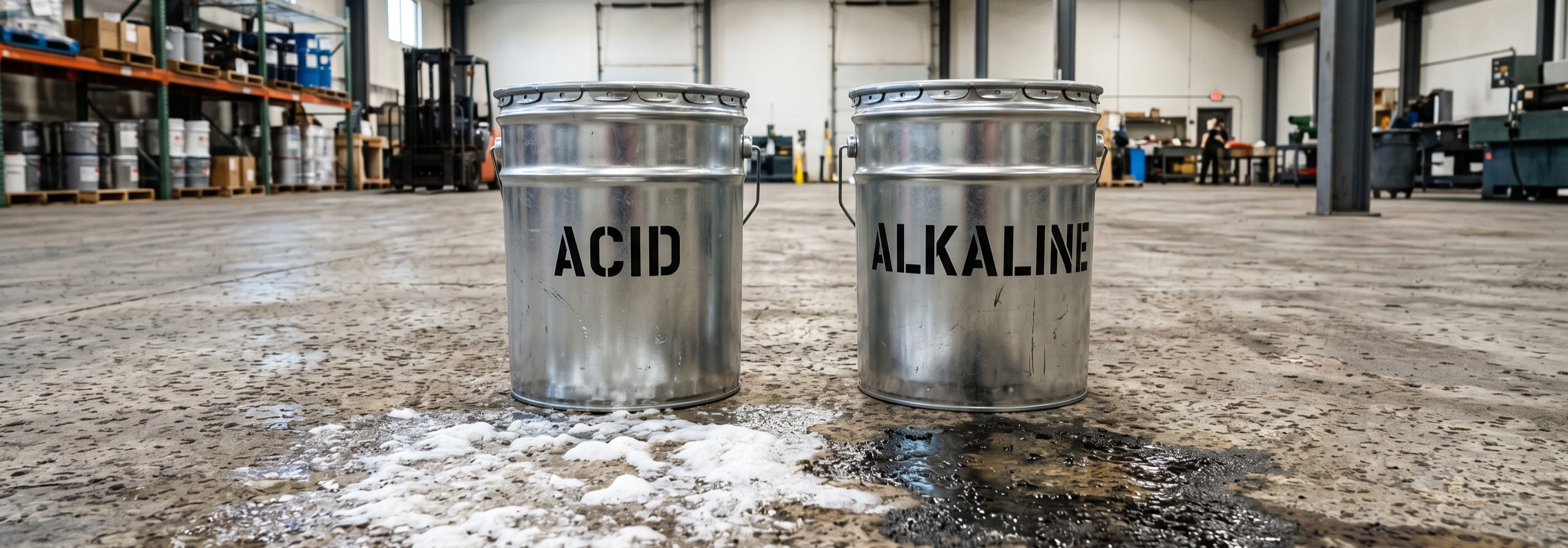
Two unbranded silver tins labeled Acid and Alkaline on an industrial concrete warehouse floor.
  • scritto da Sam Marriott

Acid vs. Alkaline Concrete Cleaners: Which is Best for Your Floor?

If you walk into a hardware store and ask for "concrete cleaner," you'll probably end up with a few different options in-front of you. Most people grab the bottle with the most aggressive warning label, thinking "stronger is better." But...

Continua a leggere

How to Sand a Painted Concrete Floor for Recoating
  • scritto da Sam Marriott

How to Sand a Painted Concrete Floor for Recoating

In our Sanding vs. Grinding: Preparing Previously Painted Concrete guide, we established that if your floor passes the Cross-Hatch Adhesion Test, then the next step for recoating will be sanding. Choosing to sand rather than grind saves you hundreds of pounds in equipment rental and diamond consumables....

Continua a leggere

FAQs

Please read our FAQs page to find out more.

Why degrease a floor before painting it?
Because a coating applied over oil or grease bonds to the contamination rather than the substrate. That bond fails under traffic, showing as patchy adhesion, flaking and lifted film. Degreasing removes the contamination so the coating grips the floor itself.
What is the best way to apply it?
Dilute the concentrate with water first. Spread the diluted degreaser over the floor with a stiff broom or brush and work it into the surface. Let it dwell so it can penetrate the deposits, then scrub with a stiff broom or a mechanical scrubber. Rinse thoroughly with clean water.
How long should I leave the floor before coating?
Let the floor dry out fully after rinsing. Moisture left in the substrate will affect the primer or paint that follows. Check the surface is clean, dry and free of residue before you start the coating specification.
What if the floor is still greasy after one wash?
Repeat the process. Heavily contaminated floors may need a second pass. Reapply the degreaser to the areas still showing staining or a greasy feel, scrub again and rinse.
How should I dispose of the washings?
Do not allow washings that contain oil and grease to enter rainwater drains or open watercourses. Where drainage is restricted, lift the residue with a wet vacuum and dispose of it in line with local regulations.

Didn’t find your answer?

Don't hestitate to contact us