System Overview
For concrete, natural stone, and block paving patios, sealing systems provide protective treatment that helps reduce water penetration, limit staining, and extend the service life of exterior hard landscaping surfaces. Patio sealers are commonly applied to decorative outdoor paving where long-term exposure to weather, moisture, and environmental contamination can gradually degrade unsealed materials.
Exterior paving materials are typically porous and susceptible to absorbing water, oils, and organic contamination. Sealing these surfaces reduces surface absorption and helps preserve both the structural integrity and visual appearance of patio installations.
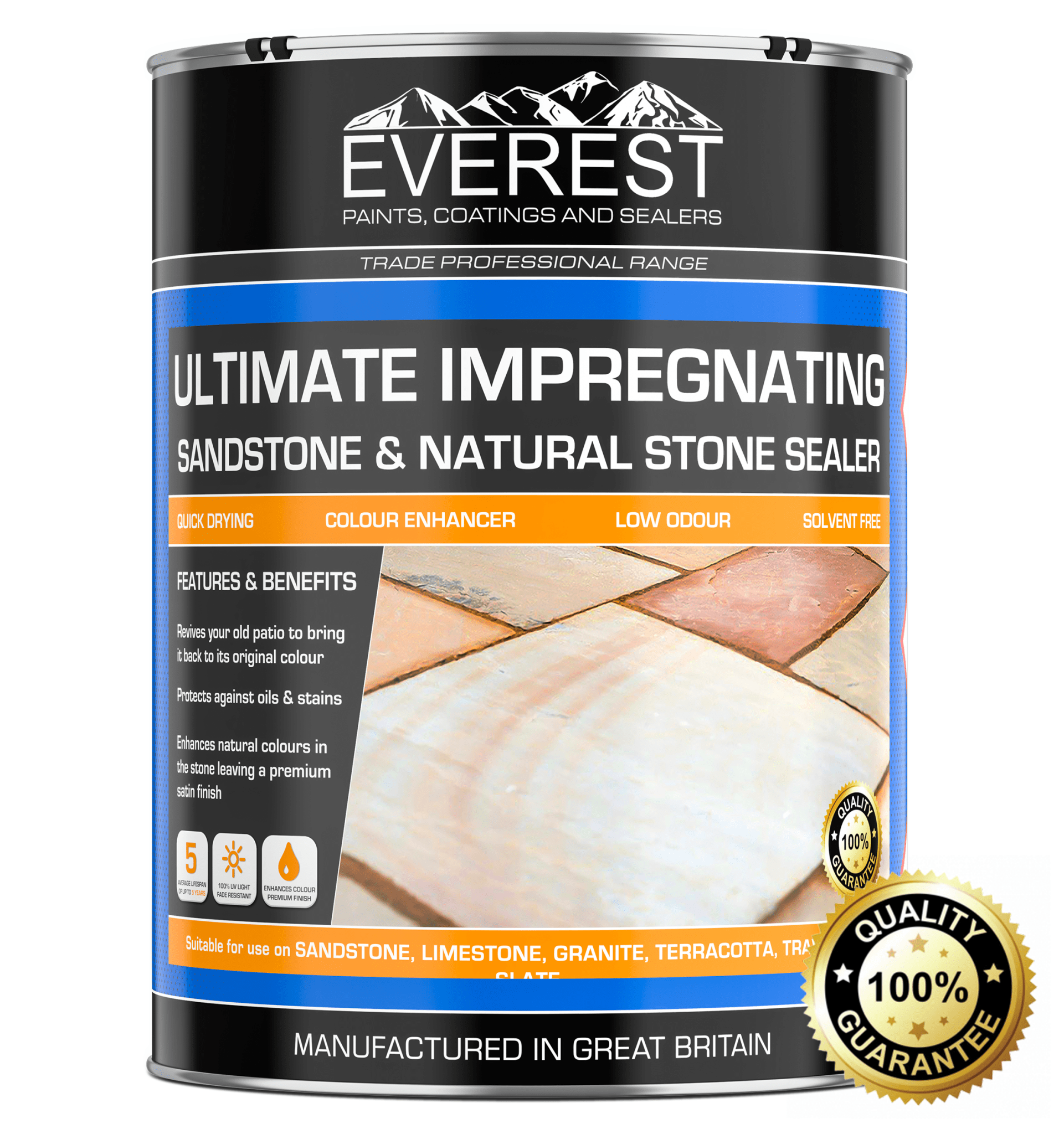
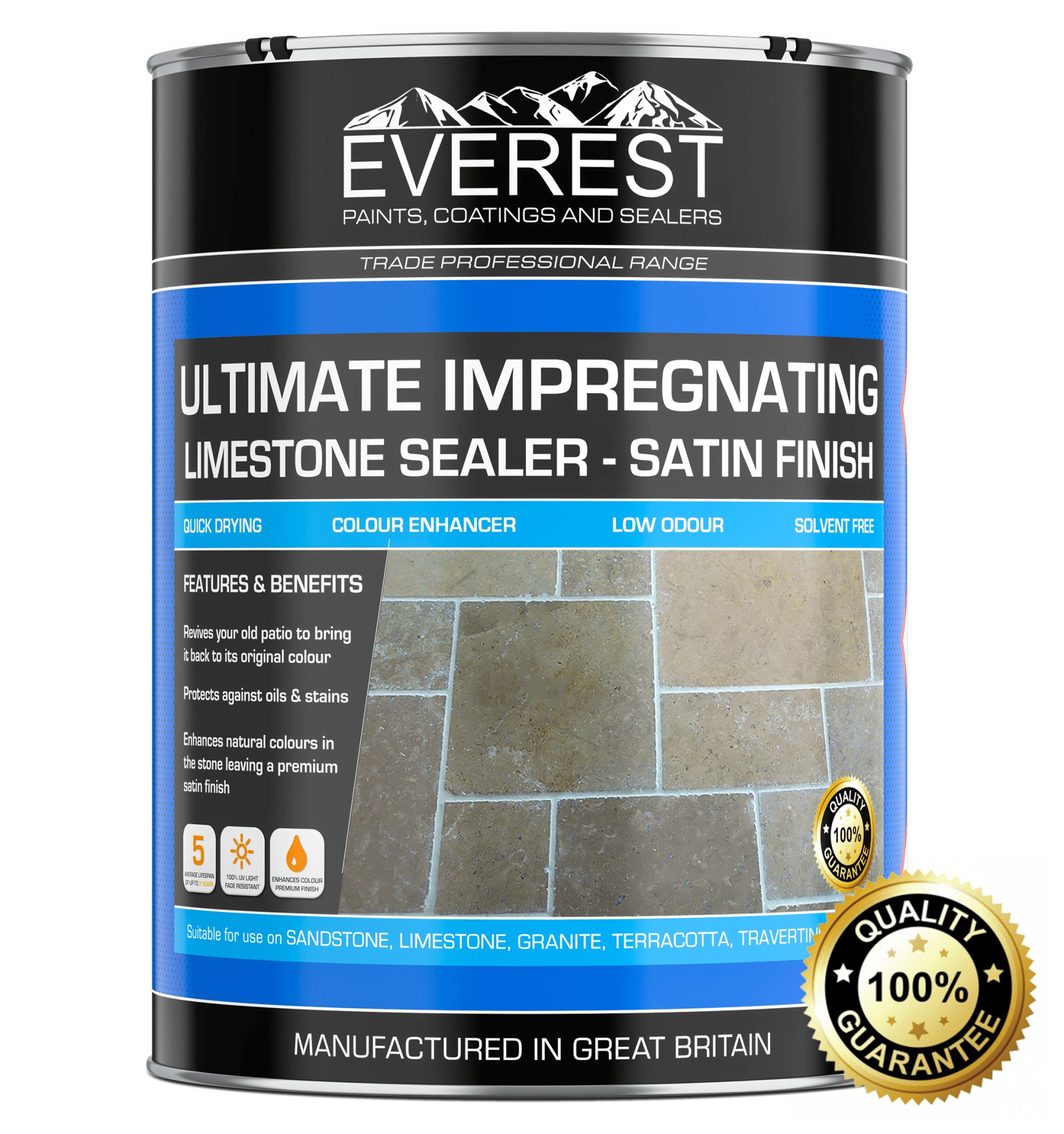
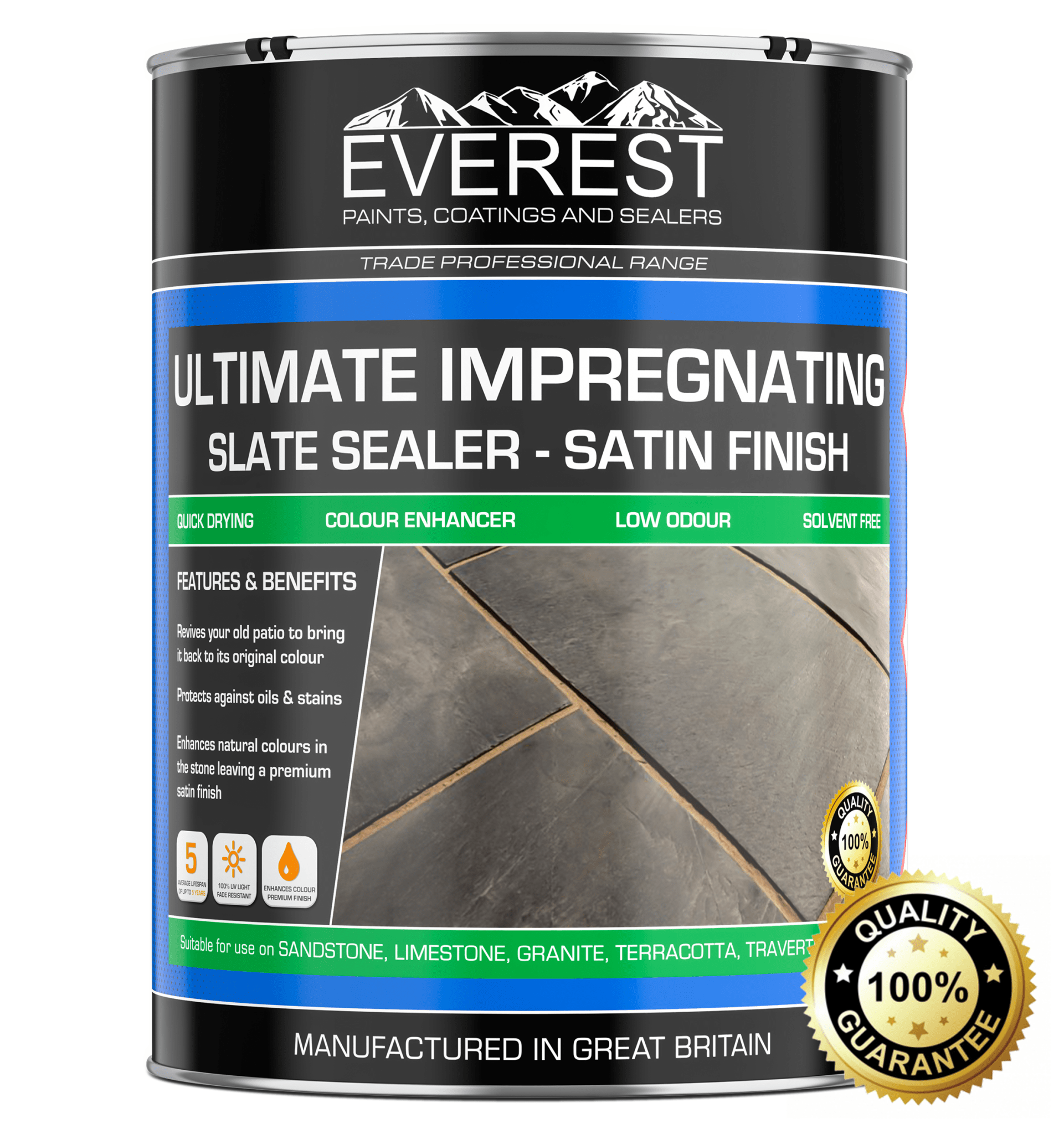
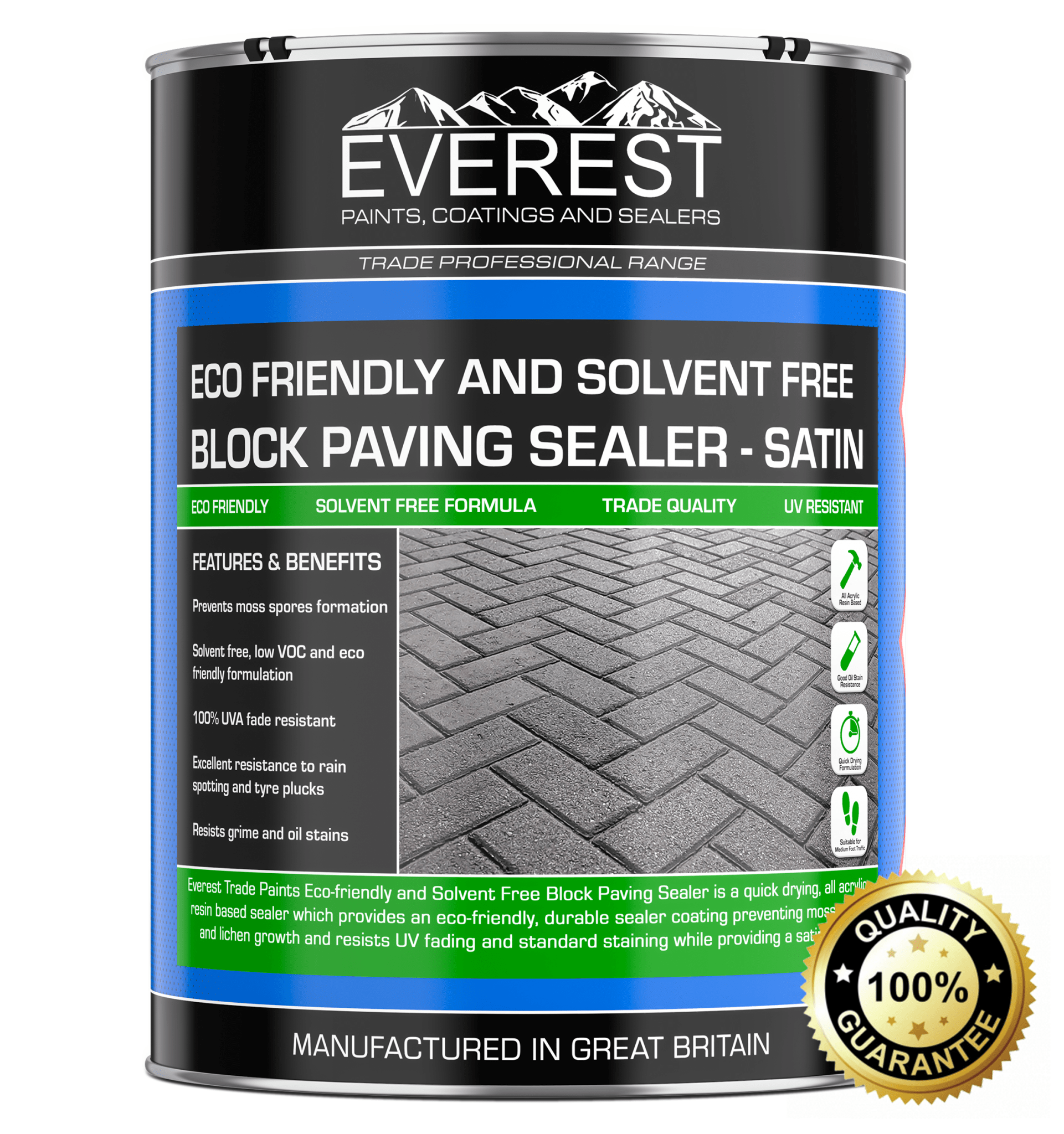
EVEREST SummitSeal patio sealers utilise silane-modified acrylic, silane–siloxane, and polyurethane technologies designed for mineral paving substrates. Penetrating systems protect the pore structure of the material while maintaining breathability, while film-forming sealers can provide enhanced surface protection and optional colour enhancement depending on the formulation.
These systems are widely used for patios, garden paths, terraces, and courtyard areas where decorative paving requires ongoing protection from weather exposure and routine outdoor use.
Suitable Substrates & Surface Preparation
Concrete slabs, natural stone paving, and block paving are the most common substrates treated with patio sealers. Each material exhibits different porosity characteristics, which influence how the sealer penetrates and performs.
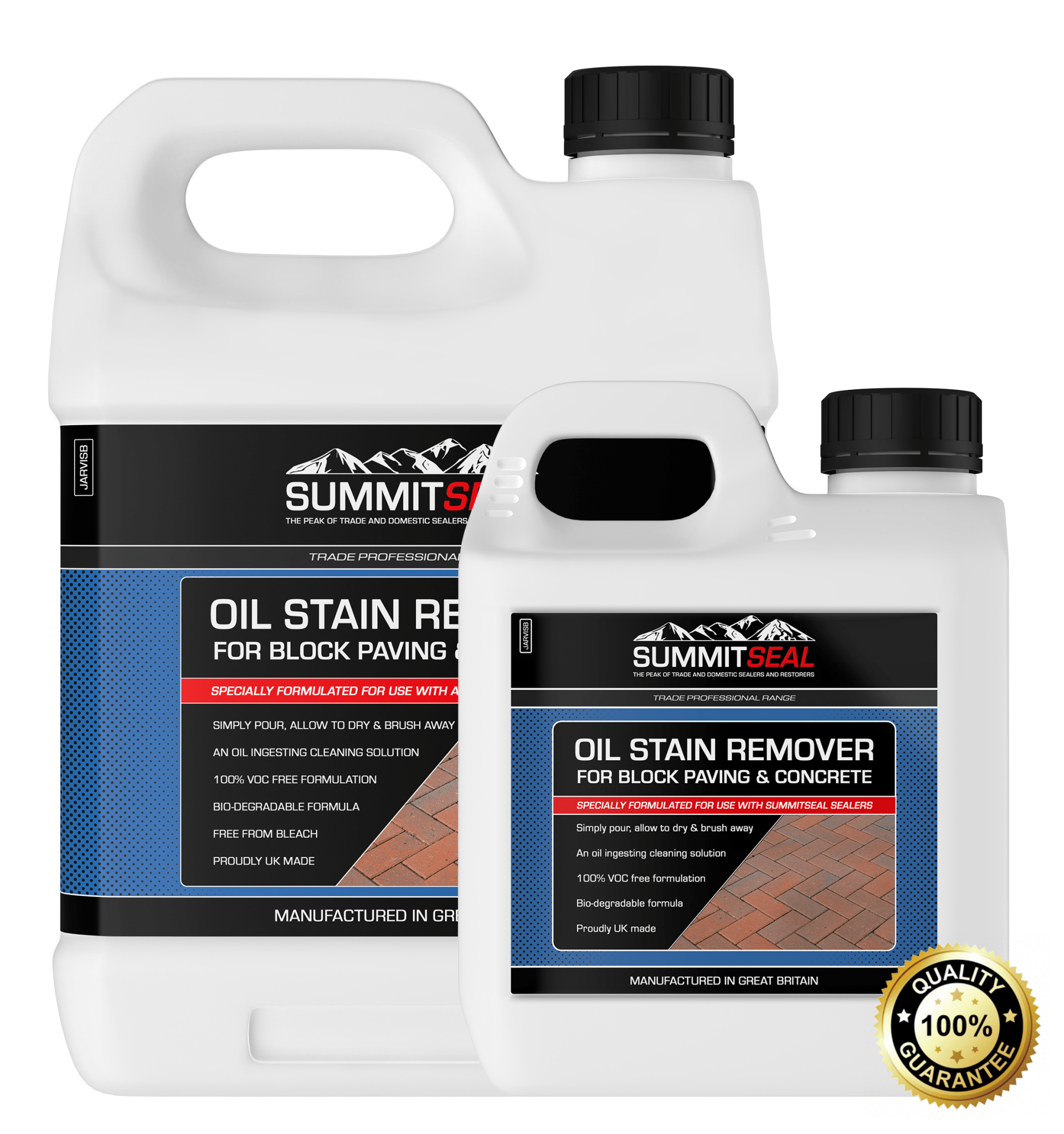
Concrete paving must be clean and free from surface contamination such as dirt, algae, oil stains, or previous degraded coatings before sealing. Pressure washing and suitable cleaning solutions are often required to restore the surface condition prior to application.
Natural stone surfaces such as sandstone, limestone, or slate require careful cleaning to remove embedded debris from textured surfaces. Organic growth, environmental deposits, and surface contamination must be removed before sealing.
Block paving installations often accumulate jointing sand residue, dirt, and biological growth over time. Thorough cleaning and removal of loose debris are important before applying a sealing system.
Across all substrates, the surface must be fully dry before sealing. Residual moisture within the substrate can prevent proper penetration and reduce the effectiveness of the protective treatment.
Performance Characteristics & Limitations
Patio sealers provide protective benefits by reducing water absorption and improving resistance to surface contamination. Penetrating sealers based on silane–siloxane chemistry create a hydrophobic treatment within the pore structure of mineral materials while maintaining vapour permeability.
Silane-modified acrylic sealers can provide both penetrating and surface film protection, helping to improve durability against foot traffic and environmental wear. These systems may also enhance the colour of certain paving materials depending on the formulation.
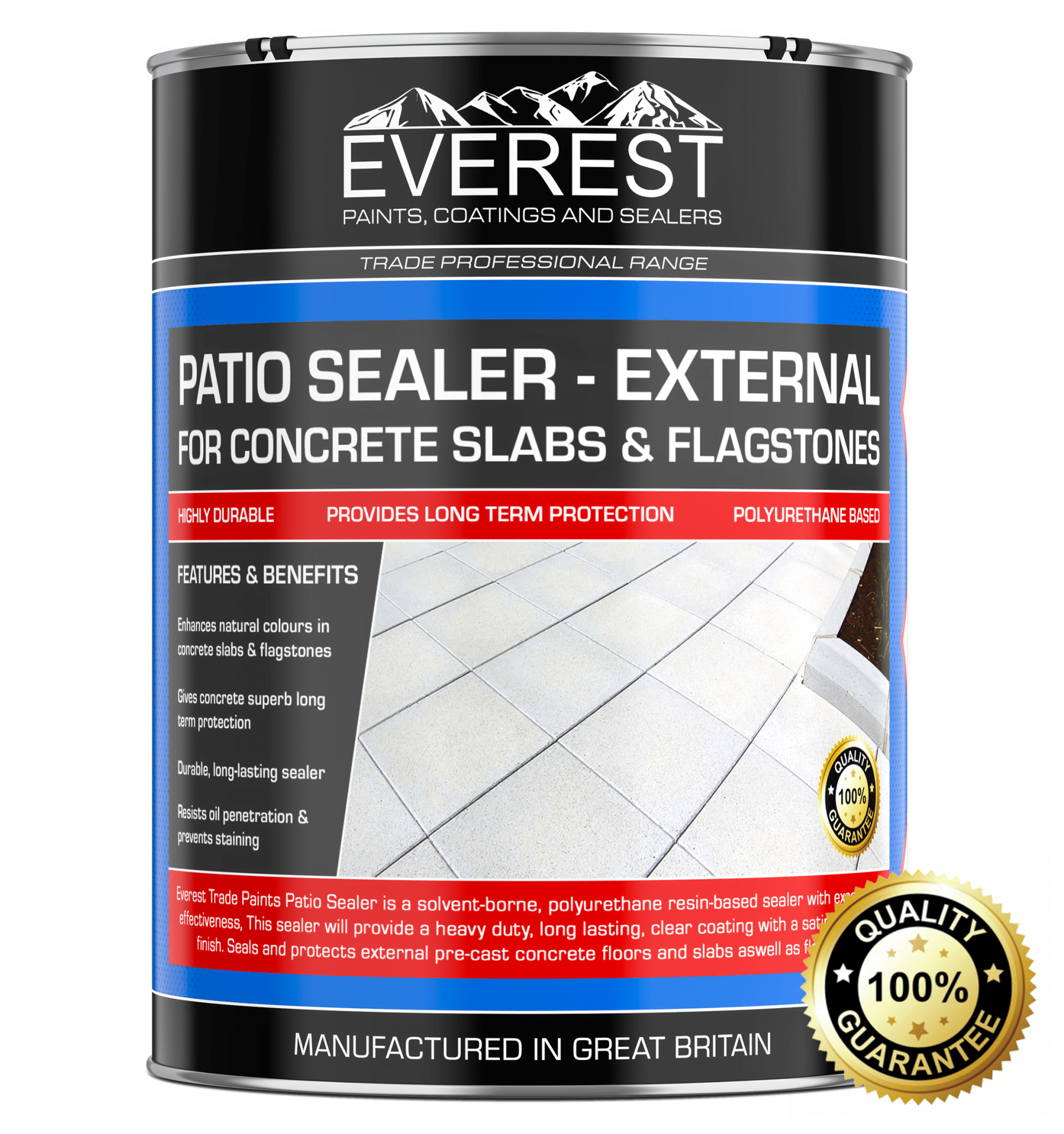
Polyurethane-based patio sealers can form a more durable surface film that improves resistance to staining and mechanical wear, particularly in areas experiencing higher foot traffic or occasional light vehicle use.
Some patio sealers offer different aesthetic finishes depending on the product type. Dry finish sealers preserve the natural appearance of the paving, while colour-enhancing or wet-look sealers deepen the tone and visual contrast of the surface.
Despite their protective properties, patio sealers do not strengthen structurally damaged paving or prevent mechanical wear under heavy traffic. Surfaces subject to significant abrasion or vehicle turning may require more frequent maintenance.
Internal vs External Considerations
Patio sealers are designed specifically for exterior paving surfaces where exposure to rainfall, UV radiation, and seasonal environmental conditions is expected. Outdoor paving materials benefit from sealing because they remain vulnerable to moisture penetration and environmental contamination throughout their service life.
Exterior sealers must maintain durability under fluctuating temperatures and prolonged sunlight exposure. Acrylic and silane–siloxane technologies are commonly used in these conditions because they provide weather resistance while maintaining breathable protection for mineral substrates.
Because these products are formulated for outdoor environments, they are generally not intended for interior floor surfaces or enclosed spaces where different coating systems may be more appropriate.
Application conditions also influence performance. Surfaces should be dry and environmental conditions stable to allow proper penetration and curing of the sealing treatment.
Selection Guidance & When to Specify Alternatives
Patio sealers are typically specified to protect decorative outdoor paving installations where maintaining surface appearance and durability is important. These treatments help reduce moisture absorption, limit staining, and extend the maintenance cycle of patio and landscaping surfaces.
Sealers are widely used on residential patios, garden pathways, terraces, and courtyard spaces where mineral paving materials are exposed to weather and regular foot traffic.
Where enhanced durability or longer maintenance intervals are required, alternative sealing technologies may be appropriate. Polyurethane-based sealers or high-performance penetrating systems can provide increased stain resistance and extended service life under more demanding conditions.
Selecting the appropriate patio sealing system should consider the type of paving material, the porosity of the substrate, the desired visual finish, and the expected level of use within the outdoor space. Proper surface preparation and suitable application conditions remain critical to achieving reliable long-term protection.