Made In Great Britain

Direct from our factory

Free Next Day Delivery

On orders over £750

Product Test Results

All test results published

Expert Technical Advice

Call or chat with our team

4.9
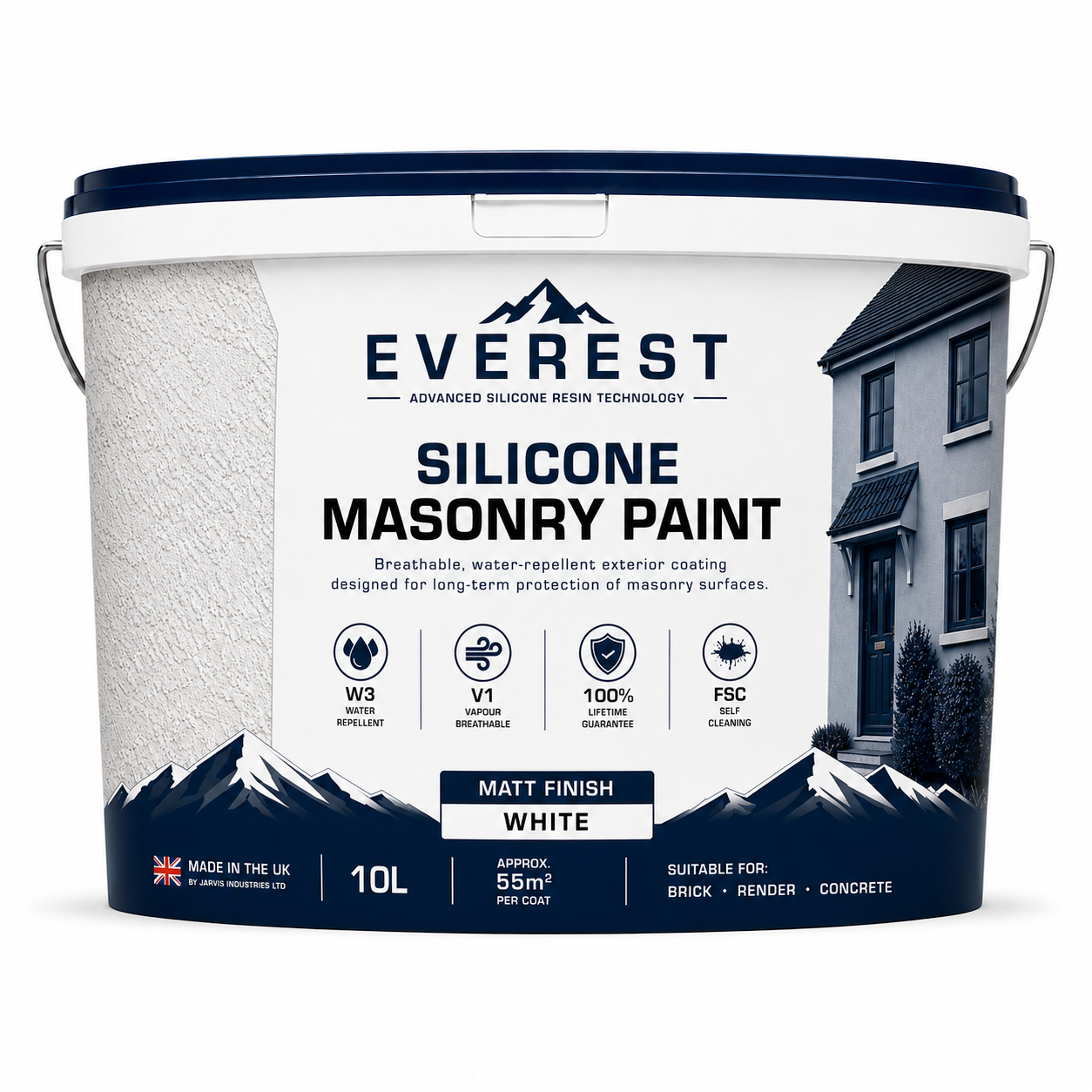
Everest - PremTex - Smooth Masonry Paint - Everest Paints
Fornitore:Everest Paints
  • Bianco
  • Magnolia
  • Cornish Cream
  • Classic Cream
  • Gardenia
5.0
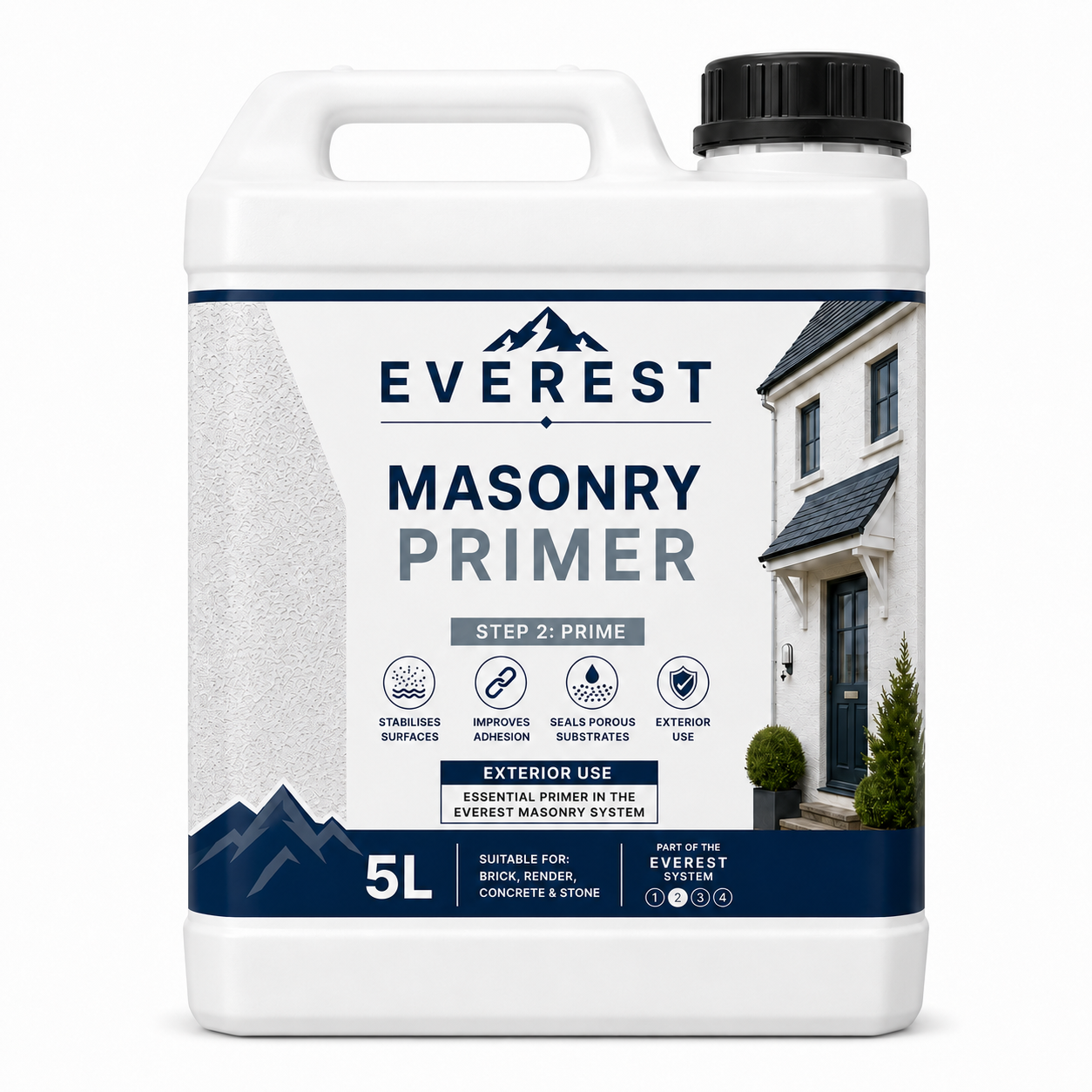
Everest - PremTex - Masonry Stabilising Primer - Everest Paints
Fornitore:Everest Paints
  • Chiaro
5.0
Everest - Agricultural & Industrial Barn Paint - Everest Paints
Fornitore:Everest Paints
  • Grigio chiaro
  • Mid Grey
  • Anthracite (Dark Grey)
  • Black
  • Juniper Green
4.9
Everest - Acrylic Barn Paint - Everest Paints
Fornitore:Everest Paints
  • Nero
  • Bianco
  • Grigio chiaro (RAL 7047)
  • Harbour Grey
  • Pebble Grey (Light Grey)
Close-up of a brick wall with a concrete ledge above it

Bare or Powdery Masonry?

Apply a Stabilising Masonry Primer

Masonry paints require a stable, sealed surface for consistent adhesion. On chalking or highly porous brick and render, apply a masonry stabiliser before the finish coat.

View Masonry Primers
Featured
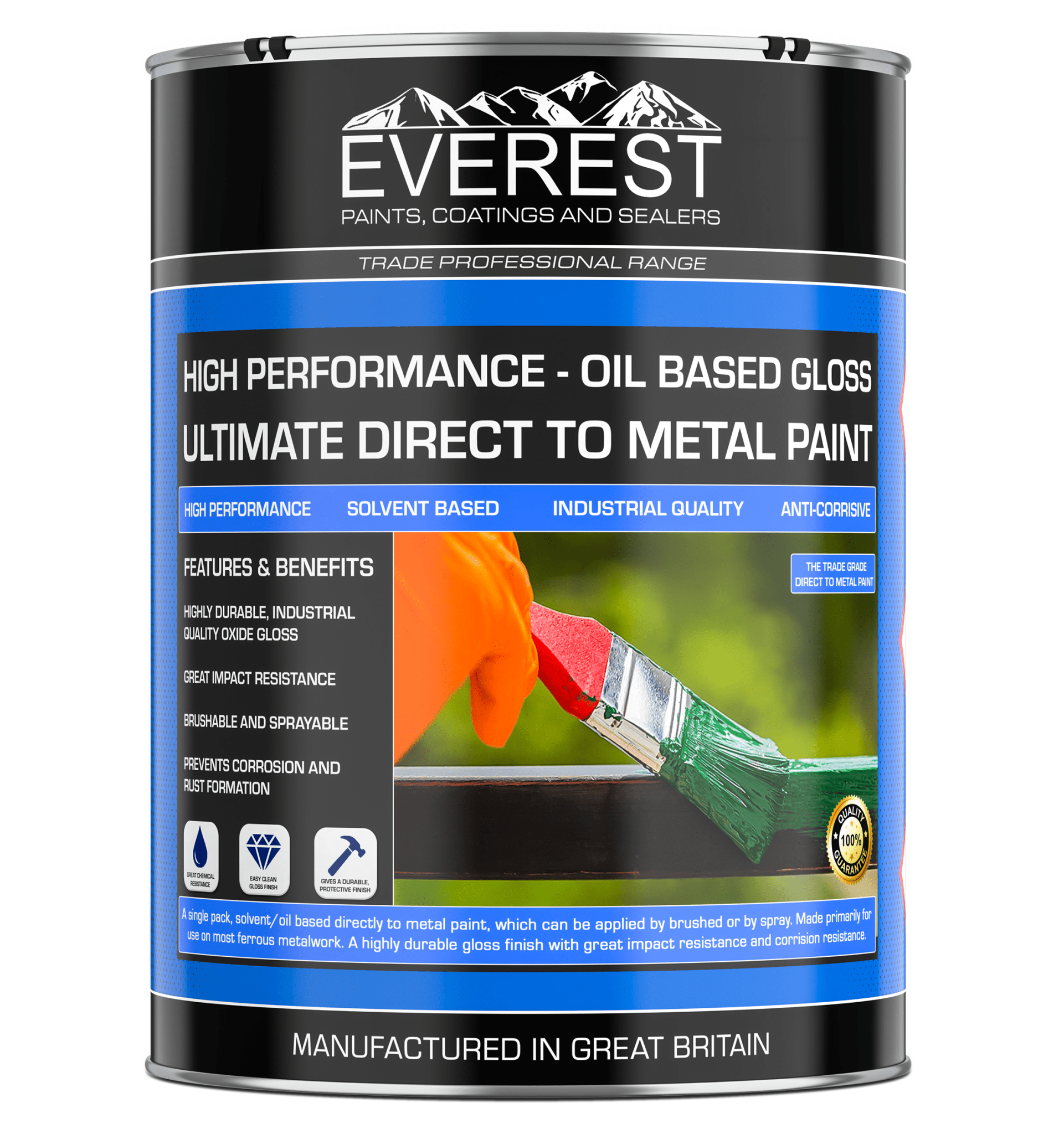
Everest - Direct to Metal Paint - Oil Based Gloss - Everest Paints
Everest - Oxide Gloss - Anti - Corrosive Paint - Everest Paints
5.0
Everest - PremFlex - Flexible Roof Tile Paint - Everest Paints
Fornitore:Everest Paints
  • Nero
  • Antracite
  • Carbone
  • Corazzata grigia
  • Grigio chiaro
Featured
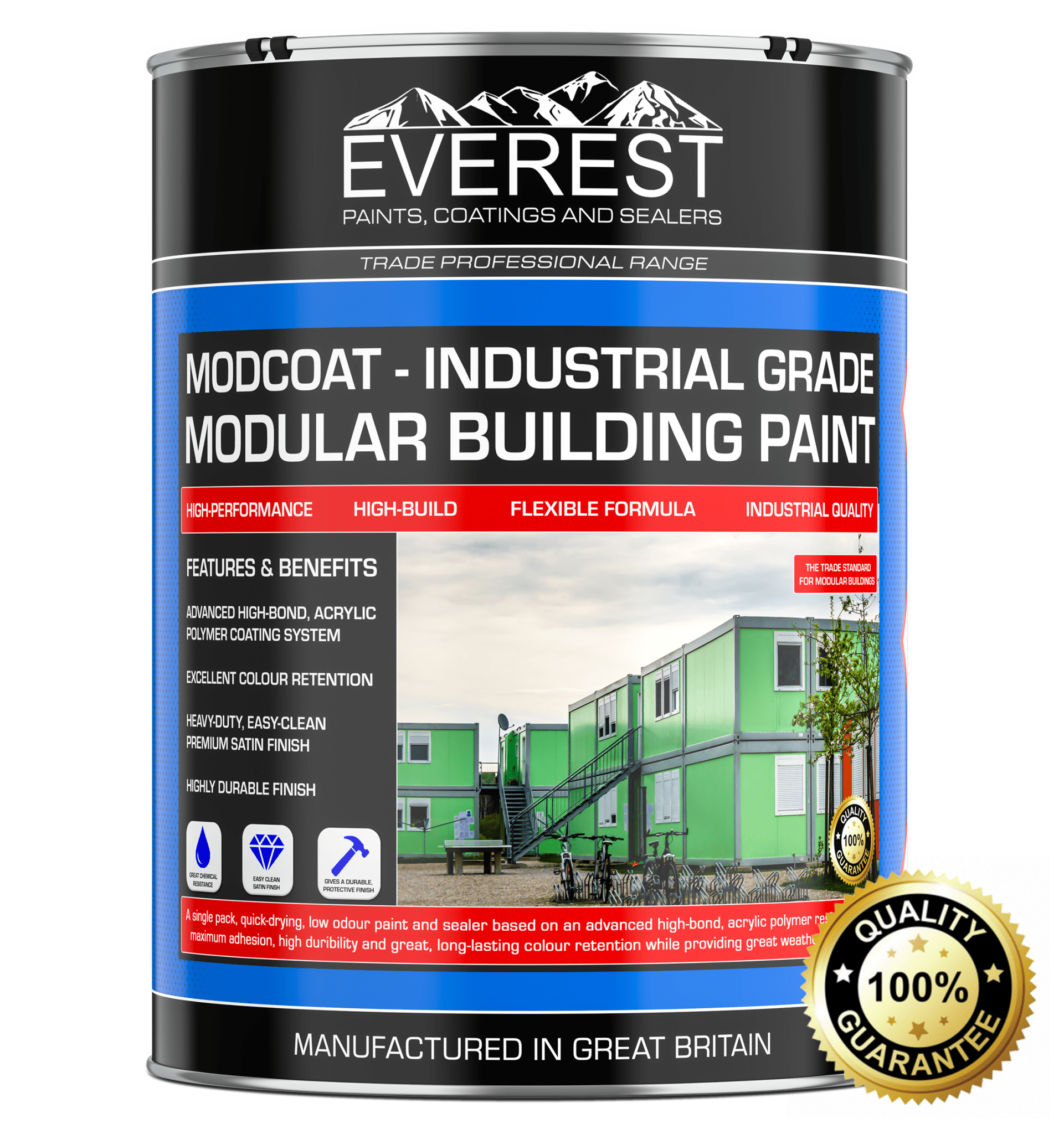
Everest - MODCOAT - HB Modular Building Coating - Everest Paints
Featured
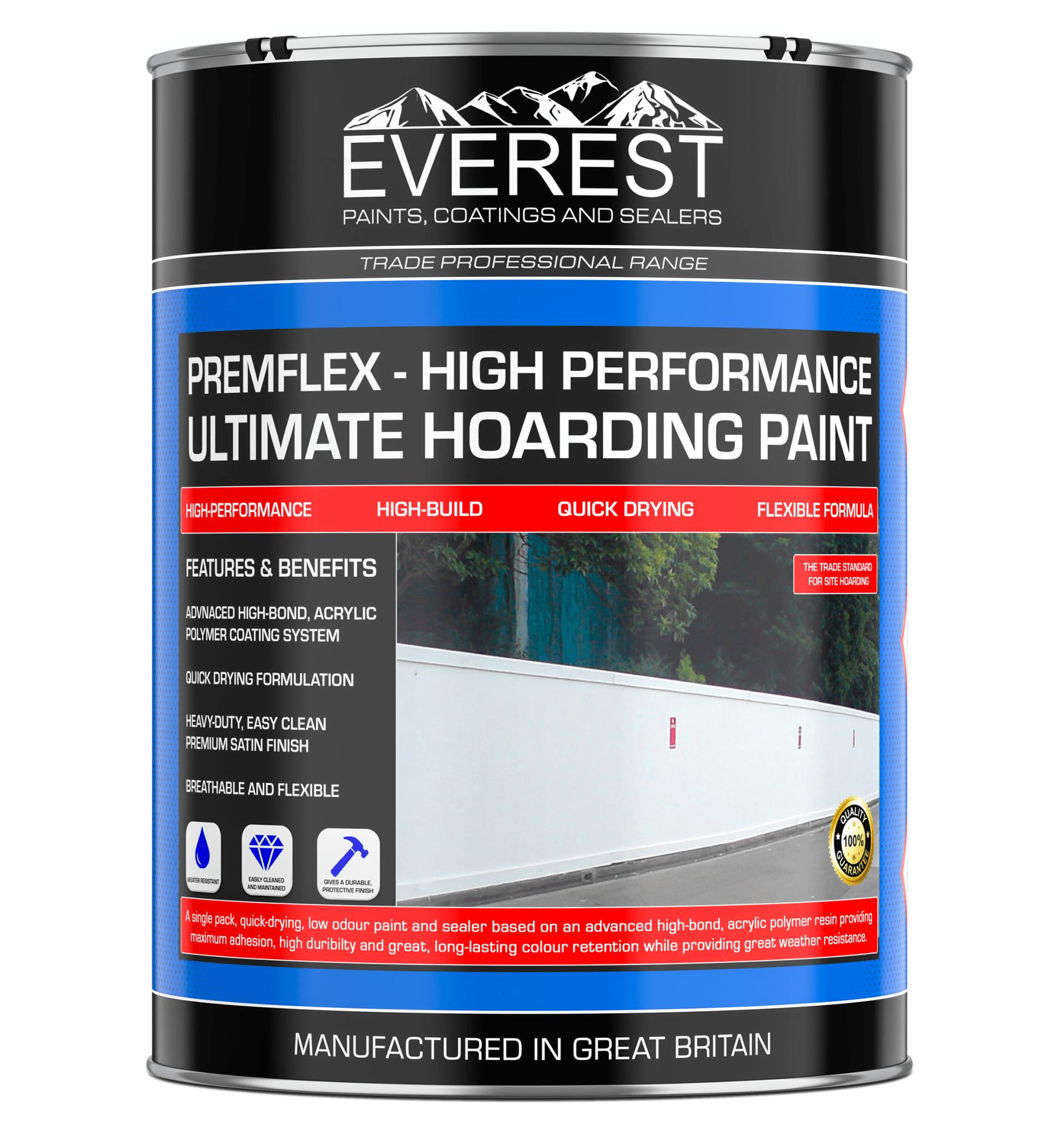
Everest - SiteCoat - Hoarding Paint - Everest Paints
Featured
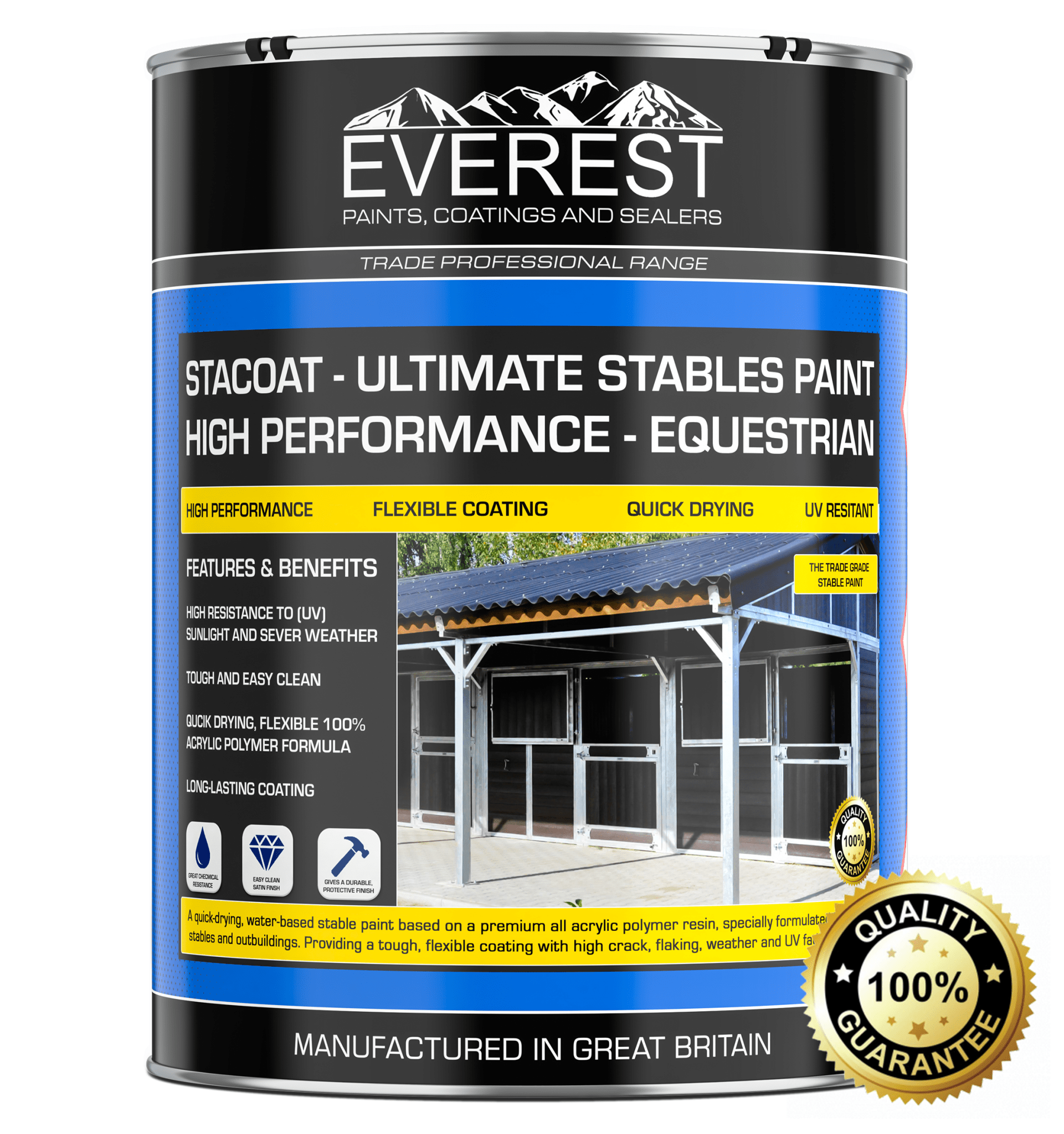
Everest - STACOAT - Ultimate Stables Paint - Everest Paints

Smooth Finish Coatings for Masonry, Concrete and Exterior Walls

Duty classification:
Light to Medium Duty
Suitable substrates:
Concrete Asphalt Brick Masonry Previously painted surfaces

System Overview

For concrete, brick, masonry, and previously painted building surfaces, smooth finish coatings provide a uniform protective film designed to improve appearance while protecting the substrate from environmental exposure. These coatings level across prepared surfaces to produce a consistent, non-textured finish suitable for refurbishment and maintenance of interior and exterior structures.

Smooth coating systems are commonly used where a clean architectural finish is preferred over textured or heavily filled coatings. On masonry and mineral surfaces, these coatings create a continuous film that improves surface coverage while helping protect the substrate from moisture exposure and general environmental wear.

EVEREST smooth finish coatings utilise acrylic, polyurethane, and oil-based technologies depending on the intended application environment and substrate type. Acrylic systems often provide weather resistance and breathability for exterior mineral surfaces, while polyurethane and oil-based coatings can deliver durable film formation and smooth decorative finishes.

These coatings are typically specified where building surfaces require visual restoration alongside moderate protective performance.

Suitable Substrates & Surface Preparation

Concrete, masonry, brick, and asphalt surfaces can all be coated using smooth finish systems where the substrate is structurally sound and properly prepared.

Mineral substrates such as masonry and concrete are typically porous and may require cleaning and preparation before coating. Surfaces should be free from dust, grease, algae, and loose material prior to application. Weathered masonry may require stabilising primers where surface chalking or friable areas are present.

Previously painted surfaces should be inspected to ensure the existing coating remains firmly adhered. Loose or flaking paint should be removed before applying the new coating system, and light abrasion may be required to improve intercoat adhesion.

Asphalt surfaces used in certain building areas or service environments should be stable and free from loose aggregate or contamination before coating.

Where substrates are highly porous or uneven, primer layers may be used to regulate surface absorption and improve film formation of the finishing coating.

Performance Characteristics & Limitations

Smooth finish coatings provide a continuous film that enhances the visual appearance of building surfaces while offering protection against environmental exposure. The smooth surface helps improve coverage and allows the coating to level across prepared substrates, producing a uniform decorative finish.

Acrylic coatings are often used where breathability and exterior weather resistance are required, particularly on masonry and mineral surfaces exposed to rainfall and sunlight.

Polyurethane coatings can provide improved abrasion resistance and film durability where surfaces may experience moderate physical contact or cleaning.

Oil-based coatings may be used where durable film formation and traditional finishing systems are preferred, particularly on certain architectural substrates.

Despite these protective characteristics, coatings in this category are typically designed for light to medium duty environments. They are not intended for heavy traffic flooring, aggressive chemical exposure, or highly abrasive industrial conditions.

Surface condition also strongly influences the visual quality of smooth finish coatings because the film highlights irregularities within the substrate.

Internal vs External Considerations

Smooth finish coatings can be used in both interior and exterior environments depending on the selected formulation.

Exterior surfaces such as masonry walls, garages, and outbuildings require coatings that resist weather exposure and maintain adhesion under fluctuating environmental conditions. Acrylic-based coatings are commonly used in these situations due to their weather resistance and flexibility.

Interior environments such as workshops, garages, and utility rooms may require coatings that provide improved durability and ease of cleaning while maintaining a smooth decorative finish.

Environmental exposure, substrate type, and operational use should all be considered when selecting a coating system for interior or exterior surfaces.

Selection Guidance & When to Specify Alternatives

Smooth finish coatings are typically specified where building surfaces require decorative refurbishment combined with moderate protective performance. They provide a clean architectural appearance suitable for both interior and exterior building elements.

These coatings are commonly used on masonry walls, concrete surfaces, garages, outbuildings, and utility spaces where a smooth decorative finish is preferred.

However, where surfaces are exposed to severe weather conditions, heavy abrasion, or demanding service environments, more specialised coating systems may be required. Textured coatings, high-build protective finishes, or specialist industrial coatings may provide improved durability in such situations.

Selecting the appropriate coating system should therefore consider substrate condition, environmental exposure, and the level of durability required for the intended application.
Explore Masonry Paint Systems

Smooth Finish Paints FAQs

View All FAQ's

Technical Guidance & Application Advice

Smooth finish coatings are used where a uniform decorative surface is required across masonry, concrete, brick, or previously painted substrates. Proper preparation, including cleaning, stabilising porous areas, and removing loose coatings, is essential to ensure consistent film formation. Acrylic, polyurethane, and oil-based formulations provide different drying characteristics and durability levels depending on the substrate and environmental exposure.

How should masonry or concrete surfaces be prepared before applying smooth finish paint?

Surfaces should be clean, dry, and free from dust, grease, algae, and loose material before painting. Any flaking or poorly adhered coatings should be removed and the surface lightly abraded where necessary. Highly porous or chalking masonry may require a stabilising primer to regulate absorption and improve adhesion. Proper preparation helps ensure the smooth finish coating forms a consistent film across the surface.

Can smooth finish paint be applied over previously painted surfaces?

Smooth finish coatings can usually be applied over existing paint provided the previous coating remains stable and well adhered. The surface should be cleaned thoroughly and lightly sanded or abraded to create a suitable mechanical key. Any areas where the existing paint has failed, blistered, or flaked should be removed before application. Spot priming exposed substrate areas may be required to ensure even coverage.

What is the purpose of a smooth finish coating on building surfaces?

Smooth finish coatings are designed to provide a uniform decorative appearance while also offering protective coverage for building substrates. The coating forms a continuous film that can improve resistance to weather exposure on exterior surfaces and provide a durable finish for interior walls and utility areas. Achieving a consistent finish depends on correct preparation and even application across the substrate.

Are smooth finish paints suitable for exterior masonry surfaces?

Many smooth finish coatings can be used on exterior masonry when formulated for outdoor exposure. These coatings help protect the surface from rainfall, environmental contamination, and general weathering. Performance will depend on correct preparation, appropriate film thickness, and the condition of the underlying substrate. Exterior applications should always use coatings designed to tolerate UV exposure and environmental changes.

What substrates are commonly coated with smooth finish paints?

Smooth finish coatings are often used on masonry, brick, concrete, and previously painted building surfaces. They may also be applied to certain utility areas such as garages, workshops, or outbuildings where a uniform decorative finish is required. The suitability of the coating depends on substrate condition and correct preparation prior to application.

Can smooth finish paints be used on floors or high traffic areas?

Smooth finish coatings are generally intended for wall or vertical surface applications rather than areas subject to heavy mechanical wear. Floors exposed to foot traffic or vehicle movement usually require specialist floor coatings designed for abrasion resistance. Using coatings intended for vertical surfaces on floors may result in reduced durability.

Didn’t find your answer?

Don't hestitate to contact us

Expert Advice & Guides

A few of our most recent guides applicable to this product range.

View Technical Hub

Questa sezione non include attualmente alcun contenuto. Aggiungi contenuti a questa sezione utilizzando la barra laterale.