Made In Great Britain

Direct from our factory

Free Next Day Delivery

On orders over £750

Product Test Results

All test results published

Expert Technical Advice

Call or chat with our team

4.9
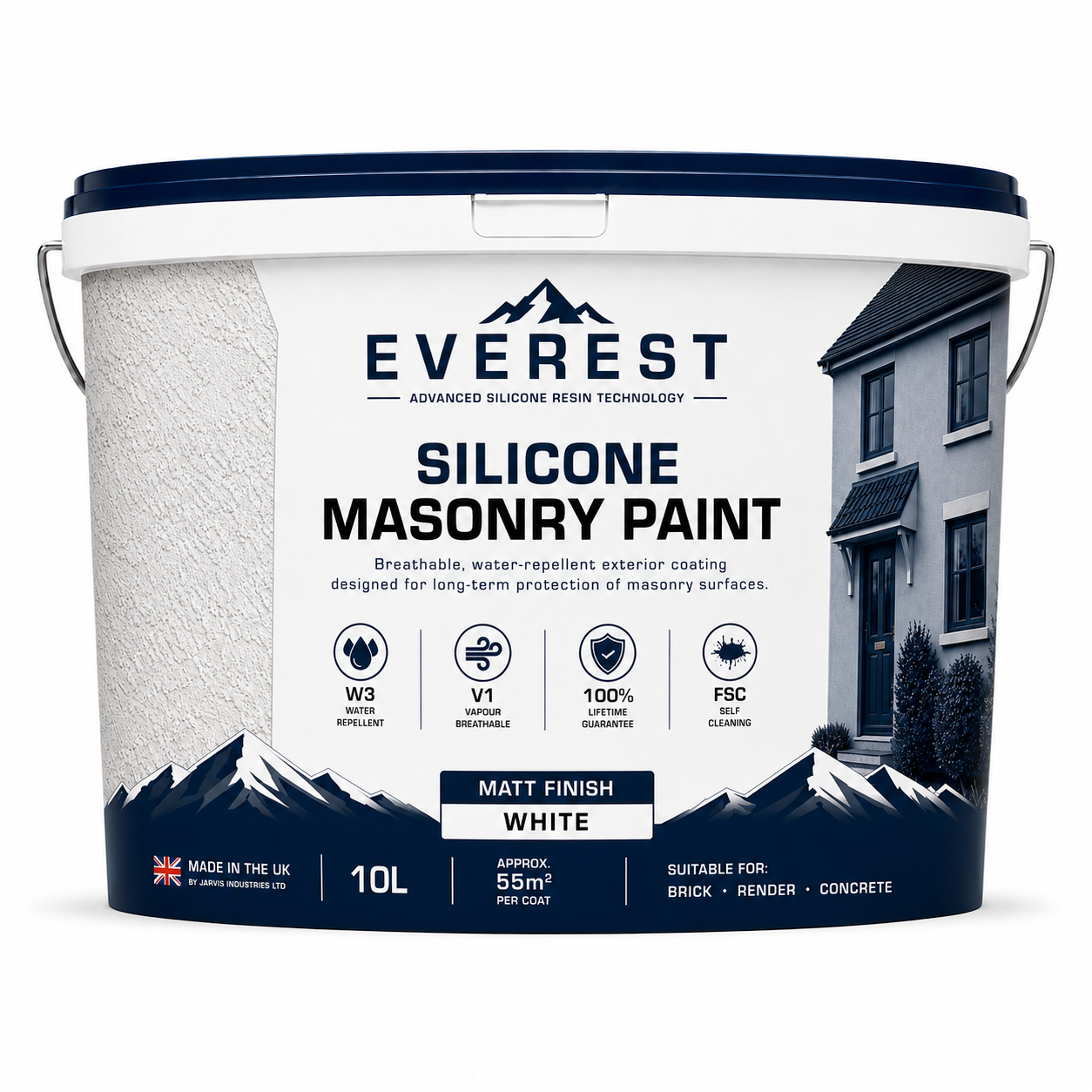
Everest - PremTex - Smooth Masonry Paint - Everest Paints
Fornitore:Everest Paints
  • Bianco
  • Magnolia
  • Cornish Cream
  • Classic Cream
  • Gardenia
4.9
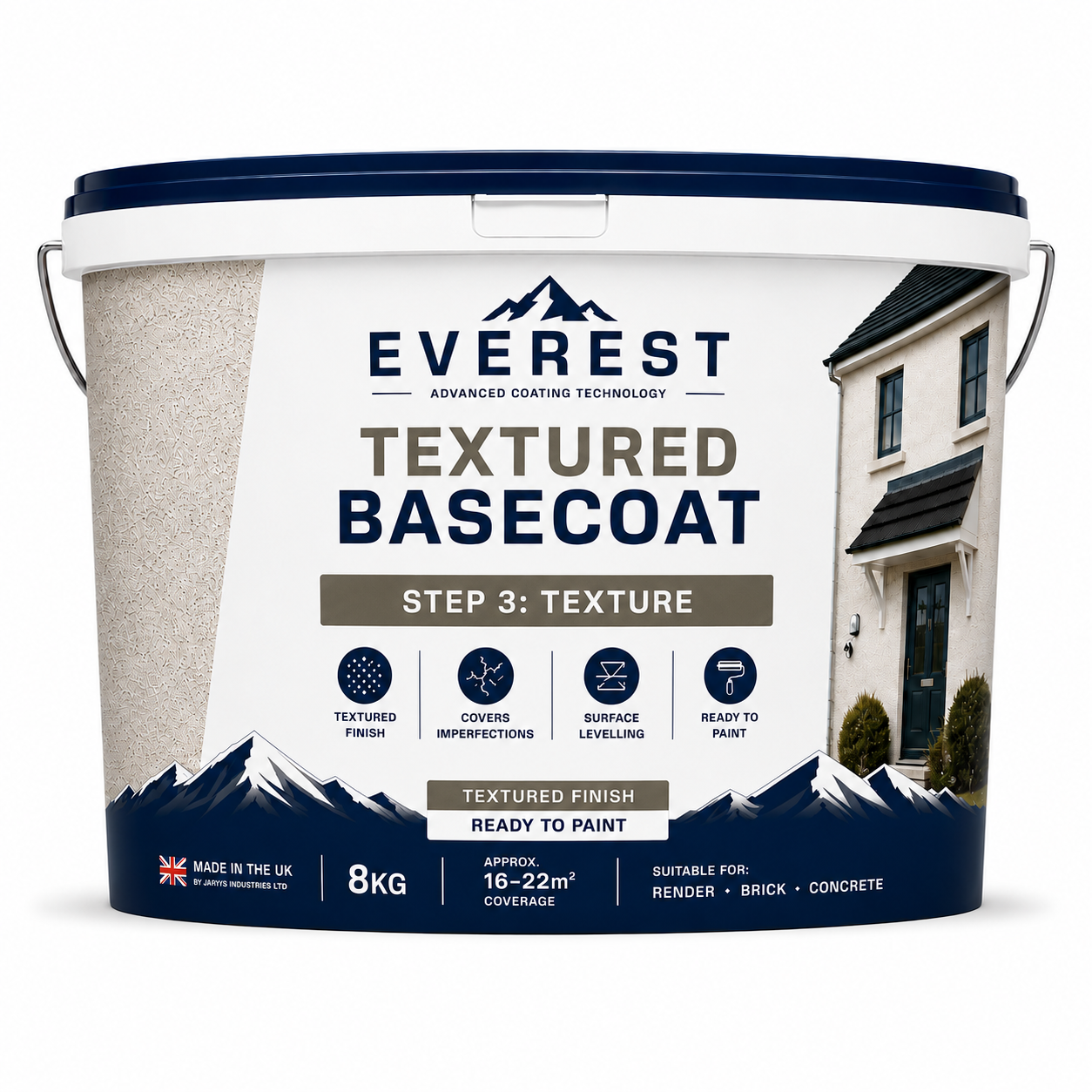
Everest - PremTex - Textured Masonry Paint - Everest Paints
Fornitore:Everest Paints

#ERROR!

Da £38.28
  • Bianco
  • Magnolia
  • Crema della Cornovaglia
  • Crema Classica
  • Gardenia
5.0
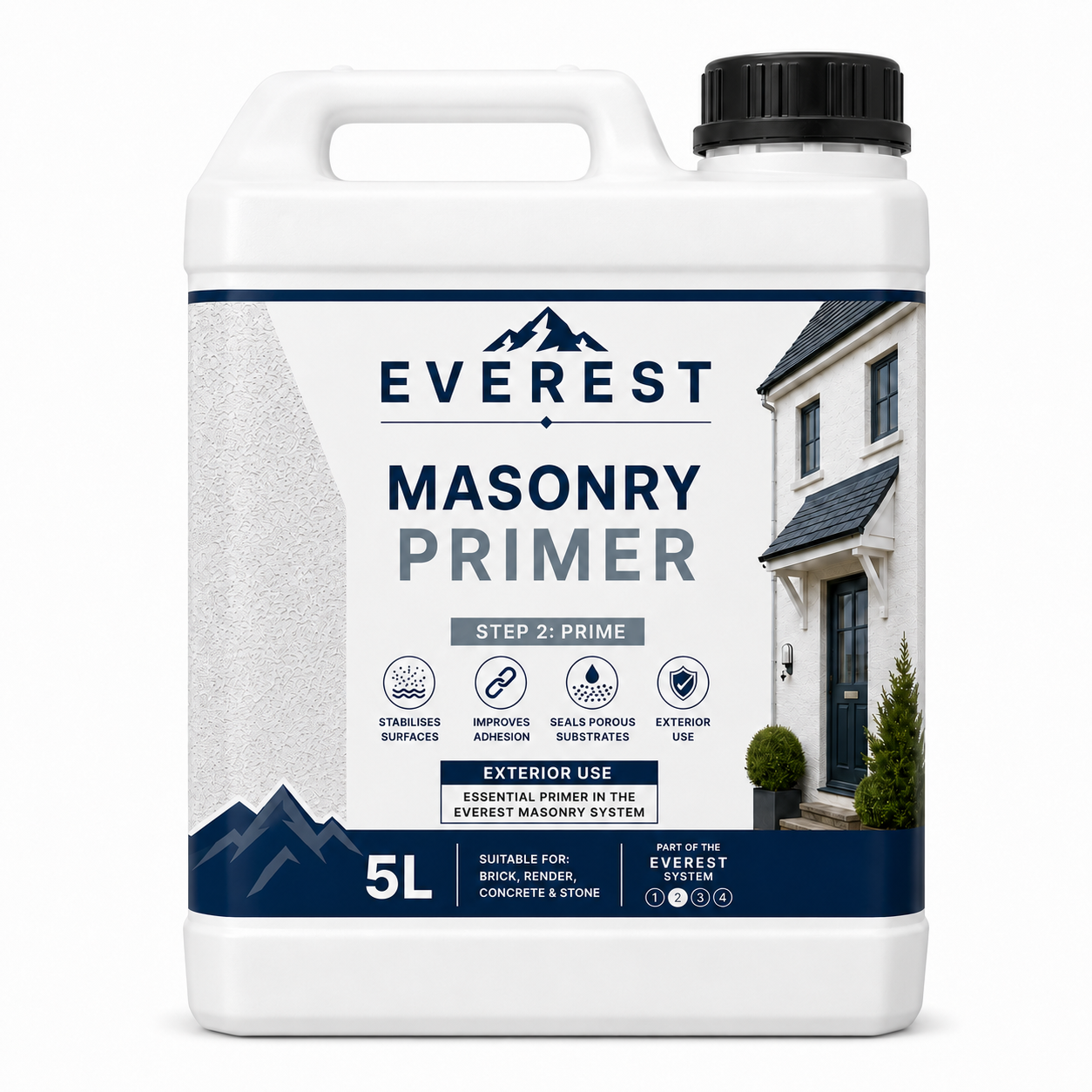
Everest - PremTex - Masonry Stabilising Primer - Everest Paints
Fornitore:Everest Paints
  • Chiaro
4.8
TRADE RATED
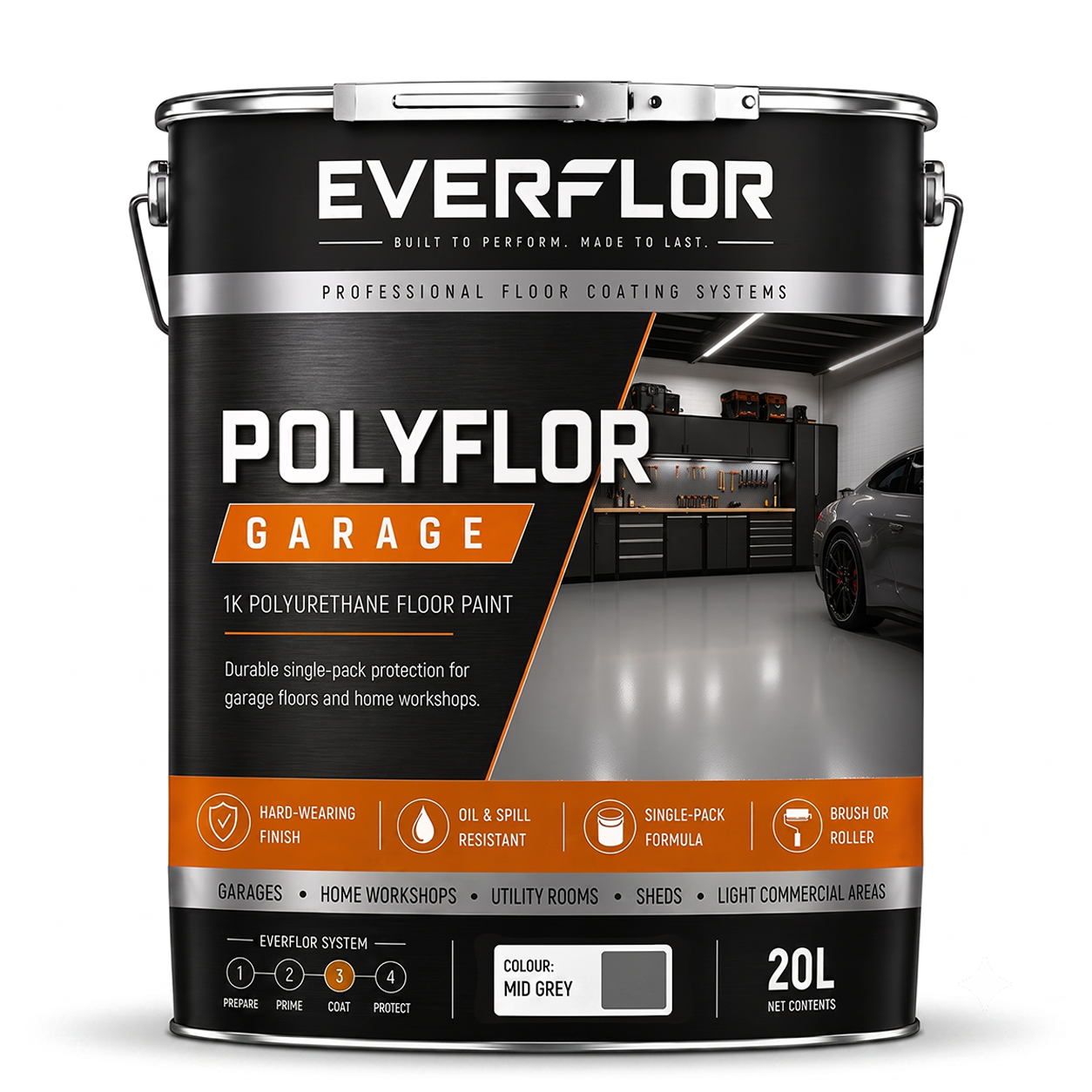
EverFlor - PolyFlor Garage Floor Paint - Anti - Slip - Everest Paints
Fornitore:EverFlor
  • Nero
  • Grigio scuro
  • Grigio
  • Grigio chiaro
  • Bianco
Close-up of a patterned stone pavement with a blurred background

High Traffic Driveway?

Upgrade to a Polyurethane Sealer System

Acrylic sealers provide surface protection but have limited abrasion resistance under frequent vehicle loading. Upgrade to Ultimate Block Paving Sealer for a tougher polyurethane film with improved wear resistance on trafficked block paving.

View Polyurethane Sealer
TRADE RATED
EverFlor - PolyFlor Garage Floor Paint - Anti - Slip - Everest Paints
Fornitore:EverFlor
  • Nero
  • Grigio scuro
  • Grigio
  • Grigio chiaro
  • Bianco
4.9
Everest - Ultimate Garage Door Paint - Everest Paints
Fornitore:Everest Paints
  • Brunswick Verde
  • Verde Brunswick scuro
  • Verde ginepro
  • Nero
  • Bianco
5.0
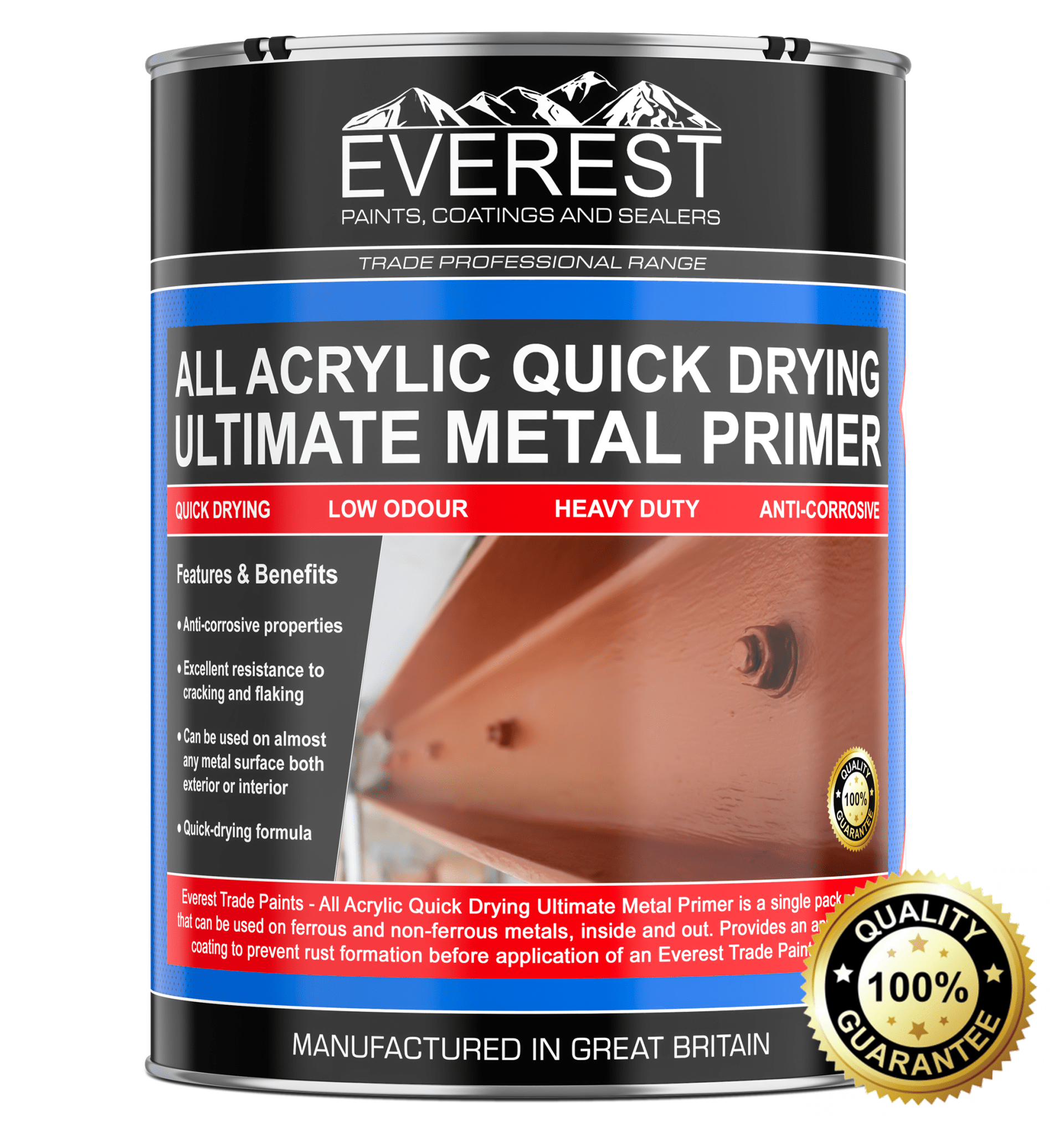
Everest - Advanced Acrylic Metal Primer - Everest Paints
Fornitore:Everest Paints
  • Grigio medio
  • Ossido Rosso
4.9
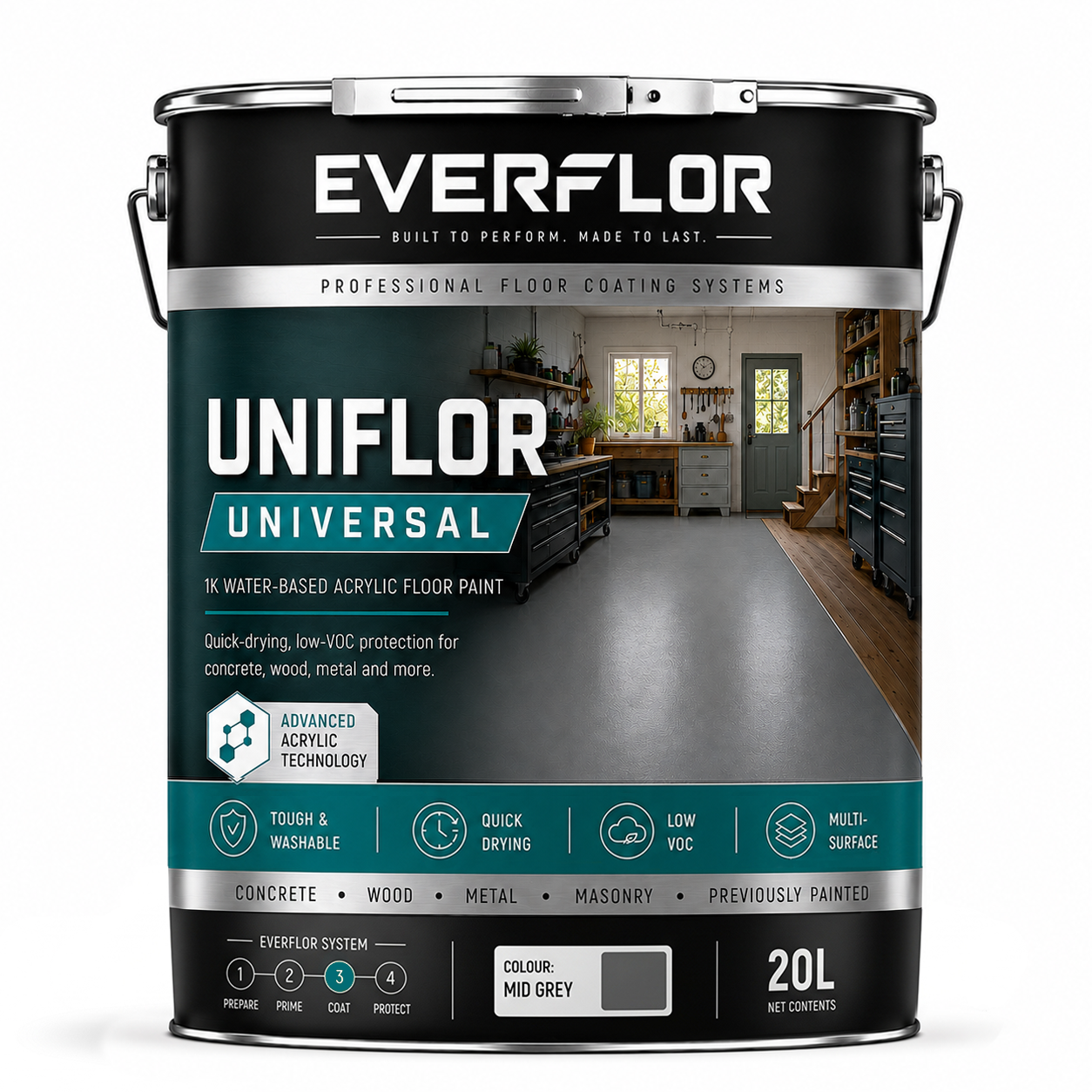
EverFlor - UniFlor - Floor Paint - Everest Paints
Fornitore:EverFlor
  • Nero
  • Grigio scuro
  • Grigio
  • Grigio chiaro
  • Giallo
EverFlor - UniSeal - Concrete Sealer - Wetlook - Everest Paints
Fornitore:EverFlor
  • Nero
  • Grigio scuro
  • Grigio
  • Grigio chiaro
  • Giallo
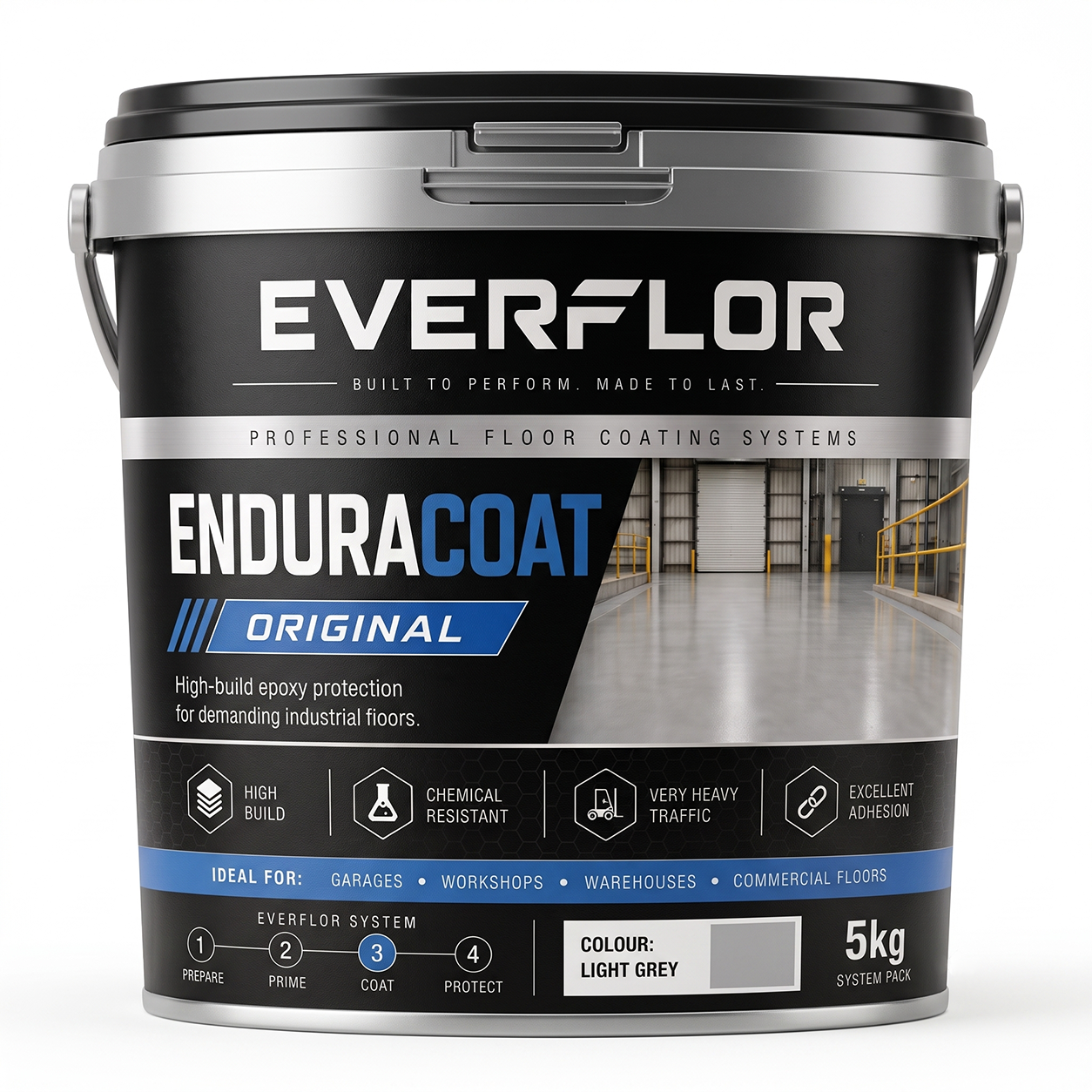
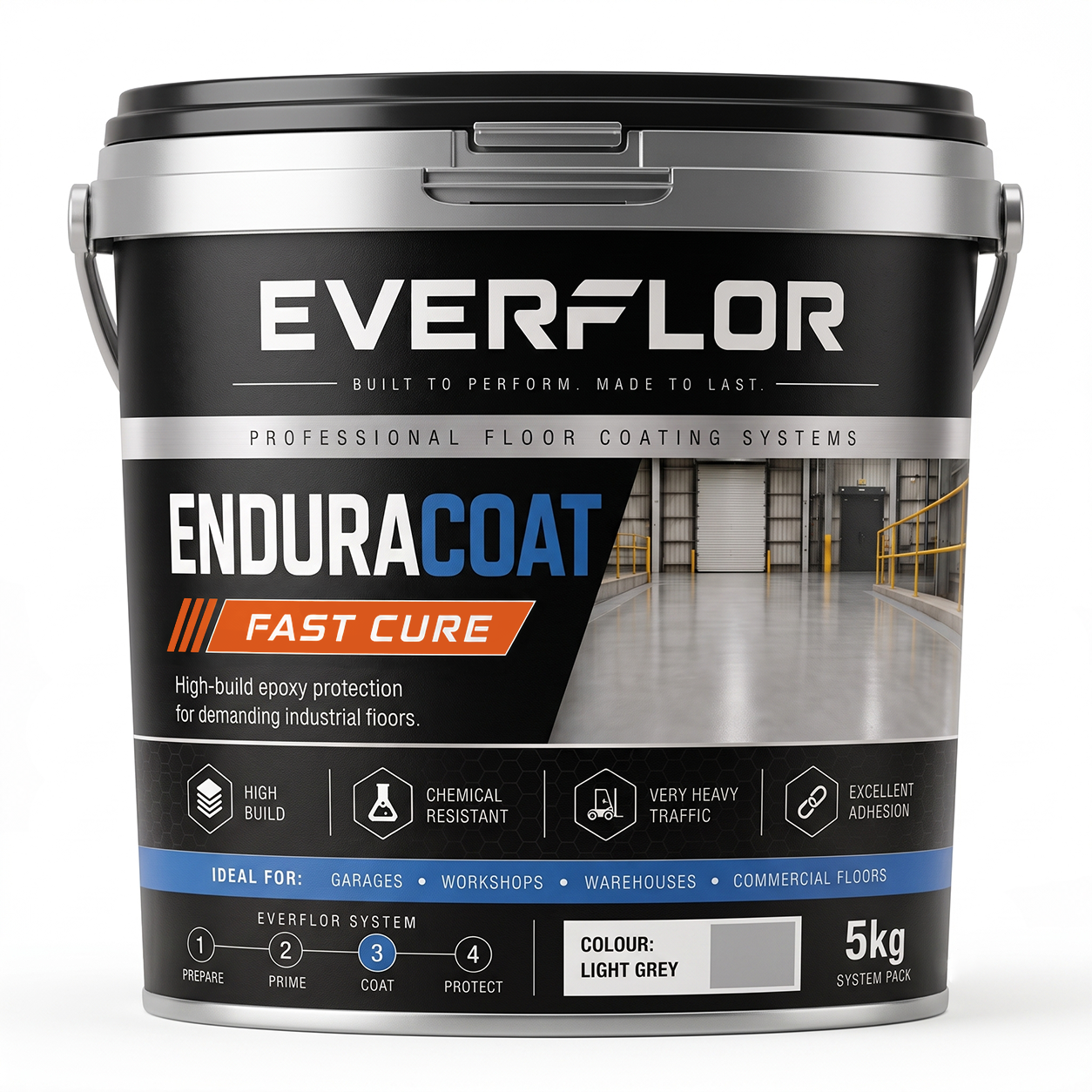
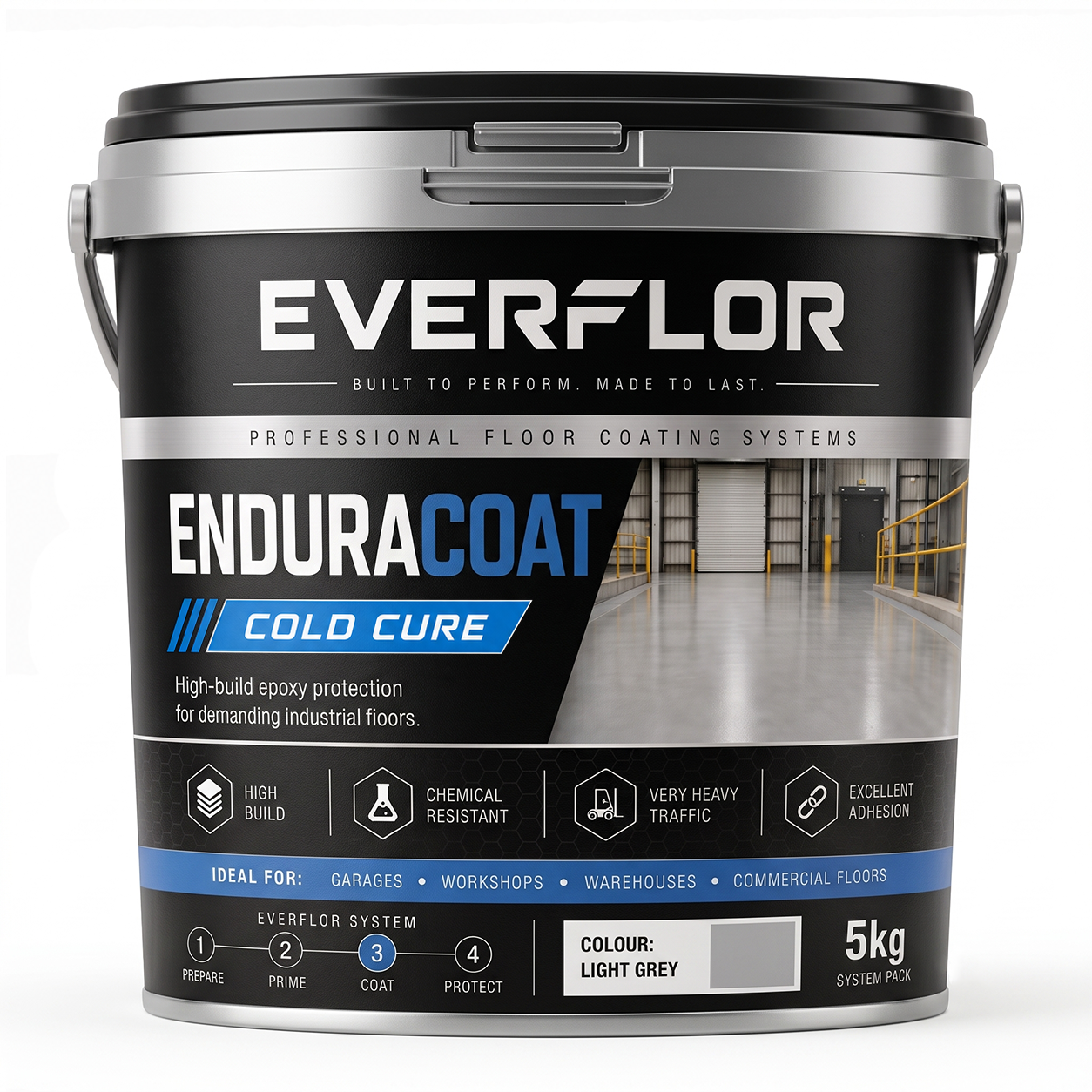
EverFlor - EnduraCoat HB - Everest Paints
Fornitore:EverFlor
  • Nero
  • Grigio scuro (RAL 7012)
  • Grigio (RAL 7004)
  • Grigio chiaro (RAL 7047)
  • Bianco
Two-Pack Epoxy

Industrial grade coating

100% Solids

Solvent free, no shrinkage

High Build Formula

Up to 5x thicker

Extreme Durability

Withstands heavy forklift traffic

Chemical Resistant

Resists oil, acids, alkalis

Gloss Finish

Easy-clean surface

EverFlor - UniSeal - Concrete Sealer - Wetlook - Everest Paints
Fornitore:EverFlor
  • Nero
  • Grigio scuro (RAL 7012)
  • Grigio (RAL 7004)
  • Grigio chiaro (RAL 7047)
  • Bianco
Two-Pack Epoxy

Industrial grade coating

100% Solids

Solvent free, no shrinkage

High Build Formula

Up to 5x thicker

Extreme Durability

Withstands heavy forklift traffic

Chemical Resistant

Resists oil, acids, alkalis

Gloss Finish

Easy-clean surface

Esaurito
EverFlor - UniSeal - Concrete Sealer - Wetlook - Everest Paints
Fornitore:EverFlor
Esaurito
EverFlor - UniSeal - Concrete Sealer - Wetlook - Everest Paints
Esaurito
EverFlor - UniSeal - Concrete Sealer - Wetlook - Everest Paints
Fornitore:EverFlor
Esaurito
EverFlor - UniSeal - Concrete Sealer - Wetlook - Everest Paints
Fornitore:EverFlor

Maintenance Paint Systems for Garages and Outbuilding Structures

Duty classification:
Light to Medium Duty
Suitable substrates:
Concrete Wood Cladding Metal Previously painted surfaces

System Overview

For concrete, wood, cladding, metal, and previously painted surfaces found on garages and outbuildings, protective coating systems provide weather resistance, surface sealing, and decorative refurbishment for secondary structures. These buildings typically incorporate multiple substrates within a single structure, requiring coating systems capable of adhering to a range of materials while providing consistent protection.

Garages, sheds, workshops, and utility buildings are frequently exposed to fluctuating environmental conditions, intermittent maintenance cycles, and general wear from storage or light work activities. Paint systems used in these environments must offer dependable adhesion to mixed surfaces while providing basic durability and weather resistance.

EVEREST coatings suitable for garages and outbuildings generally utilise acrylic or oil-based technologies designed for general maintenance and refurbishment work. These systems provide a practical balance between ease of application, substrate compatibility, and protective performance for light to medium duty environments. They are commonly specified when refreshing older structures or protecting newly installed surfaces where specialist industrial coatings are not required.

Because these buildings often combine masonry, timber, and metal elements, correct substrate preparation and compatible primers remain essential for reliable coating performance.

Suitable Substrates & Surface Preparation

Garages and outbuildings commonly incorporate several different construction materials, each of which presents distinct preparation requirements.

Concrete and masonry surfaces such as blockwork or rendered walls may require cleaning and light abrasion to remove dust, surface contamination, or weathered material. Highly porous or chalking substrates may benefit from the use of stabilising primers before applying finishing coats.

Timber elements including doors, frames, and external cladding should be clean, dry, and free from loose coatings prior to painting. Weathered wood may require sanding or preparation to remove degraded fibres and ensure the coating bonds effectively.

Metal components such as steel doors, frames, and structural elements require particular attention where corrosion or previous coatings are present. Loose rust or failing paint should be removed and suitable metal primers applied where necessary to ensure adequate adhesion and corrosion protection.

Previously painted surfaces across any of these substrates should be inspected for adhesion before recoating. Sound coatings can usually be overcoated following cleaning and light abrasion, while failing coatings should be removed to expose a stable substrate.

Performance Characteristics & Limitations

Paint systems designed for garages and outbuildings primarily provide surface protection and visual improvement rather than heavy-duty industrial performance. Their main functions include protecting building materials from weather exposure, reducing moisture ingress, and extending maintenance intervals.

Acrylic coatings offer good exterior durability and flexibility, making them suitable for timber cladding, masonry surfaces, and mixed exterior structures exposed to weather. Their breathability can also assist in managing minor moisture movement within porous substrates.

Oil-based coatings can provide robust film formation and strong adhesion on certain surfaces, particularly metal components and previously painted substrates where slower curing systems are acceptable.

While these coatings improve the longevity of building materials and provide a clean, uniform appearance, they are not intended for severe service environments. Structures exposed to aggressive industrial atmospheres, heavy mechanical wear, or chemical exposure may require specialist protective coatings.

Similarly, these coatings are not designed to function as heavy-duty floor finishes in garages or workshops where vehicle traffic or equipment movement occurs.

Internal vs External Considerations

Outbuildings and garages often contain both interior and exterior surfaces requiring protection. External elements such as cladding, doors, and structural panels must resist weather exposure including rainfall, temperature changes, and UV exposure.

Acrylic coatings are frequently preferred for these applications due to their flexibility and resistance to exterior weathering. They provide a durable maintenance coating for structures that may only be repainted periodically.

Internal surfaces within garages and workshops are typically exposed to lower levels of weathering but may experience physical wear, occasional moisture, and contamination from stored equipment or tools. In these environments, coatings primarily serve a protective and decorative role.

Where structures are partly enclosed or exposed to intermittent moisture, appropriate preparation and compatible primers remain important to prevent premature coating failure.

Selection Guidance & When to Specify Alternatives

Paint systems for garages and outbuildings are generally specified for maintenance and refurbishment of mixed-substrate secondary buildings. They are well suited to domestic garages, garden structures, storage buildings, and light agricultural outbuildings where moderate protection and visual improvement are required.

These coatings perform best when used on surfaces that are structurally sound and correctly prepared. Their versatility allows them to be used across a range of building elements, simplifying maintenance for structures that combine timber, metal, masonry, and previously coated surfaces.

However, where specific surfaces require higher performance coatings, specialist systems may be more appropriate. Masonry walls exposed to severe weather may benefit from dedicated exterior masonry coatings, while steel components exposed to corrosion risk may require anti-corrosion metal primers and protective topcoats.

Floors within garages or workshops that experience vehicle traffic should be coated using purpose-designed floor coating systems rather than general building paints.

Assessing the individual substrates within the structure and selecting the appropriate coating system for each surface will ensure the most reliable long-term protection.
Explore Primers, Sealers & Stabilisers

Garages & Outbuildings FAQs

View All FAQ's

Technical Guidance & Application Advice

Garages and outbuildings often contain a combination of substrates including masonry, timber, metal, and previously painted surfaces. Correct preparation and product selection are important to ensure coatings adhere reliably across these varied materials. Acrylic and oil-based coatings are typically used for general refurbishment and maintenance, but performance will depend on substrate condition, exposure to weather, and the level of use within the structure.

What surfaces can typically be painted in garages and outbuilding structures?

Garages and outbuildings frequently contain multiple surface types including concrete block, masonry walls, timber framing, metal cladding, and previously painted surfaces. Each substrate may require slightly different preparation methods before coating. Surfaces should be clean, dry, and free from loose material, grease, or deteriorated coatings. Where necessary, appropriate primers should be used to stabilise porous substrates or improve adhesion to metal and timber. Selecting coatings suitable for the specific substrate helps ensure consistent durability across the building.

How should previously painted garage or shed surfaces be prepared before repainting?

Previously painted surfaces should first be inspected to confirm that the existing coating is stable and well bonded. Loose, flaking, or blistered paint should be removed by scraping, sanding, or mechanical preparation. Surfaces should then be cleaned to remove dust, dirt, and contamination that could interfere with adhesion. Light abrasion may help create a suitable key for the new coating. Where the existing coating type is unknown, testing a small area may help confirm compatibility before full application.
Are acrylic or oil-based coatings better for garages and outbuildings?

Both acrylic and oil-based coatings are used for maintenance and refurbishment of garages and outbuildings, but they offer different characteristics. Acrylic coatings typically dry faster and provide good flexibility and weather resistance, making them suitable for many exterior surfaces. Oil-based coatings can offer improved flow and durability on some substrates such as timber or metal. The choice between systems should consider the substrate type, exposure conditions, and whether the coating is applied internally or externally.

Can the same paint be used on walls, timber, and metal within an outbuilding?

Some general-purpose coatings can be used across multiple substrates, but performance may vary depending on the material being coated. Masonry, timber, and galvanised metal surfaces each present different adhesion and porosity characteristics. In many situations, applying the correct primer to each substrate before the finishing coats improves adhesion and coating longevity. Using substrate-appropriate preparation and priming systems helps reduce the risk of premature coating failure.

Do garages and outbuildings require weather-resistant coatings?

External surfaces on garages and outbuildings are exposed to rain, temperature fluctuations, and UV exposure, which can gradually degrade unprotected materials. Coatings used externally should therefore provide suitable weather resistance and flexibility to accommodate minor movement in substrates such as timber or metal cladding. Proper surface preparation and adequate film thickness are important to maintain protective performance over time, particularly on exposed elevations.

Can these coatings be used on garage floors as well as walls?

General building coatings used on walls, cladding, or timber structures are not normally designed to withstand vehicle traffic or abrasion on floors. Garage floors typically require specialist floor coatings formulated for mechanical wear, tyre contact, and exposure to automotive fluids. Where floor protection is required, dedicated garage floor paints or epoxy floor systems are more appropriate than standard wall or building coatings.

Didn’t find your answer?

Don't hestitate to contact us

Expert Advice & Guides

A few of our most recent guides applicable to this product range.

View Technical Hub

Questa sezione non include attualmente alcun contenuto. Aggiungi contenuti a questa sezione utilizzando la barra laterale.