System Overview
For wood, metal, and concrete surfaces, high gloss coatings provide a smooth, non-porous finishing layer that combines decorative appearance with basic surface protection. High-sheen finishes are commonly specified where visual clarity, durability, and ease of cleaning are important across interior and exterior building elements.
Gloss coatings form a dense film that reflects light and highlights surface definition. On architectural features such as doors, trim, railings, and metalwork, this finish creates a visually defined surface while helping protect the substrate from moisture ingress and routine environmental exposure.
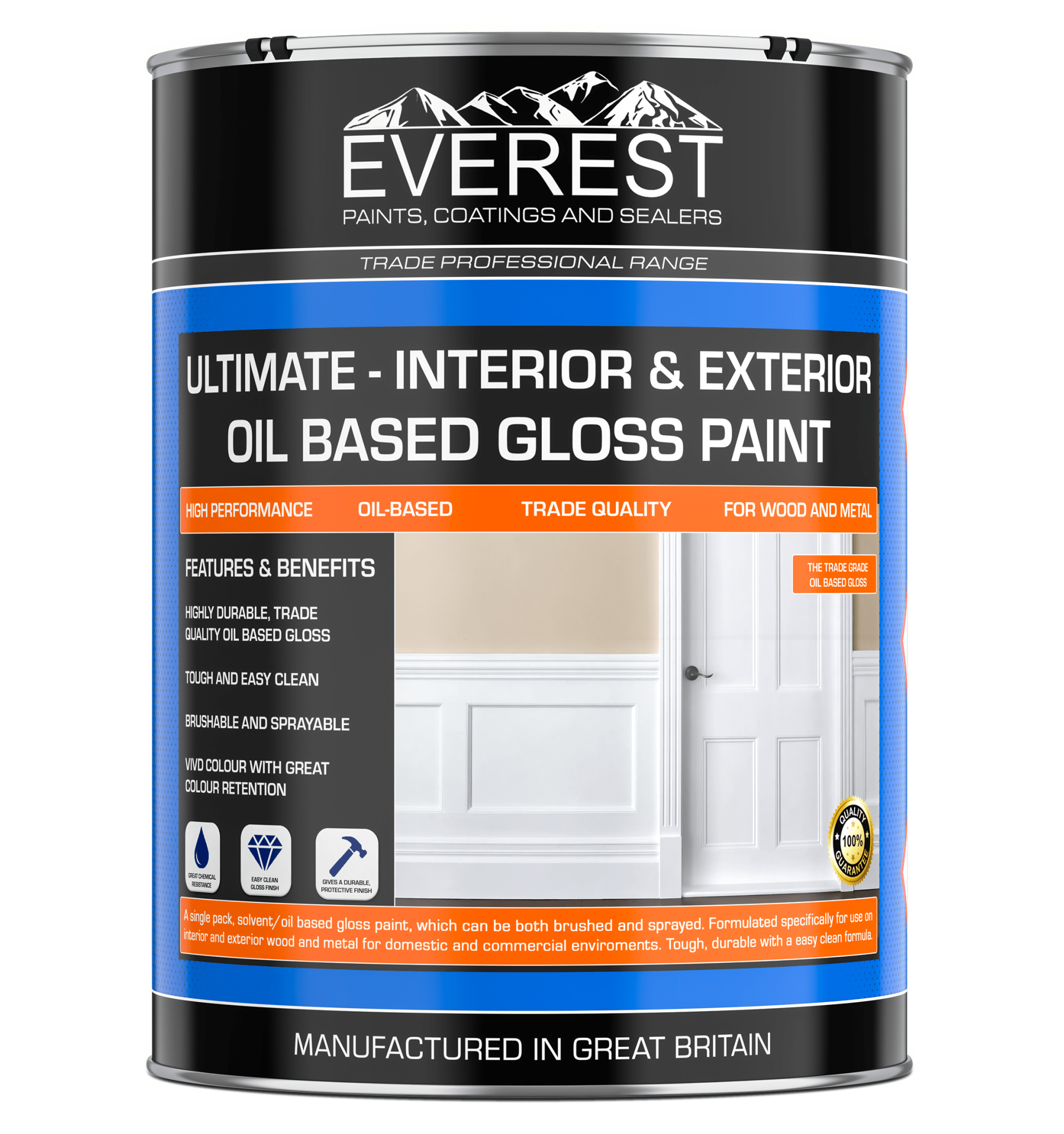
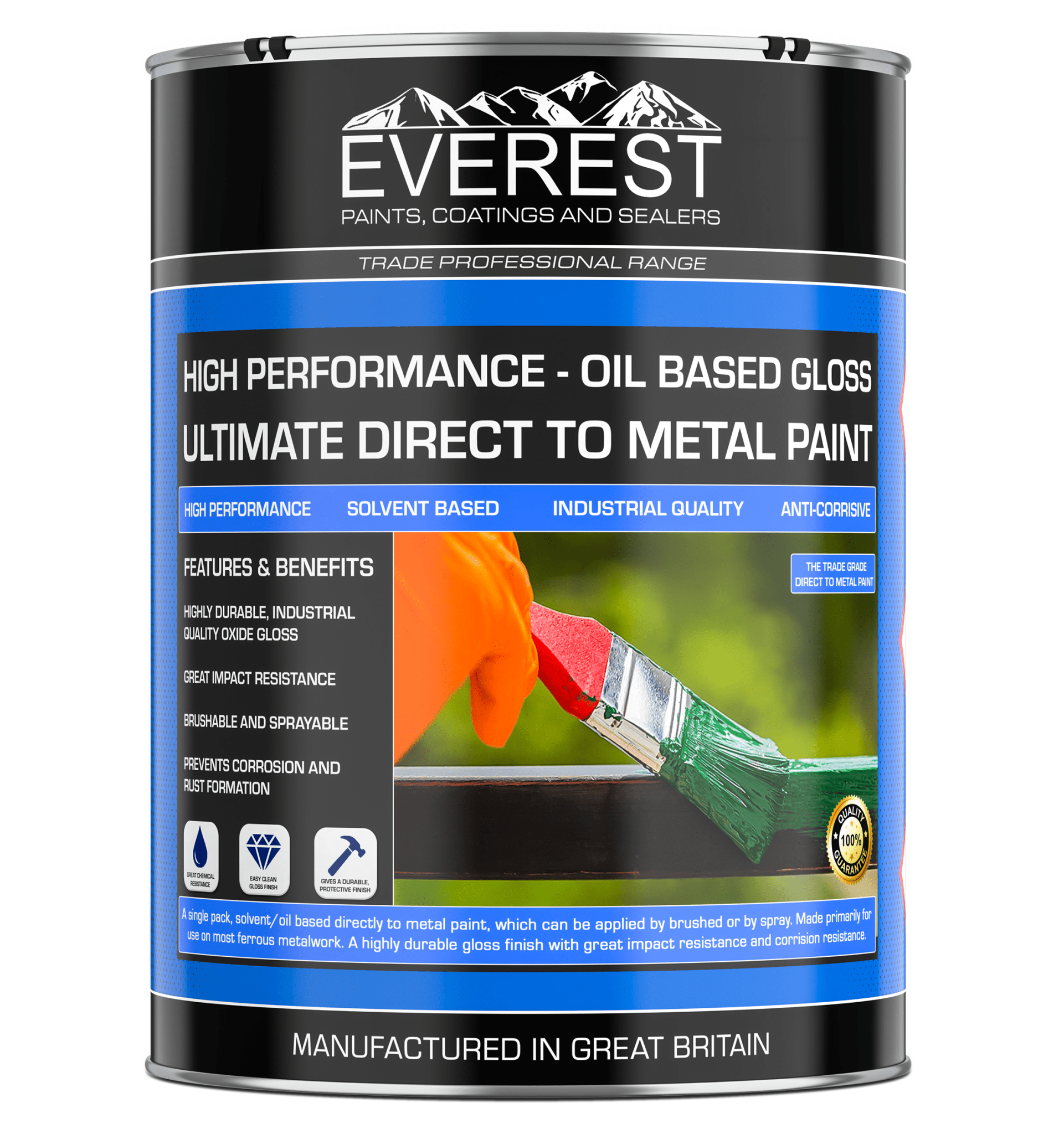
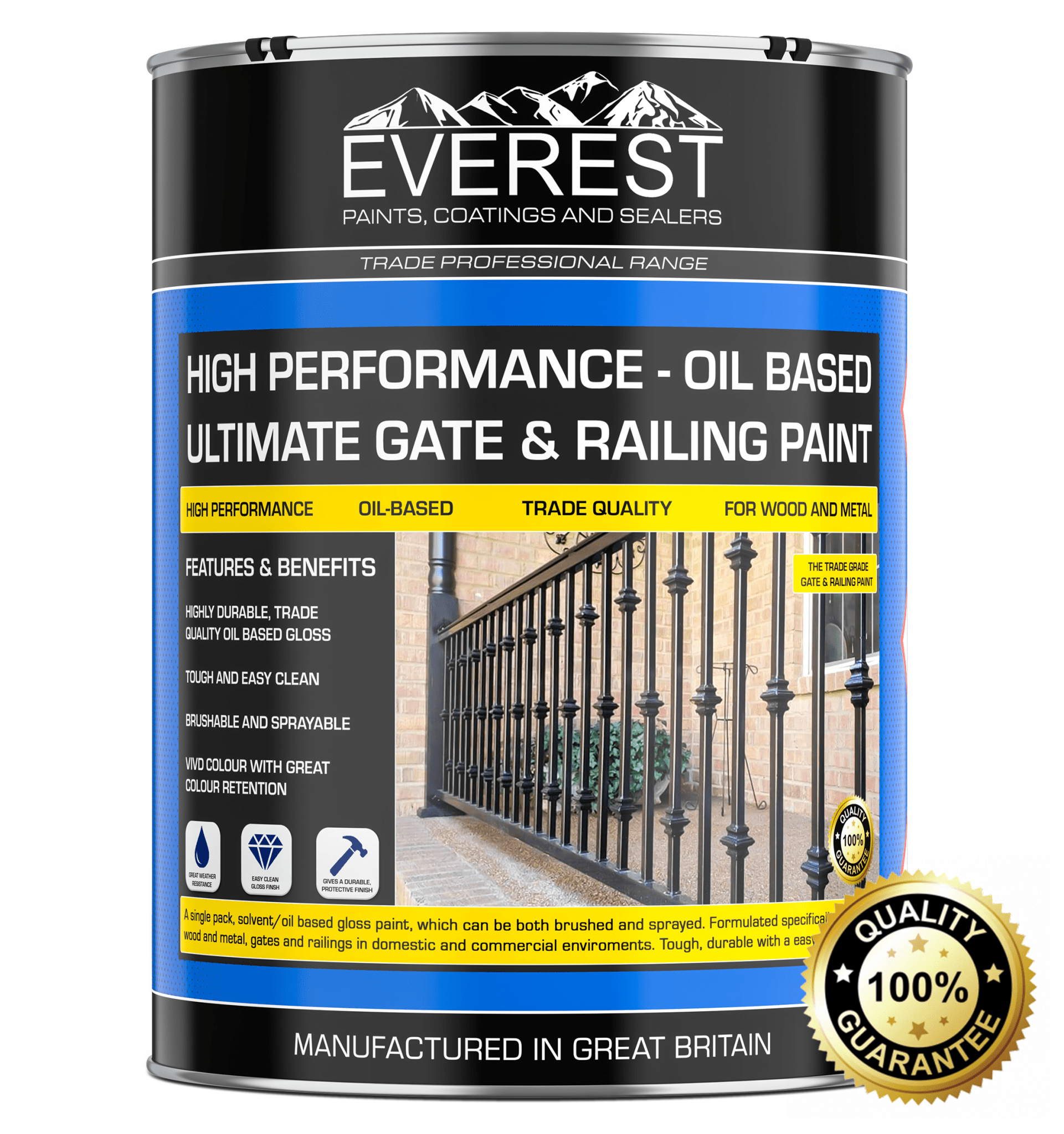
EVEREST gloss and high-sheen coatings are typically formulated using acrylic or oil-based technologies depending on the required application environment and finish characteristics. Oil-based gloss systems are traditionally used where durable, high-build finishes are required on joinery or metalwork, while acrylic gloss coatings provide faster drying behaviour and improved colour stability in exposed environments.
These coatings are generally specified for refurbishment and maintenance applications across residential, commercial, and light industrial buildings.
Suitable Substrates & Surface Preparation
High gloss coatings are compatible with a variety of building substrates including timber joinery, metal fixtures, and prepared mineral surfaces. Surface condition and preparation have a significant influence on the appearance and durability of the finished coating.
Wood substrates such as doors, frames, and architectural trim should be clean, dry, and free from loose fibres or degraded coatings. Sanding is often required to create a smooth base surface because high gloss finishes emphasise surface texture and imperfections.
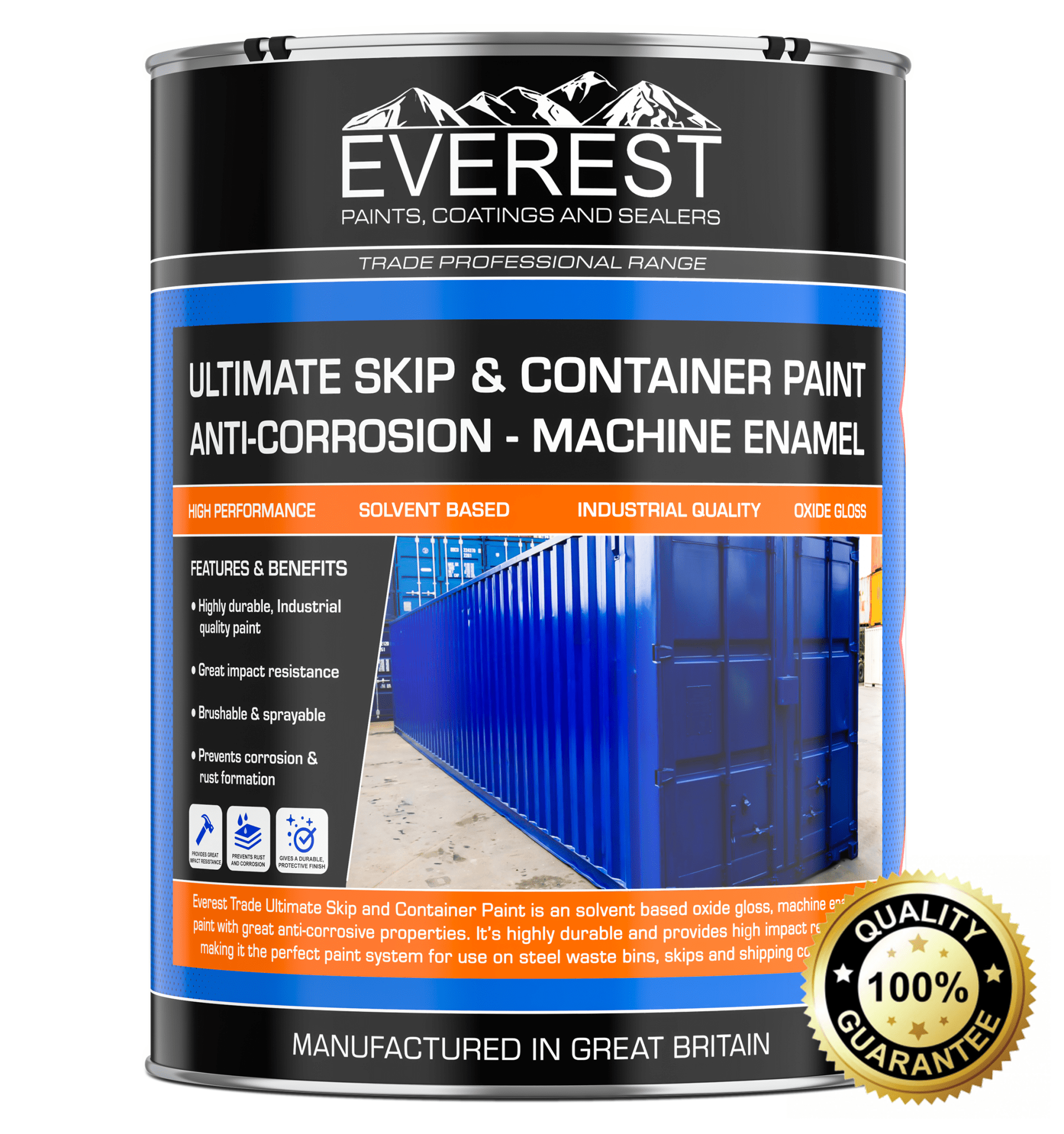
Metal surfaces including railings, gates, and architectural fixtures should be free from rust, grease, and loose coatings. Mechanical preparation such as sanding or wire brushing is typically used to remove corrosion and create a suitable key. Where bare metal is present, the use of compatible metal primers is often recommended to improve corrosion protection and adhesion.
Concrete and other mineral substrates require stable, dust-free surfaces prior to coating. Where the surface is porous or uneven, primers or preparatory coatings may be required to regulate absorption and ensure a uniform finish.
Previously painted surfaces can generally be recoated provided the existing coating remains sound and well adhered. Light abrasion is typically recommended to improve intercoat adhesion.
Performance Characteristics & Limitations
High gloss coatings create a durable and easily cleanable film that protects the underlying substrate from routine wear and environmental exposure. The smooth surface reduces dirt retention and allows easier maintenance through regular cleaning.
Oil-based gloss coatings are known for producing deep sheen and strong film formation, which can improve durability on timber joinery and metal architectural features. These coatings tend to flow well during application, helping produce a smooth finish on prepared surfaces.
Acrylic gloss systems provide a modern alternative with quicker drying times and improved colour retention under UV exposure. They are often used where faster project turnaround or exterior colour stability is important.
Despite their durability, gloss coatings in this category are generally intended for light to medium duty service conditions. They are not designed for heavy abrasion, continuous traffic exposure, or chemically aggressive environments.
High sheen finishes also highlight surface defects more readily than lower sheen coatings. Substrate preparation quality therefore has a direct impact on the visual appearance of the final coating.
Internal vs External Considerations
High gloss coatings can be used on both internal and external building elements. Interior applications commonly include doors, skirting boards, handrails, and metal fixtures where a durable, washable finish is required.
In exterior environments such as gates, railings, and exposed joinery, coatings must withstand weather exposure including rain, temperature variation, and sunlight. Acrylic technologies often provide improved colour stability and flexibility under outdoor conditions.
Oil-based gloss coatings are frequently used where a traditional high-build finish is desired, particularly on architectural metalwork or timber features that require a hard-wearing decorative surface.
Environmental exposure should always be considered when selecting the appropriate coating type for external applications.
Selection Guidance & When to Specify Alternatives
Gloss and high-sheen coatings are typically selected where a smooth, reflective finish is required alongside moderate protective performance. They are widely used in refurbishment and maintenance projects where visual impact and ease of cleaning are important.
These coatings perform well on architectural joinery, decorative metalwork, and prepared concrete surfaces that are not subject to heavy wear or aggressive environmental conditions.
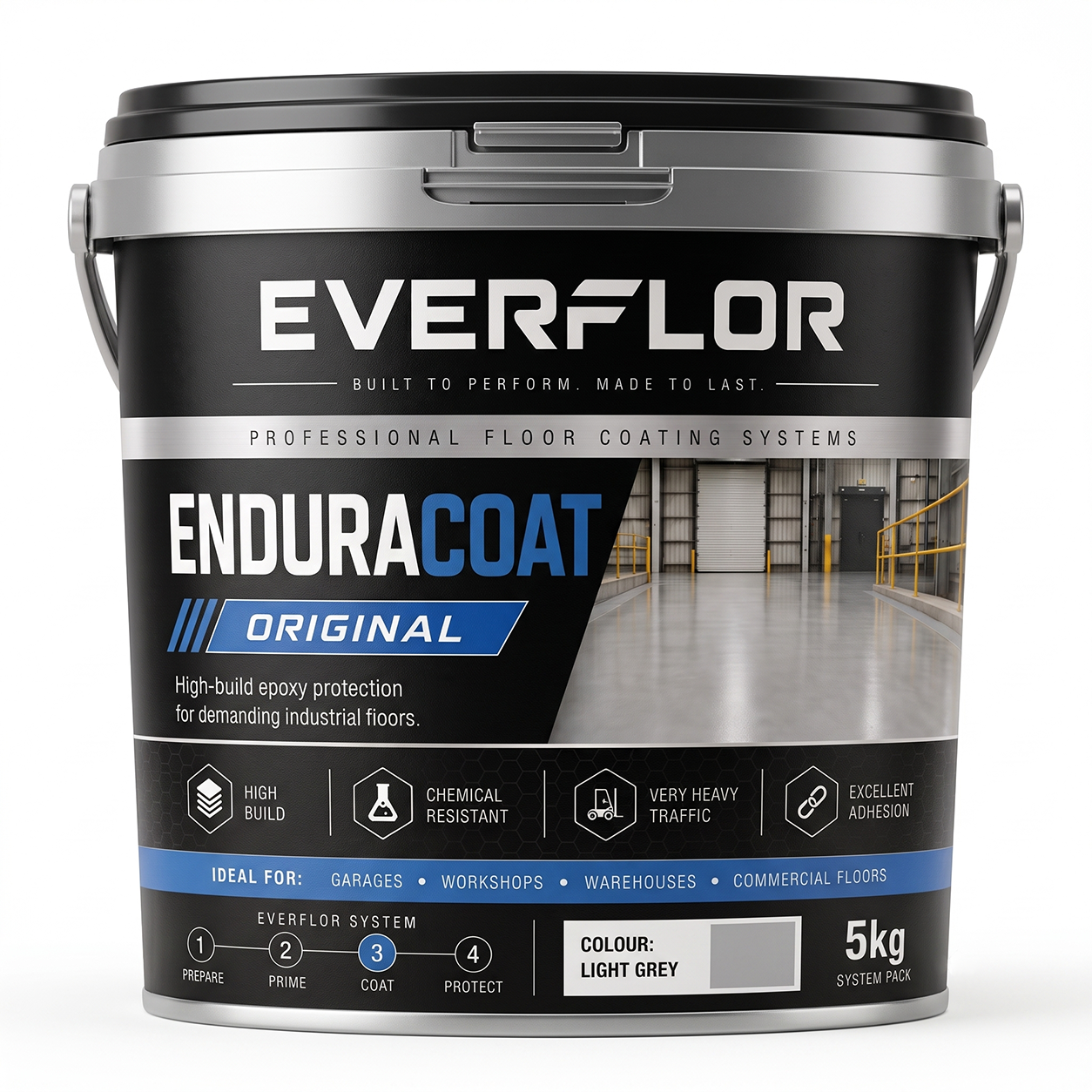
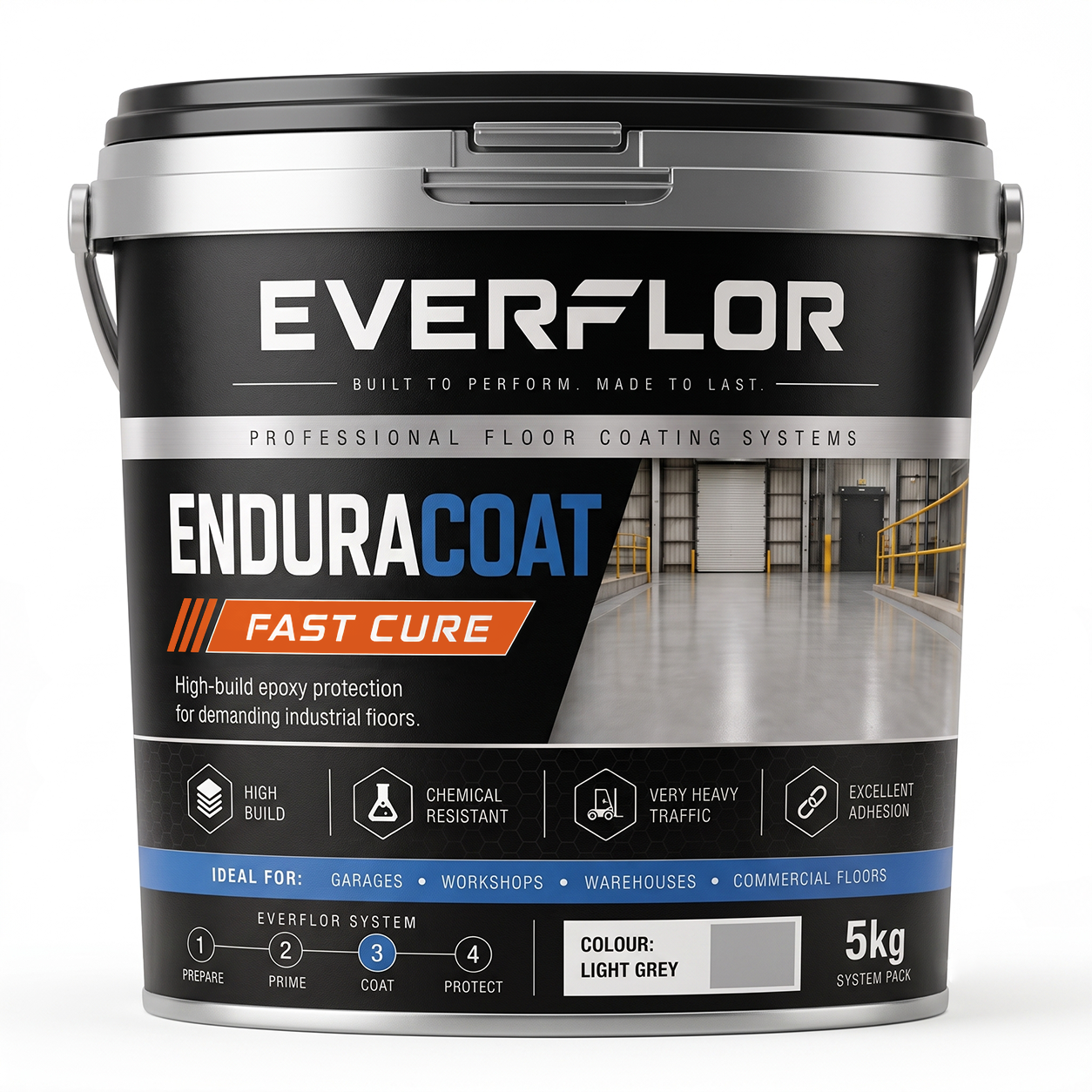
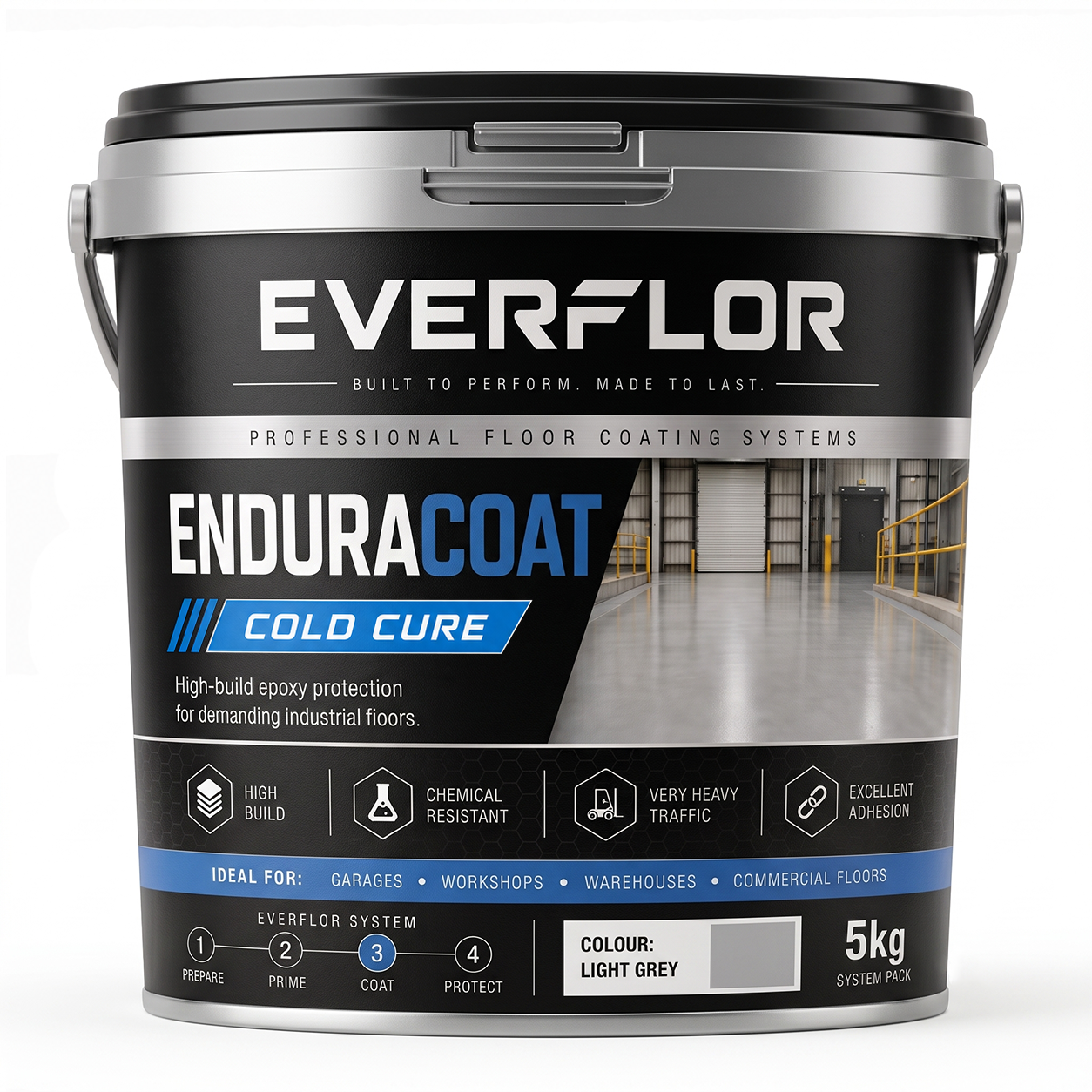
However, where surfaces require enhanced durability, alternative coating systems may be more appropriate. Floors exposed to regular traffic, for example, require specialist floor coating systems designed for abrasion resistance.
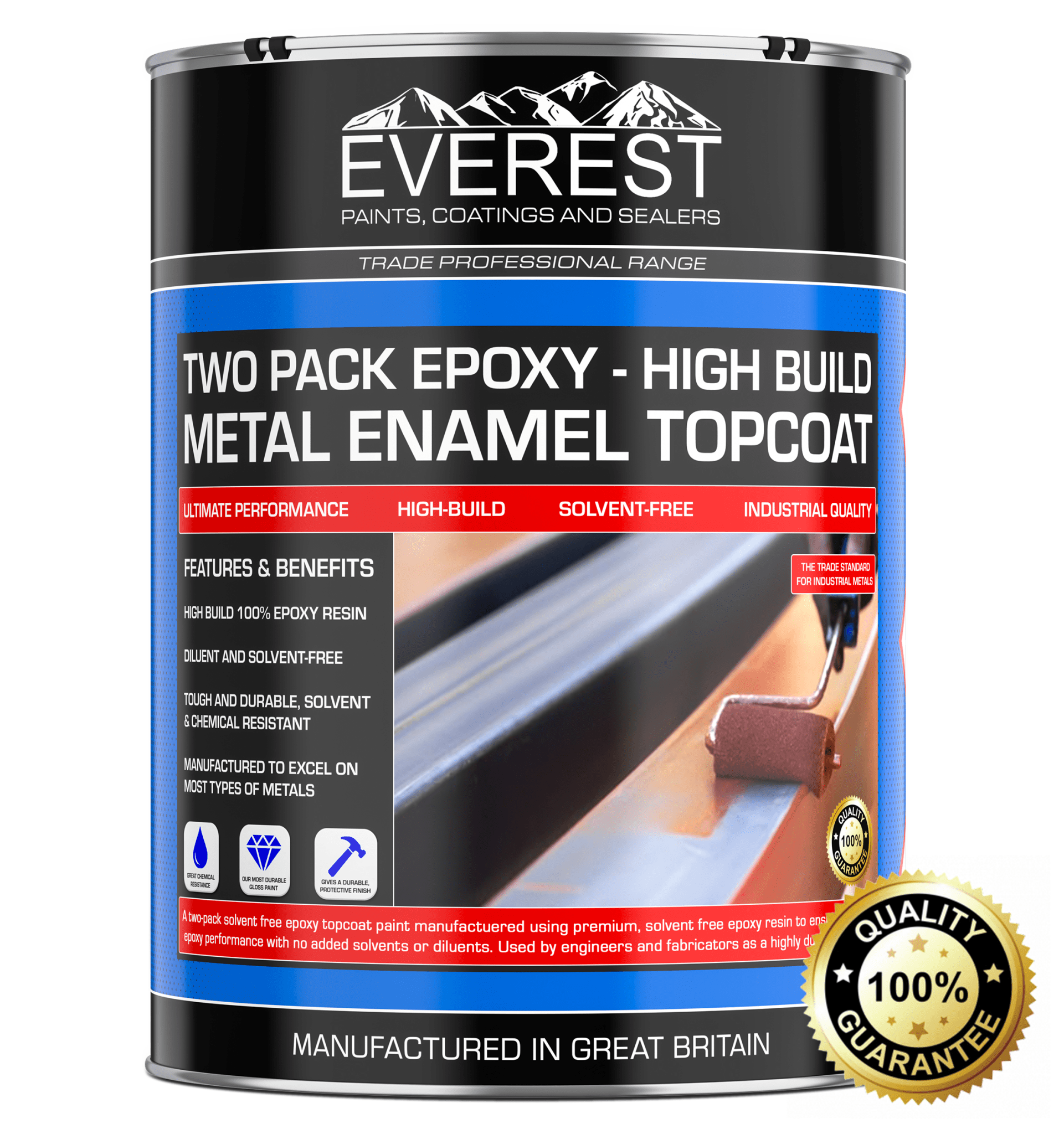
Similarly, metal surfaces exposed to severe corrosion environments may require dedicated anti-corrosion primers and higher performance protective coatings.
Careful consideration of substrate type, environmental exposure, and service conditions will help determine whether a high gloss decorative coating provides sufficient protection or whether a more specialised coating system should be specified.