
Forklift or Heavy Traffic?
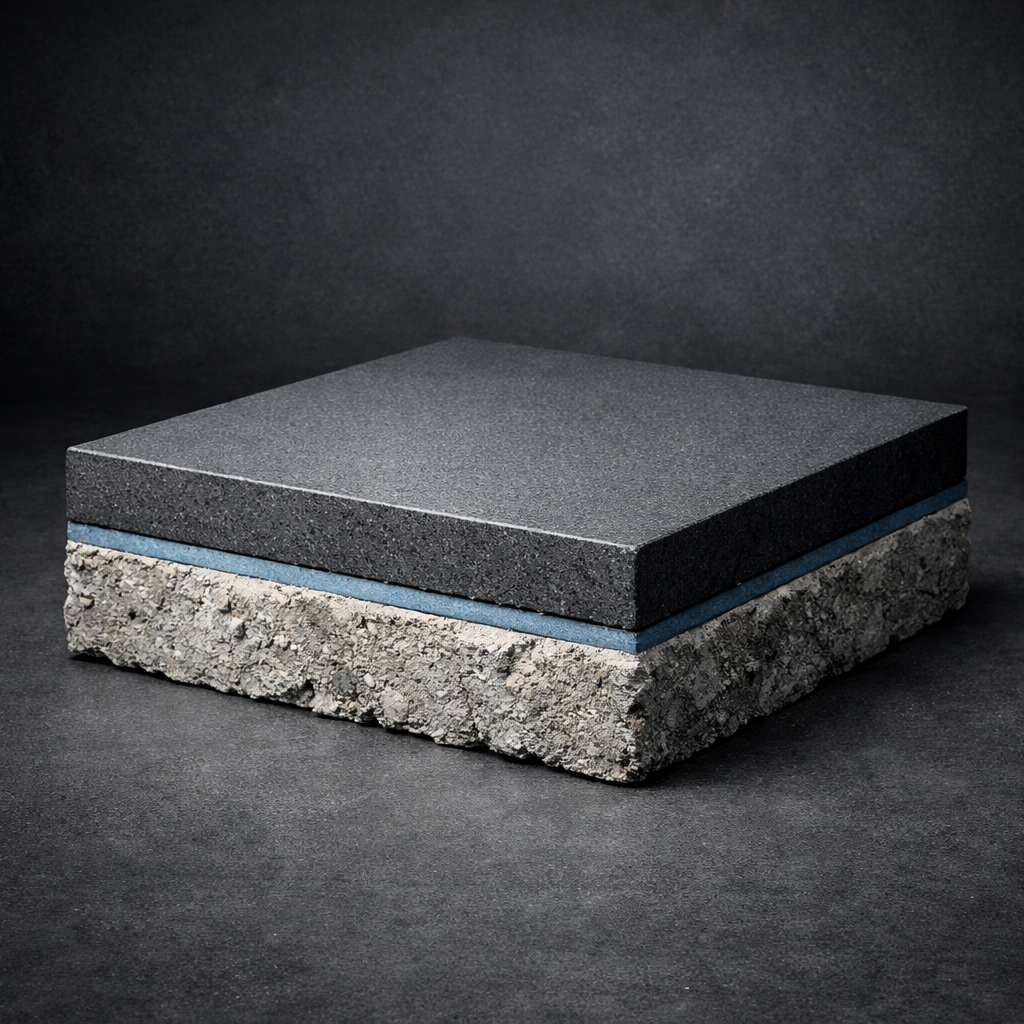
Step Up to a 2K Resin Floor System
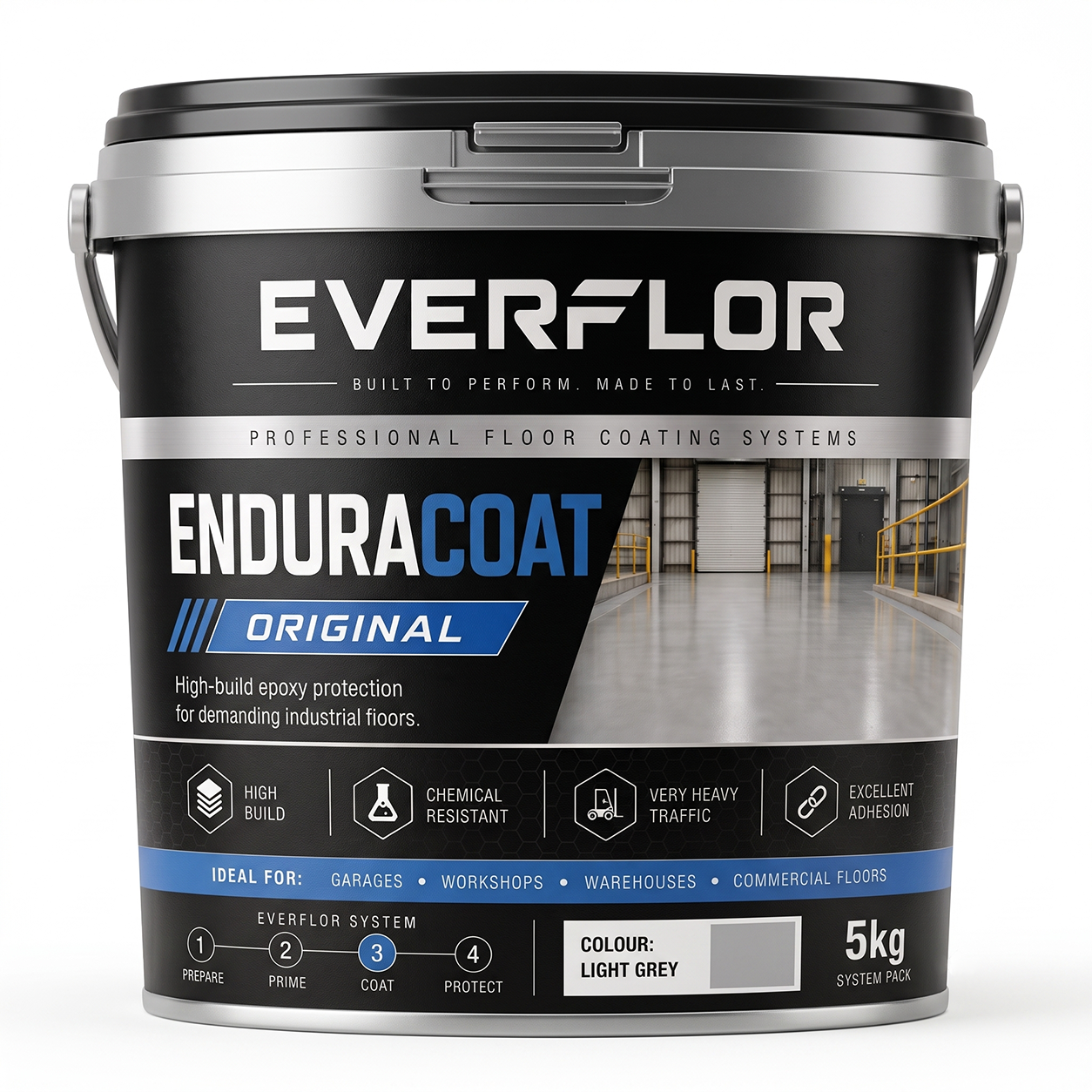
Everest Trade – HB Epoxy Factory Bodenfarbe – Industriequalität – Zweikomponenten-Epoxidbeschichtung
100% Solids Technology
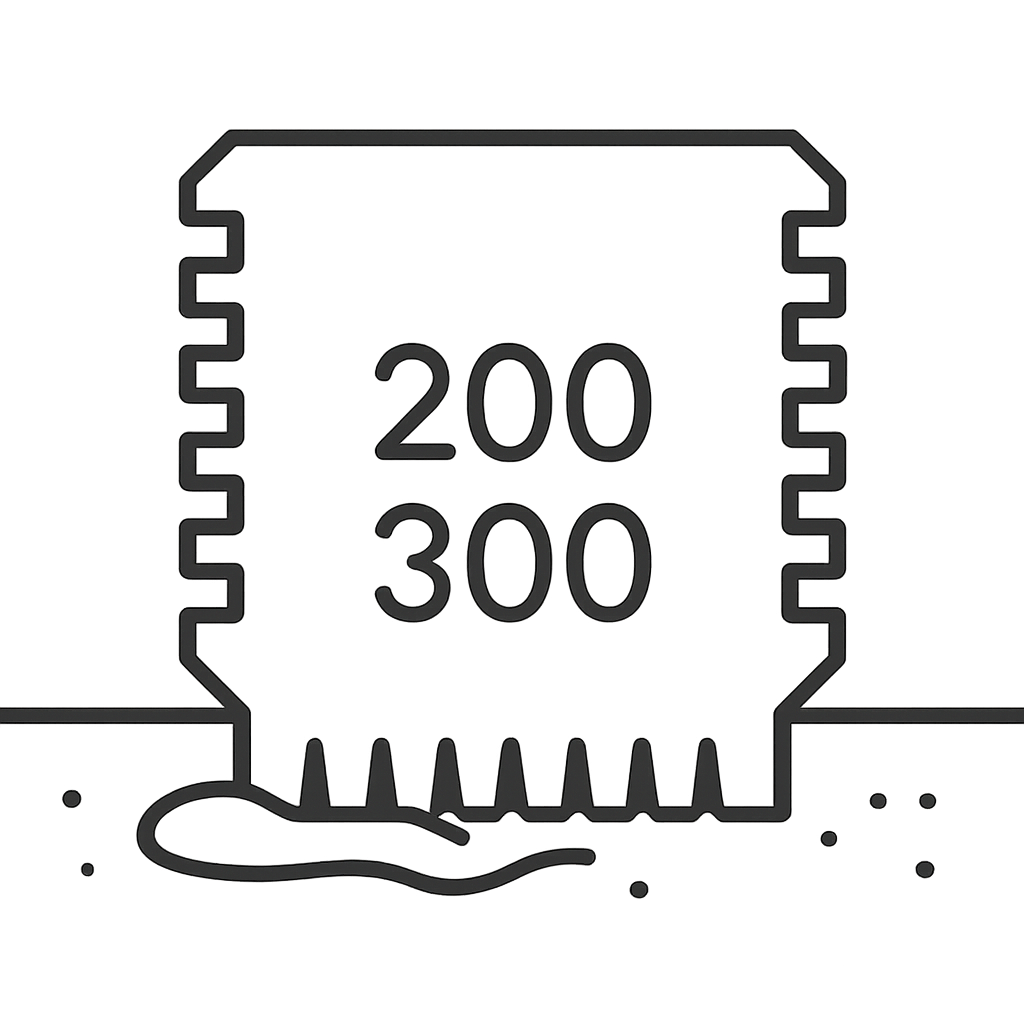
220 Microns Per Coat

Internal Floors Only

Easy Application
Everest Trade – HB Epoxy Factory Bodenfarbe – Industriequalität – Zweikomponenten-Epoxidbeschichtung

Industrial grade coating

Solvent free, no shrinkage

Up to 5x thicker

Withstands heavy forklift traffic

Resists oil, acids, alkalis

Easy-clean surface
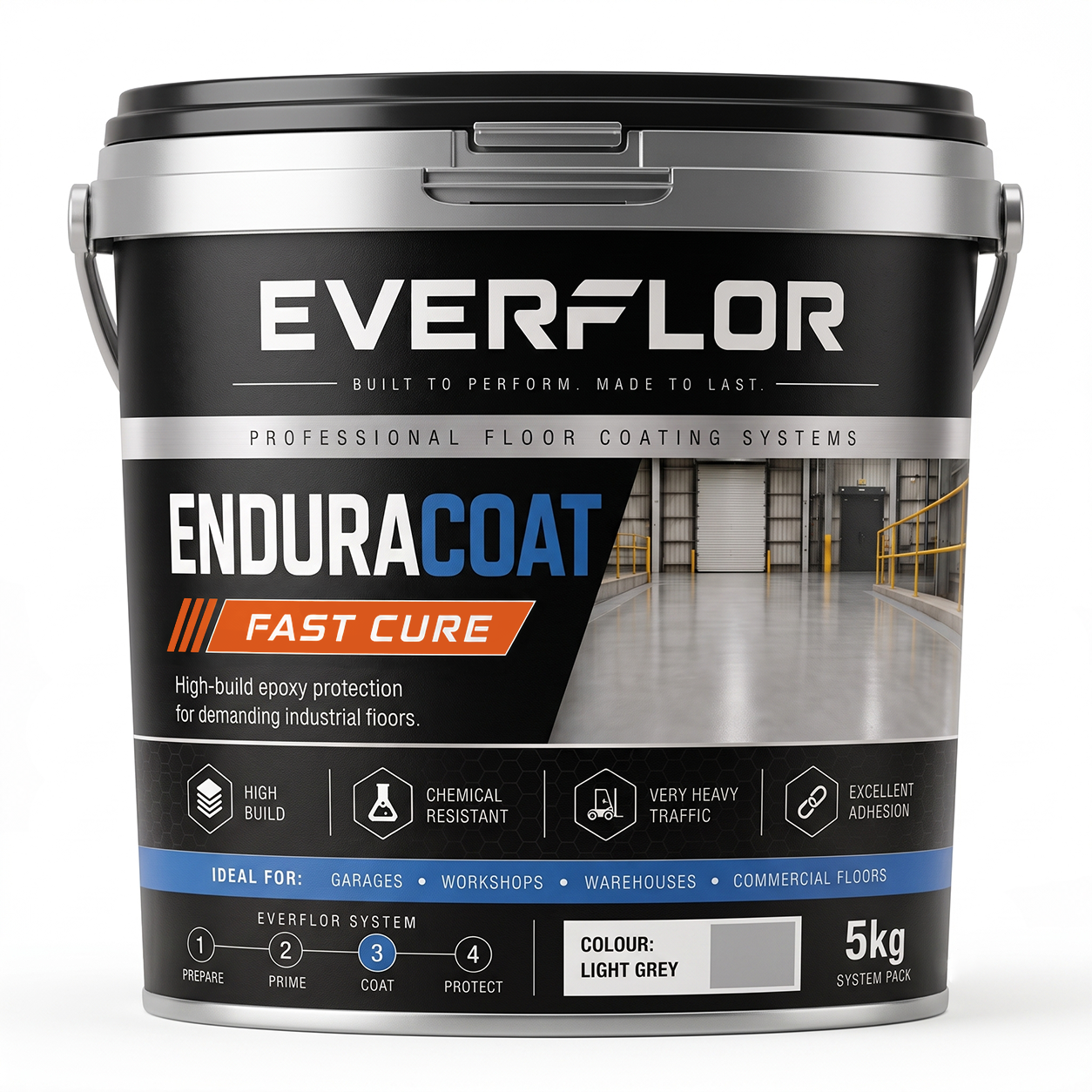
Everest Trade – HB Epoxy Factory Bodenfarbe – Industriequalität – Zweikomponenten-Epoxidbeschichtung
Industrial grade coating
Solvent free, no shrinkage
Up to 5x thicker
Withstands heavy forklift traffic
Resists oil, acids, alkalis
Easy-clean surface
Everest Trade – HB Epoxy Factory Bodenfarbe – Industriequalität – Zweikomponenten-Epoxidbeschichtung
Industrial grade coating
Solvent free, no shrinkage
Up to 5x thicker
Withstands heavy forklift traffic
Resists oil, acids, alkalis
Easy-clean surface
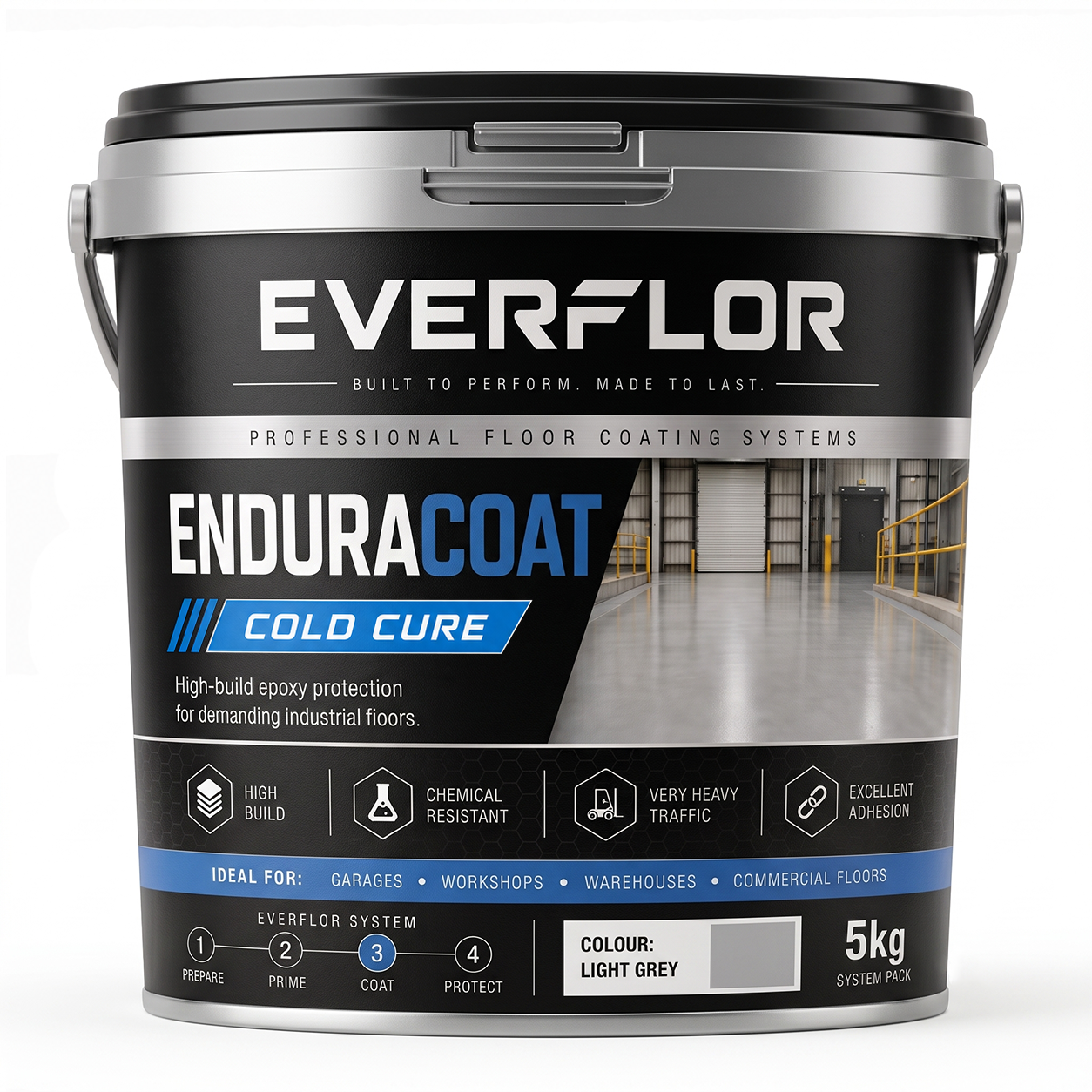
Everest Trade – HB Epoxy Factory Bodenfarbe – Industriequalität – Zweikomponenten-Epoxidbeschichtung
Industrial grade coating
Solvent free, no shrinkage
Up to 5x thicker
Withstands heavy forklift traffic
Resists oil, acids, alkalis
Easy-clean surface
Everest Trade – HB Epoxy Factory Bodenfarbe – Industriequalität – Zweikomponenten-Epoxidbeschichtung
Industrial grade coating
Solvent free, no shrinkage
Up to 5x thicker
Withstands heavy forklift traffic
Resists oil, acids, alkalis
Easy-clean surface
Everest Trade – HB Epoxy Factory Bodenfarbe – Industriequalität – Zweikomponenten-Epoxidbeschichtung
Industrial grade coating
Solvent free, no shrinkage
Up to 5x thicker
Withstands heavy forklift traffic
Resists oil, acids, alkalis
Easy-clean surface

Seals Concrete Dust
Resists oil, acids, alkalis

Wipe Down Surface
Internal Floors Only
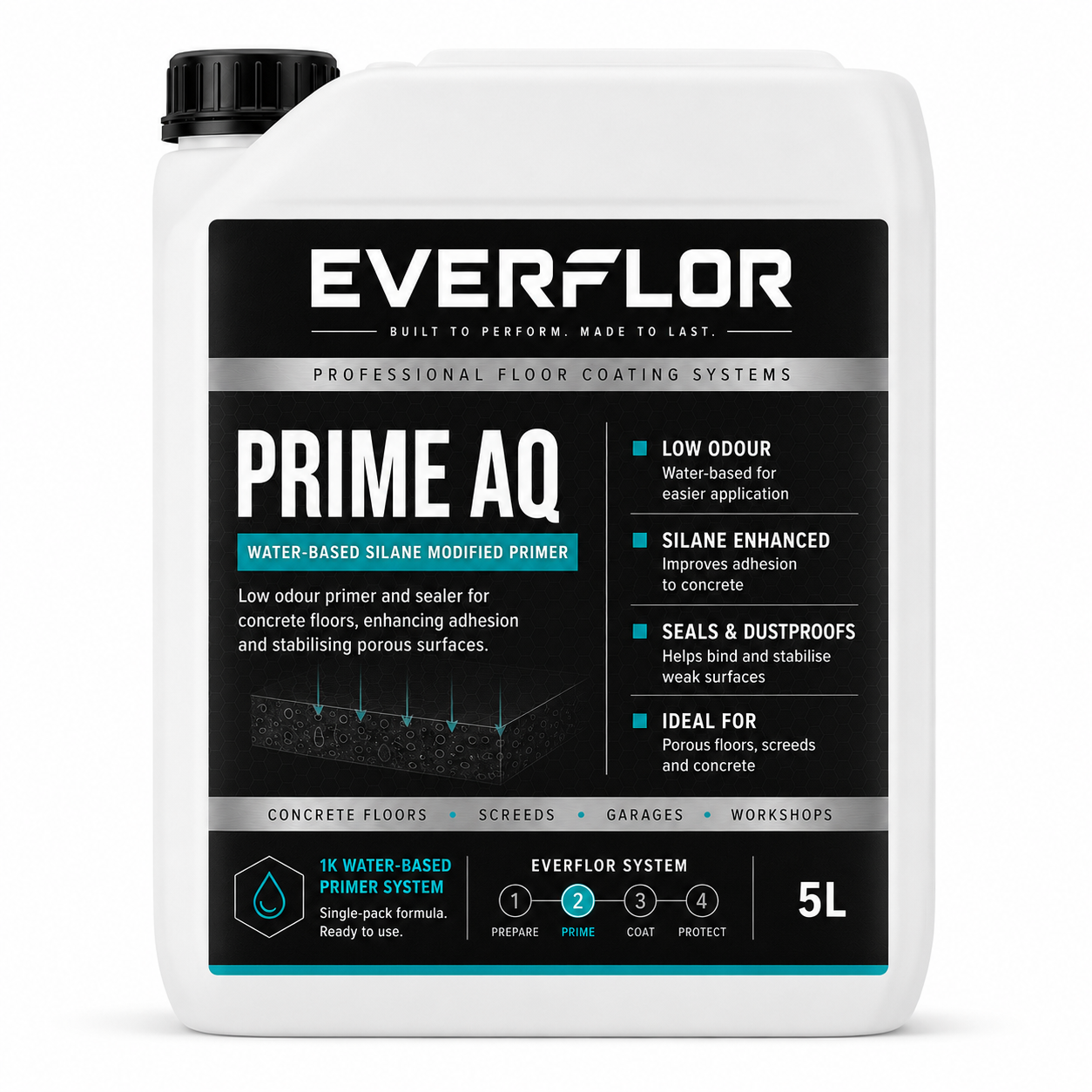
Everest Trade – Beton-Staubschutzmittel/Bodengrundierung und Versiegelung – lösungsmittelfrei

Indoor & Outdoor Use

Walk on in 4 Hours

Simple 1-Pack System
Easy Application

Seals Porous Floors Before Coating

Topcoat Within 48 Hours
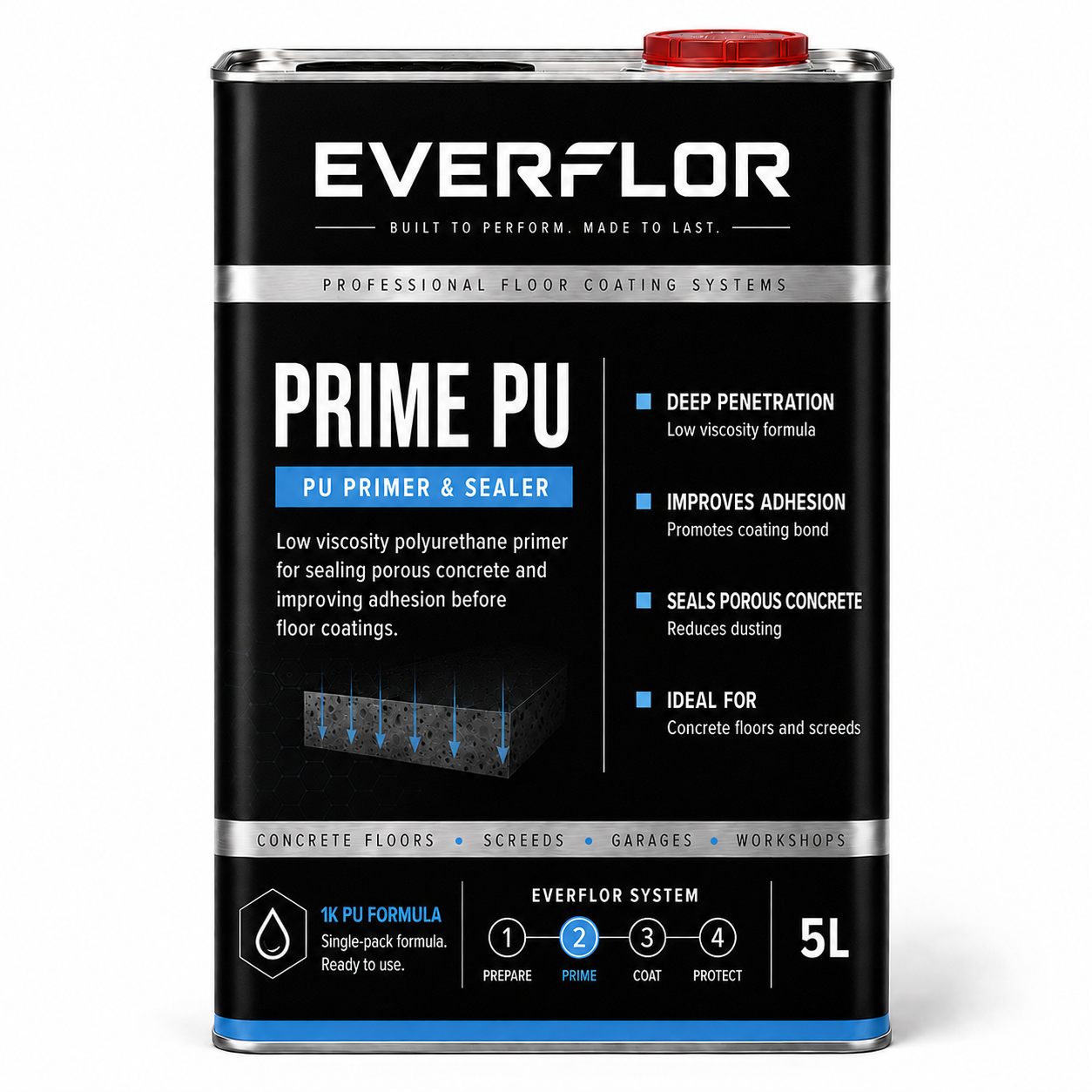
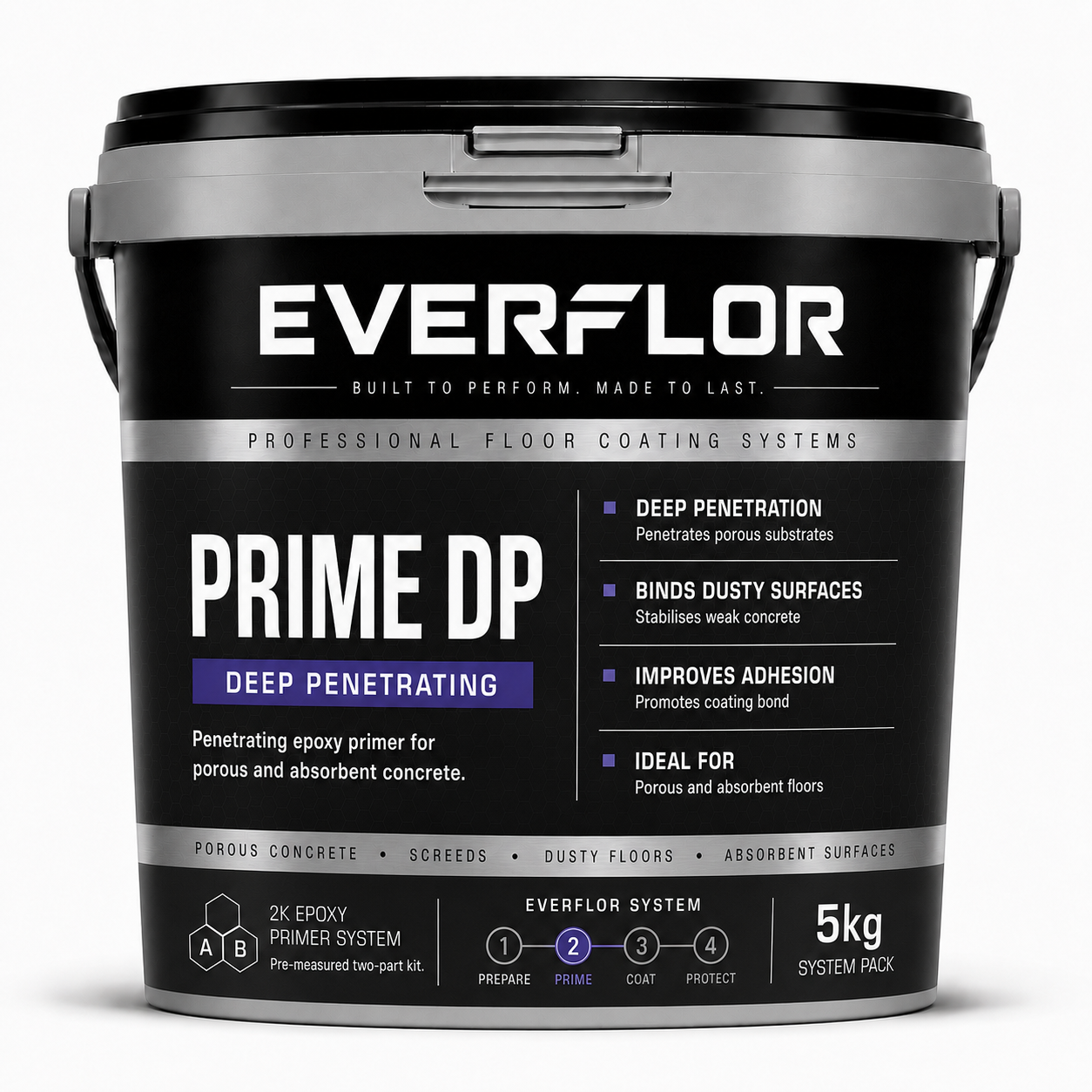
Seals Porous Floors Before Coating
Solvent free, no shrinkage
Topcoat Within 48 Hours
Indoor & Outdoor Use

Walk On After 8 Hours
Apply Straight From The Tin

Everest Trade – HB Epoxy Factory Bodenfarbe – Industriequalität – Zweikomponenten-Epoxidbeschichtung
Industrial grade coating
Solvent free, no shrinkage
Up to 5x thicker
Withstands heavy forklift traffic
Resists oil, acids, alkalis
Easy-clean surface
Similar Product Ranges
Everest Trade – HB Epoxy Factory Bodenfarbe – Industriequalität – Zweikomponenten-Epoxidbeschichtung
100% Solids Technology
220 Microns Per Coat
Internal Floors Only
Easy Application
Everest Trade – HB Epoxy Factory Bodenfarbe – Industriequalität – Zweikomponenten-Epoxidbeschichtung
Industrial grade coating
Solvent free, no shrinkage
Up to 5x thicker
Withstands heavy forklift traffic
Resists oil, acids, alkalis
Easy-clean surface
Everest Trade – HB Epoxy Factory Bodenfarbe – Industriequalität – Zweikomponenten-Epoxidbeschichtung
Industrial grade coating
Solvent free, no shrinkage
Up to 5x thicker
Withstands heavy forklift traffic
Resists oil, acids, alkalis
Easy-clean surface
Everest Trade – HB Epoxy Factory Bodenfarbe – Industriequalität – Zweikomponenten-Epoxidbeschichtung
Industrial grade coating
Solvent free, no shrinkage
Up to 5x thicker
Withstands heavy forklift traffic
Resists oil, acids, alkalis
Easy-clean surface
Everest Trade – HB Epoxy Factory Bodenfarbe – Industriequalität – Zweikomponenten-Epoxidbeschichtung
Industrial grade coating
Solvent free, no shrinkage
Up to 5x thicker
Withstands heavy forklift traffic
Resists oil, acids, alkalis
Easy-clean surface
Everest Trade – HB Epoxy Factory Bodenfarbe – Industriequalität – Zweikomponenten-Epoxidbeschichtung
Industrial grade coating
Solvent free, no shrinkage
Up to 5x thicker
Withstands heavy forklift traffic
Resists oil, acids, alkalis
Easy-clean surface
Garage Floor Paints FAQs
Technical Guidance & Application Advice
How should a concrete garage floor be prepared before applying garage floor paint?
Is moisture testing necessary before applying epoxy garage floor coatings?
Can garage floor paint be applied over previously painted floors?
What type of garage floor paint is most suitable for vehicle traffic?
Do garage floor coatings resist oil and automotive fluid spills?
Can garage floor paint be used on external concrete areas such as drive-in garages?
Expert Advice & Guides
A few of our most recent guides applicable to this product range.