System Overview
For steel cladding, fibre cement sheets and timber-clad agricultural buildings, coating systems must provide weather resistance, surface tolerance and practical site application flexibility. Barn paints are typically specified for refurbishment of working farm structures where appearance, corrosion control and ease of maintenance are priorities.
This collection focuses on single pack acrylic systems, traditional oil-based gloss finishes and anti-corrosive oxide primers suited to agricultural environments. These systems are commonly used on barns, livestock housing exteriors, storage sheds and steel-framed outbuildings where ageing coatings require renewal rather than full industrial re-lining.
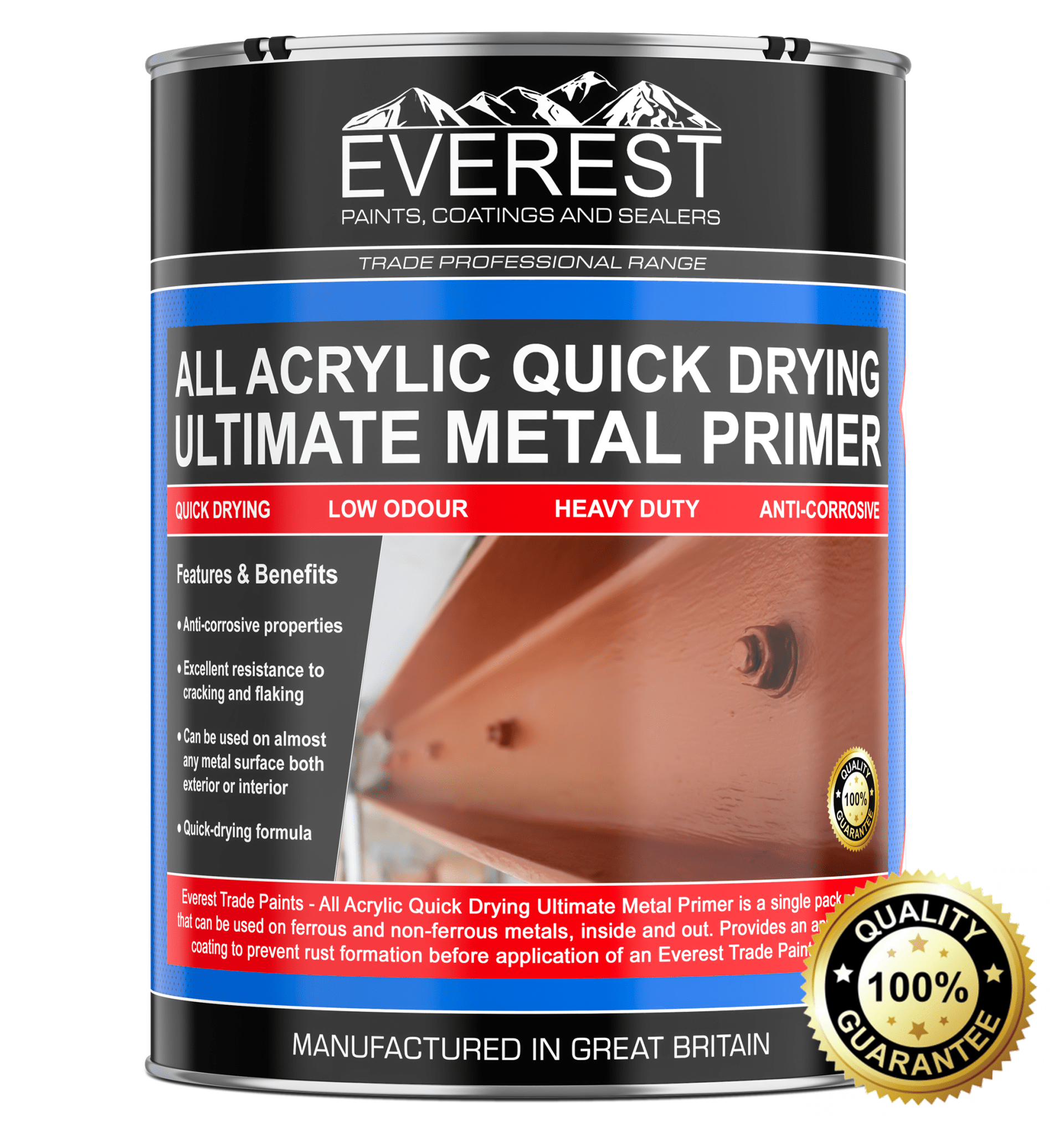
On weathered steel, anti-corrosive primers form the foundation of the system, followed by protective gloss or satin topcoats. On fibre cement sheets, acrylic-based finishes provide colour retention and surface stability without excessive film build. Timber cladding systems prioritise flexibility and ease of overcoating in exposed rural settings.
Application methods typically include brush, roller or airless spray, supporting trade-applied refurbishment across large surface areas with varying substrate conditions.
Suitable Substrates & Surface Preparation
Steel cladding must be assessed for corrosion level before coating. All loose rust, flaking paint and chalking residues should be mechanically removed. Sound but weathered coatings may be overcoated following abrasion and degreasing. Where corrosion is present, localised preparation to a clean, firm edge followed by application of an anti-corrosive oxide primer is required before topcoating.
Fibre cement sheets should be inspected for surface friability and biological growth. Cleaning to remove algae, dirt and chalking is essential to promote adhesion. Highly porous or degraded areas may require stabilisation prior to finishing coats. Acrylic systems are generally well suited to aged fibre cement due to their adhesion profile and UV stability.
Timber cladding must be dry, clean and free from surface contamination. Knots, resin bleed and loose fibres should be treated before coating. Previously coated timber requires abrasion to ensure intercoat adhesion.
Previously coated metal surfaces must be checked for compatibility. Single pack systems are best applied over existing single pack finishes in sound condition. Uncertain or incompatible coatings may require full removal.
Performance Characteristics & Limitations
Single pack acrylic barn paints provide good weather resistance and UV stable colour retention, particularly important on large exposed elevations. They offer practical recoat windows and are tolerant of minor surface irregularities. However, film build is moderate and long-term abrasion resistance is limited compared with two pack systems.
Oil-based gloss systems deliver a denser, higher sheen protective layer suitable for steel doors, trims and structural elements. They offer improved water shedding and surface protection but will gradually lose gloss under prolonged UV exposure.
Anti-corrosive oxide primers are designed to inhibit further rusting on prepared steel but rely heavily on correct surface preparation. They are not a substitute for high-build industrial corrosion protection in aggressive or coastal conditions.
Across the collection, these systems are not suitable for constant immersion, heavy chemical exposure or environments requiring high impact resistance. In livestock settings, areas subject to frequent washing, slurry splash or mechanical damage may exceed the performance limits of single pack coatings.
Internal vs External Considerations
These systems are primarily specified for external agricultural use. UV exposure, wind-driven rain and seasonal temperature fluctuation are the principal design considerations. Acrylic technologies perform well under UV exposure, maintaining colour stability on steel and fibre cement elevations.
Internally, in open-sided barns or ventilated sheds, similar systems may be used where chemical exposure is minimal. However, enclosed livestock housing with elevated ammonia levels or regular pressure washing can accelerate coating breakdown, particularly with single pack products.
Moisture content of substrates must be controlled prior to application. Steel temperature relative to dew point is critical to avoid condensation-related adhesion issues. Timber should not be coated when damp, and fibre cement must be dry and stable.
Selection Guidance & When to Specify Alternatives
Barn paints within this collection are best suited to refurbishment-led agricultural projects where practical application, surface tolerance and cost control are balanced against durability expectations.
For exposed coastal sites, high rainfall zones or structures with persistent corrosion, consider upgrading to higher build anti-corrosion systems or specialist cladding coatings offering enhanced barrier protection.
Where chemical exposure, regular jet washing or mechanical wear is significant, two pack epoxy or polyurethane-based cladding systems may provide extended service life beyond the capability of single pack acrylic or oil-based finishes.
For new-build steel cladding or long-term asset protection strategies, specification should consider full system build-up including appropriate primers, intermediate coats and higher durability topcoats aligned to expected service conditions.
This collection supports steel and fibre cement renovation projects but should be selected with clear understanding of environmental exposure, substrate condition and maintenance expectations.