
Guides and Posts
Of Products
Help Categories
Helpful Staff
Search by surface type, problem, or symptom...
Find Your Preparation Guide
Exterior surfaces are unforgiving. What works on concrete can permanently damage natural stone, and solvent-based cleaners can dissolve tarmac. Use the search bar below to find the specific cleaning and repair methods for your exact surface type to ensure a safe, professional result.
- 0 comments
- by Sam Marriott
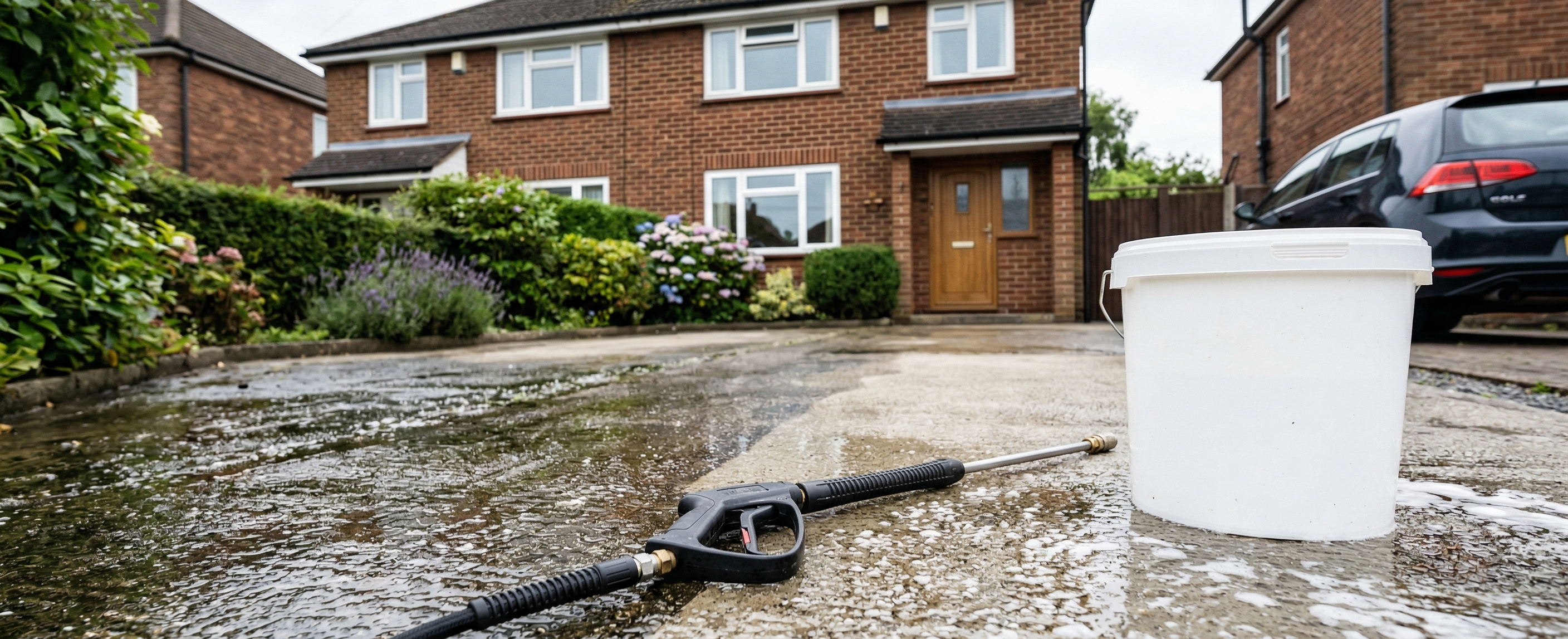
Pressure Washing and Degreasing Before Sealing
- 0 comments
- by Sam Marriott
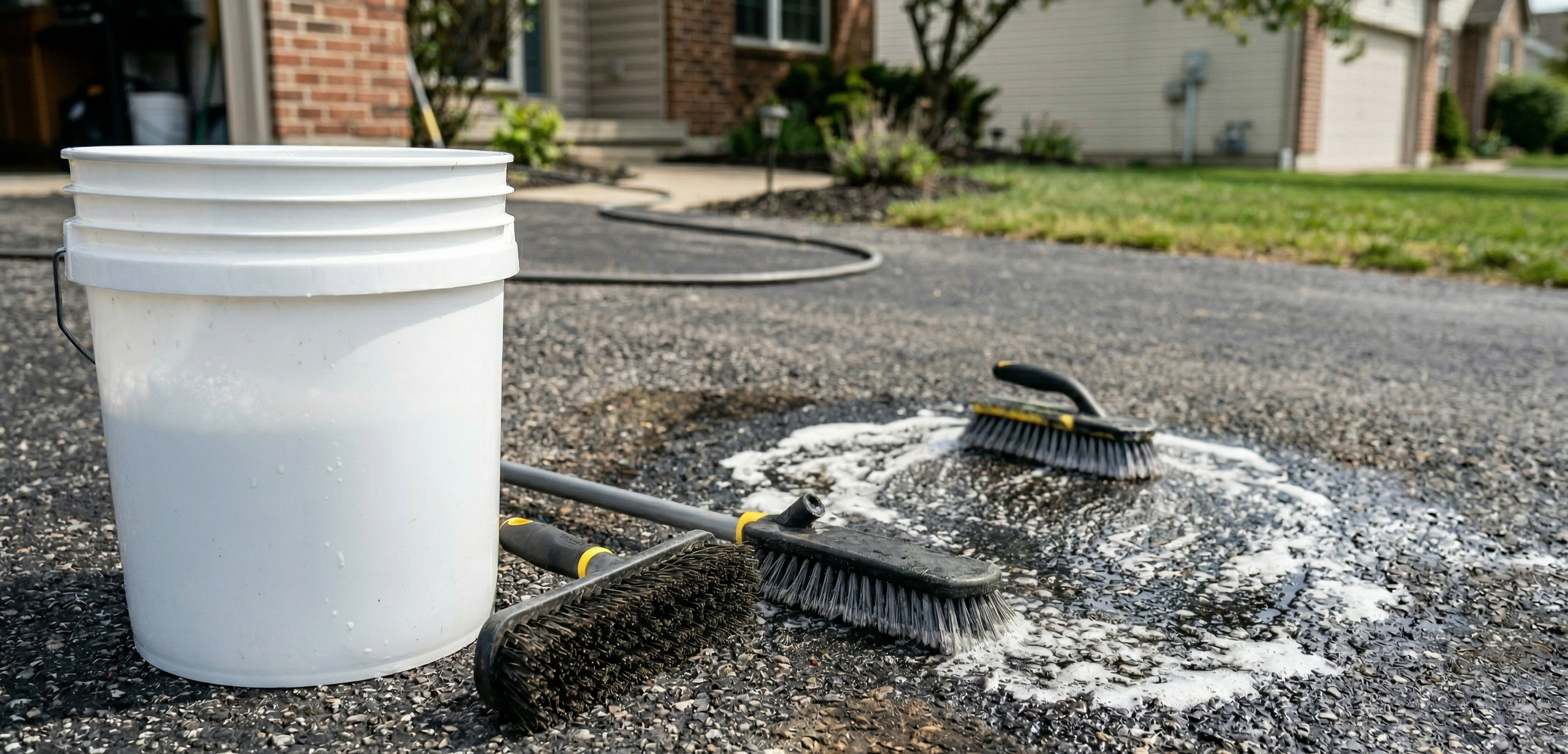
Oil Stain Management: Cleaning Asphalt Without Dissolving the Binder
- 0 comments
- by Sam Marriott
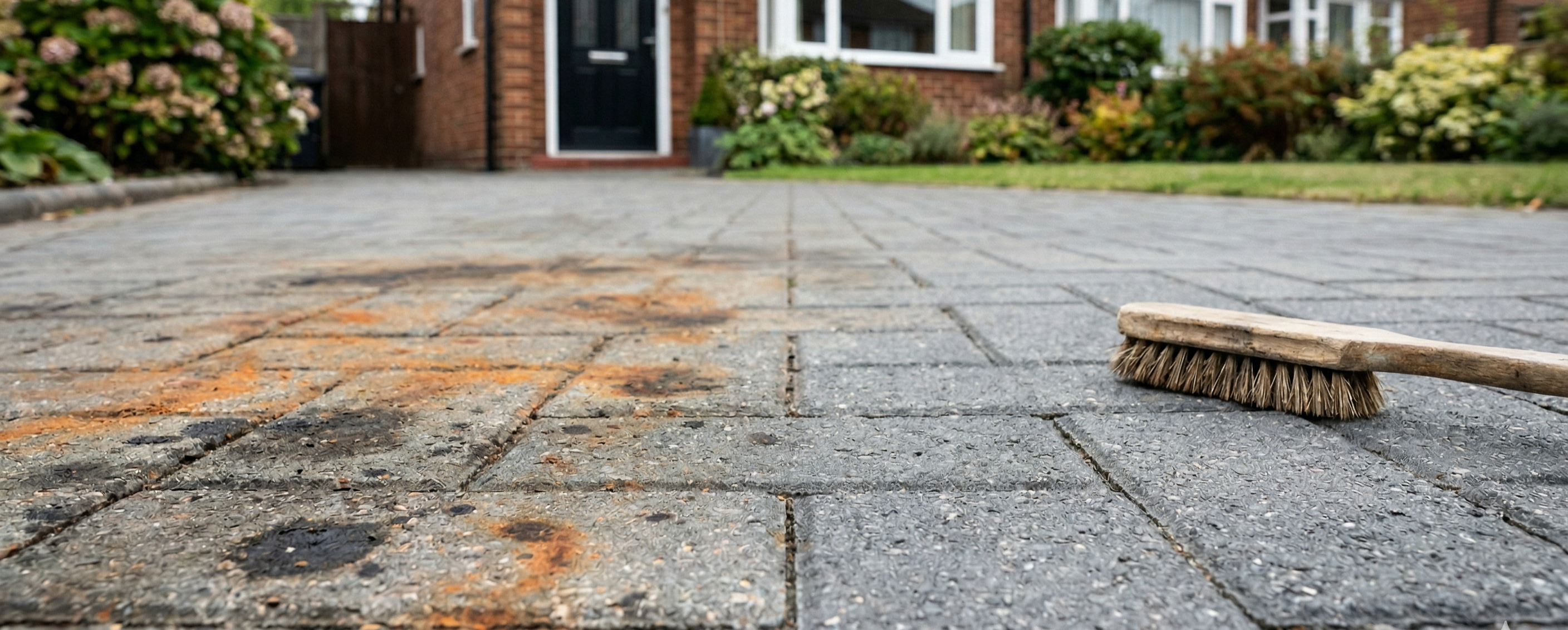
How to Clean Oil and Rust Stains on Block Paving
- 0 comments
- by Sam Marriott
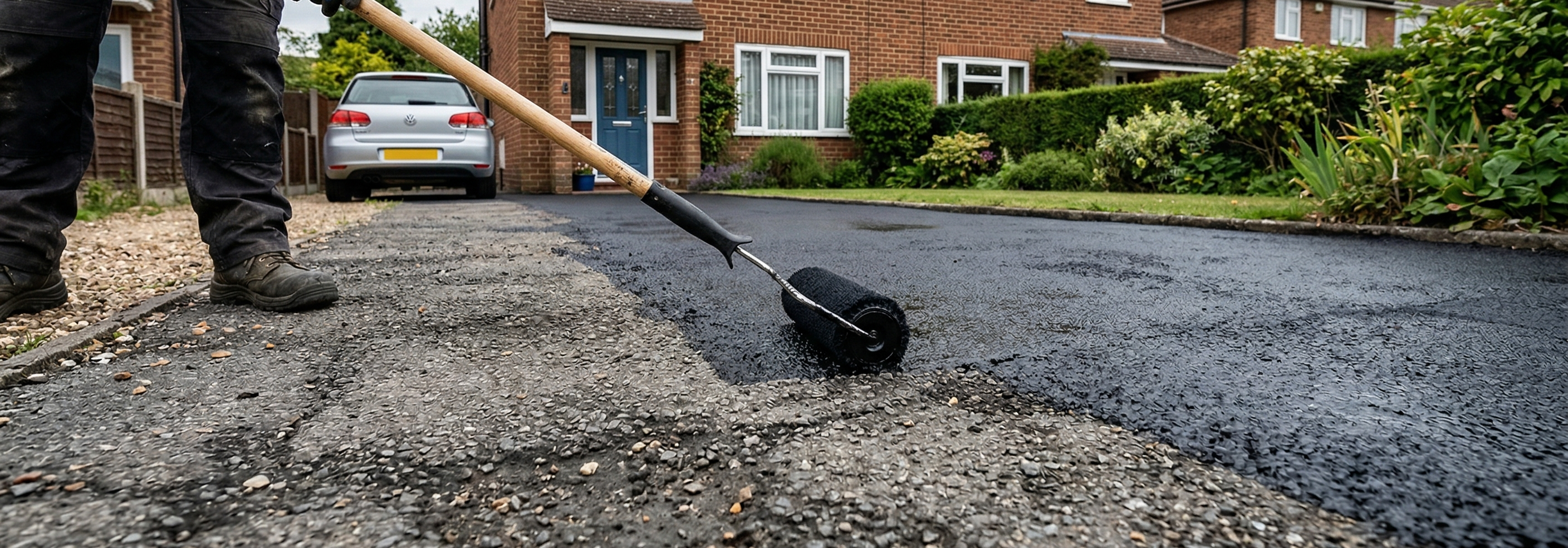
Stopping Surface Fretting: How to Stabilise Loose Stones on Old Tarmac
- 0 comments
- by Sam Marriott
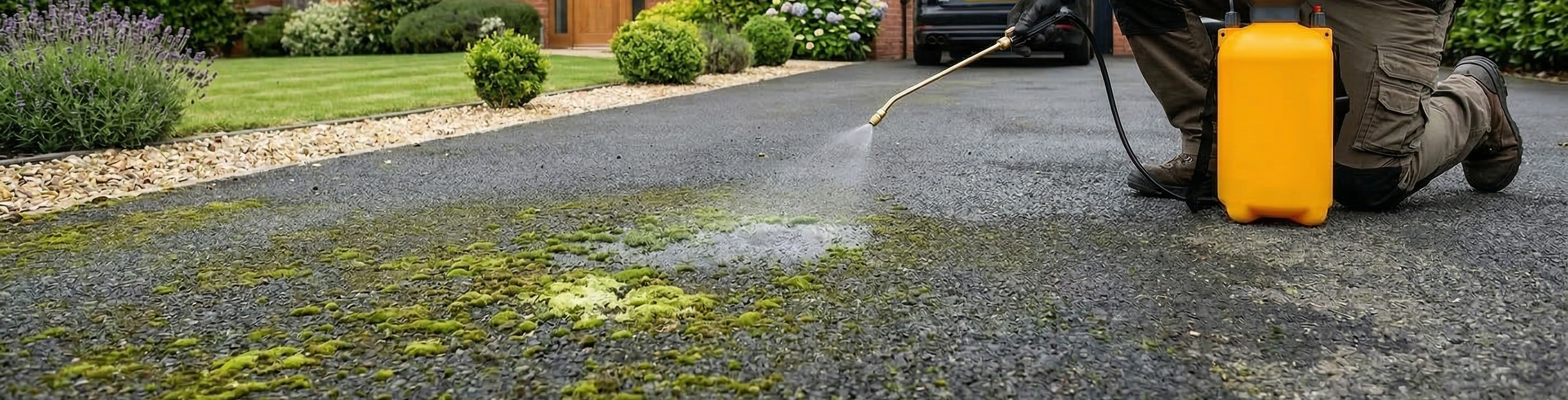
Treating Moss and Algae on Soft Tarmac Surfaces
- 0 comments
- by Sam Marriott
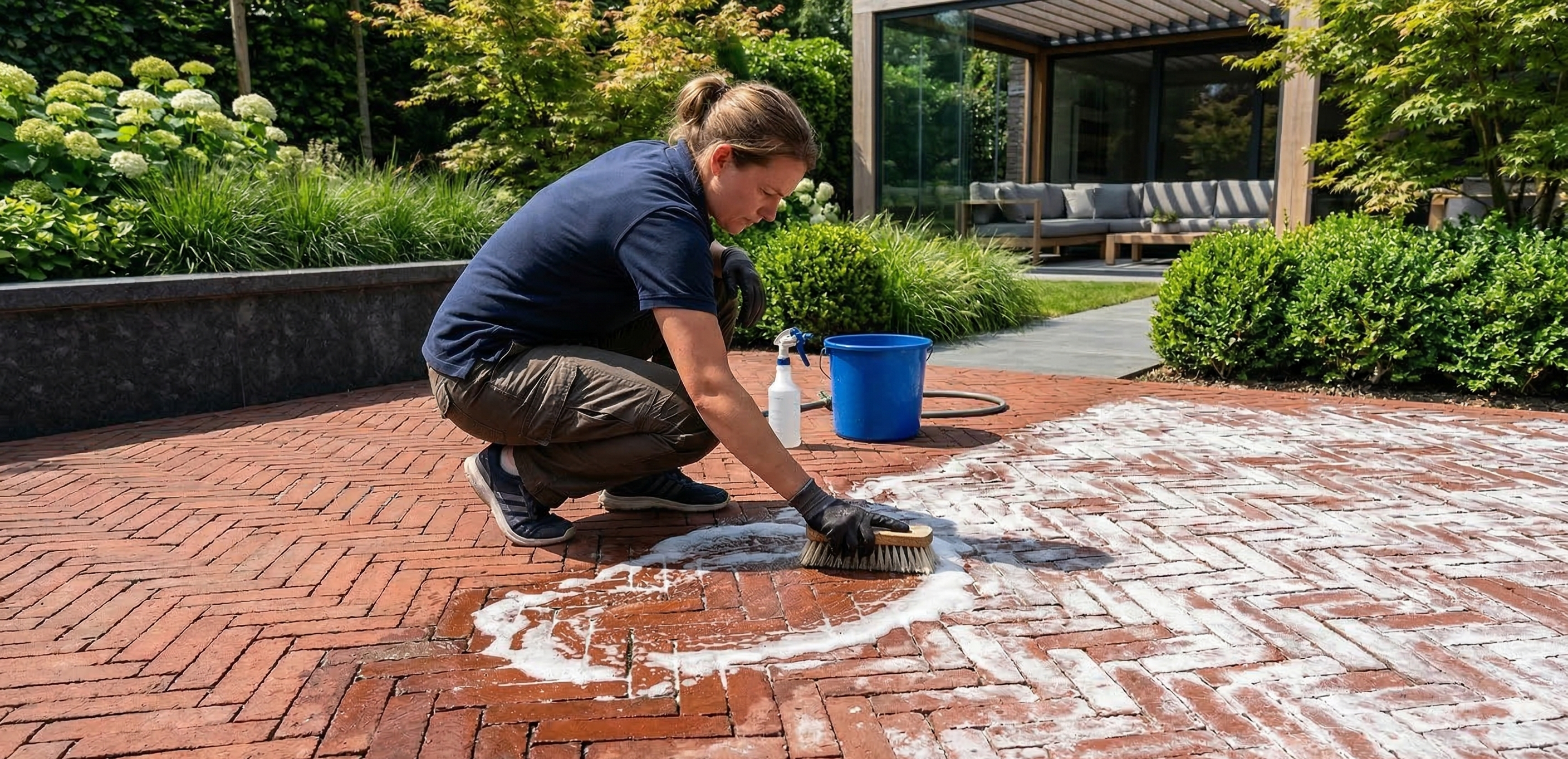
Fixing White Spots and Blooming: The Xylene Re-Emulsification Technique
- 0 comments
- by Sam Marriott
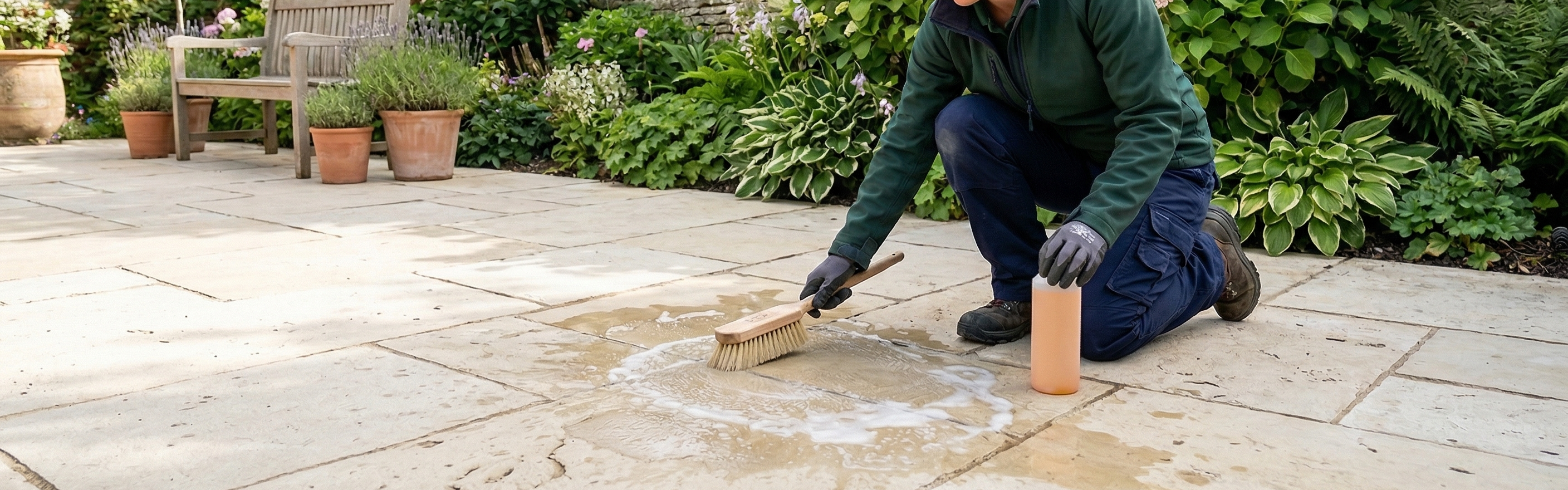
Acid Sensitivity Guide: Safe Cleaning for Limestone and Travertine
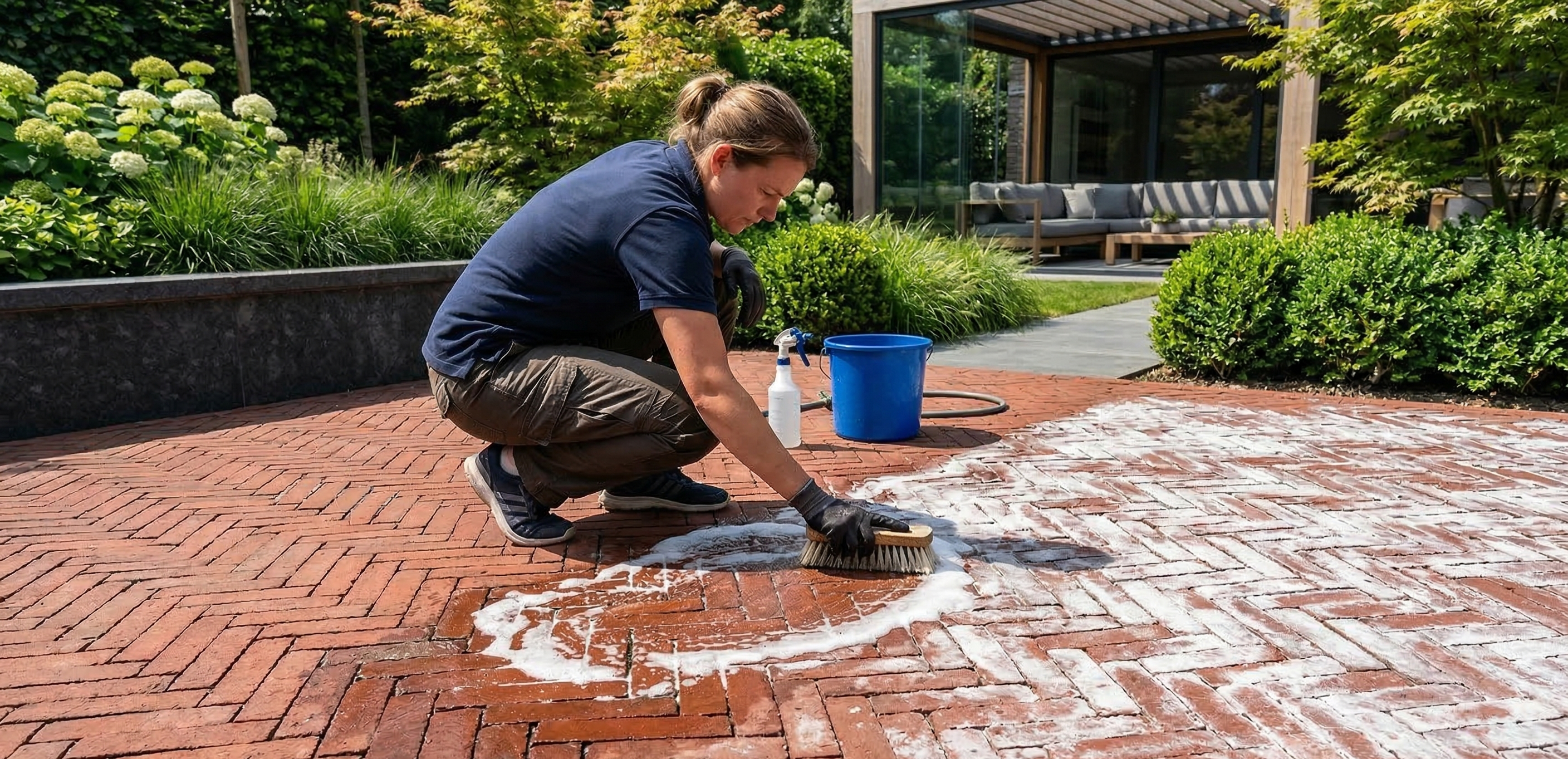
- 0 comments
- by Sam Marriott
Efflorescence Removal: Cleaning White Salt Stains from Pavers
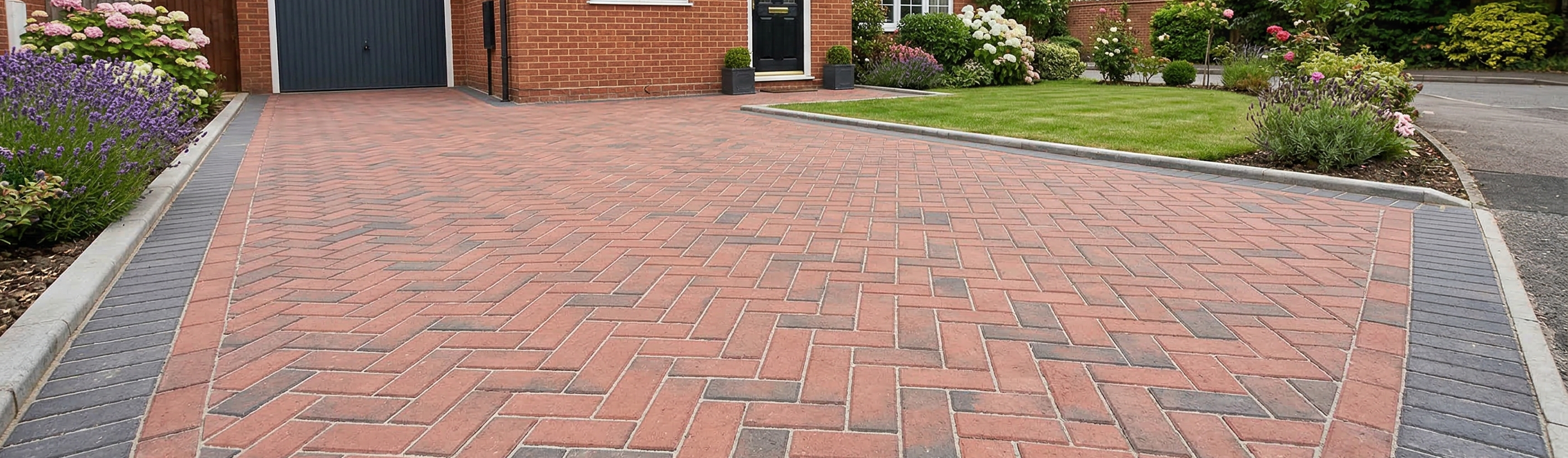
- 0 comments
- by Sam Marriott
How to Stabilise Joint Sand: Stop Weeds & Ants
No guides found matching your search.
Try a different keyword.
Cleaning, Re-Sanding & Stabilising
Block Paving Preparation
The key to perfect block paving is the jointing sand. This section covers how to deep clean without washing away the substrate, how to kill weeds/moss, and the critical step of re-sanding joints before sealing to lock the blocks in place.
- 0 comments
- by Sam Marriott
How to Clean Oil and Rust Stains on Block Paving
- 0 comments
- by Sam Marriott
Efflorescence Removal: Cleaning White Salt Stains from Pavers
- 0 comments
- by Sam Marriott
How to Stabilise Joint Sand: Stop Weeds & Ants
Fixing "Blooming", Cracks & Resealing
Imprinted Concrete Preparation
Imprinted concrete is a sealed system that requires specific maintenance. Learn how to use Xylene to fix white patches ("blooming"), how to repair surface cracks without scarring the pattern, and how to prepare the surface for a fresh coat of sealer.
- 0 comments
- by Sam Marriott
Fixing White Spots and Blooming: The Xylene Re-Emulsification Technique
Black Spot Removal & Stone Safety
Natural Stone & Patio Preparation
Sandstone, Limestone, and Slate require gentle care. This section guides you on removing stubborn "Black Spot" lichen without damaging the stone, why you must avoid acid-based cleaners, and how to check moisture levels before sealing.
- 0 comments
- by Sam Marriott
Acid Sensitivity Guide: Safe Cleaning for Limestone and Travertine
Degreasing, Pot-Holes & Restoration
Tarmac & Asphalt Preparation
Tarmac "frets" (loses stones) and fades to grey over time. This section covers degreasing oil stains without dissolving the bitumen, filling pot-holes with cold-lay repair, and preparing the surface for a "Back to Black" restorer.
- 0 comments
- by Sam Marriott
Oil Stain Management: Cleaning Asphalt Without Dissolving the Binder
- 0 comments
- by Sam Marriott
Stopping Surface Fretting: How to Stabilise Loose Stones on Old Tarmac
- 0 comments
- by Sam Marriott
Treating Moss and Algae on Soft Tarmac Surfaces
Acid Etching, Crack Repair & Cleaning
Standard Concrete Preparation
Before painting or sealing plain exterior concrete, you must remove the smooth "laitance" layer to ensure adhesion. This section covers Acid Etching, filling structural cracks, and deep-cleaning grease from garage fronts and pathways.
- 0 comments
- by Sam Marriott
Pressure Washing and Degreasing Before Sealing
Expert answers on cleaning, repairing, and preparing exterior surfaces.
Driveway & Patio Preparation FAQs
Block Paving FAQs
Block paving is not a solid surface; it is a flexible system of individual bricks held together by friction. The sand between the joints is the structural "glue" that stops the blocks from rocking or sinking. The most common mistakes in preparation involve cleaning too aggressively and failing to replace this crucial sand, leading to driveway collapse. Here is how to prep pavers safely.
Why must I re-sand the joints before sealing?
Pressure washing removes the old jointing sand. If you apply a sealer to empty joints, the liquid will simply flow down into the sub-base and be wasted. You must sweep fresh Kiln-Dried Sand into the joints first. The sealer then soaks into this new sand, hardening it (sand binding) to lock the blocks in place and stop weeds.
Will sealing my driveway kill existing weeds?
No. Sealing creates a barrier against new weeds, but it will not kill deep-rooted weeds already there. If you seal over live weeds, they will grow right through the coating. You must use a strong biocide and remove all organic growth as part of your prep work.
Can I seal immediately after washing?
No. The sand and the blocks must be bone dry. If there is moisture in the sand, the sealer cannot penetrate to bind it. Worse, trapped moisture will turn white (bloom) under the sealer. We recommend waiting at least 2-3 dry days after cleaning before sanding and sealing.
Imprinted Concrete FAQs
Pattern Imprinted Concrete (PIC) is unique because the colour and pattern are protected by a continuous layer of acrylic sealer. Preparation here is rarely about scrubbing dirt; it is usually about chemical correction. The main challenges involve fixing moisture entrapment (white patches) and ensuring that the new layer of sealer bonds chemically to the old one without peeling.
My driveway has white patches. Can I just seal over them?
No. That whiteness ("blooming") is moisture trapped under the old sealer. If you seal over it, you seal the problem in forever. You must first use a solvent (Xylene) to "melt" the old sealer and release the moisture. Once the concrete is clear again, you can apply the new sealer.
Do I need to strip the old sealer off?
Rarely. As long as the surface isn't flaking extensively, our solvent-based sealers are designed to bond chemically with the previous layer. You only need to strip the driveway if the old sealer has failed completely or if you are switching sealer types.
How do I stop the new sealer from being slippery
Imprinted concrete sealers are glossy by nature. During the preparation stage, you should plan to mix an "Anti-Slip Additive" into the final coat. This adds a fine texture that improves grip in wet weather without dulling the shine.
Natural Stone FAQs
Natural substrates like Indian Sandstone, Limestone, and Slate are chemically sensitive. Unlike man-made concrete, they react poorly to acids and are highly porous, making them a breeding ground for deep-rooted "Black Spot" lichen. Preparation requires a gentle touch and specific biological cleaners to kill the spores without "etching" or burning the natural stone surface.
Why can't I use acid-based cleaners on my patio?
Acid reacts with the calcium in natural stone (especially Limestone and Black Limestone), causing it to fizz and fade instantly. This damage is permanent. You must use pH-neutral cleaners or Sodium Hypochlorite solutions to clean the stone safely before sealing.
I’ve jet washed, but black spots remain. Can I seal now?
We wouldn't recommend it. Those black spots are lichen rooted into the stone. If you seal now, you lock them in, and they will continue to grow and ruin the look of the patio. You must use a "Black Spot Remover" to chemically kill the roots before applying an impregnating sealer.
How dry does the stone need to be for an Impregnating Sealer?
Extremely dry. Impregnators work by filling the capillaries (pores) of the stone. If those pores are full of water, the sealer can't get in. Test the stone with a moisture meter or by taping down a plastic sheet overnight to ensure no damp rises before you seal.
Tarmac & Asphalt FAQs
Tarmac is a soft surface held together by a bitumen binder. As it ages, UV light dries out this binder, causing the surface to fade to grey and eventually crumble ("fret"). Preparation is a delicate balance: you must degrease oil stains without using harsh solvents that dissolve the tarmac itself, and you must structurally repair pot-holes before applying any colour restorer.
Can I use strong solvents to remove oil stains?
No. Tarmac is held together by bitumen, which dissolves in solvents (like petrol or thinners). If you use a harsh solvent cleaner, you will dissolve your driveway. Use a dedicated "Bio-Degreaser" to break down the oil safely before applying a restorer.
My Tarmac is crumbling. Will a sealer fix it?
A sealer/restorer will help bind loose stones, but it cannot fill holes. If your tarmac is heavily fretting (loose gravel), you need to sweep away the loose material and potentially use a "Cold Lay" repair product to patch the worst areas before you apply the final colour coating.
I have moss on my Tarmac. Can I just power wash it off?
You can remove the visible moss with water, but be very careful not to use high pressure that rips up the surface stones. Crucially, water won't kill the spores hiding deep in the textured crevices. You should apply a dedicated Moss Killer or Biocide after cleaning and let it dry. If you don't kill the roots chemically, the moss will grow back quickly, potentially lifting or damaging your new coating.
Standard Concrete FAQs
Plain exterior concrete is durable, but it often has a smooth, weak top layer called "laitance" that prevents paints and sealers from sticking. The goal of preparation here is profiling—mechanically or chemically opening the pores of the concrete (like sanding wood) so the new coating can root into the surface rather than just sitting on top and peeling off.
Why do I need to "Acid Etch" the concrete?
New or smooth concrete has a layer called "laitance" (weak cement dust). Paints and sealers stick to this dust rather than the concrete itself. Acid etching dissolves this layer and roughens the surface (like sandpaper), allowing the paint to grip firmly.
Can I seal/paint over cracks?
No. Concrete expands and contracts. If you paint over a crack, the movement will snap the paint open. You must clean out the cracks and fill them with a repair mortar or flexible filler. Once smoothed and dried, you can then paint over the repair for a seamless finish.
Can I paint a damp driveway?
No. Moisture rising from the ground creates "hydrostatic pressure" which pushes the paint off the surface, causing bubbles and flaking. You must perform a moisture test (tape plastic to the floor for 24 hours) to ensure the concrete is dry enough for the paint to adhere.
The Help & Technical Hub
Our coatings are backed by more than just performance — they’re supported by clear documentation, practical guides, and real technical support.
The Help & Technical Hub brings together preparation guides, application advice, FAQs, SDS & TDS downloads, and system recommendations to help you choose, apply, and maintain the right coating with confidence.