System Overview
For timber decking, fences, and general wood surfaces, protective coating systems are specified to improve durability, reduce moisture absorption, and protect exposed timber from environmental degradation. Wood substrates are inherently dynamic materials that expand and contract with changes in temperature and humidity, so coating flexibility and appropriate film build are important factors when selecting a suitable system.
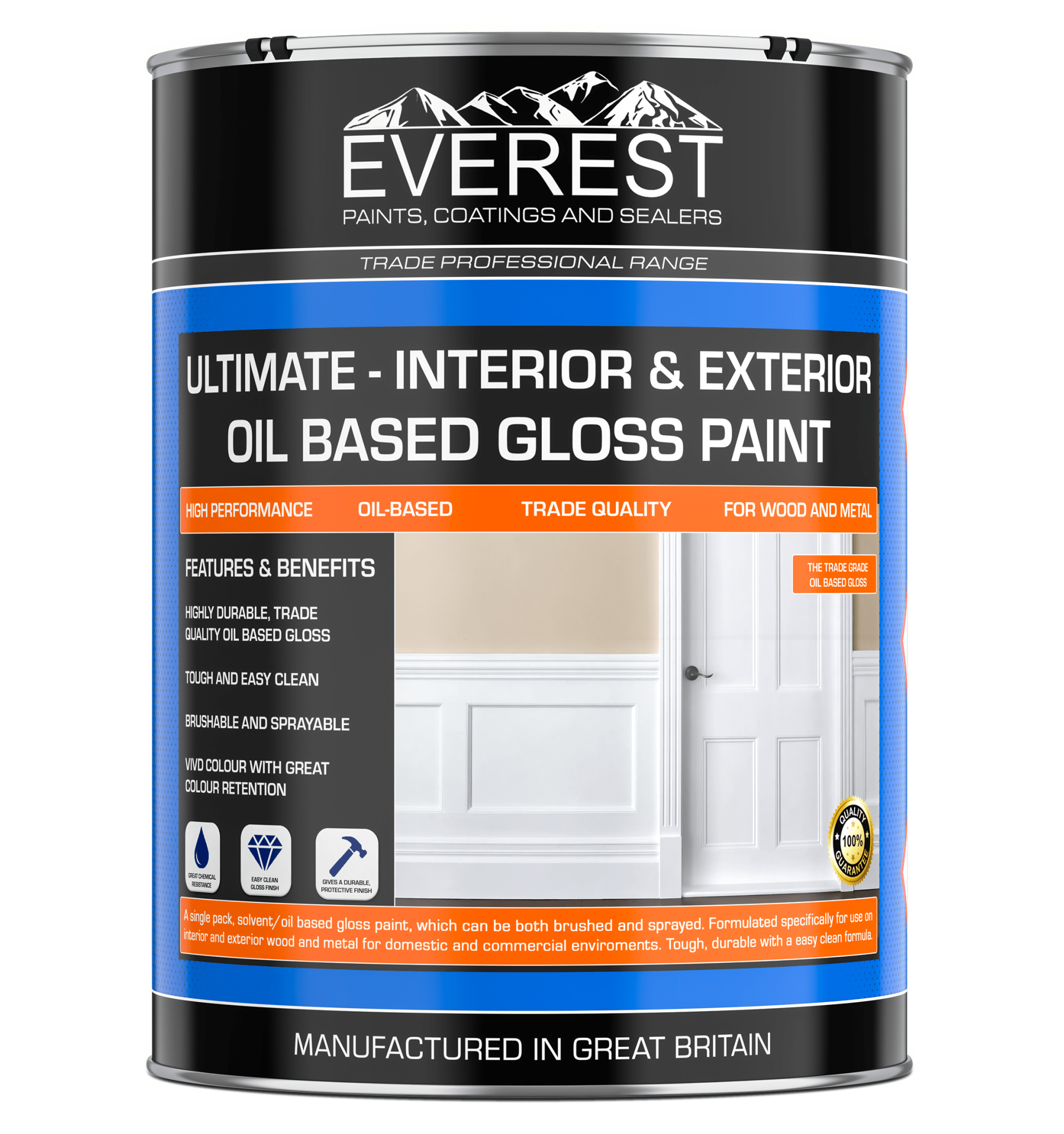
The EVEREST wood surface coating range includes acrylic, polyurethane, and oil-based technologies designed for both interior and exterior timber. These coatings provide a combination of penetrating protection and surface film durability depending on the product type and the intended use environment. Systems are commonly selected to protect timber cladding, decking, fencing, sheds, garden structures, and joinery while improving surface appearance and resistance to wear.
This gateway collection covers timber protection systems used across maintenance, refurbishment, and new-build timber installations. Depending on the exposure conditions and traffic levels, coatings may be selected for decorative finishing, weather resistance, or more robust wear protection on frequently used timber surfaces.
Suitable Substrates & Surface Preparation
Timber must be clean, dry, and structurally sound before coating systems are applied. Surface contaminants such as dirt, algae, mould, grease, and degraded fibres can prevent proper adhesion and reduce coating performance. Cleaning and mechanical preparation are often required to remove weathered timber layers and create a stable surface for coating penetration or film formation.
New timber surfaces may require light sanding to remove mill glaze and improve coating uptake. On exterior structures, particular attention should be given to end grain, joints, and horizontal surfaces where moisture absorption is more likely to occur. Primers or preservative treatments may be appropriate depending on timber species and environmental exposure.
Previously painted wood surfaces require inspection to determine whether existing coatings remain stable. Loose, peeling, or brittle coatings should be removed before recoating. Sound coatings may be retained where adhesion is good, but light abrasion is typically required to provide a mechanical key for the new coating system.
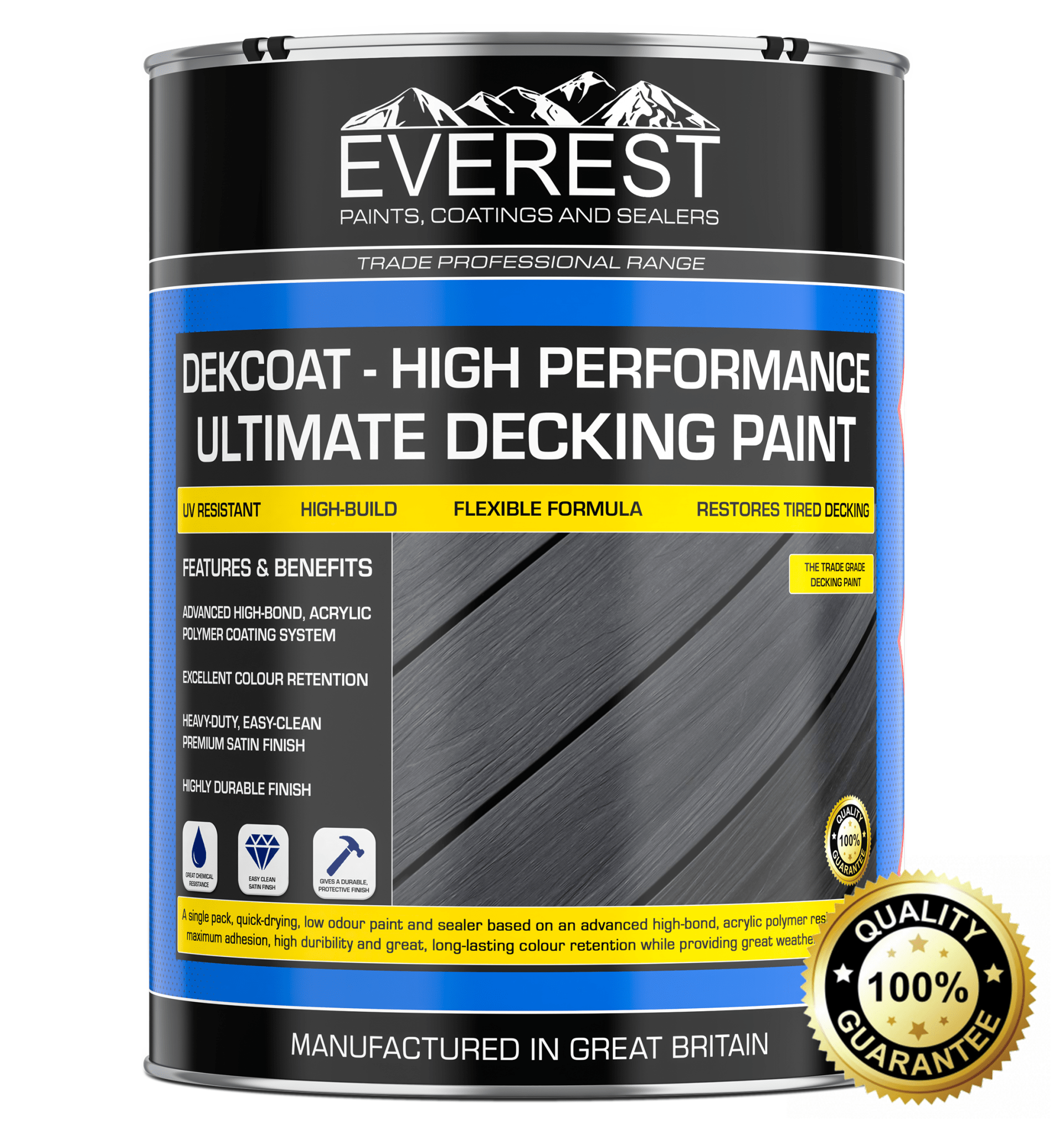
Decking surfaces also require additional preparation to remove contamination from foot traffic, algae growth, and weathering before applying protective coatings.
Performance Characteristics & Limitations
Acrylic coatings are commonly used where flexible films and relatively fast drying behaviour are beneficial. These systems can accommodate moderate timber movement and are often selected for general maintenance coatings on fences, sheds, and exterior timber structures. They typically provide lighter mechanical durability compared with two pack or polyurethane-based systems.
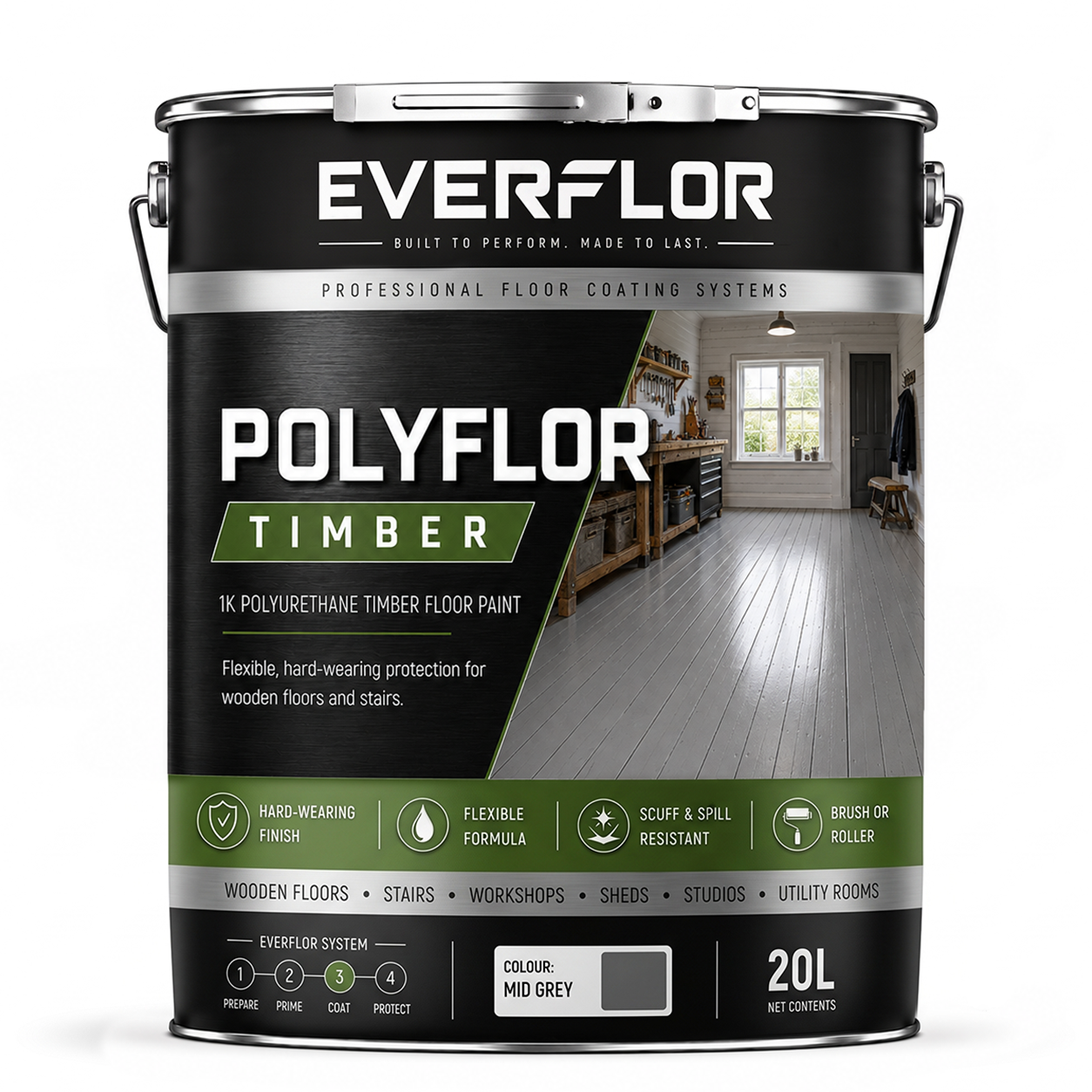
Polyurethane coatings are usually chosen where improved abrasion resistance and stronger film durability are required. This can be relevant for decking areas or timber elements exposed to repeated contact or moderate foot traffic. Polyurethane systems form tougher protective films but still rely on proper substrate preparation to perform effectively.
Oil-based coatings and wood stains tend to penetrate deeper into timber fibres, providing moisture resistance and traditional wood finish characteristics. These systems may require longer drying times and maintenance intervals depending on environmental exposure.
Exterior durability is strongly influenced by weather conditions, UV radiation, and timber movement. Even well-applied systems will require periodic maintenance and recoating over time as coating films gradually degrade under exposure.
Internal vs External Considerations
Interior timber coatings are typically selected for decorative appearance and moderate wear resistance rather than weather protection. Joinery, trim, and internal timber panels generally experience less environmental stress but may still require abrasion-resistant finishes where surfaces are frequently handled.
Exterior timber surfaces are subject to a combination of UV exposure, rainfall, biological growth, and seasonal moisture variation. Decking and horizontal timber structures are particularly exposed to standing water and mechanical wear from foot traffic, which can accelerate coating degradation if unsuitable systems are used.
Coating flexibility and moisture management are therefore important considerations when specifying systems for outdoor timber structures such as fencing, cladding, and decking.
Selection Guidance & When to Specify Alternatives
Wood surface coating systems are typically specified where timber structures require protective finishes that improve durability and reduce weather-related degradation. They are suitable for maintenance and refurbishment of timber structures as well as protection of new timber installations across residential, agricultural, and light commercial environments.
Where timber surfaces experience heavier wear, particularly on frequently used decking or high-contact joinery, more durable polyurethane-based protective coatings may be appropriate. Specialist decking protection systems may also be required where sustained foot traffic and external exposure place greater mechanical and environmental stress on the coating.
Final system selection should consider timber species, exposure conditions, substrate preparation requirements, and the expected maintenance cycle needed to maintain long-term timber protection.