

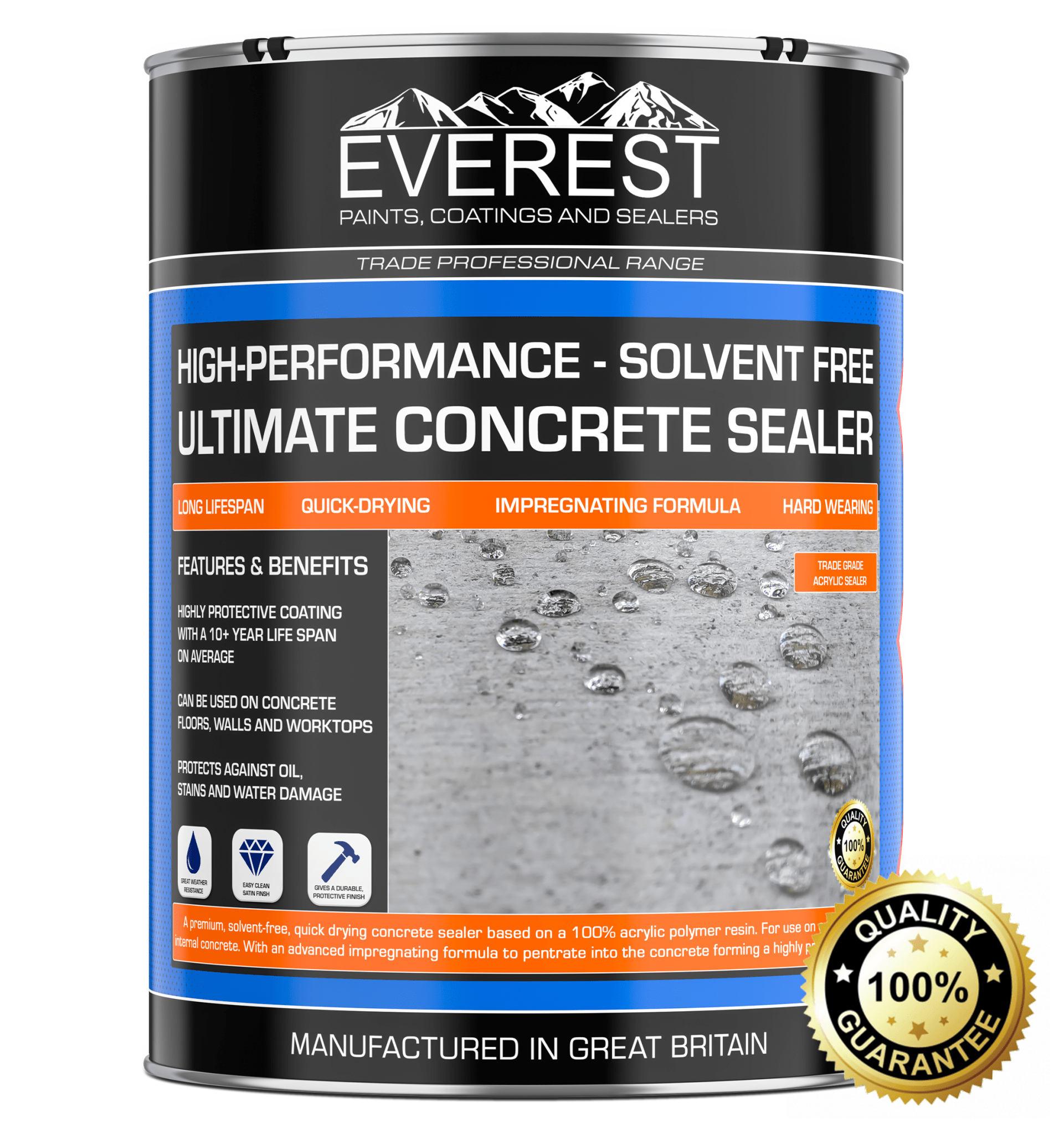
Everest Trade - Betonafdichter - Op basis van polyurethaan (PU) hars - Intern en extern

High Traffic Concrete?
Upgrade to a Polyurethane Sealer System
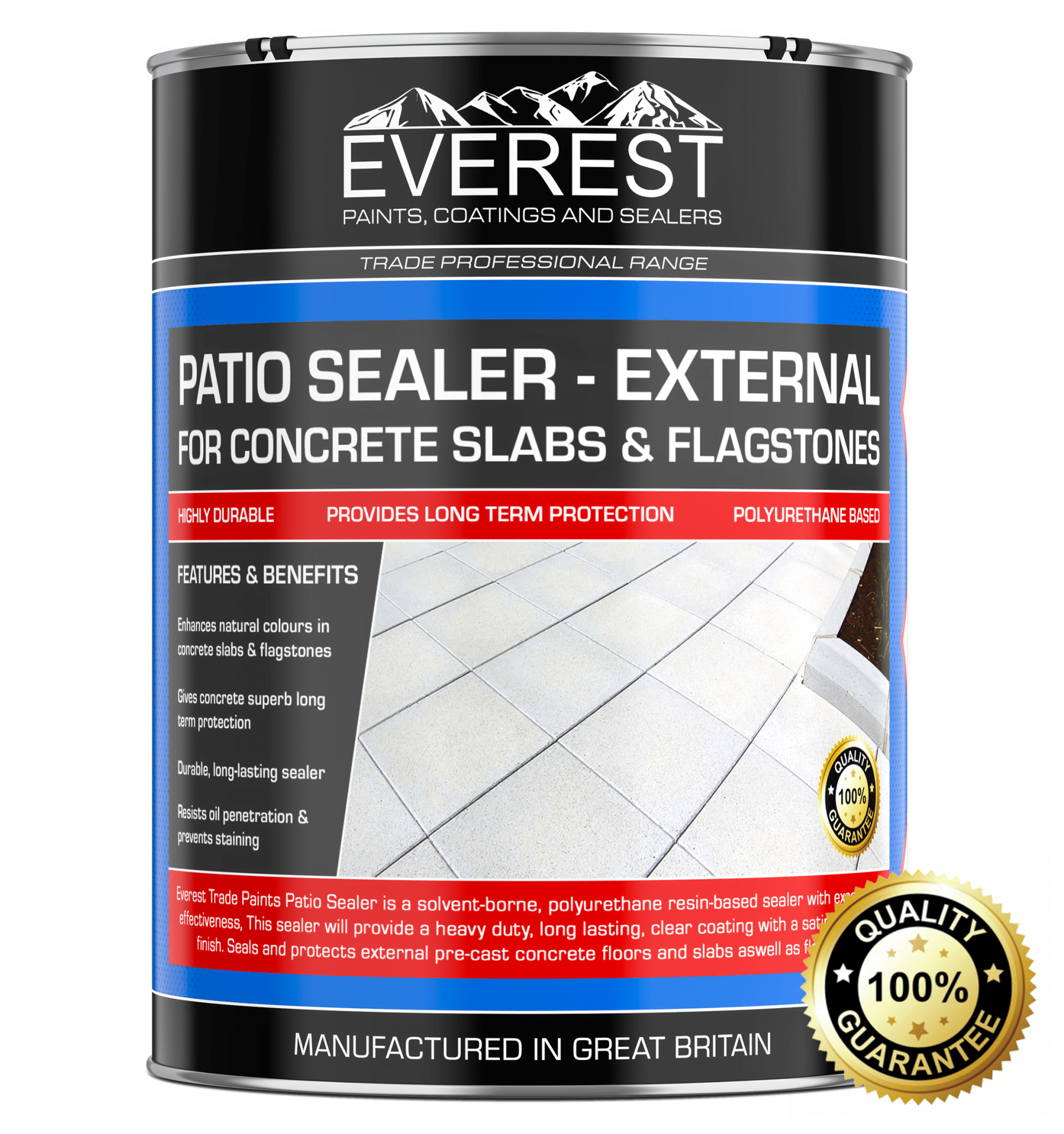
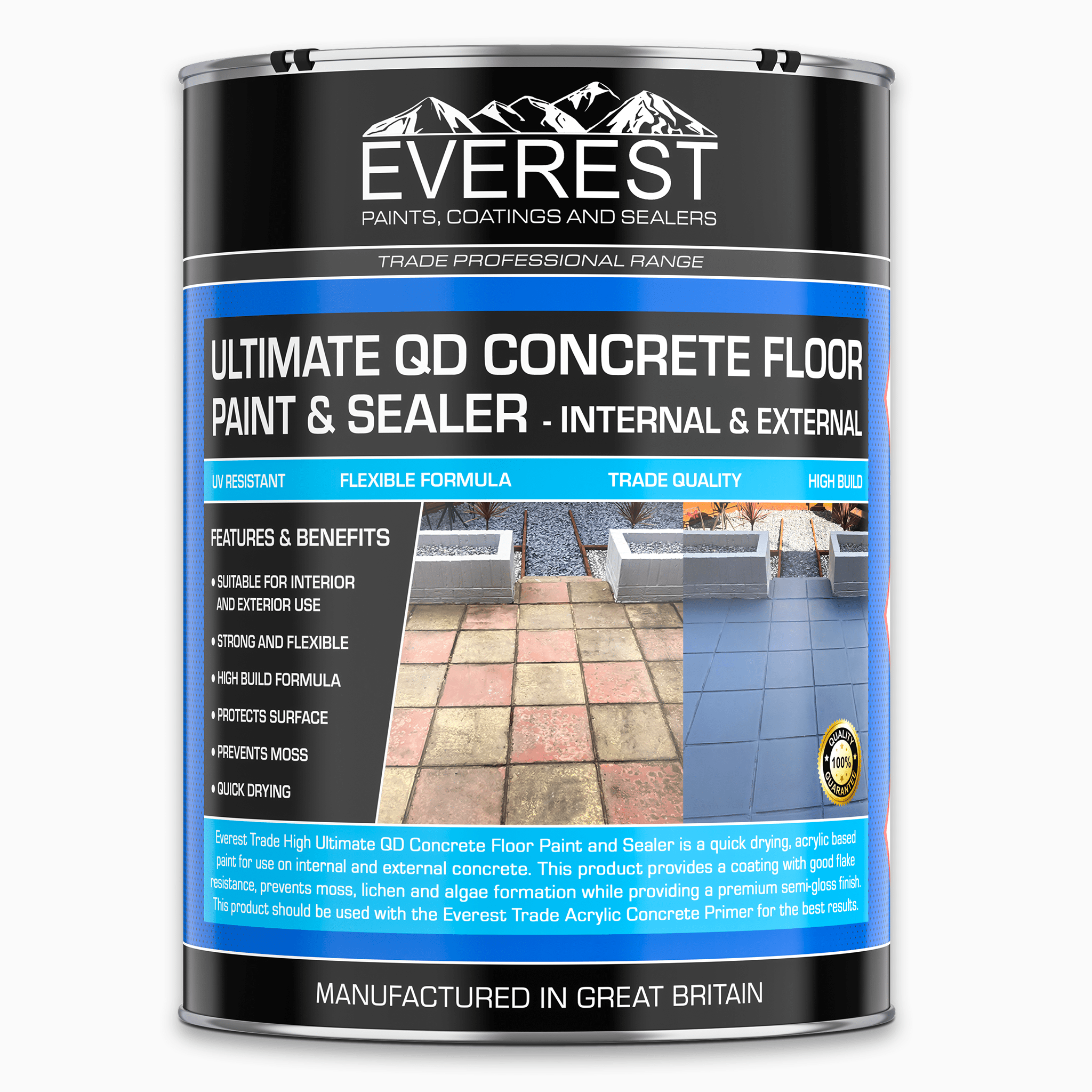

Touch Dry in 2-4 Hours

Indoor & Outdoor Use

Fade Resistant Coating

Resists Cracking & Peeling

Prevents Moss & Lichen

British manufacturing
Touch Dry in 2-4 Hours
Indoor & Outdoor Use
Fade Resistant Coating
Resists Cracking & Peeling
Prevents Moss & Lichen
British manufacturing
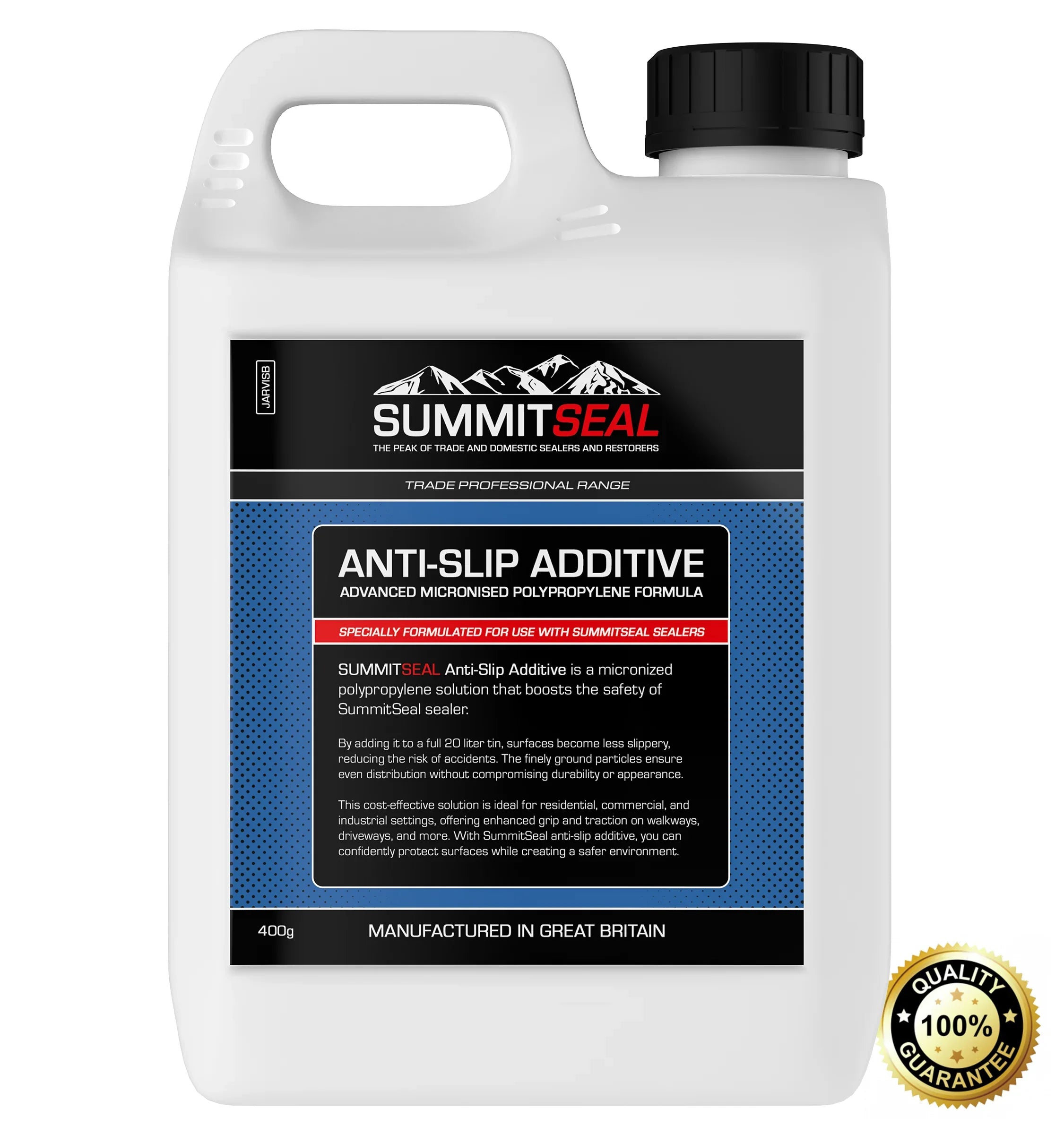

SummitClean - Ultieme opritreiniger voor opritten en terrassen (verkrijgbaar in 1 en 5 liter)
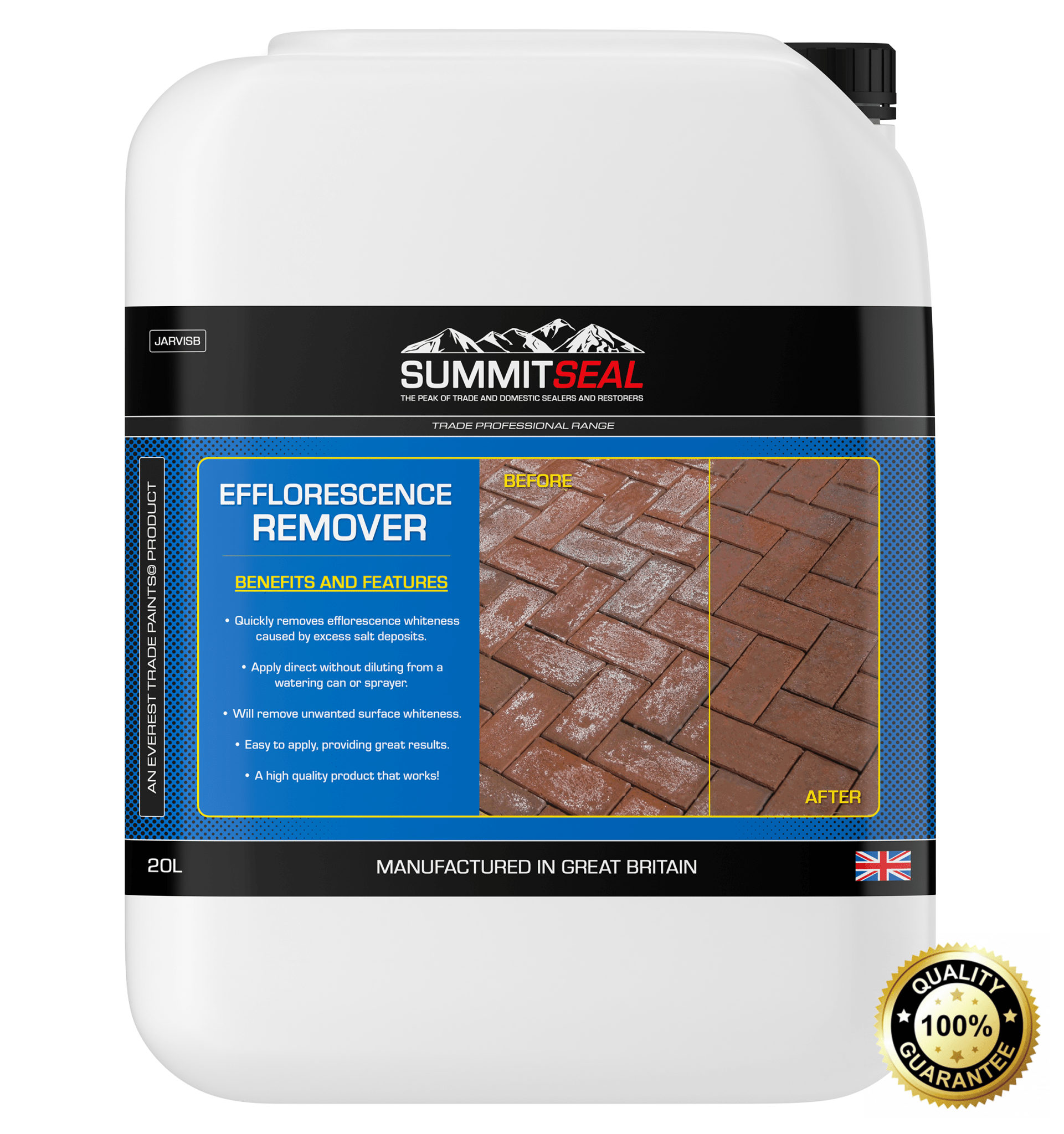
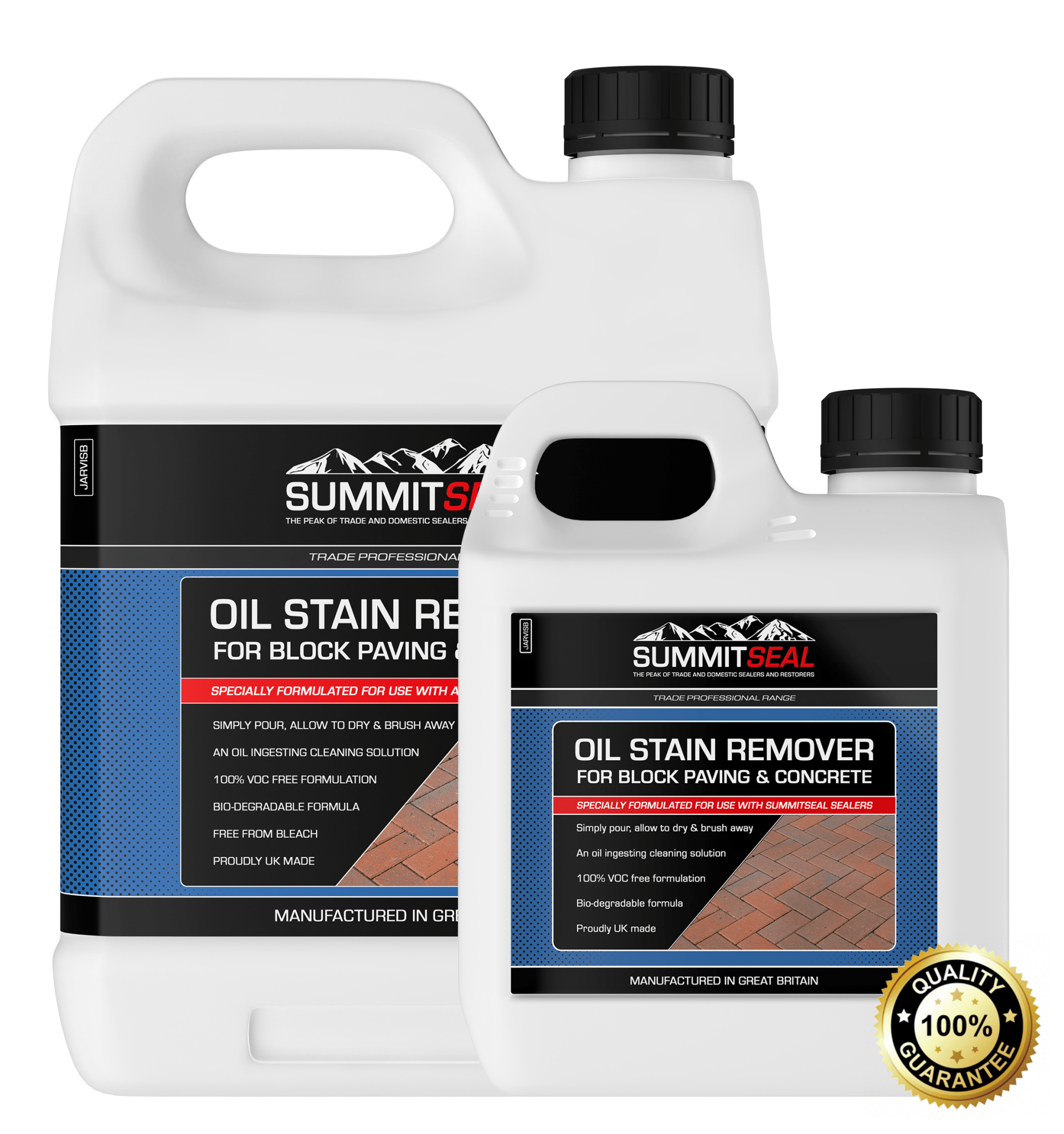

SummitClean - Ultieme opritreiniger voor opritten en terrassen (verkrijgbaar in 1 en 5 liter)
Similar Product Ranges
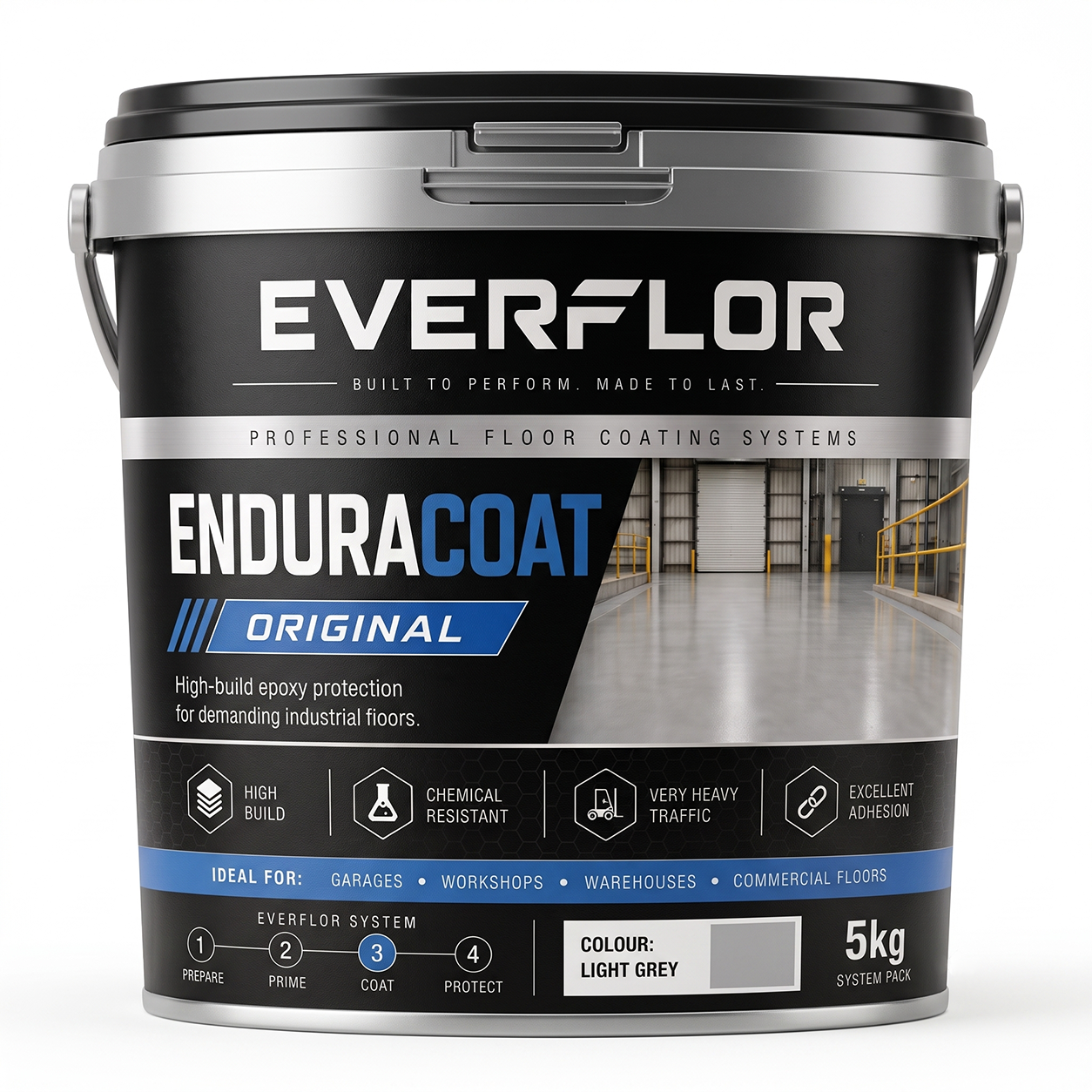
Everest Trade - HB Epoxy fabrieksvloerverf - industriële kwaliteit - tweecomponenten epoxycoating
100% Solids Technology

220 Microns Per Coat

Internal Floors Only

Easy Application
Everest Trade - HB Epoxy fabrieksvloerverf - industriële kwaliteit - tweecomponenten epoxycoating

Industrial grade coating

Solvent free, no shrinkage

Up to 5x thicker

Withstands heavy forklift traffic

Resists oil, acids, alkalis

Easy-clean surface
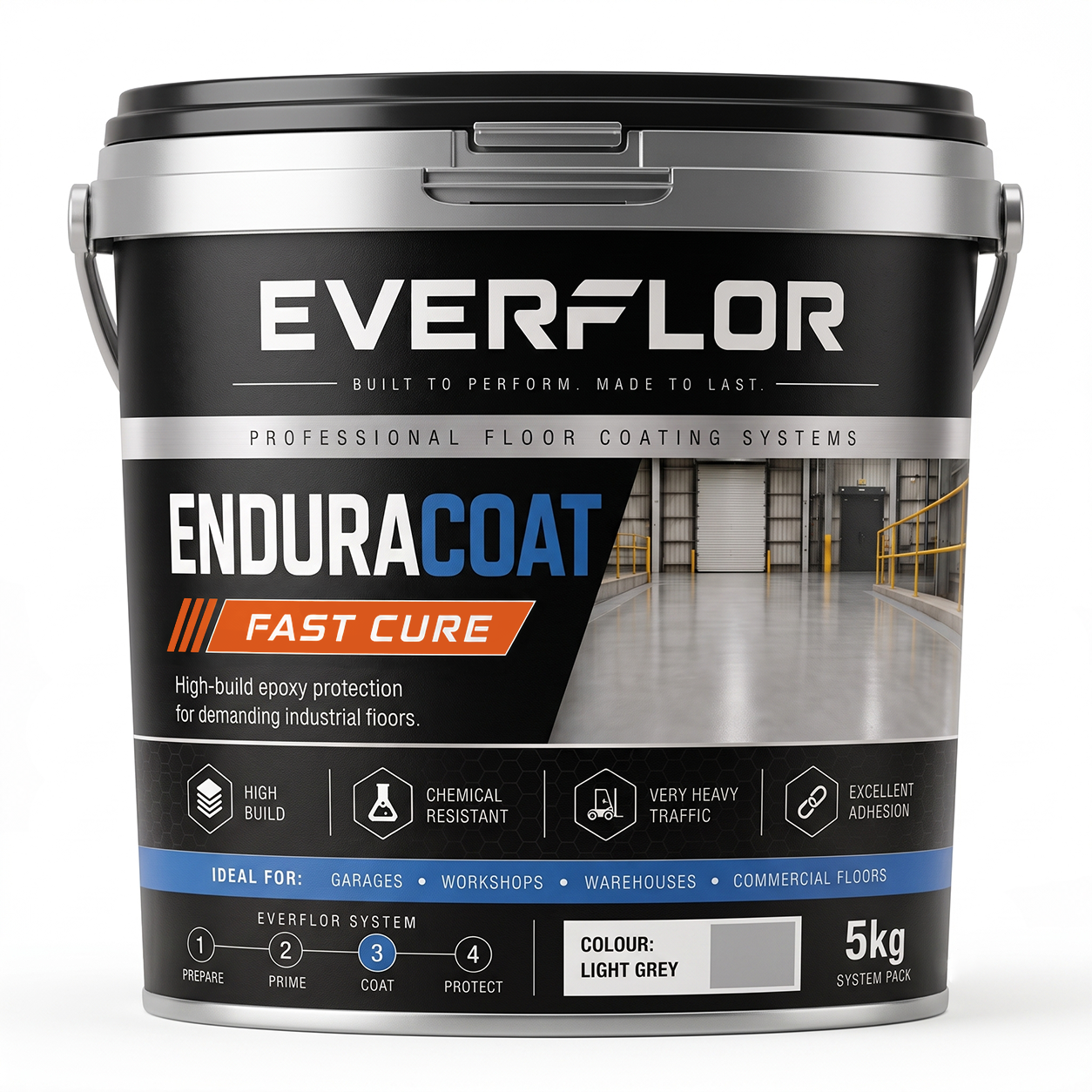
Everest Trade - HB Epoxy fabrieksvloerverf - industriële kwaliteit - tweecomponenten epoxycoating
Industrial grade coating
Solvent free, no shrinkage
Up to 5x thicker
Withstands heavy forklift traffic
Resists oil, acids, alkalis
Easy-clean surface
Everest Trade - HB Epoxy fabrieksvloerverf - industriële kwaliteit - tweecomponenten epoxycoating
Industrial grade coating
Solvent free, no shrinkage
Up to 5x thicker
Withstands heavy forklift traffic
Resists oil, acids, alkalis
Easy-clean surface
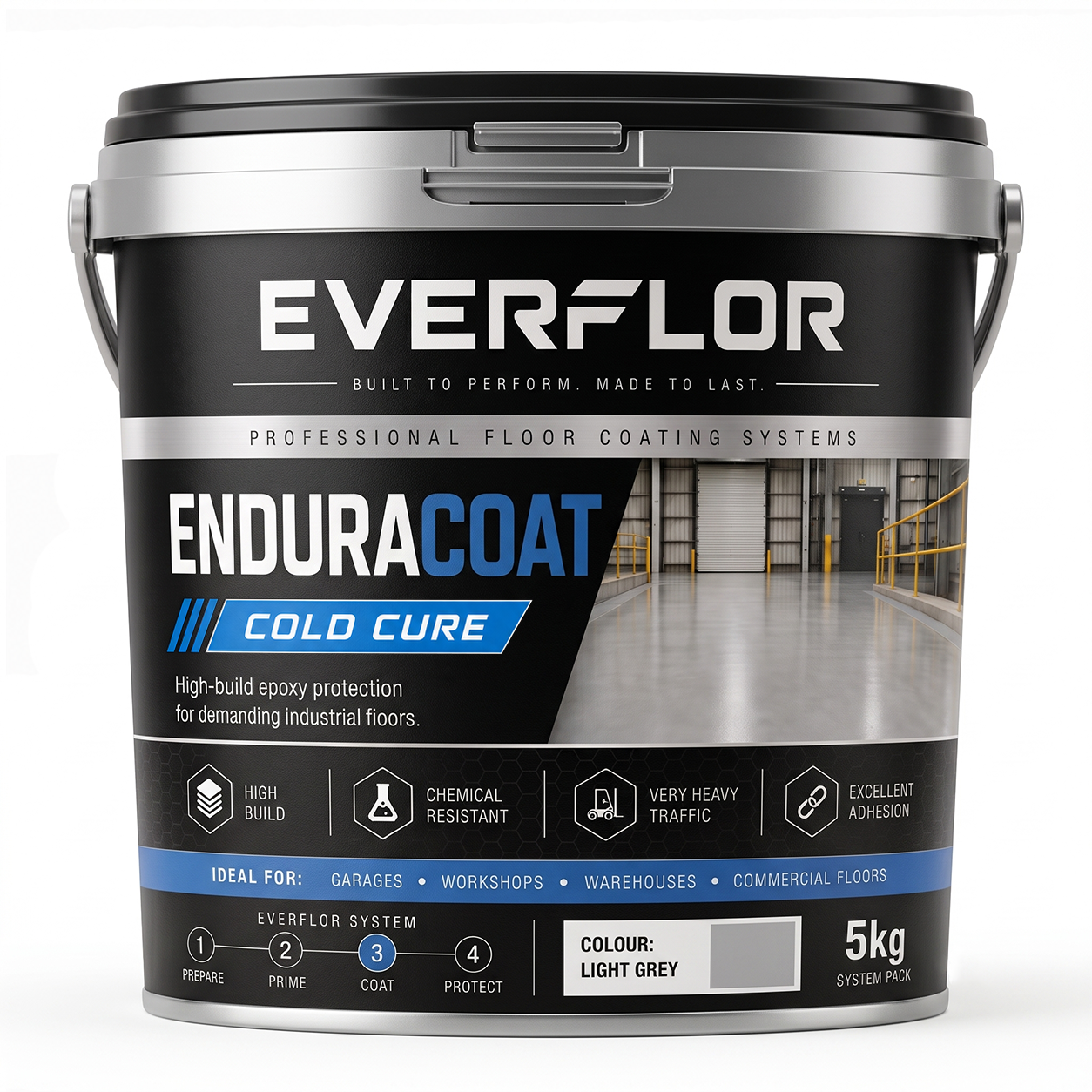
Everest Trade - HB Epoxy fabrieksvloerverf - industriële kwaliteit - tweecomponenten epoxycoating
Industrial grade coating
Solvent free, no shrinkage
Up to 5x thicker
Withstands heavy forklift traffic
Resists oil, acids, alkalis
Easy-clean surface
Everest Trade - HB Epoxy fabrieksvloerverf - industriële kwaliteit - tweecomponenten epoxycoating
Industrial grade coating
Solvent free, no shrinkage
Up to 5x thicker
Withstands heavy forklift traffic
Resists oil, acids, alkalis
Easy-clean surface
Concrete Sealers FAQs
Technical Guidance & Application Advice
What preparation is required before applying concrete sealers for driveways and floors?
Should I choose a penetrating or film-forming sealer for a concrete driveway?
Can concrete sealers be applied to newly laid slabs?
Are solvent-based acrylic sealers suitable for internal garage floors?
How resistant are these sealers to oil staining and tyre traffic?
Will sealing prevent concrete dusting in workshops or warehouses?
Expert Advice & Guides
A few of our most recent guides applicable to this product range.