
Guides and Posts
Of Products
Help Categories
Helpful Staff
Search by material, problem, or sector...
Search Cladding Preparation Guides
Cladding materials vary wildly in fragility. Use the search bar below to find the specific cleaning, rust treatment, or priming method for your exact building type.

- 0 commenti
- scritto da Sam Marriott
Adhesion Testing: Checking if Paint Will Stick to Your Composite
- 0 commenti
- scritto da Sam Marriott
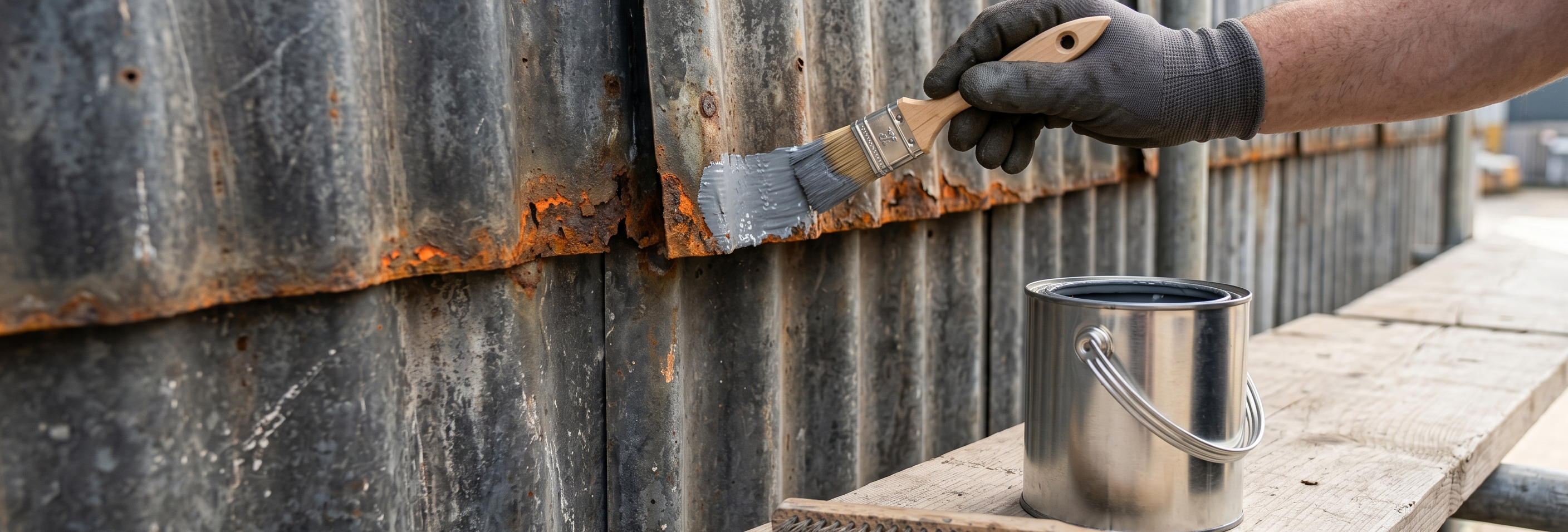
Treating Cut-Edge Corrosion: The Industry Standard Repair
- 0 commenti
- scritto da Sam Marriott
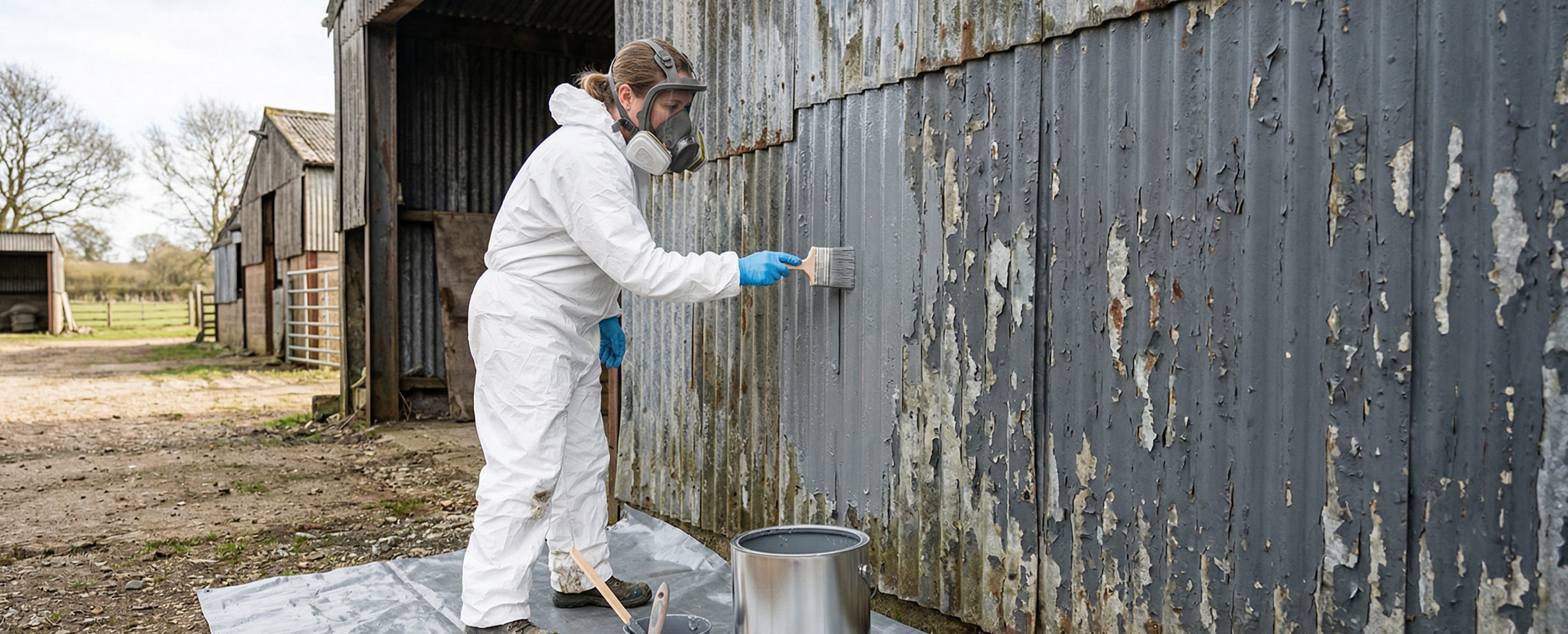
Encapsulating Lead Paint: Safe Prep for Old Farm Buildings

- 0 commenti
- scritto da Sam Marriott
Spot Priming Rust: Converting Corrosion on Screw Heads

- 0 commenti
- scritto da Sam Marriott
How to Power Wash Metal Cladding: Pressure Settings to Avoid Damage

- 0 commenti
- scritto da Sam Marriott
Stripping Wood Stains and Oils: When to Sand vs. When to Scrub
No guides found matching your search.
Try a different keyword.
Cedar, Larch & Painted Wood
Timber Cladding Preparation
Common on older properties and modern extensions, timber requires specific care depending on the finish. For natural wood (Cedar/Larch), preparation involves stripping UV silvering with Oxalic Acid to restore the golden colour. For painted wood, it involves sanding back flaking paint and treating knots to prevent resin bleed before priming.
- 0 commenti
- scritto da Sam Marriott
Stripping Wood Stains and Oils: When to Sand vs. When to Scrub
Whitening & Static Control
UPVC & Plastic Cladding Preparation
UPVC is durable but prone to "greying" from traffic film and static charge which attracts dust. Preparation is purely chemical. You must use anti-static cleaners and solvent-free degreasers. Warning: Never use abrasive pads (green scourers) or cream cleaners, as they scratch the gloss finish, making it get dirty faster in the future.
Soft Washing & Algae Removal
Composite Cladding Preparation
Composite boards have a textured grain that traps dirt and green algae. Unlike timber, you cannot sand composite if you damage it. Preparation relies on Soft Washing: applying a biocide foam to lift organic growth from the grain, followed by a gentle rinse. We also cover removing grease marks (BBQ/Suncream) which stain composite easily.
- 0 commenti
- scritto da Sam Marriott
Adhesion Testing: Checking if Paint Will Stick to Your Composite
Chalking & Cut-Edge Corrosion
Industrial Metal Cladding Preparation
Commercial metal sheets (Plastisol) suffer from UV "Chalking" and rust at the cut edges. Preparation is heavy-duty: High-pressure washing (turbo nozzle) to strip the oxidised paint layer, and mechanical grinding to treat the rusty edges. You must prime these areas with a zinc-rich primer before coating the whole building.
- 0 commenti
- scritto da Sam Marriott
Treating Cut-Edge Corrosion: The Industry Standard Repair
- 0 commenti
- scritto da Sam Marriott
Spot Priming Rust: Converting Corrosion on Screw Heads
- 0 commenti
- scritto da Sam Marriott
How to Power Wash Metal Cladding: Pressure Settings to Avoid Damage
Bitumen, Tar & Corrugated Iron
Agricultural & Barn Preparation
Farm buildings often have layers of old Bitumen or Creosote which bleed through modern paints. Preparation focuses on stability rather than beauty: wire-brushing off loose rust and moss, neutralising ammonia in livestock sheds, and using "Barrier Primers" to lock in the old tar so it doesn't stain your new topcoat.
- 0 commenti
- scritto da Sam Marriott
Encapsulating Lead Paint: Safe Prep for Old Farm Buildings
Expert advice to avoid damage and ensure adhesion.
Common Questions: Cladding Preparation
Wooden Cladding Prep FAQ's
Timber is a living material that reacts to UV light and moisture. Preparation differs depending on whether you are restoring the natural look or painting a solid colour. For natural restoration, the goal is to strip back the silver-grey UV damage using Oxalic Acid (Wood Brighteners) rather than sanding, which can ruin the profile. For painted wood, preparation involves killing mould spores, sanding back flaking old paint, and crucially, treating knots to stop resin from bleeding through your new topcoat.
Why has my cedar cladding turned grey?
UV light degrades the surface lignin in the wood, turning it silver. It’s natural, but if you want the "new wood" colour back, you need to use a Wood Reviver/Brightener to chemically strip this grey layer.
Do I need to sand vertical cladding before oiling?
Not always. Sanding is hard work on vertical walls. A chemical clean (Wood Reviver) is often enough to open the grain. However, if the wood is "glazed" (shiny) or very rough, a light sand (80-120 grit) helps the oil penetrate.
How do I stop knots from staining my white paint?
Knots contain resin that bleeds through standard primers. You must spot-prime every knot with a dedicated "Knotting Solution" or a shellac-based primer before applying your main undercoat.
How do I remove black water stains?
Black spots are often a reaction between water/iron and the tannins in the wood. Oxalic Acid is the specific cure for this—it neutralizes the tannin stain and bleaches the black spot back to natural wood.
UPVC & Plastic Cladding Prep FAQ's
Plastic cladding is low maintenance but prone to "static cling" (attracting dust) and "tiger striping" (black streaks from gutter overflow). Preparation here is purely chemical. You must avoid abrasive pads or cream cleaners (like Cif) as they scratch the glossy surface, making it hold dirt faster in the future. We recommend using solvent-free, anti-static degreasers to lift ingrained dirt and restore the brilliant white finish.
Can I use solvent cleaner on my UPVC?
Be very careful. "Standard" solvent cleaners can melt or dull the surface of PVC if left on too long. Always use a "Garden/Paper" safe solvent or a specific PVC cleaner designed for cladding, not just industrial frames.
What are the black streaks ("Tiger Stripes") on my cladding?
This is dirt and algae washing over from blocked gutters. The rubber seals degrade and drip carbon deposits down the wall. You need a dedicated degreaser to remove them; water alone won't work.
Can I paint my white UPVC grey?
Yes, but prep is vital. You cannot just paint glossy plastic. You must abrade the surface lightly with a Scotch-Brite pad to key it, clean it with a solvent cleaner, and use a specialist UPVC primer or a paint designed to bond to plastic.
Why has my white cladding turned yellow?
This is deep UV degradation of the plastic itself. Cleaning won't fix this. If the plastic has yellowed through, your only option is to paint it or replace it.
Composite Cladding Prep FAQ's
Composite boards are a blend of wood fibre and plastic, often capped with a delicate protective layer. They are easily damaged by pressure washers, which can strip this cap-stock and void your warranty. The correct preparation method is Soft Washing: applying a foaming biocide (Benzalkonium Chloride) to kill green algae at the root, agitating gently with a soft brush, and rinsing with low pressure.
Can I pressure wash composite cladding?
We strongly advise against it. High pressure can etch the surface, opening it up to moisture and permanent staining. Use a garden hose and a soft brush instead.
Can I use household bleach to clean algae?
No. Sodium Hypochlorite (Bleach) can discolour the pigments in composite, leaving pale patches. Use a "DDAC" based biocide which is pH neutral and safe for plastics.
How do I remove grease/BBQ stains from composite?
Composite is porous to oil. You need to act fast with a hot water degreaser. If the stain is old, it is very difficult to remove without damaging the board surface.
Can I sand out scratches on composite?
No. Unlike wood, if you sand composite, you destroy the textured finish and expose the inner core material, which will absorb water and swell.
Industrial Metal Prep FAQ's
Commercial metal cladding suffers from two main issues: Chalking (oxidised paint resin) and Cut Edge Corrosion (rust at the sheet overlaps). Preparation is heavy-duty. You must pressure wash the entire building to remove the chalky powder, otherwise, new paint will peel. Critical attention must be paid to the sheet edges—grinding back loose rust and spot-priming with zinc-rich primers is the only way to stop the rot.
My hand turns the colour of the cladding when I touch it. What is this?
This is "Chalking." The UV light has destroyed the binder in the paint. You must pressure wash this off until the water runs clear. Do not paint over chalky surfaces.
What is Cut Edge Corrosion?
It is where the factory coating peels back from the edge of the metal sheet, exposing the steel to rain. It effectively eats the sheet from the edge inwards. You must grind this back to bright metal and seal it.
Can I paint fresh Galvanised Steel?
Not directly. Fresh galvanising is greasy and too smooth. You must use "T-Wash" (Mordant Solution) to turn the metal black/grey (etching it) before you can apply any primer.
How do I prep for spraying a warehouse?
Masking is 50% of the job. You must cover all skylights, windows, and adjoining brickwork. Overspray travels far on windy days. Ensure the cladding is bone dry before spraying.
Agricultural & Barn Prep FAQ's
Farm buildings present the toughest adhesion challenges. Many barns are coated in old Bitumen, Creosote, or Tar, which bleeds through modern paints. Preparation involves aggressive wire-brushing to remove loose rust and flaking tar, and neutralizing ammonia in livestock sheds. Safety is paramount when dealing with older Fibre Cement sheets which may contain asbestos—these must be chemically cleaned, never dry-scraped.
Can I paint over old Bitumen or Tar?
Only with specific paints. You must scrape off loose flakes first. Then, use a "Barrier Primer" or a Barn Paint specifically formulated to handle bitumen bleed. Standard masonry or gloss paint will turn brown and slide off.
How do I prep rusty corrugated iron?
Wire brush the loose flakes (flaking rust) until you have a solid surface. You don't need to get to bright shiny metal, but the loose scales must go. Then apply a "Rust Converter" or a direct-to-rust metal paint.
How do I clean green moss off Fibre Cement sheets?
Do not pressure wash. Use a high-strength biocide. saturate the moss, let it die (it turns brown), and allow the weather to wash it off over a few weeks. Scraping or blasting releases dangerous fibres.
I'm painting a dairy parlour. Any special prep?
Yes. Livestock urine creates Ammonia, which attacks paint. You must wash the walls down with an "Acid Etch" or a strong detergent and rinse thoroughly to neutralize the surface pH before painting.
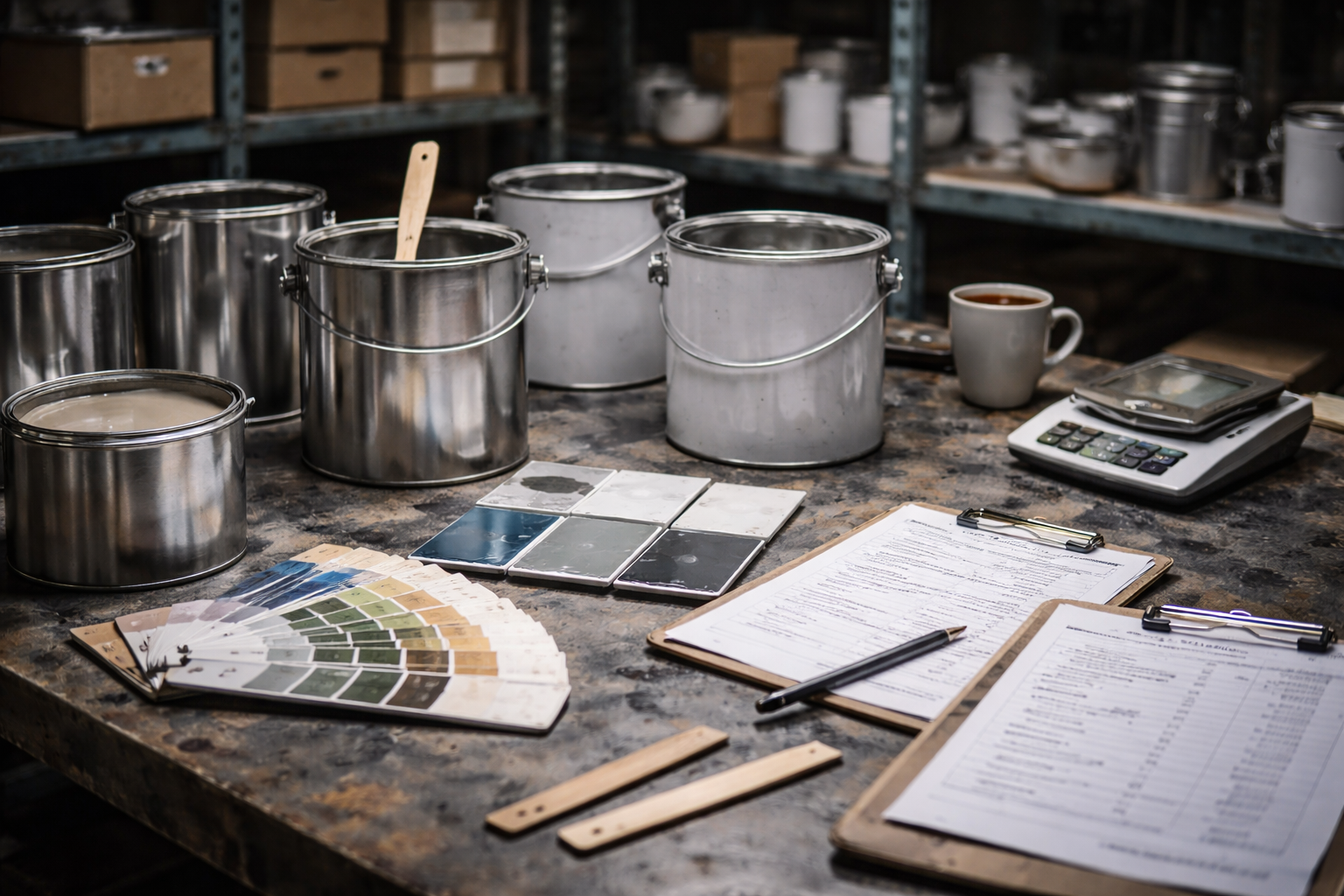
The Help & Technical Hub
Our coatings are backed by more than just performance — they’re supported by clear documentation, practical guides, and real technical support.
The Help & Technical Hub brings together preparation guides, application advice, FAQs, SDS & TDS downloads, and system recommendations to help you choose, apply, and maintain the right coating with confidence.