

Guides and Posts
Of Products
Help Categories
Helpful Staff
Technical Guidance & Application Methods
Find the Correct Application Method
Search by surface type or coating system to access the correct application guide. From concrete floors and garage coatings to primers and topcoats, follow the correct process for reliable results.
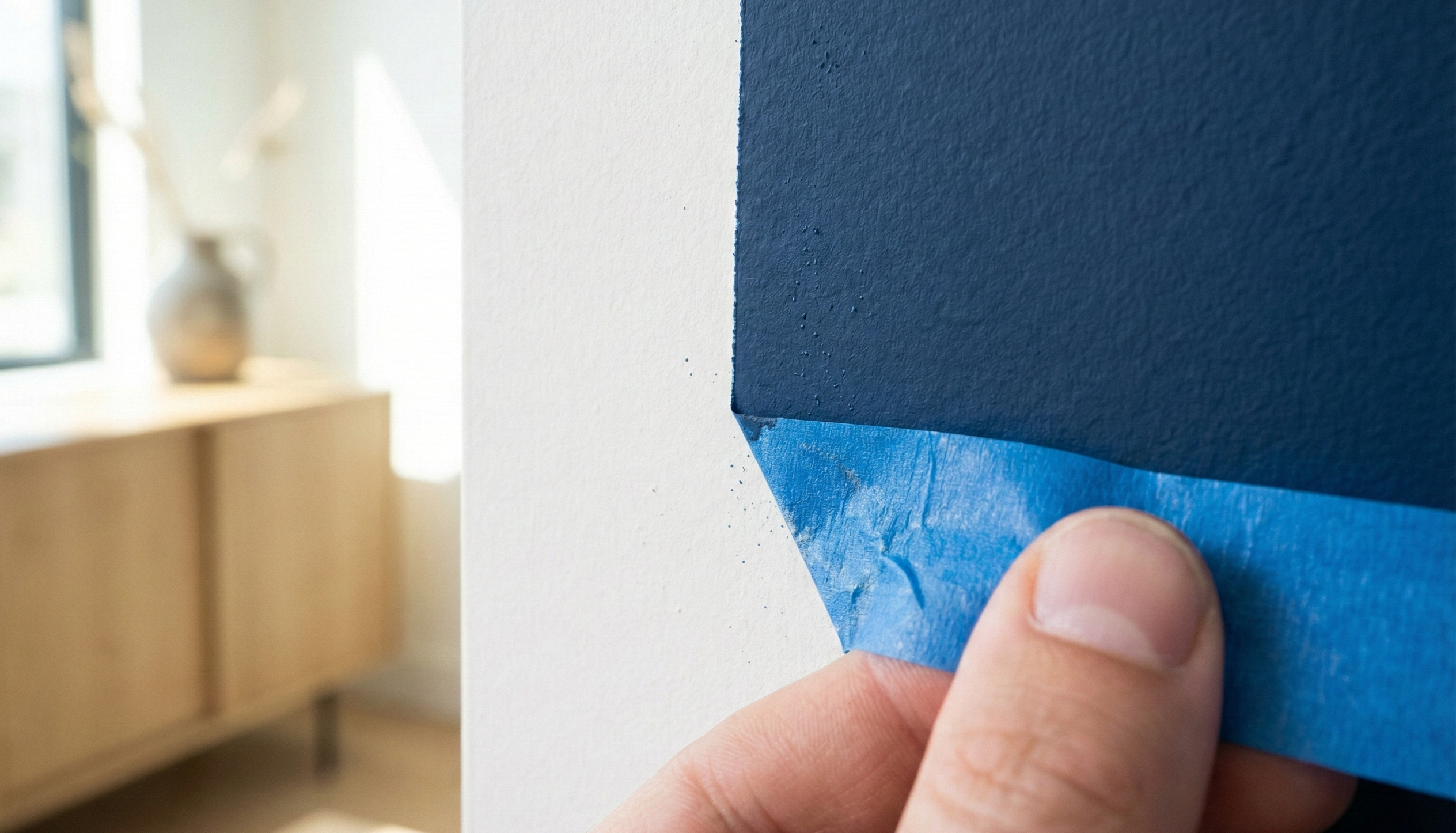
- 0 commenti
- scritto da Sam Marriott
Tape Removal Timing: How to Get Crisp Lines Without Ruining Your Edge
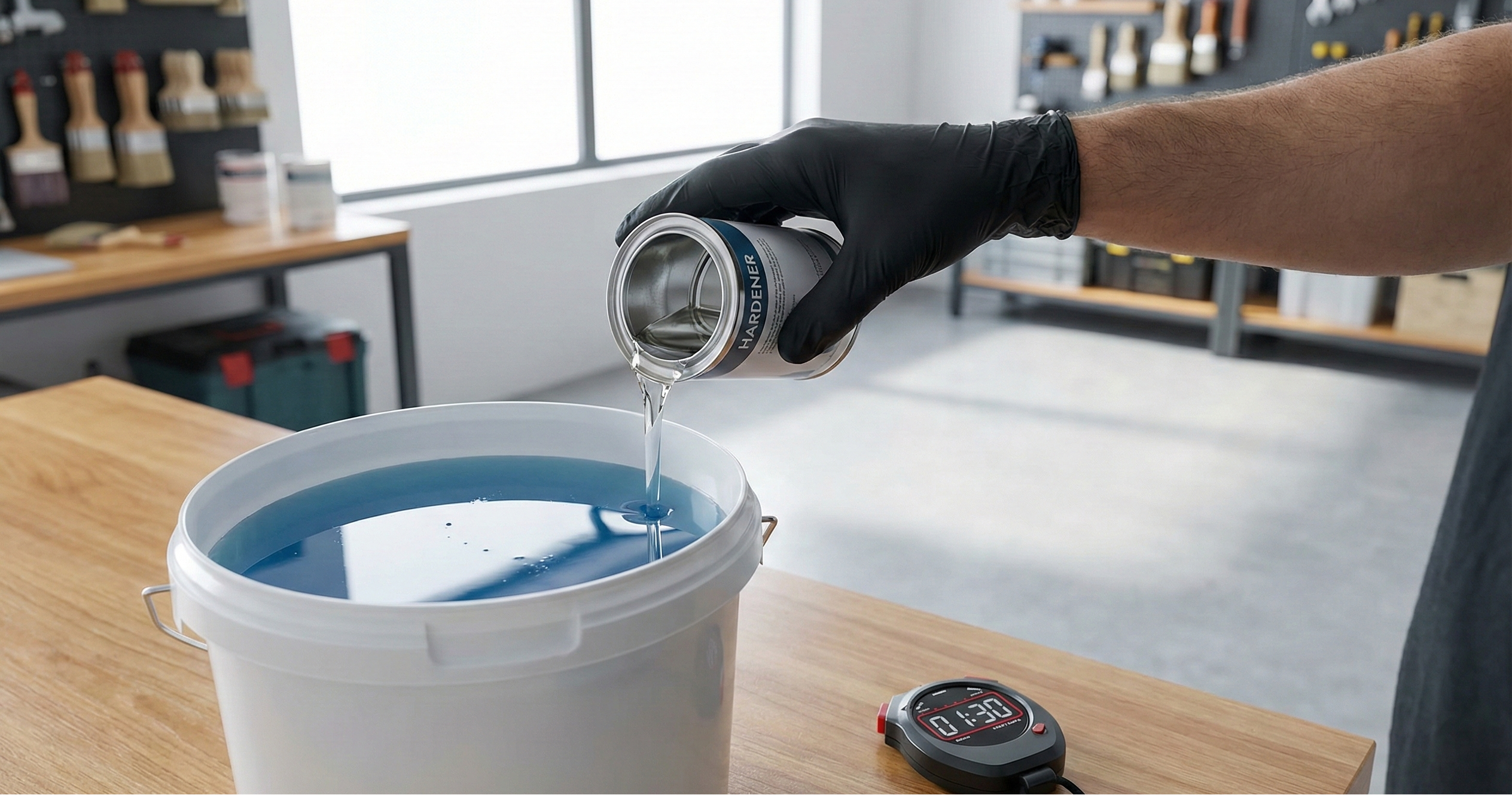
- 0 commenti
- scritto da Sam Marriott
Understanding Pot Life: Working Times for 2-Pack Systems
No guides found matching your search.
Try a different keyword.
For Concrete Floors & Coating Systems
Floor Paint Application Guides
Step-by-step technical guides covering preparation, mixing and application of floor coatings. Designed to ensure correct system build-up and long-term durability.
Tape Removal Timing: How to Get Crisp Lines Without Ruining Your Edge
Understanding Pot Life: Working Times for 2-Pack Systems
Application Methods & Best Practice Explained
Floor Paint Application FAQ’s
SURFACE PREPARATION FAQ’s
Correct preparation is critical to coating performance. The condition of the substrate determines adhesion, durability and overall system success.
Why is surface preparation so important?
Surface preparation ensures the coating can properly bond to the substrate. Without adequate preparation, even high-performance coatings will fail prematurely. Removing laitance, contamination and weak surface layers creates the necessary profile for adhesion.
What is the best way to prepare a concrete floor?
Mechanical preparation such as grinding or shot blasting is the most effective method. This removes weak surface layers and creates a textured profile that allows coatings to penetrate and bond correctly.
Can I skip mechanical preparation?
In most cases, no. Acid etching or cleaning alone may not provide a sufficient profile, particularly on dense or powerfloated concrete. Mechanical preparation is recommended for reliable results.
Do I need to clean before preparing?
Yes. Any oil, grease or contamination must be removed prior to mechanical preparation to prevent it being driven deeper into the surface.
What happens if preparation is poor?
Poor preparation leads to adhesion failure, peeling and reduced coating lifespan. It is the most common cause of coating failure.
PRIMING & SYSTEM BUILD-UP FAQ’s
Primers regulate absorption and improve adhesion. Correct system build-up ensures the coating performs as intended.
Do I always need a primer?
Primers are recommended in most situations, particularly on porous or prepared concrete. They help stabilise the surface and improve adhesion of subsequent coats.
What does a primer actually do?
Primers penetrate the substrate, bind loose particles and create a uniform surface for the topcoat. This improves both adhesion and overall system performance.
Can I apply floor paint directly to concrete?
Some coatings allow direct application, but this depends on the substrate condition. In many cases, using a primer will significantly improve results.
How many coats do I need?
Most systems require a primer followed by one or two topcoats. The exact build-up depends on the product and intended use.
What happens if I skip the primer?
Skipping the primer can lead to uneven absorption, poor coverage and reduced adhesion, increasing the risk of failure.
MIXING & PRODUCT HANDLING FAQ’s
Correct mixing and handling are essential, particularly for two-pack systems where performance depends on accurate ratios.
Do I need to mix floor paint before use?
Yes. All coatings should be thoroughly mixed to ensure consistent performance and finish.
How do I mix two-pack (2K) coatings?
The base and hardener must be mixed in the correct ratio and thoroughly blended. Incorrect mixing can affect curing, adhesion and durability.
What happens if I mix incorrectly?
Incorrect ratios or poor mixing can result in soft coatings, incomplete curing or total system failure.
How long can I use mixed product?
Two-pack coatings have a limited pot life. Once mixed, they must be applied within the specified working time.
Can I add thinners or water?
Only if specified by the manufacturer. Adding unapproved materials can affect performance and curing.
APPLICATION METHODS FAQ’s
Application method affects finish, thickness and overall performance of the coating system.
What is the best way to apply floor paint?
Roller application is most common, but brushes or squeegees may be used depending on the system and area.
How do I achieve an even finish?
Apply coatings evenly, maintain a consistent spread rate and avoid overworking the material. Working in sections helps maintain control.
Can I apply thick coats?
Over-application can lead to curing issues, bubbling or reduced performance. Always follow recommended coverage rates.
Do I need multiple coats?
Yes. Multiple coats ensure proper film build and durability.
What causes roller marks or uneven finish?
Inconsistent application, incorrect tools or working outside recommended conditions can affect the final finish.
DRYING, CURING & CONDITIONS FAQ’s
Environmental conditions play a major role in how coatings cure and perform.
How long does floor paint take to dry?
Drying times vary depending on product, temperature and humidity. Always follow product-specific guidance.
What affects curing time?
Temperature, humidity and airflow all influence curing. Low temperatures slow curing, while high humidity can interfere with drying.
Can I apply coatings in cold conditions?
Some products are designed for low temperatures, but many require minimum application conditions to cure properly.
When can I walk on the floor?
Light foot traffic is usually possible after initial curing, but full load-bearing requires complete cure.
What happens if conditions are wrong?
Poor conditions can lead to slow curing, surface defects or reduced performance of the coating system.

The Help & Technical Hub
Our coatings are backed by more than just performance — they’re supported by clear documentation, practical guides, and real technical support.
The Help & Technical Hub brings together preparation guides, application advice, FAQs, SDS & TDS downloads, and system recommendations to help you choose, apply, and maintain the right coating with confidence.