Guides and Posts
Of Products
Help Categories
Helpful Staff
Instant Access to Expert Methods
Find Your Cleaning Strategy
Surface contamination is the single biggest cause of coating failure. Whether you are degreasing a power-floated warehouse, sterilizing external render, or removing stubborn adhesive residues, the right chemical preparation is critical. Search by substrate or contaminant below to find the exact cleaning protocol for your job.
- 0 Kommentare
- von Sam Marriott
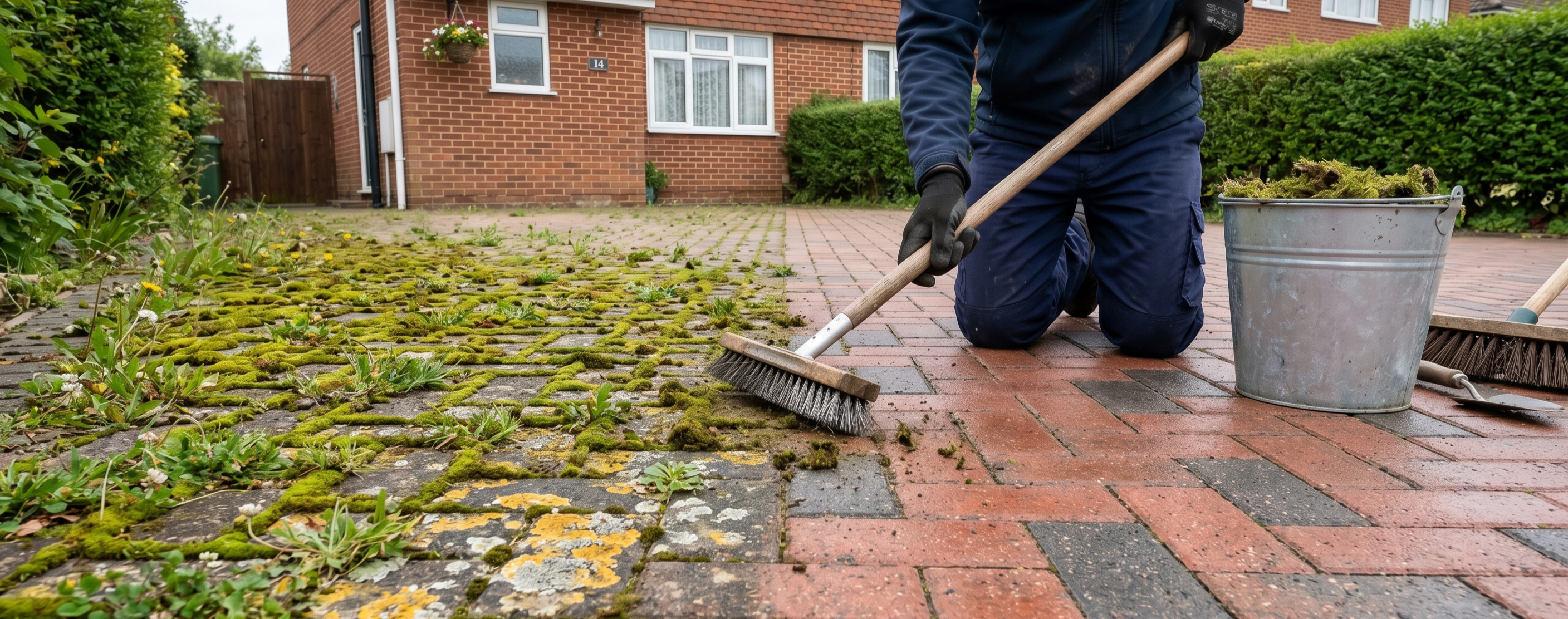
Restoring Block Paving: Removing Moss, Weeds, and Lichen
- 0 Kommentare
- von Sam Marriott
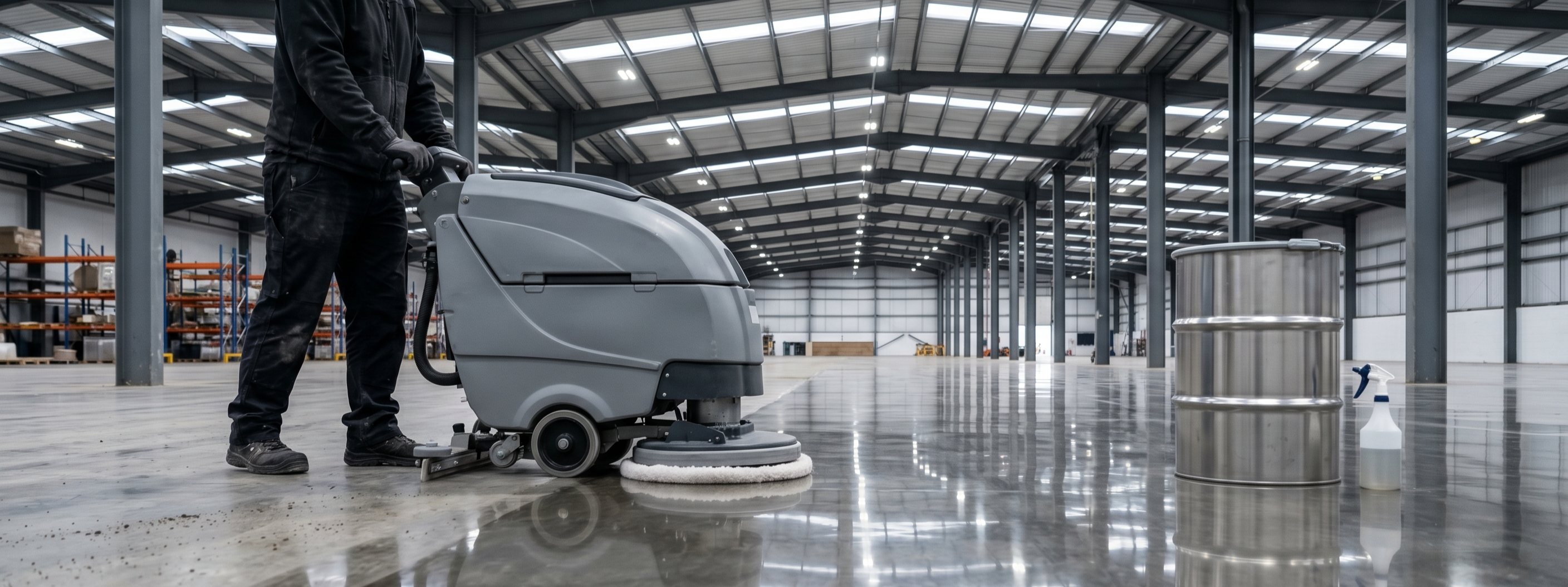
Deep Cleaning Polished Concrete Without Damaging the Shine
- 0 Kommentare
- von Sam Marriott
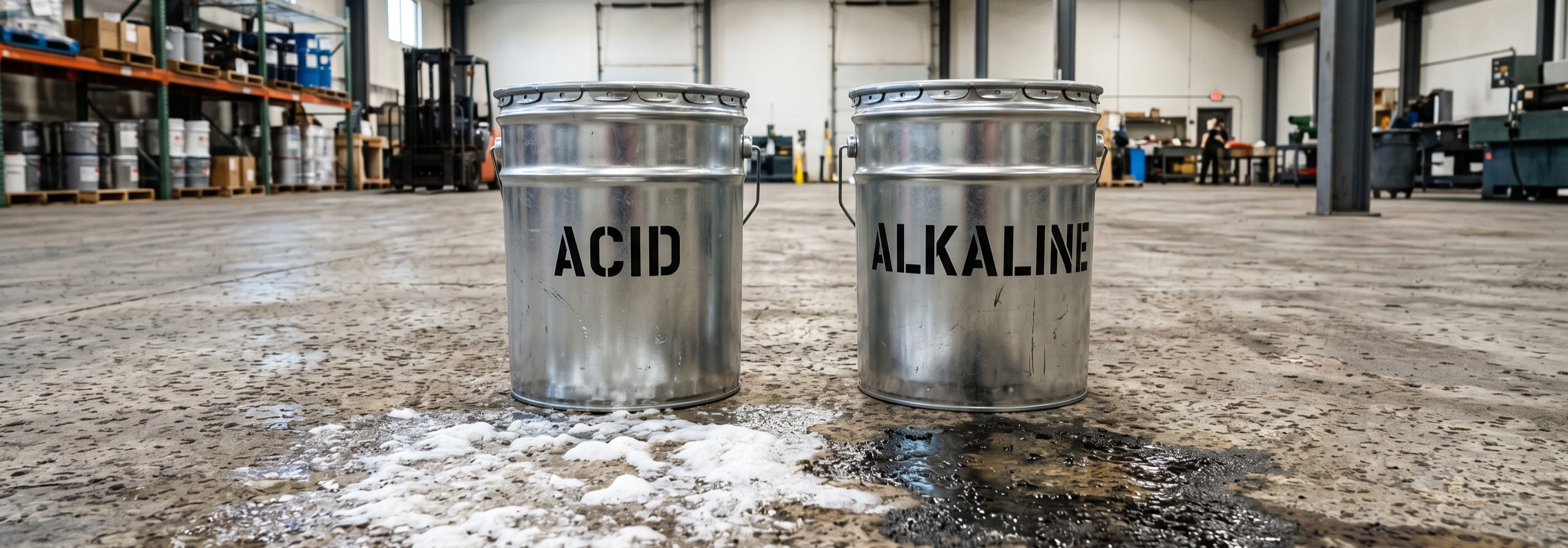
Acid vs. Alkaline Concrete Cleaners: Which is Best for Your Floor?
- 0 Kommentare
- von Sam Marriott
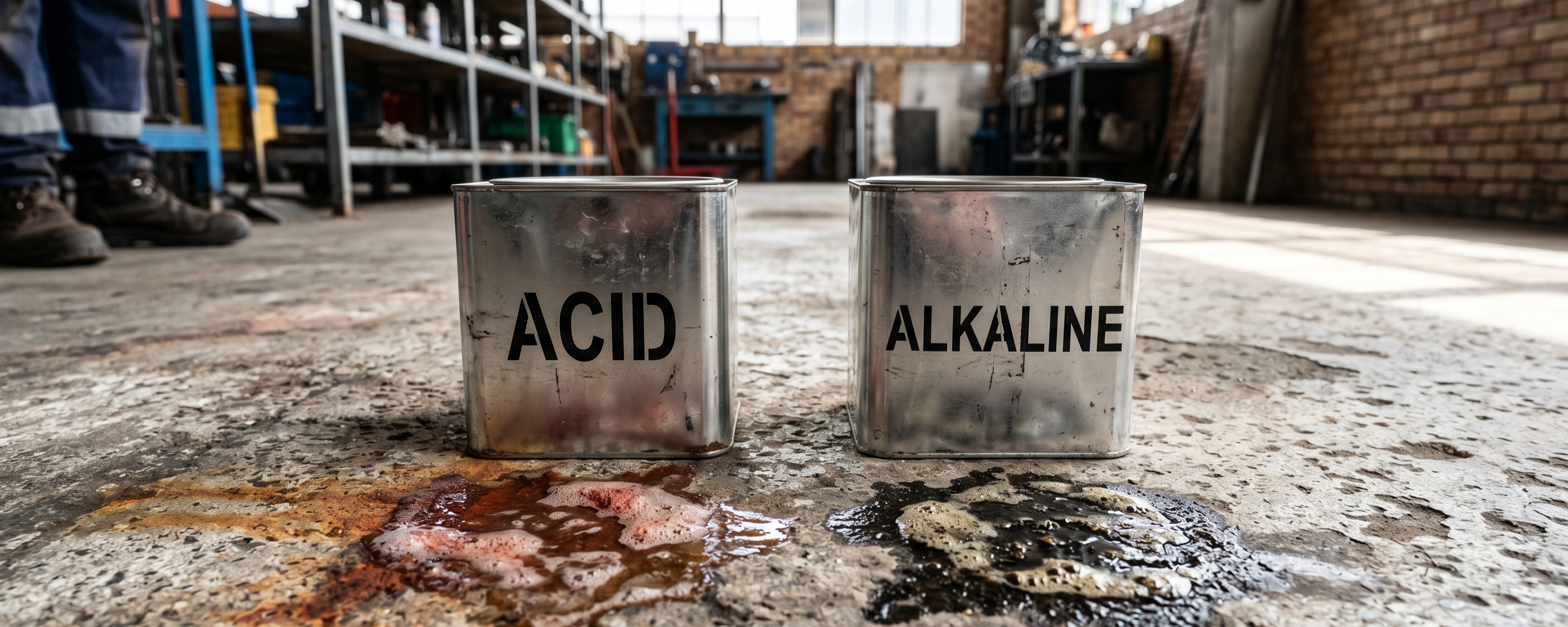
Acid vs. Alkaline Concrete Cleaners: Which Do You Need?

- 0 Kommentare
- von Sam Marriott
Industrial Floor Cleaning: Manual Mopping vs. Machine Scrubbers
- 0 Kommentare
- von Sam Marriott
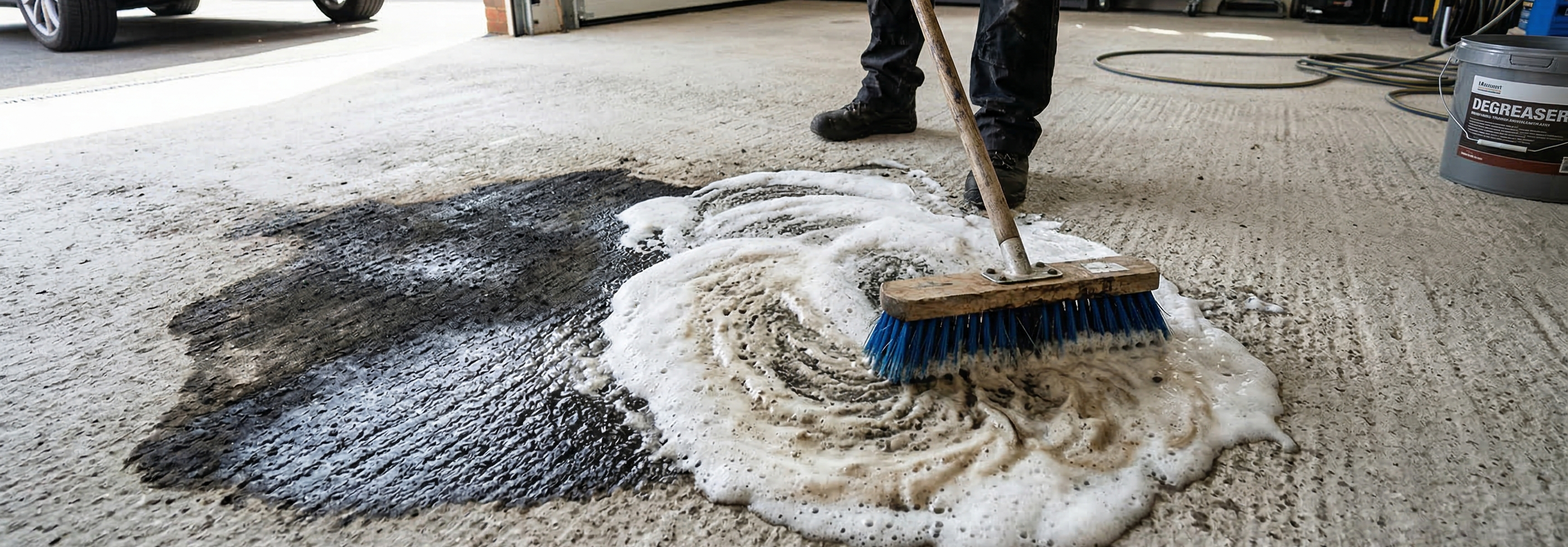
Degreasing Concrete: How to Remove Oil Stains Before Painting
- 0 Kommentare
- von Sam Marriott
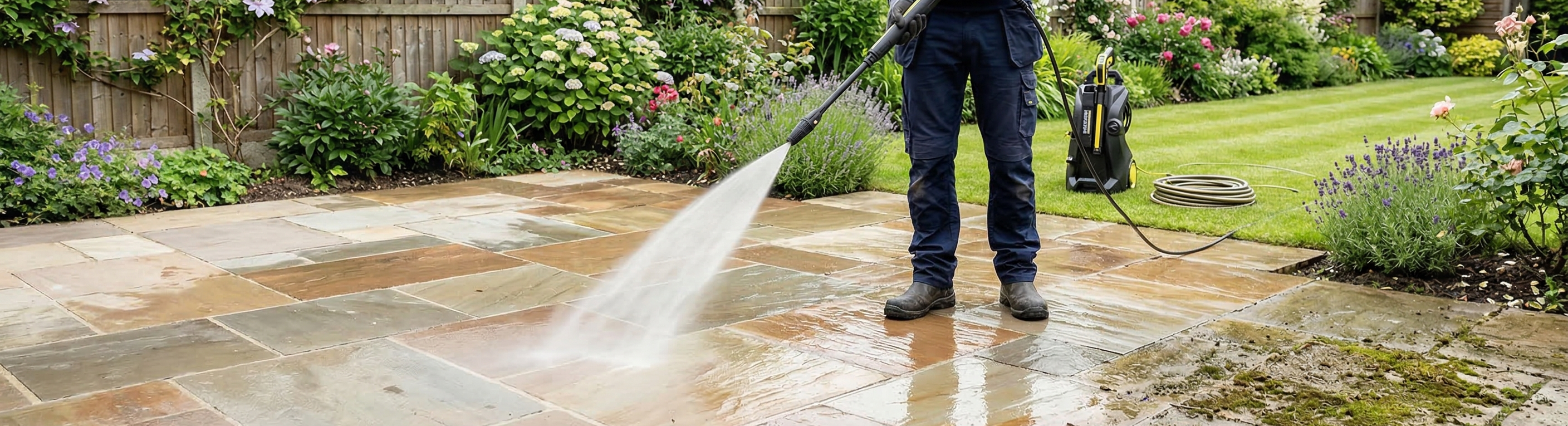
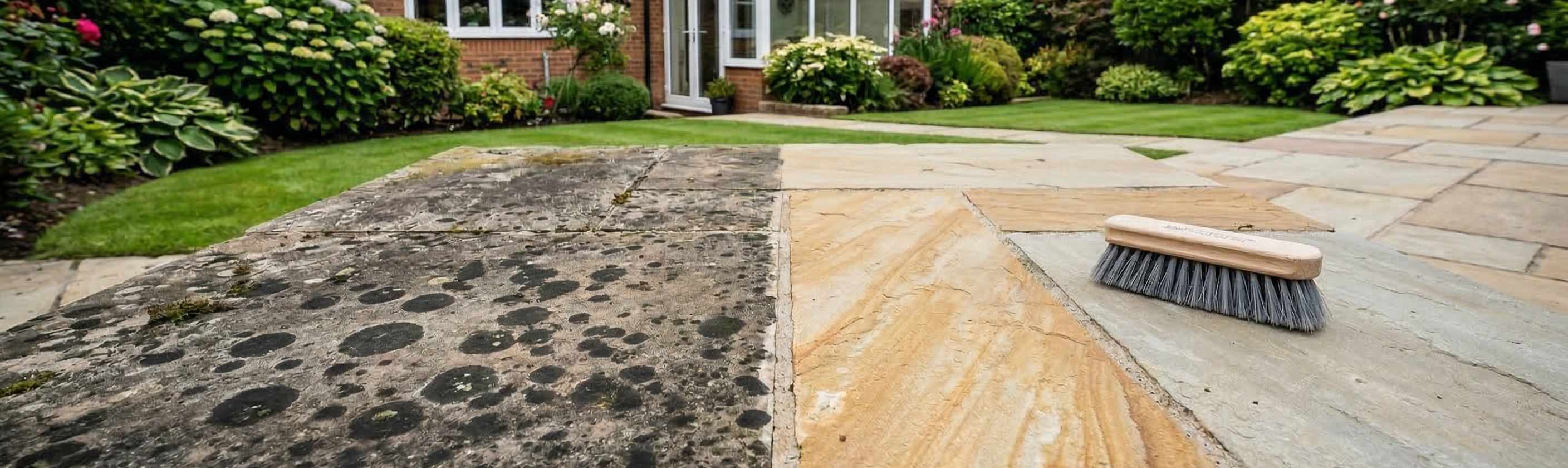
Pressure Washing Dos and Don'ts: Avoiding Damage to Your Patio
- 0 Kommentare
- von Sam Marriott
Removing Black Spot Lichen: Why Pressure Washing Isn't Enough
- 0 Kommentare
- von Sam Marriott
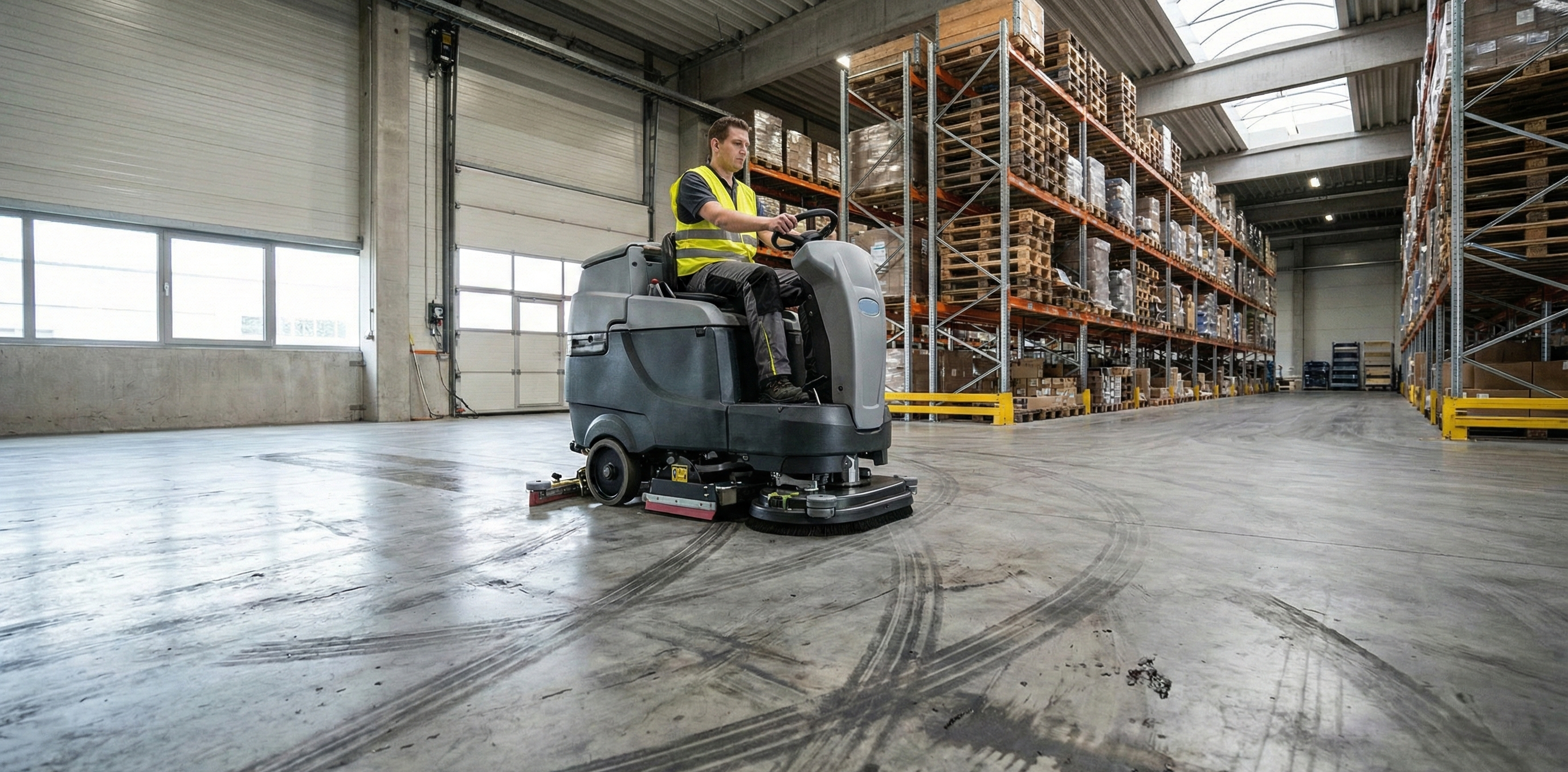
Removing Heavy Grease and Tyre Marks from Warehouse Floors
No guides found matching your search.
Try a different keyword.
Heavy Duty Degreasing
Internal Concrete Floor Cleaning
You cannot paint over oil. Whether it's a factory floor or a home garage, these guides explain how to draw out stubborn stains and create a chemically clean surface ready for adhesion.
- 0 Kommentare
- von Sam Marriott
Removing Heavy Grease and Tyre Marks from Warehouse Floors
Restoring Driveways & Patios
Driveways, Patios & Paving Cleaning
Don't damage your paving with aggressive pressure washing. Learn how to safely kill black spot lichen, remove weeds, and clean tarmac without dissolving the surface.
Treat Walls, Roofs & Cladding
Exterior Walls & Roof Cleaning
Organic growth kills coatings. Discover how to use fungicidal washes to eliminate moss and algae spores on render, brick, and roofing before you apply a fresh coat.
Keep Your Floor Looking Professional
Maintenance & Aftercare
Protect your investment. From choosing the right scrubber-drier detergent to simple mopping techniques, here is how to clean resin floors without dulling the gloss.
Quick Help
Cleaning & Degreasing FAQs
General Concrete Floor Cleaning
The majority of floor coating failures—whether in a home garage or an industrial warehouse—are traced back to inadequate cleaning. Concrete is porous and behaves like a sponge, holding deep-seated oil, grease, and silicone contaminants that act as "bond breakers," preventing new resins from adhering. This section addresses how to achieve a chemically clean surface that ensures long-term bonding success, moving beyond what just "looks clean" to the naked eye.
Can I use washing up liquid (like Fairy) or household bleach to degrease my floor?
No, absolutely not. This is a leading cause of floor paint failure. Household cleaners contain additives like lanolin, scents, and salts that leave an invisible, greasy film on the concrete. This film acts as a "bond breaker," stopping your new coating from sticking. You must use an industrial-grade, emulsifying degreaser designed specifically for concrete preparation.
How do I know if my concrete floor is actually clean enough to paint?
A floor can look clean but still be coated in invisible oil or silicone. You must perform the "Water Break Test." Pour a small amount of water onto various spots on the floor. If the water beads up and sits on top (like on a waxed car), contamination is still present. If the water immediately spreads out flat and darkens the concrete, the surface is chemically clean and ready for the next prep stage.
How do I remove deep, old oil stains that have soaked into the concrete?
A quick surface scrub will not work on deep stains. You need to use the "dwell time" method. Apply a strong industrial degreaser liberally to the stain and let it soak for 20-30 minutes—do not let it dry out. Keep agitating it with a stiff broom. This draws the deep oil up into a suspension, which must then be wet-vacuumed away before it dries back into the pores. Heavily contaminated floors may require multiple treatments.
Does Acid Etching clean the floor and remove grease?
No. Acid Etching is for removing "laitance" (weak cement paste) and creating texture; it is not a cleaner. If you apply acid to a greasy floor, you will simply trap the grease in the concrete and neutralize the acid before it can do its job. You must always thoroughly clean and degrease the floor before any acid etching takes place.
Do I need to rinse the floor after using chemical cleaners?
Yes. Leaving dried cleaner residue on the floor is just as bad as leaving the original dirt. The residue can react with your new coating and cause adhesion failure. You must rinse the floor with fresh water until the run-off is completely clear and free of foam bubbles. A wet-and-dry vacuum is highly recommended for removing the rinse water effectively.
Exterior Walls, Cladding & Roofs
Exterior surfaces face unique challenges, primarily from organic growth (moss, algae, and lichen) and weathering. Simply blasting these surfaces with high-pressure water is often insufficient to stop regrowth and can damage delicate substrates like monocouche render or roofing tiles. Effective exterior preparation requires sterilizing the surface to kill deep-rooted spores and properly removing chalky, oxidized layers from aged metal cladding to ensure your new masonry paint or protective coating adheres correctly.
Why does green algae and moss come back so quickly after I pressure wash my walls?
Pressure washing only removes the visible surface growth. It leaves behind microscopic spores deep in the texture of the render or brickwork. Unless these spores are killed, the regrowth will return rapidly. To ensure long-term results, you must apply a professional Fungicidal Wash or biocidal treatment after cleaning to sterilize the surface.
How do I prepare old, chalky metal cladding (Plastisol) before painting?
Older metal cladding often suffers from UV degradation, leading to "chalking"—a white, powdery residue on the surface. If you paint over this chalk, the paint will eventually peel off with the powder. The cladding must be thoroughly scrubbed with an industrial detergent or cladding cleaner until no white residue comes off on your hand when rubbed dry.
Is it safe to use high-pressure washers on roof tiles?
We generally advise against aggressive pressure washing on tiled roofs. High pressure can blast water underneath the tiles, damage mortar bedding, and strip the protective granular surface off concrete tiles, reducing their lifespan. The safest method is usually manual scraping of heavy moss followed by a "soft wash" biocide treatment.
How do I clean delicate render (like K-Rend) without damaging the finish?
Aggressive pressure washing can scar or "blow" the face of soft monocouche renders. It is recommended to use a "Soft Wash" technique—applying specialized cleaning chemicals at low pressure to break down dirt and organic growth, rather than relying on brute force water pressure.
Solvents, Thinners & Chemical Prep
Chemical solvents are precision tools used in the final stages of surface preparation, particularly for non-porous substrates like metal, rigid plastics, or when over-coating existing systems. They are crucial for a final "solvent wipe" to remove invisible contaminants like finger oils, moisture, and dust immediately before application. However, using the incorrect solvent can be a fatal error; oily substitutes like White Spirit leave residues that actively prevent high-performance coatings from bonding. This section covers the correct selection and safe use of industrial thinners.
What is a "Solvent Wipe" and why is it necessary?
A solvent wipe is the final preparation step immediately before coating non-porous surfaces like metal, some hard plastics, or existing epoxy. It involves wiping the surface with a clean, lint-free rag dampened with a solvent like Xylene. This removes invisible moisture, surface dust, and natural oils from fingerprints that settle just before application, ensuring a perfect chemical bond.
Can I use White Spirit as a final prep wipe instead of Xylene or Thinners?
No. White Spirit is an oily, slow-drying petroleum distillate. If used as a final wipe, it leaves a greasy residue that will prevent high-performance 2-pack coatings from bonding correctly. Always use virgin Xylene or Standard Cellulose Thinners, as these evaporate completely cleanly without leaving a residue.
Will strong solvents like Xylene damage my UPVC windows or gutters?
Yes. Strong industrial solvents will attack, melt, or dull many types of plastics, including UPVC and perspex. When using solvents to clean cladding or floors nearby, you must thoroughly mask off and protect any plastic fixtures, gutters, or window frames to prevent irreversible damage.
Can I use "Gun Wash" or recycled thinners to clean the floor?
No. cheap "Gun Wash" is dirty, recycled solvent intended only for cleaning spray guns and tools after use. It often contains contaminants, oil, and dissolved paint residue from previous uses. Using this on your floor or wall will introduce new contaminants and ruin your finish. Only use virgin (fresh) solvents for surface preparation.
The Help & Technical Hub
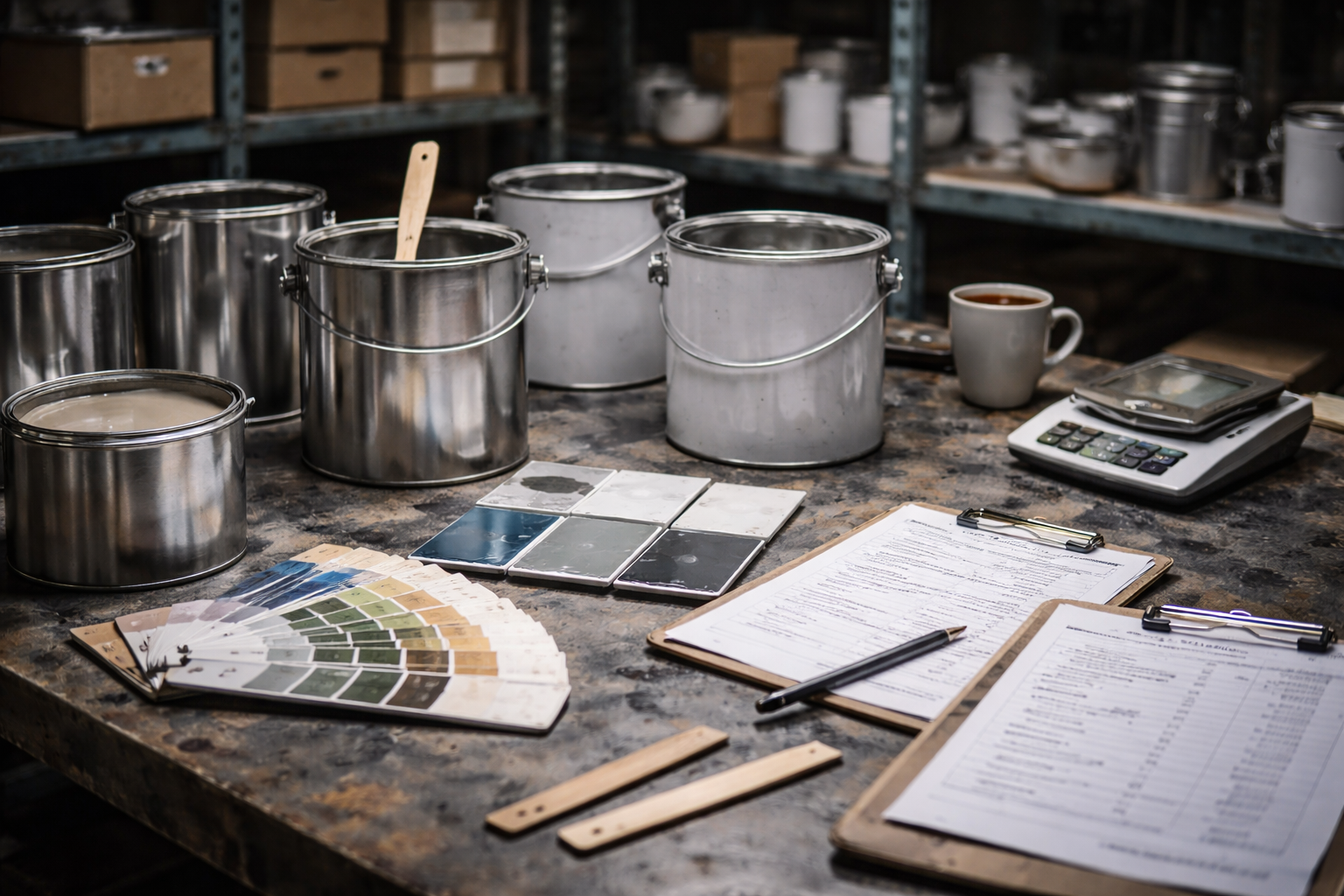
Our coatings are backed by more than just performance — they’re supported by clear documentation, practical guides, and real technical support.
The Help & Technical Hub brings together preparation guides, application advice, FAQs, SDS & TDS downloads, and system recommendations to help you choose, apply, and maintain the right coating with confidence.